
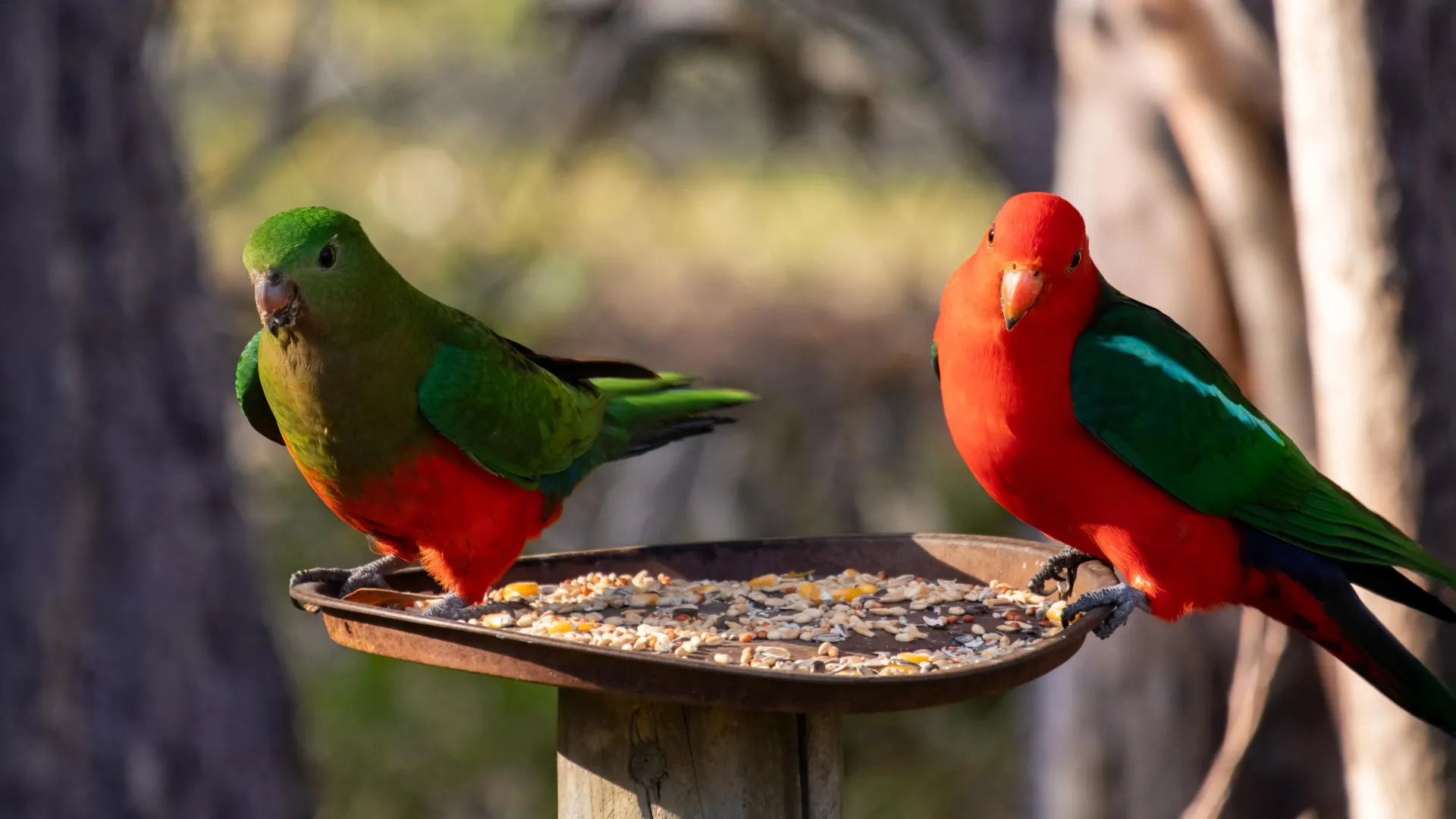
Backyard bird feeding has long stood as one of Australia’s most cherished and widespread domestic pastimes. Comprehensive ecological research reveals that approximately half of all Australian households routinely provide food to wild birds, with a significant percentage of citizens engaging in this activity on a daily basis. Driven by a genuine compassion for wildlife and a desire to foster a closer connection with nature, millions of Australians distribute seeds, grains, and meat scraps across lawns, balconies, and dedicated garden feeders. However, as the highly pathogenic H5N1 strain of avian influenza advances across the Australian continent, wildlife authorities and conservation scientists are issuing urgent warnings. This ubiquitous cultural practice, once viewed as an entirely benign gesture of goodwill toward local fauna, now threatens to inadvertently transform suburban gardens into lethal epidemiological transmission hotspots.
The severity of the unfolding crisis has escalated sharply following a series of unprecedented wildlife mortality events. Most alarmingly, researchers and biosecurity officials recently documented the deaths of more than 1,000 crested terns, alongside the confirmed mortality of a long-nosed fur seal. This marine mammal fatality marked a grim milestone as the very first detection of the H5N1 virus in a mainland Australian mammal. These events underscore the relentless global trajectory of the H5N1 strain, which has already decimated wild bird colonies and mammalian populations across the Northern Hemisphere, Antarctica, and various sub-Antarctic islands before breaching the Australian mainland. As the virus finds new footholds within local ecosystems, public health agencies and wildlife veterinarians are closely scrutinizing human behaviors that facilitate close contact among mixed species, chief among them being the widespread maintenance of backyard feeding stations.
The Epidemiological Mechanics of Suburban Feeding Stations
To understand why backyard bird feeding represents a profound biosecurity risk during an avian influenza outbreak, one must examine the artificial ecological conditions created by supplementary food sources. In a natural environment, native birds disperse across vast landscapes, foraging independently for insects, nectar, seeds, and worms. This spatial distribution naturally limits the velocity and scale of pathogen transmission between individuals and distinct flocks.
When humans introduce high-volume supplementary feeding stations, however, this natural equilibrium is abruptly disrupted. Gardens and back decks laden with seeds and scraps act as powerful ecological magnets, drawing together unnaturally high concentrations of diverse bird species that would rarely, if ever, congregate in such close quarters under natural conditions. Furthermore, these locations frequently attract secondary wildlife species, including scavenger mammals such as possums, red foxes, and various corvid species, which visit the sites to consume leftover feed or scavenge upon the carcasses of weakened birds.
This artificial aggregation creates an ideal environment for cross-species viral shedding and transmission. If a single infected migratory or resident bird visits a suburban feeding tray, it can contaminate the shared food surfaces and water sources with high concentrations of the H5N1 virus. Consequently, numerous other birds and visiting mammals subsequently exposed to the contaminated station become infected, effectively turning a well-intentioned backyard sanctuary into a viral superspreader venue. The amplification of the virus in these suburban settings not only threatens common garden birds but poses an existential risk to already vulnerable and endangered native populations, such as the critically endangered orange-bellied parrot, whose remaining wild numbers leave virtually no margin for large-scale disease mortality.
A Chronology of the Australian Incursion
The arrival and spread of the H5N1 virus in the Australian region represent the most significant biosecurity challenge facing the nation’s native fauna in decades. While Australia had historically remained isolated from the specific highly pathogenic strains devastating the Americas, Europe, and Asia, international virologists anticipated the inevitable arrival of the virus via migratory flyways utilized by seabirds and shorebirds traversing the East Asian-Australasian Flyway.
The preliminary phases of the regional crisis began manifesting in remote island territories and sub-Antarctic outposts before infiltrating mainland coastal ecosystems. Throughout preceding seasons, international scientific literature documented the catastrophic impact of H5N1 on global seabird rookeries, including gannets, penguins, and skuas, alongside commercial and wild marine mammals ranging from sea lions to fur seals.
In Australia, the timeline accelerated rapidly with localized mass mortality events among coastal seabirds. The detection of over 1,000 dead crested terns in recent months signaled a transition from isolated incidents to widespread epizootic waves. The subsequent identification of the virus in a mainland long-nosed fur seal confirmed fears that the pathogen had crossed the species barrier into Australian terrestrial and coastal mammals, mimicking the devastating epidemiological patterns observed previously in South America and Europe. As federal and state departments of agriculture and environment monitor these expanding mortality zones, epidemiological mapping indicates that suburban centers situated along coastal migratory corridors and peri-urban bushland interfaces are at the highest immediate risk of becoming secondary amplification points through human-subsidized wildlife aggregation.
Conservation Dilemmas and the Nutritional Reality of Feeding
The cultural entrenchment of wild bird feeding presents a complex challenge for conservation outreach. Most Australians who maintain backyard feeders do so out of a profound emotional investment in local biodiversity, often believing their actions are vital for the survival of urban wildlife during periods of environmental stress, such as drought, bushfires, or extreme urban development.
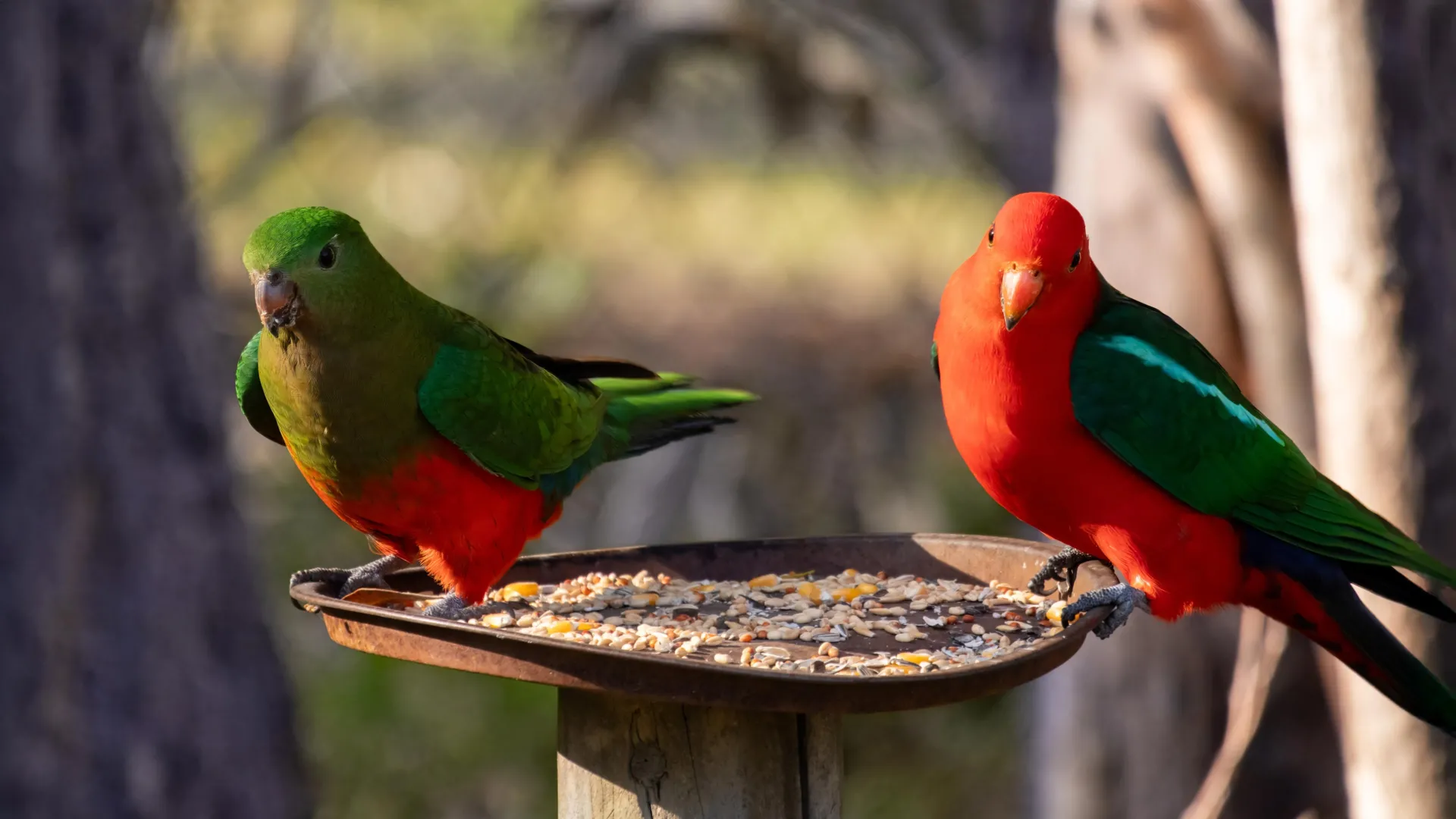
However, extensive ornithological research complicates this assumption. Long-term studies examining the diets of suburban birds frequenting garden feeders indicate that the overwhelming majority of these avian visitors derive the vast majority of their daily nutritional requirements from natural landscape sources, including native flora, insects, larvae, and soil invertebrates. The seeds, bread, and processed scraps provided by homeowners generally function as a high-calorie snack rather than an essential physiological lifeline.
Compounding the nutritional debate are longstanding concerns regarding the quality of food offered by well-meaning citizens. Unsuitable dietary items—ranging from processed bread to inappropriate seed mixtures—frequently lead to nutritional deficiencies, metabolic bone diseases, and developmental deformities in nestlings. More critically, when these nutritional practices are coupled with the acute threat of a circulating highly pathogenic virus, the net ecological balance of backyard feeding shifts decisively from benevolent assistance to severe biological hazard. Conservation scientists emphasize that while public empathy for wildlife is an invaluable asset for environmental protection, that same empathy must now be redirected toward practices that minimize unnatural congregation and disease propagation.
Official Responses and Interagency Biosecurity Directives
In response to the escalating H5N1 crisis, Australian biosecurity agencies, state departments of primary industries, and independent scientific bodies such as the Biodiversity Council have mobilized coordinated public awareness campaigns. Government veterinarians and wildlife health networks have issued strict surveillance protocols, urging citizens to remain vigilant and report any unusual wildlife behavior or mass mortality events immediately through dedicated channels, such as the Emergency Animal Disease Hotline.
Official guidelines stress that while human infections with the current H5N1 strain remain exceedingly rare and typically manifest with mild symptoms, the potential for viral mutation or sustained human exposure necessitates extreme caution. Wildlife carers, veterinary professionals, and members of the public are explicitly instructed never to handle sick or deceased wild birds or marine mammals without appropriate personal protective equipment (PPE). Authorities recommend maintaining a safe visual distance, recording precise GPS locations, securing domestic pets indoors to prevent predatory contact with infected carcasses, and notifying state biosecurity officers rather than attempting independent rescue or disposal efforts.
Furthermore, leading conservation organizations have outlined pragmatic mitigation strategies for households determined to continue interacting with local wildlife, while simultaneously reiterating that the most scientifically robust defense remains the complete cessation of supplementary feeding.
Practical Mitigation Strategies for Property Owners
For citizens unwilling or unable to immediately cease backyard bird feeding entirely, wildlife epidemiologists and avian health experts have established rigorous risk-reduction protocols designed to interrupt potential viral transmission chains. These guidelines draw parallels to public health measures deployed during recent human pandemics, focusing on social distancing and rigorous hygiene:
- Substantially Reduce Food Volume: Maintaining overflowing feeders loaded with seeds, grains, and meat scraps artificially maximizes bird density. By drastically scaling back the quantity of food offered, homeowners can diminish the drawing power of the station, causing visiting birds to disperse naturally across the broader landscape and thereby lowering the probability of direct H5N1 transmission between flocks.
- Strictly Prohibit Hand-Feeding: The practice of coaxing wild birds to land on human hands or shoulders represents an exceptionally intimate interaction that must be suspended during an active avian influenza outbreak. Even though human contraction of H5N1 remains statistically low, direct physical contact eliminates the natural biological barrier between human mucous membranes and potentially infectious avian respiratory secretions, saliva, or fecal matter.
- Enforce Rigorous Sanitation Protocols: If feeding equipment is maintained, it must be subjected to uncompromising daily sanitization routines utilizing standard domestic bleach solutions and thorough thermal rinsing. Experts note that individuals unprepared to commit to meticulous, daily disinfection of all feeding surfaces, trays, and surrounding soil zones should discontinue the practice immediately, as neglected feeders rapidly become toxic reservoirs for numerous avian pathogens.
Broader Implications and Future Outlook
The intersection of suburban wildlife feeding and the emergence of H5N1 in Australia serves as a critical stress test for the nation’s biosecurity preparedness and wildlife management frameworks. As the virus continues to circulate through wild bird populations and makes tentative incursions into native mammalian species, the decisions made by individual property owners will play a measurable role in shaping the epidemiological trajectory of the outbreak.
The challenge highlights a broader philosophical shift required in human-wildlife interactions within urbanizing landscapes. While suburban green spaces and gardens can function as vital refuges for biodiversity, they must be managed with an acute awareness of ecological and epidemiological realities. Mitigating the risks of wildlife diseases requires moving past well-intentioned anthropomorphic impulses toward science-based stewardship that prioritizes the long-term health and resilience of native populations over immediate recreational gratification.
Ultimately, whether Australians choose to permanently retire their backyard bird feeders or strictly adopt the stringent biosecurity precautions mandated by current veterinary science, the overarching objective remains clear. Protecting the nation’s unique avian and mammalian fauna from the catastrophic potential of H5N1 requires a collective, disciplined community response—ensuring that our enduring love for Australian wildlife is expressed through protective caution rather than practices that inadvertently place them in harm’s way.
