

Across the sprawling expanse of the Amazon Basin, an intricate and interconnected web of thousands of rivers, winding streams, and seasonal floodplain lakes supports the most diverse assemblage of freshwater fishes on the planet. To date, scientific documentation has recorded more than 2,700 distinct species inhabiting these tropical waters, with dozens of additional species cataloged annually as researchers push further into remote tributaries. Yet, beneath the surface of this vast aquatic labyrinth lies a hidden crisis. A landmark new publication, the Amazon Forgotten Fishes report, brings to light the complex life histories, ecological roles, and severe vulnerabilities of these aquatic organisms, while underscoring their irreplaceable importance to human societies and Indigenous communities across South America.
The report arrives at a critical juncture for environmental conservation. While marine ecosystems and terrestrial rainforests frequently dominate global headlines, freshwater biodiversity—particularly within the Amazon—has historically suffered from an invisible crisis. Two-thirds of the freshwater fish species found in the Amazon Basin are endemic, meaning they exist nowhere else on Earth. This high degree of endemism makes the region an irreplaceable epicenter of global biodiversity, but it also renders its aquatic fauna exceptionally fragile in the face of rapid environmental change and industrial expansion.
The Ecological Architecture of the Amazon Basin
The significance of Amazonian fishes extends far beyond mere species counts; they serve as fundamental architects of the basin’s ecological health. Many iconic species undertake extensive seasonal migrations, swimming out of deep river channels and into seasonally flooded forests during the high-water period. As they feed heavily on fallen fruits, seeds, and forest detritus, these migratory fishes act as vital seed dispersal agents, carrying genetic material across vast terrestrial expanses and assisting in the natural regeneration of vital tree cover.
Simultaneously, stationary and migratory species alike function as mobile nutrient pumps. By cycling organic matter through the water column, they regulate primary aquatic production and sustain complex food webs that support apex aquatic predators, large river mammals, and avian species.

These same natural mechanisms that preserve ecological integrity also underpin human socio-economic well-being across the nine nations sharing the basin. For millions of residents, particularly low-income rural and urban households, fish represent the most affordable, accessible, and reliable source of animal protein, providing essential micronutrients critical for child development and community health. Beyond subsistence and commercial fisheries, the basin increasingly relies on sustainable sport fishing and ecotourism. Well-managed catch-and-release tourist operations have demonstrated that recreational fishing can generate substantial local revenue—potentially eclipsing the economic yields of commercial harvesting in the same water bodies within a fraction of the time. However, realizing the full potential of these alternative economic models requires careful, proactive management to ensure that local communities retain equitable shares of the financial benefits.
A Legacy of Exploitation and Growing Threats
Despite their ecological and socio-economic value, the freshwater systems of the Amazon have endured decades of cumulative degradation driven by anthropogenic pressures. According to the International Union for Conservation of Nature (IUCN) Red List of Threatened Species, 144 Amazonian fish species are formally categorized as threatened with extinction. Compounding this alarming statistic, an additional 334 species are currently listed as Data Deficient, indicating that scientific monitoring has lagged so far behind environmental degradation that researchers lack sufficient information to determine their survival status.
Conservation scientists warn that the true number of imperiled species is undoubtedly much higher. Persistent geographic and institutional gaps in national record-keeping, combined with historical deficiencies in cross-border scientific collaboration, have created critical blind spots that hinder effective management and policy formulation.
The primary drivers of this crisis are deeply rooted in human development patterns across the basin. Large-scale infrastructure projects, including the construction of hydroelectric dams, river channelization, and water diversions, have fundamentally altered hydrological regimes. By fragmenting river connectivity and smoothing out natural flood pulses, dams disrupt the physical and biological cues that govern fish migration, spawning, and behavioral patterns.
Simultaneously, rampant deforestation driven by agricultural expansion, cattle ranching, and road building destroys the vital riparian zones that connect terrestrial and aquatic ecosystems. Loss of forest cover starves fruit-eating fish species of crucial food sources while introducing massive sediment loads into waterways. These high turbidity levels choke aquatic habitats, obscure light penetration, and clog the delicate gills of native species.
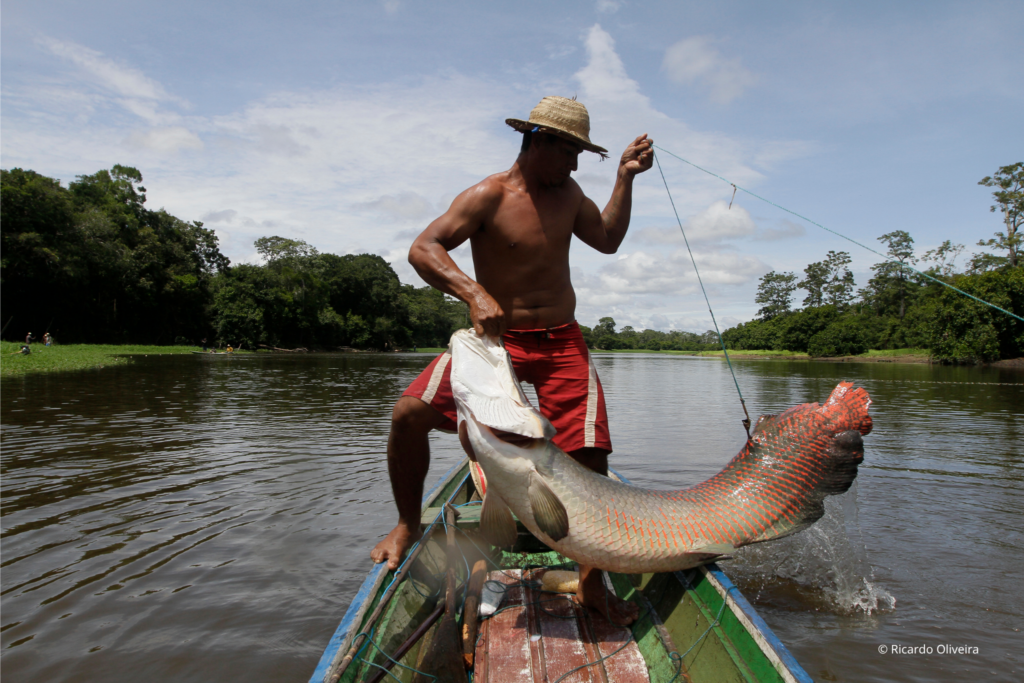
Industrial activities introduce additional, highly toxic hazards. Chemical pollution stemming from unregulated gold mining, illegal mercury usage, and oil extraction severely impairs fish feeding habits, reproductive success, and overall survival rates. These heavy metals and chemical contaminants bioaccumulate within the aquatic food chain, presenting direct long-term health risks to human populations that consume fish regularly. Compounding these pressures, commercial overfishing—unabated since the 1970s—continues to deplete target populations in the absence of robust enforcement and monitoring frameworks.
The Amplifying Crisis of Climate Change
Intersecting with these localized and regional threats is the escalating force of global climate change. Scientific projections through the year 2050 indicate that the Amazon Basin will experience sustained temperature increases alongside severe disruptions to historical precipitation and river flow regimes.
As global temperatures rise, prolonged and intensified droughts are projected to reduce water volume across major Amazonian tributaries, particularly during the dry season. Such reductions in aquatic habitat severely compress fish populations into shrinking pools, escalating competition, lowering dissolved oxygen levels, and making them exceptionally vulnerable to overexploitation and disease. Floodplain-dependent species, which rely heavily on predictable annual inundation cycles for feeding and reproduction, face particularly severe demographic bottlenecks under these shifting climatic conditions.
Toward a Unified Transboundary Governance Framework
Faced with this convergence of threats, environmental experts emphasize that the situation is far from hopeless. Solutions already exist, rooted in established international frameworks such as the global Emergency Recovery Plan for Freshwater Ecosystems. Tailoring these principles to the Amazon Basin requires a fundamental departure from isolated, nation-centric conservation strategies.
Because water, sediment, nutrients, and migratory fish populations recognize no political boundaries, safeguarding the basin demands an unprecedented level of transboundary collaboration. Effective stewardship requires cohesive, basin-wide governance structures in which national governments work in close partnership with academic institutions, the private sector, civil society organizations, and local stakeholders.
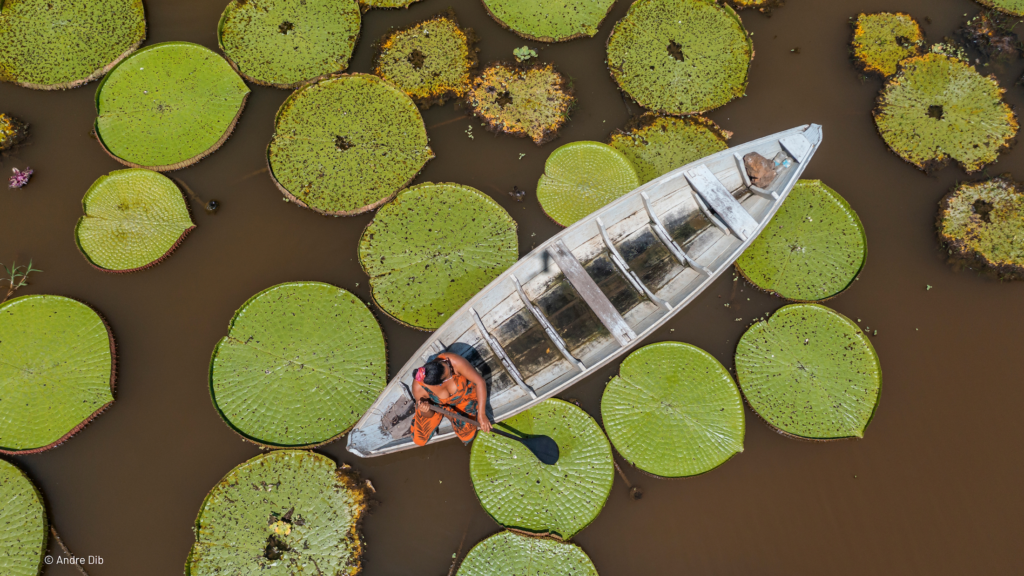
Crucially, the report highlights that Indigenous Peoples and local communities must occupy a central leadership role in these conservation efforts. For generations, these communities have successfully managed localized aquatic resources through ancestral stewardship and sophisticated traditional ecological knowledge. Formalizing and integrating this traditional expertise with modern scientific research significantly enhances the capacity of regional management frameworks to adapt to rapidly changing environmental conditions.
Ultimately, the Amazon Forgotten Fishes report serves as a stark reminder that the future of the basin’s aquatic biodiversity depends entirely on humanity’s ability to perceive the river network as the scientists and fishes do: as a single, indivisible, and flowing entity. By uniting ancestral wisdom with rigorous modern science, strengthening international cooperation, and proactively managing cumulative industrial impacts, regional authorities and global partners can secure a resilient future for the Amazon’s remarkable freshwater ecosystems.
