
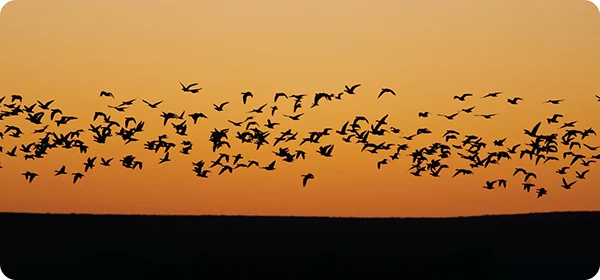
As the Northern Hemisphere pivots away from the balmy days of summer toward the brisk climate of autumn, ecosystems undergo a profound metamorphosis. September marks a critical juncture in the annual calendar, characterized by shifts in climate, human activity, and natural flora. While humans adjust to changing school schedules and cooler evenings, North America’s avifauna faces a much more demanding transition. For wild birds, autumn is a period of intense physiological overhaul defined by two massive biological undertakings: molting and long-distance migration. During this demanding season, backyard conservationists and ornithological experts emphasize that targeted human intervention through proper feeding can mean the difference between survival and failure for migratory and resident bird species alike.
The Biological Pressures of Autumn: Molting and Feather Regeneration
The transition from summer to autumn initiates a vital biological process for birds: the annual molt. Having concluded their intensive parental duties—raising broods, foraging continuously, and defending territories—adult birds turn their biological energy inward. Throughout the spring and summer breeding seasons, a bird’s plumage suffers considerable wear and tear. Feathers are subjected to relentless friction against branches, dirt, and nesting materials, while constant exposure to ultraviolet radiation degrades their structural integrity.
To prepare for the harsh conditions of winter or the grueling physical demands of southward migration, birds must shed their old, frayed feathers and grow an entirely new set of plumage. This new coat is not merely cosmetic; it is essential for survival. Strong, intact feathers provide aerodynamic efficiency required for sustained flight and form a dense thermal barrier against plummeting temperatures and moisture.
However, the mechanics of growing an entire body of new feathers impose an extraordinary metabolic toll. Feathers are composed almost entirely of keratin, a specialized fibrous protein. Consequently, during a typical four- to eight-week molting period, a bird’s dietary requirement for protein skyrockets. Furthermore, the cellular division and tissue synthesis required to generate thousands of individual feathers demand vast amounts of metabolic energy. Birds must simultaneously cope with reduced flight efficiency while expending maximum energy to forage for the building blocks of their new plumage.
The Marathon of Migration: Doubling Body Weight in Weeks
Compounding the physiological stress of the molt is the impending challenge of migration. As day lengths shorten—a phenomenon known scientifically as photoperiodism—birds experience internal hormonal shifts that trigger restlessness, often referred to by the German term Zugunruhe (migratory restlessness). This innate urge signals that it is time to embark on journeys that can span thousands of miles from northern breeding grounds to southern wintering habitats.
Migration is widely considered one of the most energetically expensive activities in the animal kingdom. Small songbirds, shorebirds, and raptors must navigate complex geographical routes, often crossing vast ecological barriers such as oceans, deserts, and mountain ranges. To fuel these non-stop journeys, many migratory species must engage in hyperphagia—a period of intensive, excessive eating designed to pack on massive amounts of body fat.
Incredible as it may seem, numerous small songbird species are capable of doubling their total body weight in just two to three weeks leading up to departure. Fat is the ideal fuel for migration; it yields more than twice the metabolic energy per gram compared to carbohydrates or proteins and serves as a lightweight, compact energy reserve. To achieve this exponential weight gain, birds must consume high-calorie foods at an unprecedented rate, leaving virtually no room for nutritional error.

Nutritional Imperatives and the Role of Backyard Habitats
Given that both molting and hyperphagia occur simultaneously or in rapid succession during late summer and early autumn, the nutritional demands placed on wild birds are at their annual peak. In natural settings, this period coincides with a shift in native flora. Summer wildflowers transition into seed heads, and trees begin producing energy-rich berries and nuts.
However, modern suburban and urban landscapes often lack the concentrated food sources that birds require to meet these extreme metabolic quotas. Habitat fragmentation, urbanization, and the removal of native brush can leave migrating and resident birds struggling to secure adequate resources. This ecological deficit creates a critical opportunity for backyard naturalists and wildlife enthusiasts.
Ornithological and backyard bird-feeding experts note that supplementing natural food sources with high-lipid and high-protein feeds during September and October provides a vital lifeline. Because the primary physiological currency required during this window is protein for feather synthesis and fats for migratory fuel, standard or low-grade seed mixes are often insufficient. Experts recommend a targeted approach to backyard feeding that focuses on nutrient-dense options.
Recommended Feeder Offerings for the Autumn Transition
To effectively support birds through the trials of autumn, wildlife feeding specialists recommend incorporating specific high-energy foods into backyard setups:
- High-Protein and High-Fat Seed Blends: Premium formulations designed with elevated nutrient profiles cater directly to the metabolic demands of molting and hyperphagia.
- Peanuts: Rich in both natural oils and dense plant proteins, peanuts are quickly utilized by a wide variety of birds seeking rapid caloric intake.
- Nyjer® Seed: Particularly favored by finches, this oil-rich seed provides essential fatty acids necessary for sustained energy.
- Sunflower Chips: Stripped of their heavy outer shells, sunflower chips allow birds to consume pure, high-calorie meat with minimal energy expenditure.
- Suet and Bark Butter® Products: Rendered animal fats combined with various proteins, insects, and seeds offer unmatched caloric density, making them indispensable as temperatures begin to cool.
By strategically deploying these specialized feeds, backyard observers not only assist local wildlife through a punishing biological bottleneck but also enhance their own opportunities for wildlife observation. As local and migrating birds discover these reliable nutritional stations, feeding stations experience increased activity, offering front-row seats to the seasonal transformations of the natural world.
Broader Ecological Implications and Expert Outreach
The challenges faced by avifauna during the autumn transition extend far beyond individual backyards, highlighting broader ecological trends. Conservation biologists emphasize that successful migration and molting are foundational to maintaining stable bird populations across North America. Environmental pressures—including climate change, which can disrupt the delicate timing between insect emergence, floral seed production, and migratory cues—make the autumn period increasingly precarious for many species.
Organizations such as Wild Birds Unlimited (WBU) have expanded educational outreach to help the public understand these complex natural cycles. Through multimedia platforms like the Nature Centered Podcast, hosted by avian and nature experts, conservationists break down the science of seasonal transitions. Episodes dedicated to the "Basics of Transition" explore how everyday citizens can optimize their outdoor spaces to foster biodiversity, support ecological health, and connect more deeply with local wildlife.
Ultimately, the trials of autumn serve as a reminder of the resilience required in the natural world. While changes can be tough for the birds navigating the rigorous demands of new feathers and long-distance flights, the deliberate stewardship of backyard habitats provides a crucial buffer, ensuring that the skies remain vibrant and resilient for generations to come.
