
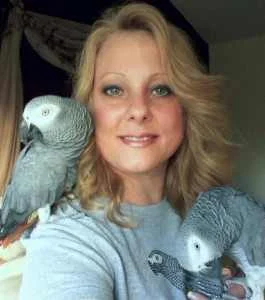
The American Federation of Aviculture (AFA) recently concluded its 52nd Annual Educational Conference in St. Louis, Missouri, a landmark event that serves as the cornerstone for avian science, conservation, and husbandry practices in North America. To provide a comprehensive review of the proceedings, Lafeber’s designated roving reporter, Lisa Bono, CPBC, is set to host a specialized webinar on Friday, September 4, 2026, at 12:00 p.m. PDT. This session, which serves as the latest installment of the popular series "The Grey Way," aims to bridge the gap between conference attendees and the wider community of avian enthusiasts, professionals, and conservationists who could not be present in St. Louis.
The Significance of the AFA Annual Conference
The American Federation of Aviculture has long functioned as the primary umbrella organization for bird enthusiasts across the United States. Founded in 1974, the AFA was established with a mandate to promote the advancement of aviculture through educational programs, research initiatives, and advocacy. Over the past five decades, the organization has evolved from a small collective of hobbyists into a sophisticated entity that balances the ethical concerns of animal welfare with the scientific rigor of species conservation.
The 52nd annual gathering in St. Louis focused on the critical intersection of modern veterinary medicine, environmental sustainability, and the management of endangered psittacine species. By bringing together a diverse cohort of researchers, breeders, and veterinarians, the conference serves as a diagnostic tool for the health of the industry, identifying emerging trends in avian health and regulatory challenges.
Chronology of the 2026 Event
The conference program in St. Louis was characterized by a multi-day itinerary designed to maximize knowledge transfer. Day one typically focuses on legislative updates, where AFA leadership provides briefings on shifting state and federal regulations regarding the ownership and transport of exotic avian species. The following days are usually reserved for specialized workshops.
This year’s event featured panel discussions on the impact of habitat loss on wild populations and the role of private aviculture in sustaining genetic diversity for species currently facing extinction. Lisa Bono’s role as a roving reporter involved documenting these sessions, conducting interviews with keynote speakers, and capturing the informal exchange of ideas that occurs in the exhibit halls. Her upcoming webinar will serve as a distillation of these events, organizing the dense information of a multi-day conference into a structured, accessible format for the public.
Supporting Data and Avian Trends
Current data suggests that interest in responsible aviculture is experiencing a shift. Recent census reports from the American Pet Products Association (APPA) indicate that while the total number of pet birds has remained relatively stable, the demographic of owners is shifting toward younger, more conservation-minded individuals. This cohort prioritizes sustainable breeding practices and evidence-based nutrition—two topics that were heavily emphasized during the AFA sessions.
Furthermore, the integration of technology in avian care has accelerated. Research presented at the St. Louis conference highlighted the efficacy of remote monitoring systems and improved dietary formulations, which have contributed to an increase in the average lifespan of many common household species, such as African Grey parrots and Cockatoos. The AFA’s emphasis on "science-based husbandry" is a direct response to the increasing demand for high-quality, long-term care standards, as stakeholders seek to move away from outdated, anecdotal practices.
Insights from Lisa Bono
Lisa Bono, a Certified Professional Bird Consultant (CPBC), has established herself as a trusted voice in the community. Her methodology involves "embedded reporting," where she acts as an extension of the audience, asking the questions that everyday bird owners would pose if they had direct access to the world’s leading avian experts. By focusing on the personal narratives and the human element behind the science, Bono’s reports provide a unique perspective that technical journals often overlook.
In her upcoming webinar, Bono is expected to provide an analysis of the "behind-the-scenes" culture of the conference. This includes the collaborative efforts between zoos and private breeders, a relationship that has often been historically strained but is now increasingly recognized as vital for the survival of certain species. Observers expect that her presentation will clarify how these partnerships work in practice and what they mean for the future of avian conservation in North America.
Implications for the Future of Aviculture
The implications of the 2026 AFA conference extend far beyond the exhibit halls of St. Louis. As regulatory pressure on the exotic pet trade intensifies, the role of educational organizations becomes paramount. The AFA is increasingly positioning itself as a regulatory partner, working to ensure that the hobbyist community is compliant with global standards like the Convention on International Trade in Endangered Species of Wild Fauna and Flora (CITES).
The webinar will likely touch upon these high-level policy discussions, providing viewers with an understanding of how international law filters down to the individual owner. By demystifying these complex bureaucratic processes, the AFA hopes to empower owners to become active participants in the preservation of their birds, rather than passive bystanders. This shift toward "active advocacy" is perhaps the most significant outcome of this year’s gathering.
Addressing Emerging Challenges
One of the most pressing topics addressed in St. Louis was the rise of avian health issues related to nutrition and environmental pollutants. Veterinary panels during the conference discussed the correlation between specific dietary deficiencies and common behavioral problems, such as feather plucking and chronic stress. Bono’s recap will synthesize these findings into actionable advice, allowing those at home to improve the quality of life for their birds immediately.
The logistical challenge of hosting such a massive event in the current economic climate also drew attention. With inflation affecting the cost of feed, specialized medical care, and travel, the AFA has had to innovate its delivery of information. The transition to hybrid models, where conferences are supported by follow-up digital seminars like the one scheduled for September 4th, represents a strategic move to maintain engagement without requiring every participant to commit to the high costs of travel.
Official Perspectives and Community Response
While the AFA has yet to release its full post-conference report, preliminary statements from the board of directors suggest that the 52nd annual meeting was one of the most successful in terms of attendance and diversity of topics. The emphasis on "professionalizing the hobby" has been met with a positive reception from the veterinary community, which views the AFA as a key partner in improving welfare standards across the board.
For the average attendee, the value of the conference lies in the sense of community. The isolation often felt by bird owners—who may be the only ones in their local area with a deep interest in avian science—is mitigated by these gatherings. Bono’s webinar aims to recreate this sense of camaraderie, utilizing digital tools to connect people who share a common interest in the health and longevity of their avian companions.
How to Participate
The webinar, hosted by Lafeber, is free to the public, though registration is required. Prospective attendees are encouraged to utilize the provided time zone converter to ensure they do not miss the start of the session, as the content will be delivered live to allow for real-time interaction. Participants will have the opportunity to engage with Bono during a Q&A segment, providing a unique chance to get direct answers to questions that may have been raised by the conference’s findings.
As the industry looks toward the next year, the importance of these digital touchpoints cannot be overstated. By aggregating the findings of the AFA conference into a single, cohesive presentation, Lisa Bono and the team at Lafeber are providing a vital service that ensures the lessons learned in St. Louis are translated into real-world benefits for pet birds and their owners everywhere. Whether one is a seasoned breeder, a veterinarian, or a dedicated pet owner, the September 4th webinar promises to be a definitive summary of the current state of aviculture.
