
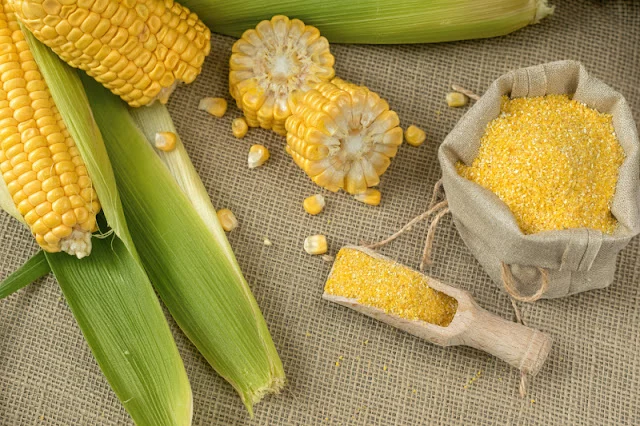
The debate surrounding the inclusion of corn in the diet of backyard chickens has persisted for decades, often leaving poultry enthusiasts caught between traditional feeding practices and modern veterinary recommendations. While corn is one of the most widely available and cost-effective agricultural commodities globally, its application in avian husbandry requires a nuanced understanding of thermodynamics, seasonal metabolism, and nutritional composition. To determine whether corn is an appropriate dietary component, one must differentiate between the physiological impacts of dried grain versus fresh, high-moisture corn, and how these interact with the varying environmental demands placed on domestic flocks.

The Thermodynamics of Avian Digestion and Seasonal Metabolism
The central point of contention regarding corn in chicken feed lies in the caloric density and the metabolic process of digestion. When chickens consume dried whole or cracked corn, their bodies undergo a process known as thermogenesis. Digestion is an exothermic process, meaning it generates heat as the body breaks down complex carbohydrates and fibers.
In the winter months, when ambient temperatures drop, this internal heat production is a critical survival mechanism. As chickens digest corn overnight, their metabolic rate increases, effectively acting as an internal furnace to combat cold stress. Conversely, during the summer, this same process can be detrimental. When a bird is already struggling to maintain homeostasis in high heat, the added metabolic load of digesting heavy, complex carbohydrates can exacerbate heat stress, potentially leading to dehydration or heatstroke.

Historically, poultry farmers in the early 20th century relied heavily on "scratch" mixes—a blend primarily composed of cracked corn—to keep flocks productive during harsh winters. However, as poultry science has evolved, researchers have noted that while corn provides sustained energy, it lacks the complete amino acid profile, vitamin density, and mineral balance found in commercial laying rations. Consequently, the consensus among agricultural extension offices is that corn should be treated as a supplement rather than a staple.
Nutritional Profile and Dietary Implications
Corn is classified as a cereal grain and serves as a significant source of carbohydrates, specifically starch. A standard nutritional breakdown of yellow dent corn indicates that it is composed of approximately 70-75% starch, 8-10% protein, and 4% fat. While it does offer essential micronutrients, including niacin, phosphorus, potassium, and trace amounts of vitamins B6 and C, it is deficient in methionine and lysine—two amino acids vital for feather development and egg production.

From a physiological standpoint, the high fiber content of corn aids in gut motility; however, the high glycemic index associated with its starch content can lead to rapid fat accumulation if provided in excess. In backyard settings, over-reliance on corn often results in "fatty liver hemorrhagic syndrome," a condition where the liver becomes overwhelmed by lipid deposits, leading to decreased egg production and increased mortality rates among heavier breeds.
Chronology of Dietary Recommendations
The evolution of backyard chicken keeping has seen a shift in feeding philosophy over the last twenty years:

- 2000–2010: The rise of the "backyard movement" saw a surge in anecdotal feeding practices. During this period, corn was ubiquitously fed as a primary feed, often leading to nutrient deficiencies that were later addressed by the introduction of specialized, balanced pelleted feeds.
- 2010–2018: Increased access to poultry nutrition data led to the "moderation mandate." Educators began warning against the summer use of corn, citing the metabolic heat factor, and emphasizing the use of high-moisture alternatives.
- 2019–Present: Modern best practices prioritize a tiered approach. Corn is now formally categorized as a seasonal "energy treat" to be used strategically in winter and avoided or strictly limited during peak summer heatwaves.
The Case for Fresh Corn and Byproducts
While dried corn is energy-dense, fresh corn—harvested at the "milk" stage—offers a different nutritional profile. Fresh corn contains a higher percentage of water, which is beneficial for hydration. Furthermore, the inclusion of corn husks and silks has gained support from veterinary nutritionists. Corn silk, in particular, has been studied for its potential as a natural diuretic and anti-inflammatory agent. It is rich in flavonoids and saponins, which may assist in managing blood pressure and cholesterol levels in poultry, mirroring its historical use in traditional herbal medicine for humans.
When providing fresh corn on the cob, owners are advised to ensure the produce is free from synthetic pesticides or herbicides. Furthermore, the physical act of pecking at a cob provides "environmental enrichment," which is vital for reducing stress-related behaviors such as feather pecking or cannibalism in confined flocks.

Comparative Analysis: Dried vs. Fresh
| Feature | Dried Corn (Whole/Cracked) | Fresh Corn (On/Off Cob) |
|---|---|---|
| Metabolic Heat | High (Ideal for Winter) | Moderate |
| Moisture Content | Low | High |
| Primary Use | Evening energy source | Summer treat/Foraging exercise |
| Fiber Level | High | Moderate |
| Nutritional Benefit | Sustained energy | Antioxidants/Vitamins |
Broader Impact and Industry Standards
Industry experts and avian veterinarians suggest that the total intake of supplemental grains, including corn, should not exceed 10% of a chicken’s total daily caloric intake. The remaining 90% should consistently come from a balanced, nutritionally complete layer feed. Failure to adhere to this ratio often results in "nutritional dilution," where the bird fills its crop with corn, satisfying its hunger while failing to ingest the calcium and protein necessary for shell formation and tissue repair.
Furthermore, the environmental impact of corn production—specifically the use of genetically modified (GMO) varieties—has led some keepers to seek organic, non-GMO alternatives. While the nutritional content remains similar between standard and organic corn, the reduction in chemical residue is a primary driver for the modern health-conscious poultry keeper.

Expert Guidance for Flock Management
To maintain a healthy flock, keepers are encouraged to follow a strict seasonal protocol:
- Winter Strategy: Introduce cracked corn in the late afternoon. The energy boost provided by the grain will allow the birds to maintain body temperature throughout the night. It is essential to ensure that this is served as a supplement to their primary feed, not a replacement.
- Summer Strategy: Cease the distribution of dried grains during extreme heat. If offering corn, choose fresh kernels or offer the cob as a treat only during the cooler morning hours. Ensure that fresh, cool water is always available, as increased fiber intake necessitates higher water consumption for proper digestion.
- General Health Monitoring: Regularly assess the body condition of the flock. If birds are becoming lethargic or showing signs of obesity, the first step is to reduce the volume of corn and other high-carbohydrate treats.
In conclusion, the controversy surrounding corn is largely a matter of application rather than inherent toxicity. When used with an understanding of avian metabolism, corn serves as a valuable tool for seasonal management. By respecting the biological limitations of the chicken and prioritizing a balanced nutritional baseline, backyard keepers can safely incorporate this staple grain into their flock’s diet, ensuring both health and productivity throughout the changing seasons.
