
Nutritional Composition and Biological Benefits
The efficacy of watermelon as a poultry supplement is rooted in its high water content, which typically exceeds 90 percent. For chickens, which lack sweat glands, thermoregulation is primarily achieved through panting and the radiation of heat through their combs and wattles. During extreme heat events, the risk of dehydration and metabolic imbalance increases significantly. Providing a water-dense fruit like watermelon offers a dual-action benefit: it provides necessary fluid intake while encouraging foraging behavior, which can reduce stress-related aggression within a flock.
Beyond hydration, the fruit serves as a complex nutritional profile. Laboratory analyses of the Citrullus lanatus fruit indicate the presence of essential micronutrients including Vitamin A, which supports immune function and vision; Vitamin B6, vital for metabolic processes; and Vitamin C, an antioxidant that has been shown in various avian studies to mitigate the negative effects of heat stress by lowering plasma corticosterone levels. Furthermore, the presence of magnesium and potassium aids in electrolyte balance, preventing the common pitfalls of heat-induced mineral depletion in poultry.
The Role of Cucurbitacin in Avian Health
One of the most notable features of the watermelon—specifically the rind and the seeds—is the presence of cucurbitacins. These are bitter, oxygenated tetracyclic triterpenes naturally produced by plants in the Cucurbitaceae family, which includes cucumbers, pumpkins, and squash. In the context of veterinary poultry care, cucurbitacins have been long recognized by traditional practitioners and increasingly studied for their anthelmintic (anti-parasitic) properties.

While not a substitute for clinical veterinary intervention in the case of severe parasitic infestations, the regular consumption of cucurbitacin-rich rinds acts as a prophylactic measure. It disrupts the life cycle of common intestinal worms, contributing to a more robust digestive tract. This natural approach aligns with the growing trend toward holistic, low-intervention poultry management that seeks to minimize the use of synthetic chemical dewormers.
Antioxidant Profiles and Egg Quality
The nutritional impact of watermelon extends to the end product of the backyard flock: the egg. Watermelon is a primary dietary source of lycopene, a potent carotenoid antioxidant. Research into poultry nutrition has established a direct correlation between the intake of carotenoids and the pigmentation of egg yolks. When chickens consume high levels of these pigments, the resulting yolks exhibit a richer, deeper orange hue, which is often interpreted by consumers as a marker of nutritional density.
Furthermore, the antioxidant properties of lycopene are critical in neutralizing free radicals within the bird’s body. Oxidative stress is a major contributor to chronic illness in high-production or aging hens. By incorporating lycopene-rich foods into their diet, owners are effectively providing a biological buffer against oxidative damage, potentially lowering the incidence of systemic inflammation and improving overall longevity.
Historical Context and Modern Management
The practice of feeding garden surplus to poultry is a historical staple of rural agriculture, but it has undergone a transformation as backyard chicken keeping has moved from a strictly utilitarian rural pursuit to a suburban hobbyist trend. Throughout the 20th century, farmers utilized "kitchen scraps" as a primary method of waste reduction and feed supplementation. However, modern scientific literature has refined these practices.

In the 1990s and early 2000s, as the backyard movement gained momentum, the focus shifted from simple waste disposal to optimized avian nutrition. Organizations focused on small-scale livestock have since conducted observational studies to determine the safety and efficacy of various human foods for birds. Watermelon was identified early on as a "gold standard" treat due to its high water content and lack of toxic compounds—unlike items such as raw beans or potato peels, which contain harmful lectins or solanine.
Practical Implementation and Serving Strategies
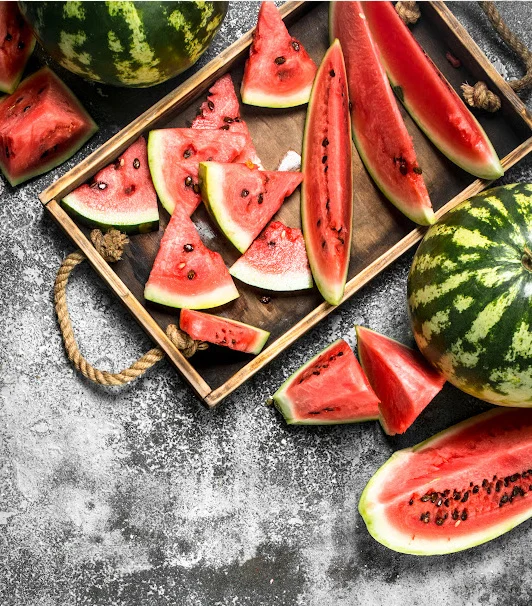
For the modern flock manager, the logistical application of this nutritional strategy is straightforward. Experts emphasize that the entire fruit—flesh, seeds, and rind—is safe for avian consumption. There is no biological necessity to remove the seeds, as they contain healthy fats and trace minerals that are easily processed by the avian gizzard.
Serving techniques have evolved to maximize the bird’s experience and ensure minimal waste. Simply halving the fruit allows chickens to peck at the flesh naturally, mimicking the scavenging behavior inherent to their biology. For larger flocks or during particularly scorching days, some managers utilize "slushy" methods—blending the fruit and freezing it—to provide a slow-melting, cooling treat that keeps birds occupied and hydrated for extended periods. This method also prevents the fruit from spoiling rapidly in the heat, which could otherwise attract unwanted pests.
Quantitative Data and Veterinary Perspectives
When analyzing the impact of dietary supplementation on poultry, veterinarians often look at egg production consistency and flock mortality rates during peak summer months. Data suggests that flocks provided with supplemental hydration via fruit and vegetable intake maintain a more stable body temperature compared to those relying solely on stagnant water sources.

While an exact "dosage" of watermelon is not strictly defined in veterinary texts, the general consensus among poultry scientists is that treats should constitute no more than 10 percent of a bird’s total daily caloric intake. This ensures that the primary, nutritionally balanced feed—which contains the necessary proteins and calcium required for eggshell formation—remains the foundation of the bird’s diet. Over-supplementation, even with healthy items, can lead to a dilution of protein intake, potentially resulting in softer eggshells or reduced laying frequency.
Broader Implications for Poultry Welfare
The integration of watermelon into the diet of backyard flocks represents a broader shift toward welfare-centric husbandry. By providing enrichment—the act of allowing the birds to peck at and consume varied, fresh food—owners reduce the incidence of feather picking and cannibalism, which are often manifestations of boredom or nutritional deficiency in confined settings.
As climate patterns continue to shift, bringing more frequent and intense heat waves to many regions, the importance of "cool-down" strategies becomes paramount. The use of watermelon is a scalable, cost-effective, and environmentally sustainable method for managing heat-related morbidity in small flocks. It serves as a reminder that the most effective solutions for animal welfare are often found in the synergy between agricultural tradition and contemporary nutritional science.
Conclusion and Future Outlook
The evidence supporting the use of watermelon as a summer supplement for chickens is comprehensive. From the immediate benefits of rehydration and thermoregulation to the long-term advantages of antioxidant intake and natural parasite control, the fruit offers a multifaceted boost to avian health. As the backyard poultry industry continues to mature, it is likely that such nutritional interventions will become standardized components of institutional and hobbyist best practices.

For the individual keeper, the message is clear: the simple act of providing a seasonal fruit can bridge the gap between basic survival and thriving health during the harshest months of the year. By understanding the biological benefits—the role of lycopene, the efficacy of cucurbitacin, and the vital nature of hydration—owners can ensure their flocks remain resilient, productive, and healthy through the summer cycle.
