
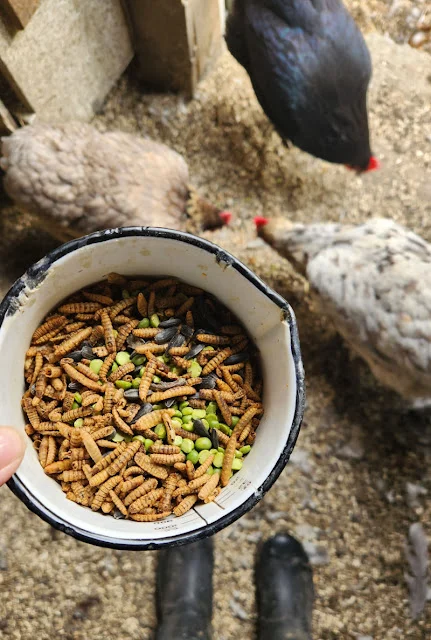
As the daylight hours shorten during the transition from late summer to autumn, backyard poultry keepers face a predictable but demanding biological event within their flocks: the annual molt. This physiological process, triggered by a reduction in photoperiod—the duration of daily exposure to light—serves as the catalyst for chickens and ducks to shed worn-out plumage and replace it with a fresh, insulating layer of feathers in preparation for the winter season. Understanding the nutritional requirements of birds during this time is critical for maintaining flock health and ensuring that the high metabolic cost of feather regrowth is met with sufficient dietary support.

The Biology of the Molt
Feathers are primarily composed of keratin, a fibrous structural protein that accounts for approximately 90% of a feather’s dry weight. When a bird enters a molt, its body redirects a significant portion of its nutritional resources toward the synthesis of these proteins. Research in avian physiology indicates that the molting process is not merely a cosmetic change; it is a period of heightened physiological stress. For commercial and backyard layers, this period typically results in a cessation of egg production, as the energy usually allocated to ovarian activity is redirected toward integumentary repair and the maintenance of body condition.
The duration of the molt varies significantly between individual birds and breeds, generally lasting anywhere from several weeks to several months. During this timeline, birds may appear bedraggled or patchy. While the primary driver is the shift in daylight, other factors such as nutritional deficiencies, parasite load, or sudden environmental stressors can also induce molting. Proper management during this window is essential to prevent the bird from entering the winter months in a weakened state, which could increase susceptibility to respiratory ailments or cold-induced stress.

Nutritional Shifts: Moving Beyond Summer Forage
During the peak of summer, poultry flocks often rely on foraging for green vegetation and insects, supplemented by kitchen scraps high in water content, such as watermelon or cucumbers. While these items provide hydration and essential vitamins during heat waves, they are insufficient for the protein demands of a molting bird. Poultry nutritionists emphasize that as the season turns, the diet must pivot toward higher density, high-protein feeds.
The transition from a maintenance diet to a high-protein regimen should ideally begin as soon as the first feathers are observed in the coop. Failure to provide adequate amino acids—specifically methionine and cystine, which are the building blocks of keratin—can lead to prolonged molting periods, poor feather quality, and an increased risk of cannibalism or feather pecking as the flock attempts to find protein elsewhere.

Essential Protein Sources for Molting Poultry
To bridge the nutritional gap during the autumn months, keepers should integrate specific, high-protein supplements into the daily ration. These additions are designed to mimic the natural dietary intake of birds in the wild while ensuring consistent quality.
1. Dried Insects and Larvae
In the warmer months, chickens fulfill their protein requirements by consuming earthworms, beetles, and crickets. As the ground freezes and insect populations decline, this natural source disappears. Dried black soldier fly larvae and mealworms serve as an excellent surrogate. These insects are rich in essential fatty acids and concentrated protein, providing a convenient and shelf-stable solution for the backyard keeper.

2. High-Protein Legumes
Peas, whether offered fresh, frozen, or in dried split form, are an overlooked nutritional powerhouse. Boasting a protein content of 25–30%, peas offer a plant-based alternative for those seeking to avoid animal byproducts. Furthermore, for those who keep mixed flocks including ducks, peas provide an additional benefit: they are an excellent source of niacin, a B-vitamin that is vital for the proper development of waterfowl.
3. Oilseeds for Metabolic Support
Black oil sunflower seeds are a staple in many poultry diets during the autumn. Beyond their protein content, these seeds are high in healthy fats, which provide the caloric density necessary for birds to maintain their body weight as they expend energy growing a new set of feathers. Maintaining a healthy body condition score is vital, as birds with lower body fat reserves are less capable of thermoregulation during extreme winter temperatures.

4. The Role of Eggs and Animal Proteins
Perhaps the most efficient, albeit sometimes debated, source of protein for poultry is the egg itself. Contrary to folklore, feeding cooked eggs to a flock does not encourage egg-eating behavior; rather, it provides a complete protein source that is easily digested and highly bioavailable. Scrambled, boiled, or raw, eggs supply the exact amino acid profile required to build new feathers. Additionally, other meat scraps—such as cooked turkey, beef, or pork trimmings—can be offered. These high-protein snacks are particularly effective at keeping the birds satiated and reducing stress-related behaviors.
5. Nut-Based Supplements
Unsalted nuts, such as peanuts, walnuts, and almonds, are high in protein and beneficial lipids. When purchasing these for a flock, it is imperative to avoid products with added sodium, as excess salt can lead to kidney issues in poultry. Many commercial birdseed mixes intended for woodpeckers contain a blend of nuts and dried fruit, which can be utilized as a nutrient-dense treat during the molting phase.

Environmental Enrichment and Natural Deworming
While protein is the primary focus of the autumn diet, keepers should not ignore the seasonal bounty of the fall garden. Pumpkins, squash, and carrots serve as excellent sources of beta-carotene and fiber. Notably, the seeds of pumpkins and squash are often cited in agricultural literature as possessing natural anthelmintic properties, which may assist in managing internal parasite loads during the transition into winter.
Encouraging the flock to consume the entirety of a pumpkin—flesh, skin, and seeds—provides both environmental enrichment and a health boost. This practice aligns with the philosophy of "whole-food" supplementation, where the objective is to provide a complex matrix of nutrients rather than relying solely on isolated synthetic supplements.

Broader Implications for Flock Management
The impact of a well-managed molt extends beyond the immediate autumn weeks. Birds that are properly supported through the molting process typically exhibit higher vigor and improved immunity when the harsh winter weather arrives. Conversely, a bird that enters the winter with a poor-quality plumage or insufficient body weight is at a significant disadvantage, often resulting in lower egg production in the following spring.
Veterinary professionals and animal welfare advocates generally agree that the modern backyard flock is a significant commitment that requires an understanding of the bird’s biological cycles. By tracking the timeline of the molt and responding with the appropriate nutritional adjustments, the average poultry keeper can prevent common deficiencies and ensure that the flock remains productive and healthy throughout the year.

Conclusion: A Proactive Approach
The annual molt is an inevitable milestone in the life of a chicken. Rather than viewing the loss of feathers as a temporary inconvenience, keepers should treat it as a critical window of opportunity to fortify the health of their birds. By prioritizing high-protein sources such as insects, legumes, and seeds, and by utilizing seasonal garden produce as a supportive tool, the poultry keeper plays an active role in the resilience of their flock. As the days grow short and the air cools, these intentional dietary choices ensure that when the winter snows arrive, the birds are well-equipped to thrive, protected by a dense, healthy coat of feathers and the internal health to endure the season.
