
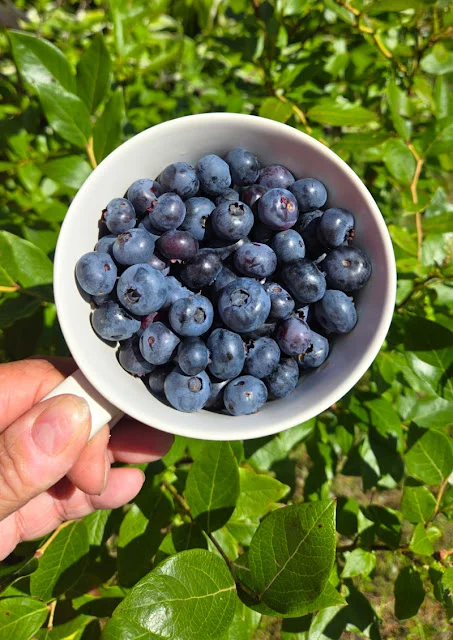
The inclusion of supplemental feed in the diets of backyard poultry has become a focal point for small-scale agriculturalists and hobbyists seeking to optimize flock health. Among the various dietary additions available, the blueberry—a member of the genus Vaccinium—has emerged as a scientifically supported superfood. As global interest in sustainable backyard poultry keeping continues to rise, understanding the nutritional profile and appropriate application of such treats is essential for maintaining bird welfare.
Nutritional Composition and Biological Benefits
Blueberries are dense in essential micronutrients that contribute to the physiological well-being of Gallus gallus domesticus. Research into avian nutrition indicates that these berries are rich in Vitamin C, which serves as a potent antioxidant, and Vitamin K, a critical component in the synthesis of proteins required for blood coagulation. Beyond these vitamins, blueberries provide a significant concentration of dietary fiber, which assists in maintaining regular gastrointestinal transit times.

The biological significance of blueberries extends to their high concentration of anthocyanins. These flavonoids, responsible for the deep pigmentation of the fruit, are known for their anti-inflammatory properties and their role in mitigating oxidative stress. By neutralizing free radicals, anthocyanins protect cardiovascular health and support the immune system, potentially reducing the susceptibility of birds to common pathogens. Furthermore, the presence of manganese and potassium supports skeletal development and neuromuscular function, respectively.
Chronology of Avian Dietary Evolution
The shift toward more diverse, nutrient-dense diets for poultry reflects a broader evolution in animal husbandry. Historically, backyard chickens were often maintained on a strictly commercial grain-based ration. However, data collected over the last two decades by agricultural extensions and small-farm researchers suggests that integrating fresh produce mimics the natural foraging behavior of ancestral fowl.
Beginning in the late 20th century, the surge in organic farming practices prompted a review of supplemental feeding. By 2010, observational studies by poultry science enthusiasts—such as those pioneered by agricultural researchers like Lisa Steele—began documenting the positive behavioral and health impacts of feeding berries to domestic birds. This transition from "scraps-only" feeding to "nutrient-focused" supplementation marks a significant milestone in modern backyard flock management.

Supporting Data on Dietary Ratios
Expert consensus dictates that while blueberries offer substantial health advantages, they should not serve as a primary food source. The prevailing standard in the industry, supported by nutritional guidelines for small flocks, is that supplemental treats should comprise no more than 10% of a chicken’s total caloric intake.
For an average-sized laying hen, this translates to approximately one to two tablespoons of blueberries per day. Overfeeding can lead to nutritional imbalances, as excessive fruit consumption may displace the protein and calcium-rich feed necessary for egg production and feather development. Proper rationing ensures that the bird benefits from the prebiotic qualities of the berries—which foster a healthy gut microbiome—without compromising the protein-to-carbohydrate ratio required for peak performance.
Analysis of Safety and Feeding Practices
From a safety perspective, the physical properties of blueberries necessitate specific management techniques. While the fruit is non-toxic and easily digestible, the spherical shape of the berry can present a potential choking hazard, particularly for smaller breeds or younger chicks.

To mitigate this risk, agricultural experts recommend a proactive approach:
- Slicing: Halving or quartering the berries for smaller birds prevents obstruction of the esophagus.
- Freshness: Providing only fresh, mold-free fruit is critical. Fungal growth on berries can introduce mycotoxins into the flock, which are notoriously difficult to treat and can lead to systemic organ failure.
- Environmental Integration: Scattering the fruit in a clean, dry area encourages natural foraging behavior, which is essential for the psychological stimulation of the birds.
Impact on Poultry Health and Industry Trends
The incorporation of blueberries into poultry diets aligns with the "farm-to-table" ethos that characterizes contemporary backyard agriculture. The broader implications of this practice include improved egg quality and enhanced immune resilience. Birds that receive a varied diet rich in antioxidants often show improved plumage quality and sustained egg production during periods of environmental stress, such as seasonal temperature fluctuations.
Furthermore, the integration of prebiotics found in berries supports the colonization of beneficial bacteria in the chicken’s digestive tract. This, in turn, may reduce the reliance on prophylactic antibiotic use, a practice that has come under increasing scrutiny in both commercial and backyard sectors. By fostering a naturally robust gut environment, owners can improve the overall hardiness of their flocks.

Official Guidelines and Best Practices
Industry leaders in the poultry sector consistently categorize blueberries as a "safe and healthy" treat, provided they are offered in moderation. The following table summarizes the key considerations for owners:
| Nutrient Category | Benefit to Poultry |
|---|---|
| Anthocyanins | Reduced inflammation; heart health |
| Vitamin C | Immune system support; stress reduction |
| Vitamin K | Essential for blood clotting and bone health |
| Prebiotics | Optimization of gut microbiome health |
Owners are encouraged to consult their local agricultural extension offices for specific guidance on supplemental feeding if they reside in regions where native wild berries may be confused with toxic varieties. While cultivated blueberries are universally recognized as safe, it is imperative to cross-reference any wild-foraged vegetation against verified toxicity lists to prevent accidental poisoning.
Broader Implications for Sustainable Agriculture
The rise in the popularity of backyard chickens has brought a wealth of knowledge to the average consumer regarding animal nutrition. The movement toward feeding "superfoods" like blueberries is symptomatic of a larger shift in consumer behavior, where the health of the animal is intrinsically linked to the quality of the final product—the egg.

By prioritizing nutritional density, owners are not merely keeping birds; they are managing a small-scale, sustainable ecosystem. The long-term implications of this, as noted by various poultry science organizations, include a more educated consumer base that is better equipped to handle the complexities of animal welfare.
Conclusion
In summary, blueberries represent an excellent, scientifically validated treat for chickens when managed with care. They provide an array of antioxidants, vitamins, and prebiotics that contribute to the long-term health and vitality of the flock. By adhering to the 10% rule, monitoring for choking hazards, and ensuring the freshness of the fruit, owners can successfully integrate this superfood into their birds’ daily routines. As the field of backyard poultry management continues to grow, the emphasis on evidence-based nutrition—exemplified by the inclusion of berries—will remain a cornerstone of responsible, ethical, and effective flock stewardship.
For those looking to expand their knowledge on this topic, resources focusing on the comprehensive list of toxic versus healthy treats are readily available through agricultural education platforms. These resources emphasize that while the diet of a chicken is diverse, the primary foundation must always be a nutritionally complete feed formulated specifically for their life stage, with berries serving as a high-value, high-reward supplement to that foundation.
