
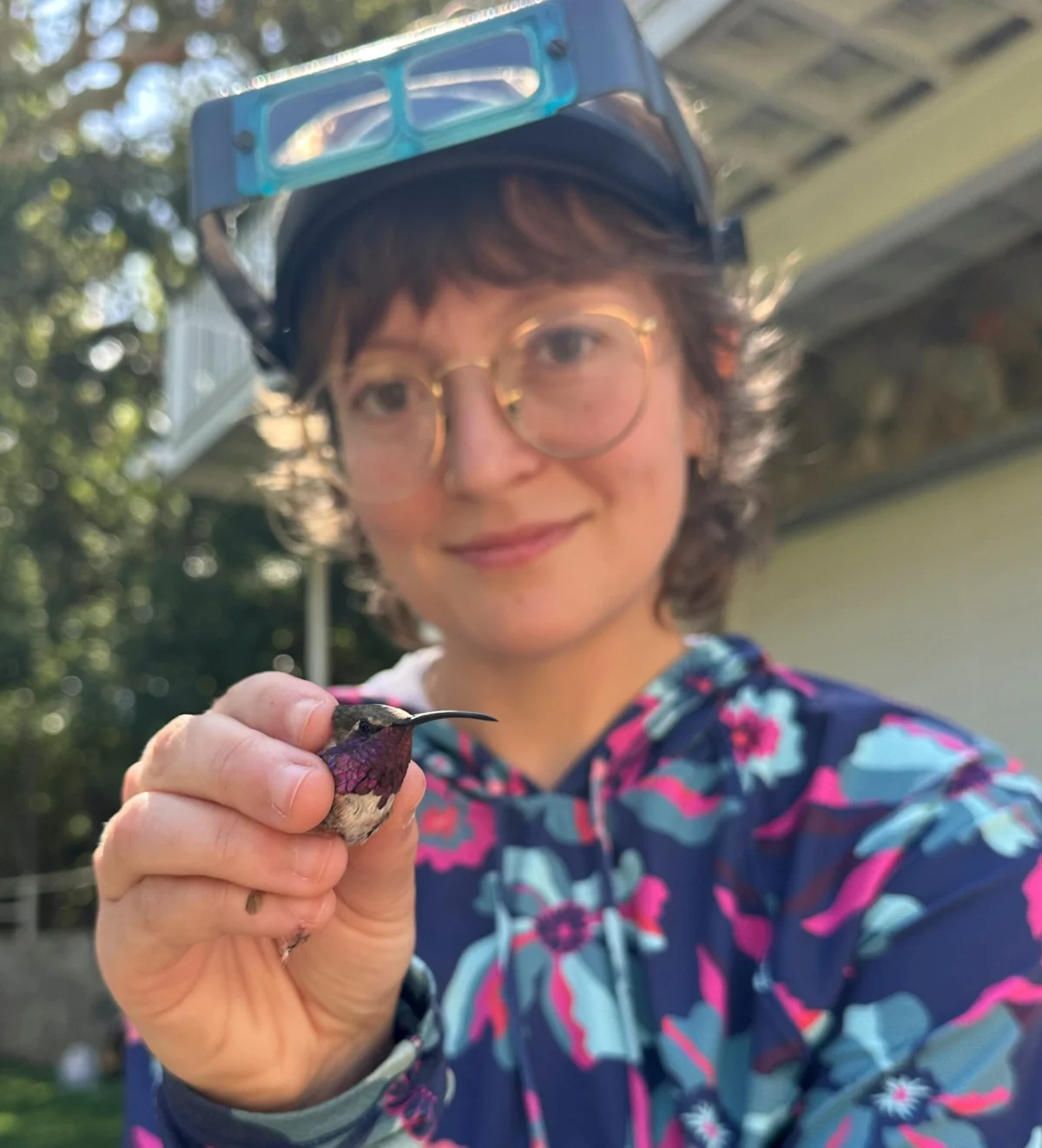
The daily life of a coastal bird technician is a demanding blend of field biology, community outreach, and persistent environmental stewardship. While the public often views the coastline as a site for recreation, for professionals like those at Audubon Delta, it is a high-stakes nursery and critical stopover for migratory species. Their work, which spans from monitoring nesting success to managing human-wildlife interactions, provides the baseline data necessary for effective conservation policy in the face of habitat degradation and climate change.
The Life Cycle of Monitoring and Protection
A coastal bird technician’s responsibilities are defined by the phenology of the species they protect. During the peak breeding season, the primary objective is population census and reproductive success assessment. Technicians track the number of nesting pairs and, more importantly, the recruitment rate—the number of chicks that successfully fledge, or reach the point of independent flight.
This work serves as a vital indicator of ecosystem health. Nesting success rates are highly sensitive to environmental stressors, including sea-level rise, human disturbance, and predation. When these metrics decline, it signals a broader instability in the coastal food web. Beyond the data collection, these technicians act as the primary interface between the scientific community and the public. They conduct community outreach to educate beachgoers on the importance of maintaining distance from nesting sites, turning the beach into a shared space that prioritizes the biological needs of shorebirds.
A Legacy of Conservation: From Banding to Breeding
The impact of long-term monitoring is perhaps best illustrated by the success stories that span multiple years. A notable achievement for Audubon Delta staff involves the multi-year tracking of banded individuals. By tagging birds with unique color codes, researchers can follow the life history of specific animals.
In one instance, a female chick banded by a technician returned to the exact site of her birth several years later to establish her own nest. This "full circle" moment underscores the importance of site fidelity in shorebirds. For conservationists, seeing a banded bird return as a breeding adult provides empirical evidence that the protection efforts—such as cordoning off nesting areas and controlling human traffic—are yielding tangible results in the population’s recovery.
Advancing Skills: The Hummingbird Banding Initiative
While the work of a coastal technician is rooted in the salt marshes and sandy beaches of the Delta, the professional development of these specialists often takes them to specialized training environments. Recently, Audubon Delta staff participated in a rigorous 10-day intensive workshop hosted by the Hummingbird Monitoring Network and the Southwestern Research Station in the Chiricahua Mountains of Arizona.
Hummingbird banding is a highly technical field due to the diminutive size of the subjects. The process requires extreme precision; bands are hand-crafted from thin aluminum sheets, requiring the technician to cut, shape, and file the metal to ensure a perfect, non-abrasive fit on the bird’s leg. This workshop highlighted the niche nature of the equipment, much of which is engineered by the banders themselves.
The training also included field processing, where participants were introduced to the census methods used during peak migration periods. By learning these techniques, Audubon Delta aims to expand its capacity to monitor hummingbird populations, which are increasingly vulnerable to shifting migration windows and habitat loss across their range. The presence of rare species, such as the Lucifer Hummingbird in Arizona, emphasized the critical need for precise, standardized data collection to inform regional conservation strategies.
The Mechanics of Ornithological Research
The surprising DIY nature of hummingbird banding equipment speaks to the specialized, often underfunded, state of avian research. Because the anatomy of hummingbirds is vastly different from that of larger songbirds, standardized equipment is often unavailable commercially. Researchers must rely on custom-made pliers and precision-milled formers to ensure the safety of the birds during the banding process.
This level of specialization is necessary because of the rapid metabolic rates and high stress sensitivity of these birds. The move to incorporate hummingbird banding into the Audubon Delta repertoire signifies a broader shift toward comprehensive ecosystem monitoring, acknowledging that small-scale avian health is a direct proxy for the health of nectar-producing plant populations and overall pollinator abundance.
Broader Implications: Migratory Pathways and Human Disturbance
The data collected by field technicians has profound implications for regional and international conservation. Many of the shorebirds observed on the Gulf Coast are long-distance migrants, some traveling from the Arctic to the southern tip of South America. The Gulf Coast serves as a critical "refueling station."
A primary goal of current outreach is the mitigation of "flush" events—incidents where human presence causes birds to take flight unnecessarily. When a bird is forced to fly due to human proximity, it expends precious caloric reserves that are essential for their thousands-of-mile journey. For birds attempting to reach South America, these caloric deficits can lead to decreased survival rates during migration.
Experts emphasize that the simple act of giving birds space—respecting cordoned areas and keeping a distance that prevents the flock from moving—is one of the most effective tools for conservation. Understanding that these birds are not merely scenery, but athletes at the limit of their physiological endurance, is key to fostering a culture of coastal stewardship.
The American Dipper and the Future of Species Monitoring
While much of the work in the Delta is focused on shorebirds, technicians often maintain a broader interest in avian biology that informs their perspective on habitat connectivity. The American Dipper, for example, is a species that serves as a sentinel for water quality. As an aquatic songbird, its reliance on clean, fast-flowing streams makes it a perfect bio-indicator.
The curiosity expressed by technicians toward such species highlights the interdisciplinary nature of modern conservation. By maintaining a focus on both specialized banding techniques and general population trends, field staff are better equipped to respond to environmental challenges as they arise.
Conclusion: Data-Driven Conservation
The work performed by coastal bird technicians is the bedrock of modern wildlife management. Through a combination of rigorous field monitoring, specialized technical training, and consistent community advocacy, these professionals ensure that the biological integrity of the coastline remains intact.
As the climate continues to alter coastal geography, the role of these technicians will only become more essential. The data they collect today—from the survival rates of a single banded chick to the migration counts of hummingbirds—will inform the habitat restoration projects and legislative protections of tomorrow. By bridging the gap between scientific inquiry and public perception, these technicians provide the necessary evidence to safeguard biodiversity for future generations. Their commitment, often conducted in the face of harsh physical conditions, remains an indispensable component of global environmental health.
