
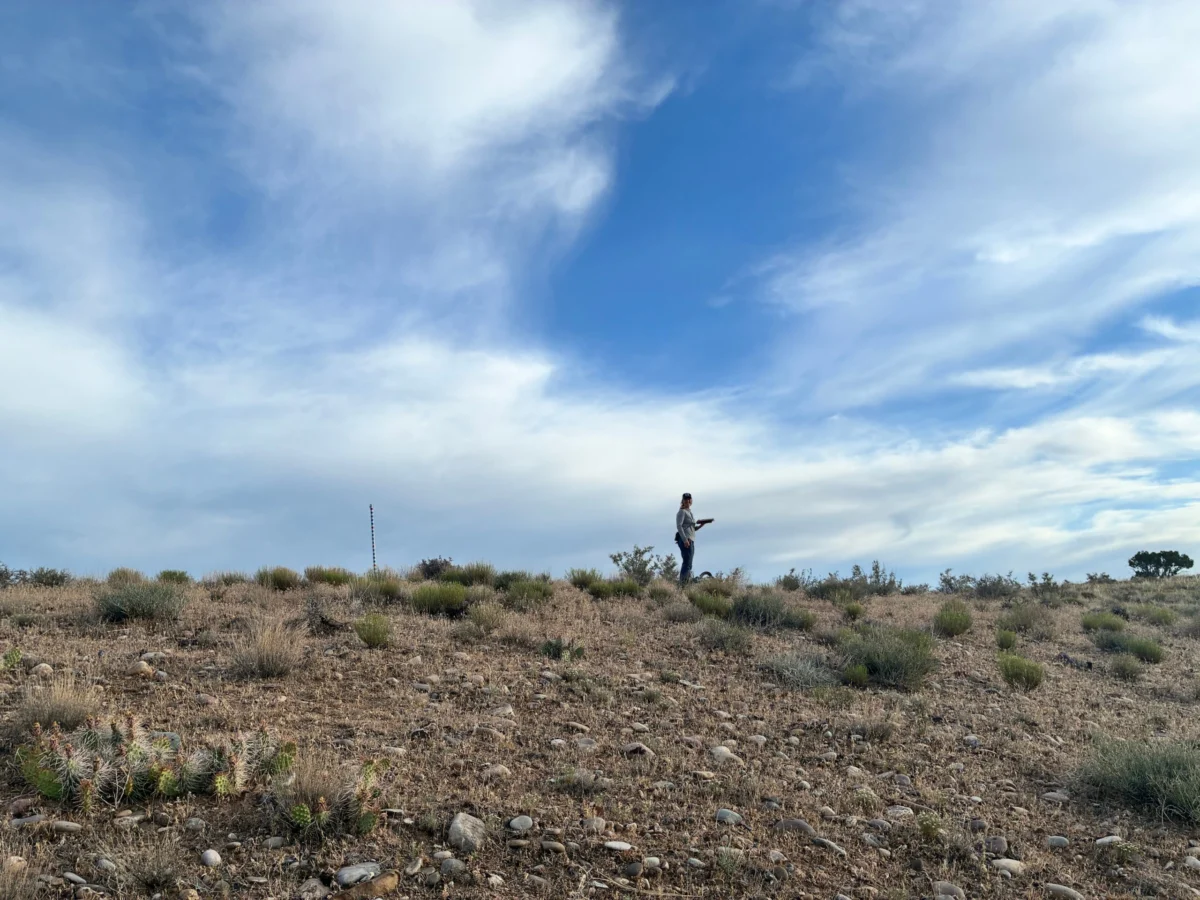
In a significant collaborative effort to assess the ecological health of the American West, Audubon Rockies and the wildlife biologists from Precision Wildlife Resources have concluded their 2026 monitoring campaign across 12 certified bird-friendly ranches. This extensive survey, which spanned over half a million acres of cattle and bison grazing lands, provides critical insights into how private land management intersects with biodiversity conservation. The data collected serves as a cornerstone for the Audubon Conservation Ranching (ACR) program, a national initiative designed to prove that sustainable agricultural practices and the protection of native avian species are not mutually exclusive, but rather mutually reinforcing goals.
The Scope of the 2026 Monitoring Campaign
The 2026 survey season was characterized by its unprecedented scale and technical rigor. Over the course of the spring and summer months, field teams traversed a diverse topography that included high-desert sagebrush flats, expansive native grasslands, riparian cottonwood corridors, and complex pinyon-juniper woodlands. The mission was clear: to quantify avian presence and diversity on lands actively managed under the Audubon Bird-Friendly Land Certification.
By the conclusion of the survey, the team had covered a total of 548,463 acres across 12 specific sites throughout the Rocky Mountain region. The methodology involved 46 meticulously planned transects and the sampling of 493 distinct survey points. This systematic approach ensured that the data gathered was representative of the varied habitats present within these working landscapes. The final tally was substantial, with approximately 8,000 individual birds identified, representing 136 unique species.
Chronology of Data Collection and Habitat Assessment
The monitoring process is not merely a seasonal observation; it is a year-long cycle of planning, field execution, and data analysis. The 2026 campaign began in early spring, as biologists synchronized their arrival with the peak migratory windows of various songbirds and raptors.
- Pre-Season Planning (January–March): Ecologists and ranch managers reviewed existing Habitat Management Plans (HMPs) to identify target areas for survey points, ensuring that grazing regimes and historical land-use patterns were factored into the spatial distribution of sampling sites.
- Field Execution (April–July): The core of the work involved pre-dawn starts for the survey crews. Utilizing acoustic identification and visual observation, teams recorded data across the 493 points. This period is critical as it captures breeding behavior, nesting success, and the arrival of summer residents.
- Data Synthesis (August–September): Following the field phase, the raw data was processed by Audubon range ecologists. This information is currently being integrated into long-term datasets that stretch back years, allowing for the identification of population trends that would be invisible in a single-season snapshot.
- Adaptive Management Integration (October–December): The final stage involves returning to the ranchers with specific findings. These insights directly inform grazing adjustments—such as varying stocking rates or rotation patterns—to better support the specific bird species detected on their land.
Key Species and Biodiversity Indicators
The diversity of the bird populations documented in 2026 underscores the success of the habitat restoration efforts prioritized by ACR. The survey results revealed a strong presence of grassland-dependent birds, which are among the most threatened avian groups in North America due to habitat fragmentation.
The list of detected species included Western Meadowlarks, Brewer’s Sparrows, Vesper Sparrows, Lark Buntings, Grasshopper Sparrows, Cassin’s Sparrows, Sagebrush Sparrows, Horned Larks, and Lark Sparrows. The observation of these specific species is particularly meaningful, as they act as indicators of the overall health of the rangeland ecosystem. Their ability to thrive on these ranches indicates that the management practices are effectively mimicking the natural disturbances—such as fire and migratory grazing—that these ecosystems historically relied upon.
Furthermore, the survey recorded several "standout" species whose presence suggests a high degree of ecological complexity. These included the Greater Sage-Grouse, a species of significant conservation concern, alongside Burrowing Owls, Ferruginous Hawks, and the elusive Gray Vireo. The detection of riparian and wetland species, such as Trumpeter Swans, White-faced Ibises, and Yellow-headed Blackbirds, highlights the importance of protecting water features within the larger ranching landscape.
Scientific Implications and Data-Driven Management
The primary value of the 2026 survey lies in its contribution to a long-term longitudinal study. By tracking bird populations on private lands over consecutive years, Audubon researchers can disentangle the effects of climate variability from the effects of land management.
"Every bird counted adds a critical data point to our understanding of the landscape," notes a representative from the Audubon Rockies ecology team. The data allows for the refinement of Habitat Management Plans. For instance, if a survey reveals a decline in ground-nesting species in a specific paddock, the rancher can adjust the timing of cattle rotation to ensure that nesting birds are not disturbed during their most vulnerable period. This feedback loop between science and agriculture is the bedrock of the Audubon Conservation Ranching model.
The ability to identify species by their unique vocalizations—often just a few faint notes in the vastness of the prairie—requires a high level of expertise from the field crews. This human element, combined with the cooperation of the ranchers who steward these millions of acres, creates a unique conservation alliance that operates entirely outside of traditional government-led wildlife management.
The Broader Impact of Conservation Ranching
The Audubon Conservation Ranching program now encompasses more than 160 certified farms and ranches across the United States, covering an impressive 4.7 million acres. This scale is essential for migratory species that require a patchwork of high-quality habitats across their range. The 2026 survey results validate the program’s core hypothesis: that cattle and bison ranching, when practiced with ecological sensitivity, serves as an effective tool for preventing the conversion of native grasslands into urban or industrial landscapes.
The economic implications are equally significant. By providing a "Bird-Friendly" certification, the program allows ranchers to differentiate their products in the marketplace. Consumers who choose these products are, in effect, subsidizing the conservation efforts of the ranchers. This market-based approach ensures that the rural communities that maintain these lands remain economically viable, preventing the subdivision of large ranches into smaller, less ecologically functional parcels.
Future Outlook and Official Stance
Looking toward the 2027 season, the collaboration between Audubon and the ranching community shows no signs of slowing down. The 2026 data has already spurred discussions about habitat enhancement projects, including the restoration of native shrub species in overgrazed areas and the installation of bird-friendly fencing that minimizes risks to raptors and larger birds.
While the team acknowledges that they did not encounter every "feathered unicorn"—those rare or elusive species that occupy the top tier of their wish lists—the overall data indicates a robust and resilient ecosystem. The presence of these birds serves as a living laboratory, proving that private working lands are not just producers of commodities, but essential refuges for biodiversity.
The success of the 2026 monitoring campaign stands as a testament to the dedication of the biologists who endured long hours and harsh terrain, and the ranchers who open their gates to scientific scrutiny in the interest of long-term sustainability. As the Audubon Conservation Ranching program continues to expand, it sets a global benchmark for how conservation can be integrated into the fabric of food production, ensuring that the vast, open spaces of the American West remain a home to both the people who work the land and the birds that grace the skies above them.
