
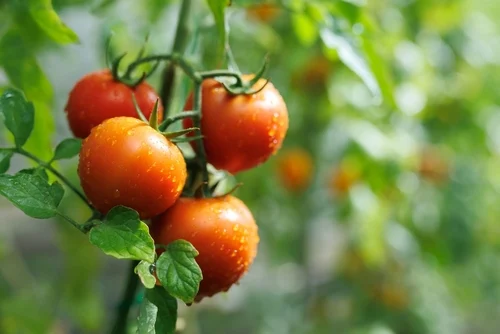
The integration of kitchen scraps into backyard poultry diets is a common practice among small-scale farmers and hobbyists, yet it requires a nuanced understanding of botanical chemistry to ensure flock safety. Among the most debated additions to a chicken’s diet are tomatoes, a member of the Solanaceae, or nightshade, family. While the fruit of the tomato plant offers a variety of nutritional benefits when fully ripened, the plant’s biological defense mechanisms—specifically the presence of glycoalkaloids—pose significant health risks to domestic fowl if managed improperly. To maintain a healthy flock, poultry keepers must distinguish between the safe, ripe fruit and the toxic components of the plant, including the foliage, stems, and immature produce.
The Botanical Context and Toxicological Profile
The Solanaceae family is widespread and includes several common garden staples, such as potatoes, eggplants, peppers, and tomatoes. These plants are characterized by the production of secondary metabolites known as glycoalkaloids, which serve as a natural defense system against herbivores and insects. In the case of tomatoes, the primary toxins of concern are solanine and tomatine.

Solanine is a glycoalkaloid found throughout the nightshade family. It functions as a natural pesticide, inhibiting the growth of fungi and deterring consumption by animals. Tomatine, a related compound, is specifically associated with the tomato plant, with concentrations being significantly higher in the green, unripe fruit, as well as in the leaves and stems.
When ingested, these toxins can interfere with the nervous and digestive systems of poultry. Solanine poisoning in birds is typically manifested through a range of clinical symptoms, including a slowed pulse, decreased body temperature, abdominal distress, diarrhea, and vomiting. In severe cases, the toxicity can lead to significant lethargy and potential fatality, particularly in younger or immunocompromised birds. Tomatine, meanwhile, is known to cause nausea and severe gastrointestinal cramping. Because these toxins are concentrated in the vegetative parts of the plant, the foliage and stems of tomato plants are universally considered hazardous for consumption by chickens.
Chronology of Toxicity and Development
The concentration of these glycoalkaloids is not static throughout the lifecycle of the tomato plant. As the fruit matures, the chemical composition shifts. During the early stages of development, the plant invests heavily in chemical defenses to protect the growing fruit from predation. As the fruit reaches the ripening stage—characterized by the transition from green to red or yellow—the plant effectively signals that the seeds are mature and ready for dispersal.

Concurrent with this biological process, the concentration of tomatine and solanine within the fruit decreases significantly. This reduction is why, from a nutritional and safety standpoint, only fully ripened tomatoes are considered acceptable for avian consumption. However, this safety is relative; it does not render the fruit a primary food source. The leaves and stems, conversely, maintain high levels of these alkaloids throughout their lifecycle, regardless of the ripeness of the fruit attached to them. Consequently, at no point in the gardening season should a chicken be allowed access to the vegetative debris of a tomato plant.
Nutritional Value vs. Dietary Risks
When handled with strict adherence to safety guidelines, ripe tomatoes can provide a supplemental source of micronutrients for adult, healthy chickens. Tomatoes are rich in antioxidants, including lycopene, which supports cellular health. They also provide essential vitamins such as Vitamin A, which is critical for eye and skin health; Vitamin C, which assists in immune function; and Vitamin K, which is vital for blood clotting and bone development. Additionally, the potassium content in tomatoes supports proper fluid balance and nerve function in poultry.
Despite these benefits, experts in avian nutrition emphasize that tomatoes must be viewed strictly as a treat. The fundamental rule for supplemental feeding in a flock is that such items should never exceed 10% of the total daily caloric intake. This equates to approximately one to two tablespoons per bird per day. Overfeeding, even of the safe, ripe fruit, can lead to nutritional imbalances. The high water content in tomatoes, for instance, can cause loose droppings if consumed in excessive quantities, potentially leading to dehydration or digestive stress.

Best Practices for Backyard Poultry Keepers
For those who manage backyard flocks, the primary recommendation is to implement a rigorous "clean garden" policy. This involves two specific strategies:
- Vegetation Management: Keep chickens excluded from the areas where tomatoes, peppers, and eggplants are grown. Because chickens are natural foragers, they will readily consume the leaves and stems of these plants if given the opportunity. Providing alternative, safe greens—such as kale, chard, or clover—can help satisfy their foraging instincts without exposing them to nightshade toxicity.
- Strict Sorting: Any kitchen scraps intended for the coop must be carefully sorted. Green tomatoes, damaged fruit that has not fully ripened, and any trimmings from the tomato vines must be diverted to the compost pile rather than the feeder.
The distinction between "healthy" and "compromised" birds is also a critical factor. Baby chicks, which have rapidly developing systems, are significantly more susceptible to the effects of solanine and tomatine than mature birds. Likewise, older hens or those recovering from illness may lack the metabolic capacity to process trace amounts of these toxins safely. Therefore, providing tomatoes to young or sick birds is strongly discouraged by poultry health professionals.
Broader Implications for Sustainable Poultry Keeping
The debate over nightshade consumption in poultry highlights a broader necessity for scientific literacy in backyard agriculture. As more individuals move toward sustainable, self-sufficient food production, the risk of accidental poisoning increases. Data from avian veterinary centers suggest that a portion of "mystery" illnesses in backyard flocks can be traced back to the ingestion of toxic ornamental or garden plants.

From an analytical perspective, the issue of feeding nightshades to chickens underscores the difference between "natural" and "safe." While a chicken might forage on a nightshade leaf in the wild, the lack of a varied diet and the high density of garden plants in a controlled environment can lead to accidental ingestion at toxic thresholds. Furthermore, as the popularity of "farm-to-table" practices continues to grow, it is essential that educational resources emphasize the chemical realities of the garden environment.
The long-term health of a flock is dictated by the consistency of their diet. A balanced ration of high-quality poultry feed should always serve as the foundation of their nutrition. Treats, while effective for behavioral enrichment and providing variety, should be treated with the same caution as medical interventions. By understanding the biological mechanism behind solanine and tomatine, keepers can effectively mitigate risks while still allowing their birds to enjoy the occasional, carefully selected garden harvest.
In summary, the consensus among experts is clear: while tomatoes are not inherently "poisonous" in their ripe state, they are potentially dangerous if the rules of moderation and plant selection are ignored. The foliage, stems, and unripe fruit should be treated as toxic materials and kept entirely out of reach of the flock. By maintaining these strict boundaries, keepers can ensure that the nutritional benefits of the garden do not come at the cost of the health and longevity of their birds. The shift toward more informed, science-backed animal husbandry is the most effective way to protect the future of backyard poultry keeping.
