
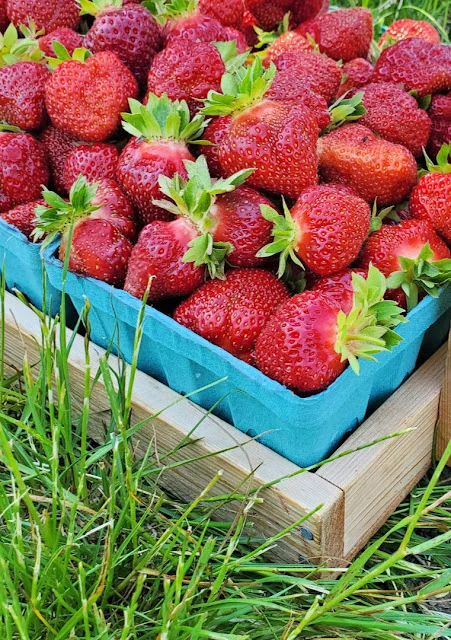
The integration of fresh produce into the diets of backyard poultry has become a standard practice among modern homesteaders seeking to optimize the health and productivity of their flocks. Among the various fruits suitable for avian consumption, strawberries (Fragaria × ananassa) are frequently cited by poultry nutritionists as a highly beneficial, nutrient-dense treat. However, while these berries offer significant health advantages, they must be administered within a structured dietary framework to avoid metabolic complications.
Nutritional Composition and Biological Benefits
Strawberries are recognized for their robust phytochemical profile. They are rich in essential antioxidants, which play a critical role in neutralizing free radicals within the chicken’s system, thereby supporting long-term cellular health. From a macronutrient and micronutrient perspective, strawberries provide a wealth of dietary fiber, calcium, folate, manganese, and potassium.

The inclusion of these berries in a flock’s diet contributes directly to several physiological functions:
- Immune System Support: The high concentration of Vitamin C aids in bolstering the avian immune response, particularly during periods of environmental stress or seasonal temperature fluctuations.
- Metabolic Health: Manganese and potassium are essential for the synthesis of nutrients and the regulation of electrolyte balance, which is vital for maintaining metabolic homeostasis.
- Skeletal Integrity: Calcium and Vitamin K are integral to bone development and maintenance, which is particularly important for laying hens that require consistent calcium intake for eggshell production.
Unlike some supplemental treats that provide "empty calories," strawberries offer a dense package of micronutrients that complement the balanced proteins and carbohydrates found in standard commercial poultry feed.
The Holistic Approach to Consumption: Beyond the Fruit
One common misconception among novice poultry keepers is that only the red flesh of the strawberry is suitable for consumption. In reality, the entire strawberry plant—including the caps (sepals), stems, and leaves—is safe for ingestion. In fact, the green tops of the berries are a valuable source of tannins and iron, which serve as natural digestive aids for poultry. By providing the whole berry, owners ensure that their flock benefits from the full spectrum of the plant’s nutritional properties, while also reducing household food waste.

The 10% Rule: Establishing Nutritional Boundaries
While strawberries are objectively healthy, they are classified as a "treat" rather than a staple food. Poultry nutritionists and veterinarians emphasize the "10% rule," which dictates that any supplemental food—including fruits, vegetables, and table scraps—should never exceed 10% of a chicken’s total daily caloric intake.
Excessive consumption of fruit sugars, even those derived from natural sources, can lead to negative health outcomes in birds. The primary risk is osmotic diarrhea, caused by the high sugar content drawing water into the intestinal tract. Furthermore, relying too heavily on treats can result in a "dilution effect," where the chicken consumes fewer essential amino acids and minerals from its formulated feed, potentially leading to long-term nutritional deficiencies. A safe baseline for most backyard chickens is approximately one to two tablespoons per bird, per day, provided sporadically rather than as a daily dietary fixture.
Safety Protocols: Pesticides and Environmental Factors
A critical consideration for any poultry keeper is the provenance of the produce. Strawberries are consistently ranked among the fruits most susceptible to pesticide and herbicide residue accumulation. When sourcing berries, the following hierarchy of safety is recommended:

- Homegrown/Organic: Berries grown in a controlled, pesticide-free environment are the safest option for a flock.
- Local Farm Sourced: Berries acquired from local growers, where practices can be verified, offer a reduced risk profile.
- Washing Procedures: If supermarket-bought berries are used, they must be thoroughly washed to remove surface contaminants.
Failure to account for chemical residues can result in the ingestion of systemic toxins that may affect the overall health of the flock and potentially contaminate the eggs produced for human consumption. While there is limited peer-reviewed data on the direct transfer of specific herbicides to eggs, the precautionary principle remains the standard in veterinary poultry care.
Chronology of Dietary Evolution in Backyard Poultry
The shift toward incorporating fresh fruits into backyard poultry diets has occurred in parallel with the rise of the "modern homesteading" movement. Over the past two decades, the transition from industrial, grain-only feeding methods to more holistic, diverse diets has been documented in various agricultural extension reports.
- Early 2000s: The poultry industry was largely dominated by centralized commercial feed programs. Backyard keeping was viewed primarily through a functional, food-production lens.
- 2010–2015: Increased access to digital information and online communities led to a surge in interest regarding natural animal husbandry. Articles on the benefits of antioxidants in poultry diets began appearing in agricultural journals and specialist publications.
- 2016–Present: A standardized consensus has emerged. Experts, including veterinarians and long-term breeders, have successfully advocated for a "treat-moderated" model, which acknowledges the behavioral benefits of foraging and variety while maintaining strict nutritional limits.
Broader Implications for Flock Management
The practice of feeding strawberries is as much about psychological stimulation as it is about physical nutrition. Chickens are naturally inquisitive foragers. Providing varied food sources encourages natural scratching and pecking behaviors, which are essential for the mental well-being of the flock. A bored or stressed bird is significantly more susceptible to disease and feather picking.

However, the implications of this practice extend to the economics of poultry management. By utilizing scraps—such as the tops of strawberries that are typically discarded during food preparation—keepers can lower the cost of feeding while simultaneously improving the quality of the bird’s diet. This circular approach to resource management is a cornerstone of sustainable small-scale agriculture.
Expert Perspectives and Industry Standards
Industry experts, including those from organizations like Fresh Eggs Daily, emphasize that the key to a healthy flock is consistency in the base diet. The role of the treat is to act as a supplement, not a substitute. There is a broad consensus among poultry scientists that while strawberries provide excellent vitamins and fiber, they cannot replace the necessity of high-quality, calcium-fortified layer feed.
The "old-timer" methods of keeping poultry—which focused on allowing birds to forage on varied vegetation—are now being validated by modern clinical research. The current consensus is that a diverse diet, which includes moderate amounts of fruits and vegetables like strawberries, results in birds that are not only more resilient but also produce eggs with richer, more vibrant yolks, largely due to the improved intake of micronutrients.

Conclusion: A Balanced Approach to Poultry Nutrition
The integration of strawberries into a chicken’s diet is a low-risk, high-reward practice, provided that strict adherence to quantity limits and safety protocols is maintained. By treating strawberries as a high-nutrient supplement, owners can support their flock’s immune, digestive, and skeletal health.
As the backyard poultry sector continues to expand, the emphasis must remain on evidence-based feeding practices. Whether one is maintaining a small urban coop or a larger rural setup, the principles remain the same: monitor the intake, source the produce responsibly, and ensure that the primary nutritional needs of the flock are met through balanced, species-appropriate feed. With these measures in place, strawberries can serve as a valuable tool in the kit of the responsible poultry keeper, contributing to the longevity and productivity of the birds under their care.
