
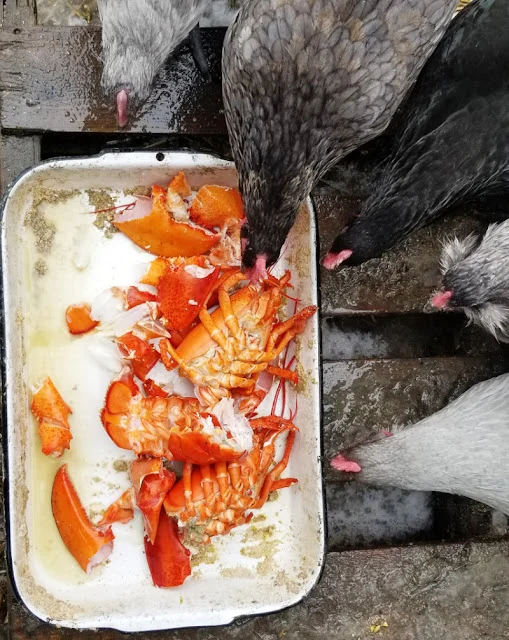
The question of whether backyard poultry can safely consume crustacean remnants has become a point of interest for small-scale agriculturalists and hobbyist chicken keepers, particularly in coastal regions where lobster processing is prevalent. Recent observations from poultry enthusiasts and anecdotal reports from agricultural communities in Maine suggest that not only is lobster a safe dietary supplement for chickens, but it also provides a unique source of bioavailable nutrients and mental enrichment for the birds. While common domestic poultry diets are typically composed of commercial feed, corn, and leafy greens, the inclusion of marine-based proteins is an emerging area of interest for those seeking to diversify their flock’s nutritional intake.
Historical Context of Poultry Dietary Diversification

For decades, the standard for backyard poultry nutrition has remained consistent, focusing on a balanced ratio of proteins, carbohydrates, and minerals. However, the integration of regional "scraps" has long been a practice among homesteaders. In coastal New England, the high availability of lobster—a byproduct of the thriving local fishing industry—has led to a unique dietary crossover. Unlike modern industrial agriculture, which relies on standardized feed pellets, small-scale keepers often look to locally sourced, unprocessed biological material to supplement their flocks.
When a homeowner or small-scale farmer consumes lobster, the discarded shells and remnants of the tail and claw meat are frequently repurposed. From a biological perspective, chickens are omnivorous foragers. In their natural state, they consume insects, larvae, small lizards, and occasionally crustaceans found in damp soil or near water sources. Therefore, the introduction of lobster is not a radical departure from their natural feeding habits but rather an acceleration of a behavioral pattern already present in the species.
Nutritional Analysis and Potential Health Benefits

The nutritional profile of lobster meat is significantly higher in lean protein than many terrestrial alternatives. A standard three-ounce serving of cooked lobster meat contains approximately 19 grams of protein. For a chicken, this represents a potent source of amino acids, which are essential for feather growth and egg production. Furthermore, lobster is rich in essential micronutrients, including omega-3 fatty acids, selenium, zinc, and B12.
Contrary to popular misconceptions, the cholesterol found in shellfish does not translate directly into cardiovascular issues for avian species in the same manner often theorized for humans. In fact, poultry require a certain degree of dietary fat for optimal health, and the lean protein provided by marine life serves as a high-quality supplement during the molting season, when birds require extra energy to regenerate their plumage.
The shells themselves, when properly dried and pulverized, act as an effective calcium supplement. Calcium is the primary building block for eggshells. For a laying hen, a calcium deficiency can lead to soft-shelled eggs or metabolic bone disease. By grinding down the brittle, sun-dried lobster shells, owners provide their flocks with a natural, readily available source of calcium carbonate, which is superior in some cases to synthetic supplements due to its organic origin and trace mineral content.

Chronology of Integration and Behavioral Enrichment
The process of introducing lobster to a flock typically occurs following a meal. In a controlled setting, the remnants—consisting of the carapace, legs, and internal viscera—are placed in the coop or run. Observers note that chickens engage in a prolonged period of foraging behavior, as they naturally enjoy the challenge of picking meat from the crevices of the exoskeleton.
This activity provides significant cognitive enrichment. In intensive poultry management, boredom is a leading cause of behavioral issues, such as feather pecking or cannibalism. By providing a "natural puzzle" like a lobster shell, owners stimulate the birds’ innate curiosity and hunting instincts. This behavioral engagement keeps the flock occupied, reduces stress levels, and mimics the natural foraging activity that is often absent in confined backyard environments.

Safety Protocols and Necessary Precautions
While the nutritional benefits are well-documented among experienced poultry keepers, there are strict parameters that must be followed to ensure the health of the flock. The primary concern is the presence of sodium and heavy metals. Crustaceans, being bottom-dwellers, can sometimes bioaccumulate mercury in their tissues. Consequently, experts recommend that lobster should be treated as an occasional treat rather than a dietary staple.
Furthermore, the salt content associated with the preparation of lobster—often boiled in salted water or served with salted butter—is detrimental to chicken health. Chickens are highly sensitive to sodium, which can lead to kidney damage and dehydration. Owners are advised to ensure that any lobster offered to their flock has been boiled in fresh water or, at the very least, thoroughly rinsed of all surface salt and butter before being presented to the birds.

Additionally, the size of the shell fragments must be managed. While chickens possess a gizzard designed to grind down food, sharp, jagged pieces of shell can potentially cause lacerations if they are too large. It is recommended that shells be dried in the sun, which makes them brittle and easier to break into smaller, manageable pieces that do not pose a choking or internal hazard.
Broader Agricultural and Environmental Implications
The practice of feeding lobster shells to chickens represents a broader trend toward circular agricultural systems. In these systems, waste products from one process—in this case, human consumption of seafood—are converted into inputs for another process, such as egg production. This reduces the amount of waste sent to landfills and lowers the overall carbon footprint of the homestead by reducing the reliance on commercially processed, grain-based protein supplements that may have been transported over long distances.

From an economic perspective, utilizing local, off-season, or surplus lobster can be highly cost-effective. In regions like Maine, where the seasonal availability of lobster leads to significant price fluctuations, purchasing local seafood during the off-season can prove cheaper per pound than high-quality, processed chicken feed. This economic efficiency is a hallmark of sustainable, small-scale farming.
Expert Perspectives and Industry Outlook
While there are no formal, large-scale studies funded by the poultry industry specifically regarding the use of lobster as a feed additive, the consensus among small-flock experts is largely positive. The focus, however, remains on "moderation." The consensus among veterinarians and agricultural extension agents is that while chickens are physiologically capable of digesting these nutrients, they should never replace a balanced, nutritionally complete layer ration.

The overarching lesson for backyard chicken keepers is the importance of diversity in the diet. Just as human health benefits from a varied intake of proteins and minerals, so too do the health and productivity of a backyard flock. Lobster serves as an excellent case study in how unconventional, locally sourced, and nutrient-dense items can enhance the welfare of domestic poultry when managed with care, common sense, and an understanding of the birds’ biological limitations.
As the movement toward self-sufficiency and backyard food production continues to grow, it is likely that more unconventional food sources will be vetted for their safety and nutritional value. The case of the lobster-eating chicken stands as a testament to the versatility of the bird and the ingenuity of the keepers who strive to provide the best possible care for their flocks. Through careful monitoring of salt intake, shell size, and frequency of feeding, poultry enthusiasts can safely incorporate this unique, high-protein maritime resource into their husbandry practices.
