
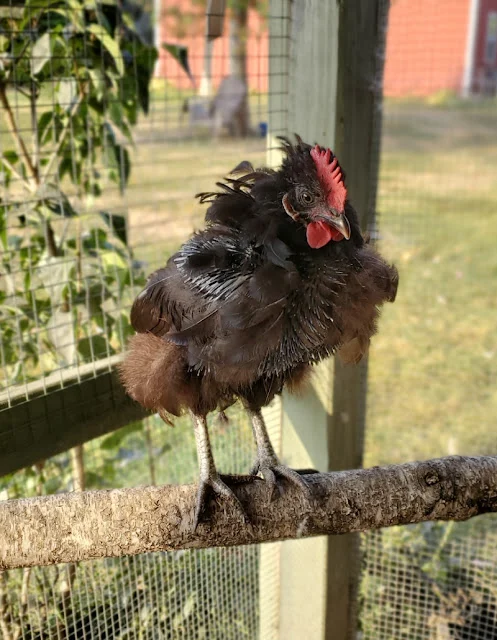
The arrival of autumn brings a predictable but often alarming transformation for backyard chicken keepers: the annual molt. During this period, hens and roosters shed their existing plumage, leaving behind a trail of feathers that frequently causes owners to suspect an outbreak of illness or a predator attack. However, avian biologists and poultry experts confirm that molting is a vital, healthy, and entirely natural physiological event. It serves as a necessary biological reset that prepares the flock for the metabolic demands of the approaching winter, ensuring that birds are properly insulated against falling temperatures.

The Physiology of Feather Replacement
Molting is the process by which a bird replaces damaged, worn, or dirty feathers with a fresh, resilient set. Feathers are composed primarily of keratin—a structural protein that also forms the basis of hair, nails, and hooves in mammals. Because a bird’s plumage serves as its primary defense against environmental stressors, the integrity of these feathers is paramount.
As a chicken matures, its feathers endure significant wear and tear from foraging, dust bathing, and interactions with other flock members. By late summer or early fall, these feathers are often brittle or frayed. A bird’s ability to "fluff" its feathers—a crucial mechanism for trapping air and creating an insulating barrier against the cold—is severely compromised by degraded plumage. The annual molt functions as an evolutionary strategy to ensure that, by the time the first frost arrives, the chicken is equipped with a dense, intact coat capable of maintaining core body temperature.

Chronology and Environmental Triggers
The timing of the molt is dictated largely by photoperiodism—the physiological reaction of organisms to the length of day or night. As daylight hours begin to wane in the late summer and autumn, the reduction in light stimulates the bird’s endocrine system, signaling that it is time to shift resources from egg production to feather growth.
While the first major adult molt typically commences when a hen reaches approximately 18 months of age, this pattern recurs annually thereafter. The duration of the process is highly variable, influenced by the bird’s individual health, genetics, and environmental stressors.

Data from poultry research indicates that high-producing hens—those that have laid eggs consistently throughout the year—often undergo a faster, more intense molt, typically concluding within 14 to 16 weeks. Conversely, less productive birds may experience a "slow molt," which can drag on for up to six months. During this interval, most hens cease egg production entirely. This pause is a metabolic necessity; because feathers are roughly 90% protein, the nutritional cost of growing a full set of plumage is enormous. A hen cannot simultaneously manufacture high-quality eggshells and synthesize enough keratin to regenerate her entire body covering.
Patterns of Feather Loss and Identification
The molting process follows a precise, sequential pattern that allows keepers to distinguish it from other issues, such as parasitic infestations or aggressive pecking. Feathers are lost in a specific order: first from the head and neck, followed by the saddle, breast, abdomen, wings, and finally the tail.

This systematic shedding provides a clear diagnostic indicator for owners. During a healthy molt, as old feathers fall out, new, sheath-covered "pin feathers" emerge. These pin feathers are blood-rich and sensitive, protected by a waxy casing that eventually flakes away as the new feather unfurls.
In contrast, feather loss caused by environmental factors or behavioral issues presents differently. If an owner observes bare patches around the vent, this is frequently indicative of an infestation of mites or lice rather than a natural molt. Similarly, if feathers are being pulled from the breast or abdomen, it may signal an issue with flock hierarchy or, in the case of hens, the onset of broodiness. Careful observation of the skin and the pattern of loss allows keepers to differentiate between a routine biological event and a medical condition requiring intervention.

Nutritional Requirements and Dietary Support
Given that feathers consist of nearly 90% protein, the nutritional demand on a molting bird is significant. Experts emphasize that the quality of a bird’s recovery depends heavily on the availability of amino acids and minerals during this window.
To support the rapid regeneration of plumage, many poultry specialists recommend a temporary increase in dietary protein. Standard layer feed, which is typically formulated for egg production, may need to be supplemented or swapped for a higher-protein grower feed. While some anecdotal advice suggests feeding processed foods such as cat kibble, most veterinarians caution against this due to the high sodium and fat content, which are not suitable for avian physiology.

Instead, owners are encouraged to provide nutrient-dense, natural alternatives. High-protein sources include:
- Black soldier fly larvae or dried mealworms.
- Legumes and specific fresh herbs like parsley, dill, and coriander, which are known for their dense nutritional profiles.
- Sulfur-containing amino acids, such as methionine, which are critical for the formation of keratin.
Furthermore, hydration remains a pillar of recovery. The addition of apple cider vinegar to the flock’s water supply—typically at a ratio of one tablespoon per gallon—can aid in mineral absorption and provide a boost to the immune system. This is particularly important because, during a molt, a chicken’s immune system is taxed, making the bird more susceptible to opportunistic pathogens.

Managing Flock Stressors
Beyond the natural decline in daylight, other stressors can induce an "early" or "forced" molt. Heat stress, sudden changes in environmental conditions, or inconsistent lighting in the coop can trigger a loss of feathers.
A common mistake among novice keepers is the use of artificial lighting to extend the laying season. While supplemental light can keep a hen laying through the winter, it forces the bird to operate at a high metabolic rate for an unnatural duration. If this light is suddenly removed or if the system fails during the winter, the shock can cause an immediate and unexpected molt, leaving the birds vulnerable during the coldest months. Consistent management is, therefore, the key to avoiding unnecessary physiological strain.

Behavioral Changes and Recovery
During the molting process, it is normal for chickens to appear lethargic, withdrawn, or "unhappy." This is not necessarily an indication of illness; rather, it is a behavioral reflection of the discomfort associated with the loss of protective plumage and the sensitivity of developing pin feathers. Many birds will naturally seek shelter, hiding behind vegetation or staying inside the coop to avoid the elements and the attention of flock mates.
Once the process concludes, the transformation is usually remarkable. Birds emerge with glossy, full plumage, and while their egg production may not return to the high levels of their pullet year, the eggs produced are often larger and exhibit better shell quality.

Broader Implications for Poultry Management
The annual molt serves as a critical checkpoint for the overall health of a flock. It is the period when owners should evaluate the long-term sustainability of their management practices. A bird that struggles to complete a molt or that remains in a weakened state for an extended period may be experiencing underlying health issues or chronic nutritional deficiencies.
By understanding the physiological necessity of the molt, owners can move away from reactive, panic-based management and toward a proactive, supportive approach. Ensuring the flock has adequate shelter from wind and moisture during this period, coupled with a nutrient-rich diet, ensures that the birds not only survive the molt but thrive in the subsequent seasons.

As the cycle of light and temperature shifts throughout the year, the molt stands as a reminder of the resilience of avian biology. It is a transition that requires patience from the owner, but it is ultimately a testament to the bird’s innate ability to adapt, recover, and prepare for the challenges of the natural world. Maintaining a calm, well-nourished environment during these months is the single most effective way to ensure the long-term vitality of the backyard flock.
