
The health and productivity of a backyard poultry flock are directly tied to environmental stability, with heat-related stress representing one of the most significant threats to avian health during summer months. When temperatures climb, chickens—which lack sweat glands and rely on panting to dissipate body heat—can quickly succumb to heat exhaustion, leading to a dangerous depletion of vital minerals and a disruption of their internal pH balance. Maintaining a supply of electrolyte solutions within a poultry first-aid kit is considered a best practice for modern poultry management, providing a critical intervention tool to stabilize birds suffering from dehydration, shipping stress, or physical injury.

The Physiology of Avian Hydration and Stress
Electrolytes are electrically charged minerals—primarily sodium, potassium, calcium, and magnesium—that facilitate essential physiological processes in chickens, including nerve impulse transmission, muscle contraction, and cellular fluid balance. In a state of thermal stress, chickens lose these minerals rapidly through panting and the consumption of large volumes of water that lacks adequate mineral density. This loss, known as respiratory alkalosis, causes the blood pH to shift, which can lead to lethargy, reduced egg production, shell thinning, and, in severe cases, sudden mortality.
Veterinary research into avian metabolism suggests that when a chicken’s body becomes depleted of these ions, standard water intake is insufficient to restore homeostasis. The role of an electrolyte solution is to mimic the osmotic pressure of the bird’s blood, allowing for rapid reabsorption of water and minerals into the bloodstream. This is functionally analogous to the use of isotonic solutions in human sports medicine or pediatric care, where Pedialyte or similar preparations are utilized to counteract fluid loss caused by gastrointestinal distress or extreme exertion.

Formulating and Preparing Homemade Electrolyte Supplements
For those managing flocks in arid or high-temperature regions, the ability to synthesize an electrolyte supplement on-site is both a cost-effective and practical measure. A standard, widely accepted formulation for emergency avian care consists of four core components: granulated sugar, sea salt, baking soda (sodium bicarbonate), and potassium chloride.
The functional synergy of these ingredients is well-documented:

- Granulated Sugar: Acts as a vehicle for energy during periods of metabolic strain and facilitates the transport of sodium and water across the intestinal wall.
- Sea Salt: Provides the sodium necessary to maintain extracellular fluid volume and prevents rapid fluid excretion.
- Baking Soda: Functions as the primary buffering agent, helping to regulate the acidity of the blood and tissues, which is frequently compromised during heat-induced panting.
- Potassium Chloride: Addresses the critical intracellular mineral loss that occurs when birds are under chronic stress.
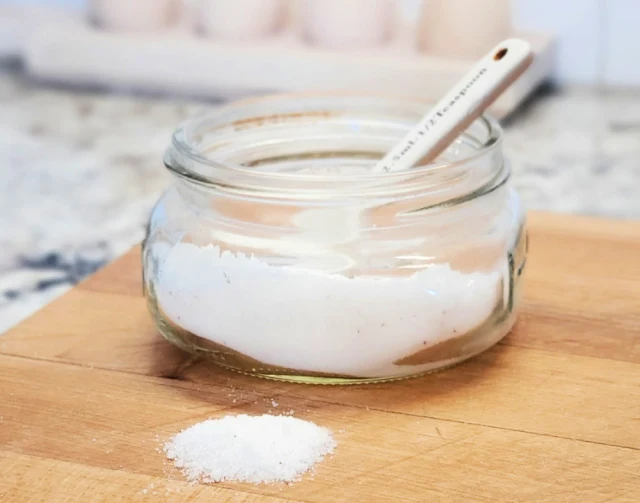
To prepare a shelf-stable stock, producers should whisk together 16 teaspoons of granulated sugar, 1 teaspoon of sea salt, 1 teaspoon of baking soda, and 1 teaspoon of potassium chloride. This dry mixture should be stored in an airtight, moisture-free container. When required for administration, the standard dosage is 6 teaspoons of the dry mix per gallon of fresh water. For smaller volumes, 1.5 teaspoons should be added to a quart of water.
Strategic Implementation and Emergency Protocols
The administration of electrolyte-enhanced water should be managed with clinical precision. It is not recommended to provide electrolyte-fortified water as a permanent, long-term replacement for plain water. Excessive, chronic intake of electrolytes can lead to mineral imbalances, renal strain, or sodium toxicity.

Under standard management protocols, poultry keepers should offer the electrolyte solution as the sole water source for several hours, then transition back to plain, cool water for the remainder of the day. This cyclical approach ensures that the bird recovers from the deficit without incurring an overload. In extreme, acute cases of heatstroke or shock, a more concentrated solution—typically 2 teaspoons of the mixture per cup of water—may be administered orally via an eyedropper. This must be done slowly to prevent aspiration, as the bird may be too weak to swallow effectively.
Chronology of Heat-Related Risks
The vulnerability of poultry to heat stress typically follows a predictable seasonal timeline. As ambient temperatures exceed 80°F (27°C), metabolic demands shift. Once temperatures surpass 90°F (32°C), even with shade and airflow, the efficiency of a chicken’s natural cooling mechanisms begins to fail.

- Early Season (Late Spring): Acclimatization begins. Producers should inspect housing for ventilation gaps and prepare emergency kits.
- Peak Heat (Summer Months): Maximum risk period. Electrolytes should be prepared in advance. During this time, waterers should be checked multiple times daily to ensure they are not contaminated by the electrolyte residue.
- Post-Heat Event: Monitoring of the flock is critical. Even after temperatures subside, the physiological damage of a heat event can lead to secondary infections or weakened immune responses.
Data-Driven Best Practices
Industry data from poultry extension services underscores the importance of hydration management. A laying hen consumes approximately twice as much water as she does feed under normal conditions; in temperatures above 95°F, this intake can double again. If that water is devoid of the necessary mineral balance, the bird cannot effectively utilize the hydration.
Research indicates that the integration of electrolytes, along with probiotic supplements, can improve survival rates in chicks shipped through the mail by as much as 15–20% by mitigating the "shipping stress" that causes dehydration during transit. Furthermore, the inclusion of "electrolyte ice cubes"—made by freezing the prepared solution—has been shown to lower the temperature of waterers, providing a dual-benefit of cooling and mineral replenishment.

Broader Implications and Expert Perspectives
While homemade solutions are effective for immediate, low-cost intervention, the professional veterinary community notes that they are not a substitute for proper environmental management. Experts in the field of avian husbandry emphasize that electrolytes are a reactive measure. The primary defense against heat-related loss remains structural: high-ceiling coops, reflective roofing, consistent cross-ventilation, and the provision of adequate shade.
The commercial poultry industry has recently moved toward integrated "Hydration+" products, which often combine electrolytes with probiotics to promote gut health alongside mineral balance. These products are formulated to be highly stable and are increasingly recommended for hobbyist flocks as a reliable alternative to home-mixed formulas, particularly for those who may lack the measuring precision required for small-scale, high-concentration mixing.

Conclusion and Management Recommendations
For the backyard enthusiast, the primary goal is the prevention of systemic failure during peak summer temperatures. By keeping a dry-mix supply of electrolytes stored in a cool, dark environment, owners ensure they are prepared for the sudden onset of heat stress.
All liquid solutions must be discarded at the end of each 24-hour cycle to prevent bacterial growth in the waterers, which can introduce secondary health issues. Ultimately, the use of electrolytes should be viewed as a vital, albeit occasional, tool in the larger strategy of poultry welfare. Consistent monitoring of bird behavior—looking for signs of distress such as widespread panting, wings held away from the body, and reduced feed intake—is the most reliable indicator of when these interventions are necessary. Through a combination of proactive housing management and responsive mineral support, the impacts of extreme environmental stress can be effectively mitigated, ensuring the longevity and productivity of the flock.
