
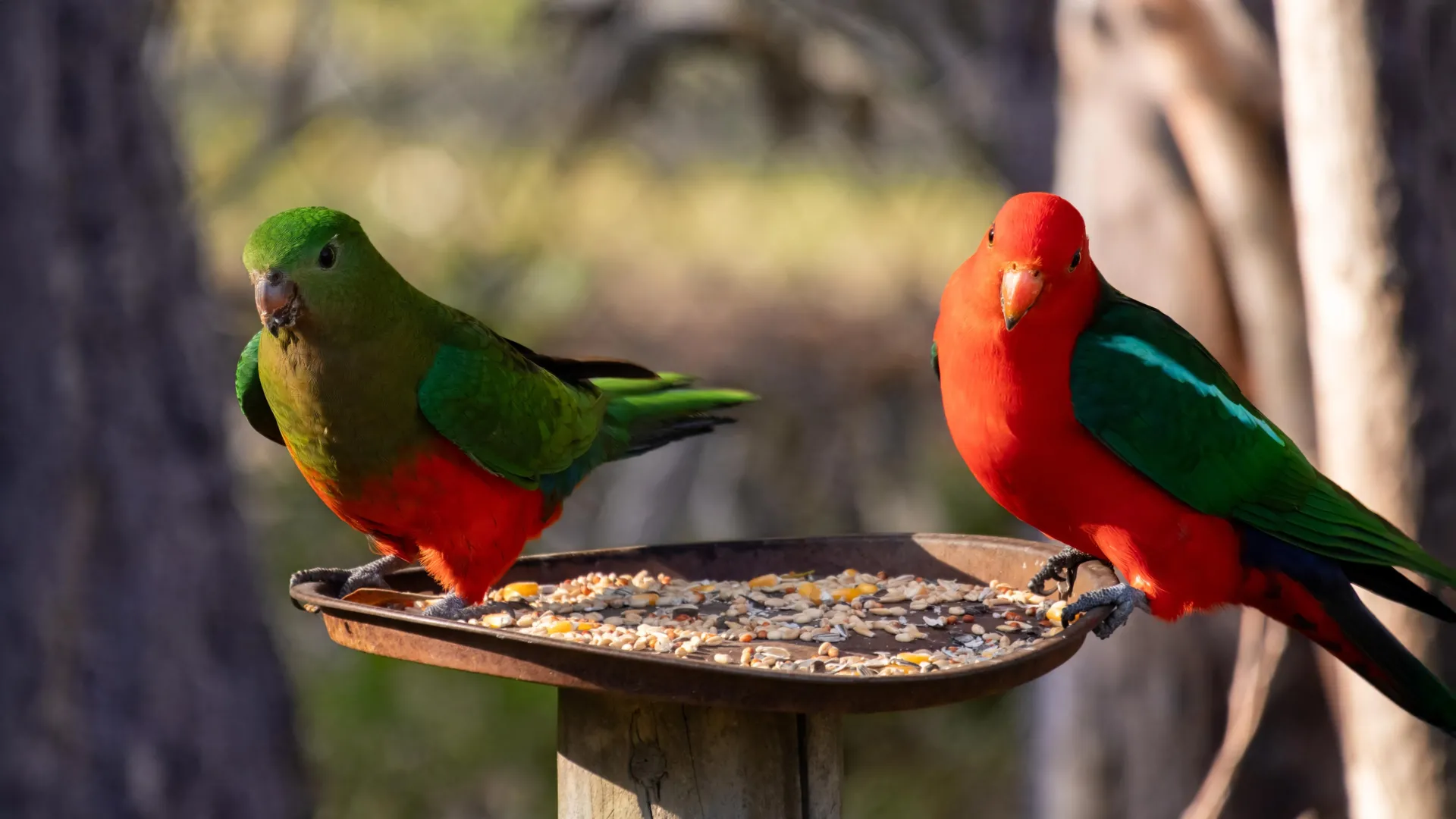
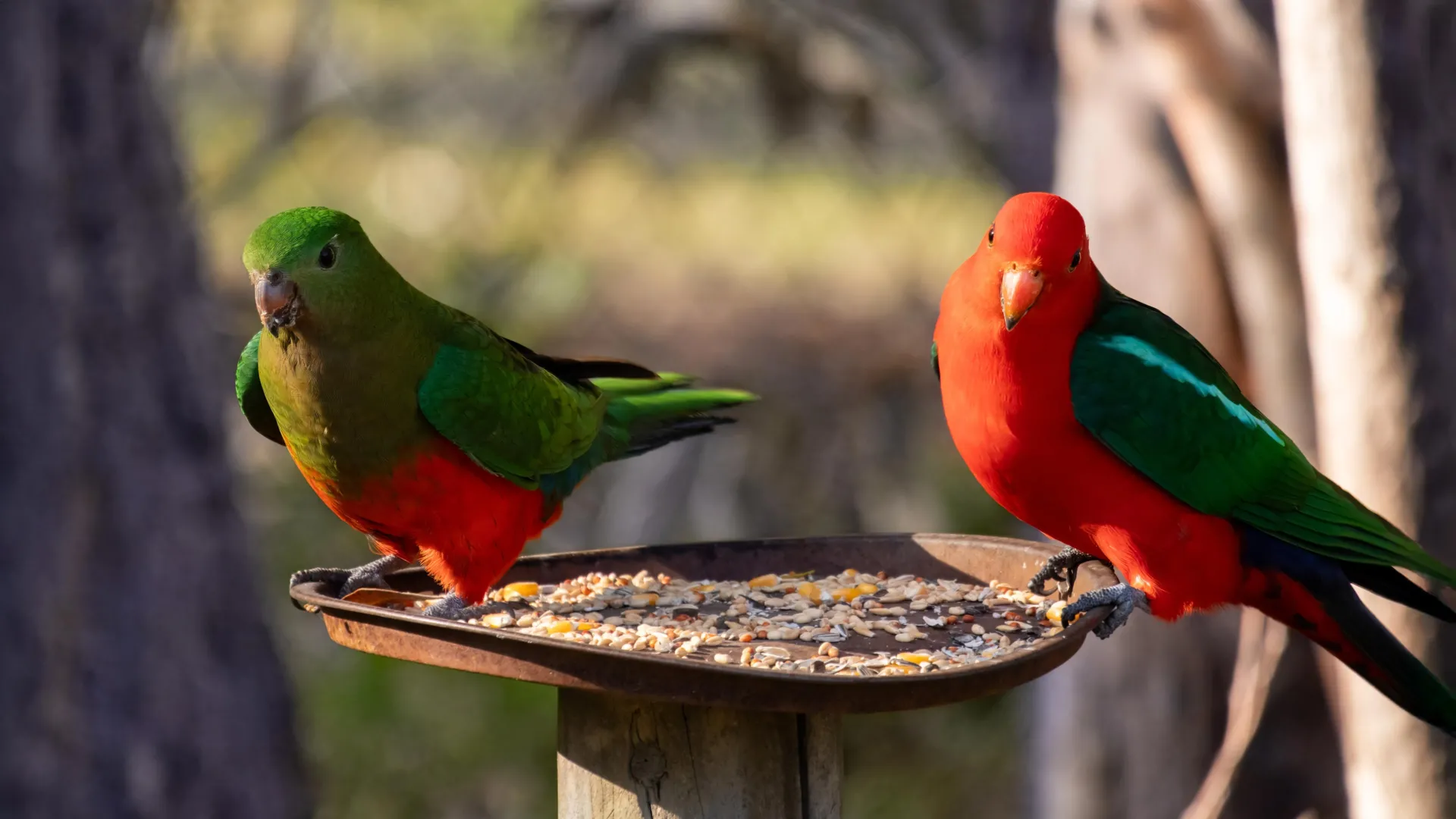
Backyard bird feeding is deeply embedded in the cultural fabric of Australian households, serving as one of the nation’s most enduring and widely practiced pastimes. Recent scientific research indicates that approximately half of all Australian households engage in the regular provision of food to wild birds, with a significant percentage doing so on a daily basis. While this activity is typically driven by altruism, a deep affection for local wildlife, and a desire to connect with nature, public health and conservation authorities are sounding the alarm. As the highly pathogenic avian influenza (HPAI) H5N1 strain sweeps across the globe and firmly establishes its presence within Australia, backyard feeding stations are increasingly recognized as potential epidemiological hotspots. These suburban oases risk transforming from havens of wildlife appreciation into superspreader events capable of accelerating the devastation of native bird populations and threatening mammalian wildlife.
The arrival and escalation of the H5N1 virus in Australia mark a critical turning point in the nation’s biosecurity landscape. For years, Australia remained the last inhabited continent largely untouched by this specific lineage of highly pathogenic avian influenza, which has already caused catastrophic mortality events among wild birds and mammals across Europe, the Americas, and parts of Asia. However, the virus has breached these geographical buffers, resulting in alarming mass mortality incidents. Most notably, recent outbreaks have claimed the lives of more than 1,000 crested terns, while the detection of the virus in a long-nosed fur seal marks a grim milestone as the first recorded case of H5N1 in a mainland Australian marine mammal. These events underscore the virulent nature of the strain and its capacity to cross species barriers, moving swiftly from avian vectors to mammalian scavengers and marine life.
The Appeal and Perils of Supplementary Feeding
The motivations behind feeding wild birds are manifold. For millions of Australians, scattering seeds, hanging nectar dispensers, or leaving out meat scraps is a daily ritual that fosters a sense of stewardship over the natural world. Proponents argue that supplementary feeding helps vulnerable species survive periods of environmental stress, drought, or habitat loss. However, ornithologists and wildlife health experts have long debated the ecological consequences of this practice. Beyond concerns regarding poor nutritional intake—such as metabolic bone disease caused by inappropriate food choices—and the development of unnatural dependencies on human-provided resources, the looming threat of disease transmission has elevated the debate to a matter of urgent national security.
Supplementary feeding fundamentally alters natural wildlife behavior by artificially aggregating animals in densities and combinations that would never occur in a natural setting. In a normal ecosystem, wild birds forage over vast territories, naturally maintaining physical distances that inhibit the rapid spread of pathogens. A backyard feeder, conversely, acts as a centralized communal hub. When dozens—or even hundreds—of birds from various species congregate tightly around a localized food source, the likelihood of pathogen shedding and transmission multiplies exponentially. If a single infected bird visits the feeder, it can contaminate feeding surfaces, water baths, and the food itself, effectively turning a suburban garden into a transmission hotspot for the H5N1 virus.
This dynamic poses an acute threat to Australia’s most vulnerable and endangered fauna. Conservationists warn that an outbreak fueled by backyard feeding stations could push teetering populations, such as the critically endangered orange-bellied parrot, past the brink of extinction. Furthermore, the risk is not confined to avian species. Scavenger animals, including red foxes, possums, and native corvids, frequently visit these locations or prey upon weakened birds, exposing themselves to the lethal virus and serving as secondary vectors for broader environmental contamination.
Chronology of the H5N1 Incursion in Australia
The trajectory of avian influenza in the Southern Hemisphere has required continuous monitoring by biosecurity agencies, virologists, and wildlife health networks. The timeline of the current crisis highlights the rapid evolution from distant threat to domestic emergency:
- Pre-2023: Australia maintains its historical status as free from the H5N1 HPAI lineage, though localized outbreaks of low-pathogenic strains and older exotic lineages occasionally affect poultry.
- Late 2023 to Mid-2024: Global waves of H5N1 continue to decimate marine mammal colonies and wild bird populations across the sub-Antarctic islands and South America, raising intense concerns among Australian biosecurity experts regarding migratory pathways.
- Late 2024: Surveillance networks heighten alert levels as migratory shorebirds complete their annual trans-hemispheric journeys, bringing potential pathogen vectors into closer proximity with Australian coastlines.
- Mid-2026: The crisis intensifies dramatically with confirmation of mass mortality events. Over 1,000 crested terns succumb to the virus in coastal incidents, signaling widespread circulation within marine bird communities.
- August 2026: Biosecurity authorities confirm the first mainland mortality of a marine mammal, with a long-nosed fur seal testing positive for H5N1. This milestone forces a rapid reassessment of cross-species transmission risks, prompting coordinated warnings from conservation councils, agricultural departments, and public health agencies.
Official Responses and Biosecurity Recommendations
In response to the escalating crisis, federal and state biosecurity agencies, alongside conservation bodies such as the Biodiversity Council, have issued rigorous guidelines for the public. The primary and most effective strategy recommended by wildlife epidemiologists is the complete cessation of backyard bird feeding.
Public resistance to halting feeding practices is anticipated, given the deep emotional bonds many citizens share with their backyard visitors. However, scientific consensus emphasizes that backyard feeding provides only a fraction of a bird’s daily nutritional intake. Extensive research demonstrates that birds visiting urban feeders derive the vast majority of their dietary requirements from natural foraging sources, including insects, seeds, nectar, and worms. Consequently, the food provided by humans functions primarily as a supplemental snack rather than an essential lifeline, meaning that cessation will not lead to widespread starvation.
For individuals who find it difficult to stop feeding entirely, experts have outlined three strict risk-mitigation protocols designed to minimize viral transmission:
- Drastically Reduce Food Volumes: Limiting the quantity of food available prevents large, dense flocks from congregating. By restricting the supply, backyard habitats mimic natural dispersion patterns, echoing public health social-distancing measures utilized during human pandemics to interrupt viral chains of transmission.
- Eliminate Hand-Feeding: The practice of hand-feeding wild birds, while offering a uniquely intimate wildlife experience, must be abandoned immediately. Direct physical contact elevates the risk of zoonotic transfer. While human infections of H5N1 remain rare and typically manifest with mild symptoms, the potential for viral mutation necessitates an abundance of caution regarding direct contact with potentially infected wildlife.
- Rigorous Sanitation Protocols: If feeding stations remain active, daily cleaning and disinfection of all feeding surfaces, trays, and water receptacles using domestic-grade bleach is mandatory. Experts stress that individuals unwilling or unable to maintain these strict hygiene standards should not feed wild birds under any circumstances.
Broader Implications and Public Health Outlook
The intersection of backyard wildlife interaction and emerging infectious diseases highlights a broader challenge for modern conservation and biosecurity management. As urban footprints expand and human-wildlife interfaces multiply, the potential for zoonotic spillover events increases correspondingly. The H5N1 crisis serves as a stark reminder that local domestic actions can have profound regional and ecological consequences.
From an economic and agricultural standpoint, the unchecked spread of avian influenza threatens not only fragile native ecosystems but also Australia’s multi-billion-dollar poultry industry. Biosecurity lockdowns, trade restrictions, and containment protocols deployed to protect commercial flocks rely heavily on controlling the reservoir of infection within wild animal populations. If suburban environments inadvertently maintain viral transmission cycles through unmonitored backyard feeding, the containment of the wider epidemic becomes significantly more complex.
Public health authorities maintain that while the current risk to the general human population is low, vigilance is paramount. Individuals are strongly advised to avoid all physical contact with sick or deceased wildlife. Standard protocols dictate that any suspected sightings of mass mortality or infected animals should be documented from a safe distance, with precise locations recorded, pets kept securely away, and incidents reported immediately to the Emergency Animal Disease Hotline.
As Australia navigates this critical phase of the H5N1 incursion, the traditional backyard bird feeder is undergoing a profound reassessment. What was once viewed purely as an act of kindness toward nature is now recognized as a potential vector for widespread ecological disruption. Balancing human empathy for wildlife with the rigorous demands of disease prevention will require a fundamental shift in how Australians interact with their feathered neighbors, prioritizing long-term population health and biosecurity safety above the immediate gratification of backyard feeding.
