
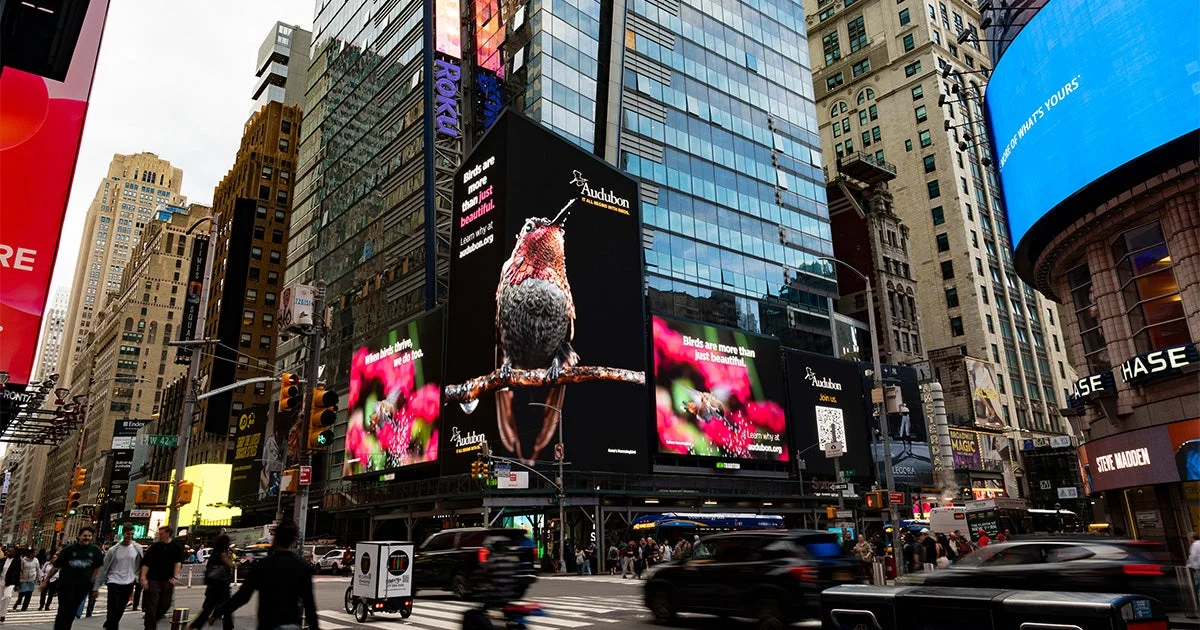
The National Audubon Society transformed the urban landscape of New York City into a hub for environmental advocacy during Climate Week NYC 2026, positioning birds as the central barometer for the global climate crisis. By weaving avian biology into high-level policy discussions and youth engagement initiatives, the organization highlighted that the survival of migratory species is inextricably linked to the resilience of human infrastructure and global economic stability. The week-long series of events served as a microcosm of the broader transition toward a decarbonized economy, demonstrating how environmental stewardship can bridge the gap between industrial energy needs and ecological preservation.
The Avian Indicator: A Scientific Framework for Climate Policy
Birds serve as highly sensitive biological sensors, reacting rapidly to shifts in temperature, precipitation, and habitat availability. Because they inhabit diverse ecosystems—from the Arctic tundra to tropical rainforests—the declining populations of certain species act as an early warning system for ecosystem collapse. According to data from the Intergovernmental Panel on Climate Change (IPCC), approximately 30 percent of bird species are currently facing heightened risk due to climate-driven habitat loss.
During the 2026 Climate Week events, Audubon experts emphasized that the migratory patterns observed in the Ramble of Central Park are not merely anecdotal; they are empirical evidence of shifting seasonal cycles. When thrushes, warblers, and hummingbirds arrive earlier or later than historical averages, it signals a disruption in the insect populations and flora upon which they depend. By framing climate action through the lens of avian migration, Audubon successfully shifted the conversation from abstract temperature goals to tangible, observable phenomena that resonate with policymakers and the public alike.
Chronology of Engagement: A Week of Collaborative Action
The week’s activities followed a structured agenda designed to integrate conservation biology with economic and infrastructure policy.
- September 21: The event kicked off with a high-visibility public awareness campaign, featuring a 10,000-square-foot digital billboard in Times Square. The display of a hummingbird served as a visual anchor, contrasting the frenetic pace of urban life with the fragility of avian life.
- September 22: The focus shifted to infrastructure, with Audubon staff co-hosting the "Innovative Alternative Financing Models to Promote Transmission" session alongside the Clean Air Task Force. This session addressed the critical bottleneck in the clean energy transition: the lack of modernized, high-voltage transmission lines.
- September 23: The "Nature4Climate" plenary session took place, focusing on "Nature Intelligence." Experts discussed the economic valuation of ecosystems, arguing that forest carbon sequestration is a fiscal asset rather than just an environmental byproduct.
- September 24: Dedicated to the next generation, the Solutions House event brought together student chapters from universities such as Yale, Howard, and Binghamton. This underscored the organization’s push to build a pipeline for green-collar jobs.
- September 25: The week concluded with a series of closed-door roundtables focusing on the 2028 forest policy agenda, solidifying commitments to ending deforestation by 2030.
Infrastructure and Energy: The Challenge of Responsible Development
A primary theme of the 2026 proceedings was the intersection of renewable energy expansion and biodiversity protection. The rapid build-out of wind, solar, and battery storage facilities is essential for meeting the 2030 emissions reduction targets. However, Audubon’s participation in technical discussions highlighted the importance of "responsible development"—ensuring that the construction of renewable energy infrastructure does not inadvertently fragment critical habitats or disrupt migratory corridors.
The collaborative session on transmission financing explored how public-private partnerships can incentivize grid upgrades that prioritize existing rights-of-way, thereby minimizing ecological impact. Industry leaders and environmental advocates reached a consensus that permitting reform must be balanced with robust environmental impact assessments. This marks a departure from earlier debates where energy and environment were often presented as mutually exclusive goals. By facilitating these conversations, Audubon acted as a mediator, ensuring that the "green" transition remains truly sustainable.
The Human Element: Empowering the Next Generation
A significant portion of Audubon’s strategy involves the institutionalization of conservation as a career path. The "Green Jobs Pavilion" was a standout feature of the week, reflecting a massive surge in interest among students and young professionals. Data from the event indicated that attendance at the Conservation Jobs panel exceeded expectations, with overflow crowds sitting on the floor to hear from practitioners in the field.
This interest is being translated into tangible outcomes. Students from the Audubon on Campus program are increasingly moving from academic study to field operations, with some graduates already assuming roles at sanctuaries like the Constitution Marsh Audubon Center. This professionalization of the conservation workforce is vital. As the climate crisis evolves, the sector requires experts who can navigate the complexities of environmental law, data analysis, and community engagement.
Global Implications: Deforestation and the 2030 Goal
The international dimension of the 2026 Climate Week agenda focused heavily on the global commitment to halt deforestation. Audubon engaged with stakeholders regarding the Tropical Forests Forever Facility, an initiative designed to provide long-term financial incentives for nations that preserve their forest cover.
The economic argument for nature-based solutions is gaining traction. By integrating "nature intelligence"—the use of satellite imagery, AI-driven forest monitoring, and transparent carbon markets—into investment portfolios, governments and investors can better mitigate risk. The consensus among participants was that forest restoration is not merely a philanthropic endeavor but a necessary economic strategy to maintain global supply chains and water security.
Analysis: The Future of Advocacy
The 2026 Climate Week activities demonstrated a strategic shift in how environmental NGOs operate. Rather than operating in a silo, organizations like the National Audubon Society are increasingly embedding themselves into the mechanics of government policy and corporate investment.
The use of public art, such as the Audubon Mural Project and the Times Square billboard, acts as a "soft power" tool to maintain public engagement, while the high-level policy roundtables provide the "hard power" needed to influence legislation. The implications for the next three years are clear: the focus will be on the 2028 policy cycle, with a concerted effort to codify current commitments into law.
As climate change accelerates, the success of these initiatives will be measured by the stability of bird populations. If the efforts to preserve corridors and restore forests are successful, the indicators will show a stabilization in migration patterns. Conversely, if these efforts fail, the loss of these species will serve as a definitive metric of our inability to adapt.
Official Responses and Stakeholder Perspectives
While official statements from the various participating organizations emphasized unity, there was an underlying acknowledgement of the urgency of the task. Representatives from the Clean Air Task Force noted that while the technology for a clean grid exists, the political and financial willpower is still catching up. Similarly, youth activists expressed a sense of impatience, noting that while pathways to careers are opening, the pace of policy change at the federal level often lags behind the urgency expressed by the scientific community.
The National Audubon Society’s proactive stance during the event signals a broader institutional commitment to not just observing the decline of nature, but actively participating in the market and policy structures that govern it. By positioning birds as the common thread, the organization has successfully linked the local experience of a birdwatcher in Central Park to the global mandate of the Paris Agreement, creating a narrative that is both scientifically grounded and deeply human.
As Climate Week 2026 fades into the background, the work remains. The integration of nature-based solutions into the global economic framework will be the definitive challenge for the remainder of the decade. With the next generation of conservation leaders already in the field, the movement appears poised to hold governments and corporations accountable to their climate pledges, using the flight of birds as both a map and a mandate for the future.
