
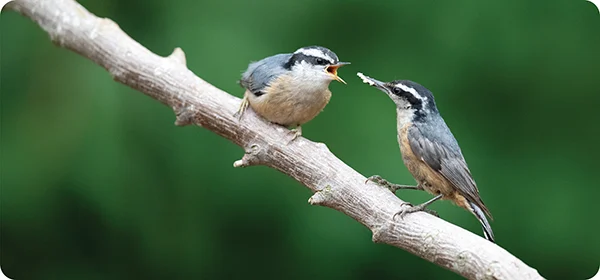
The arrival of spring and summer brings a vibrant transformation to backyards across North America, marked by the unmistakable sights and sounds of a new generation of wildlife. For millions of homeowners and amateur ornithologists, the seasonal emergence of fledgling birds represents a profound connection to the natural world. From the clumsy, endearing antics of young woodpeckers learning to navigate a suet feeder to the persistent, high-pitched demands of fledgling goldfinches and chickadees trailing their exhausted parents, this annual wildlife phenomenon captures public attention and underscores the ecological importance of backyard bird feeding.
According to avian experts and wildlife advocacy organizations, this period of high reproductive activity is not merely a source of aesthetic enjoyment; it is a critical window in the annual avian lifecycle. The survival rates of juvenile birds during their first weeks out of the nest heavily influence local population stability. Consequently, conservationists, backyard habitat specialists, and franchise networks such as Wild Birds Unlimited (WBU) have increasingly focused public education efforts on how human intervention—specifically through supplemental feeding and habitat management—can meaningfully bolster reproductive success during these vulnerable months.
The Ecological Impact of Supplemental Feeding
The relationship between backyard bird feeders and avian reproductive success has been the subject of numerous ornithological studies over the past several decades. Traditional assumptions once suggested that supplemental feeding might alter natural foraging behaviors or create unhealthy dependencies. However, contemporary research paints a vastly different picture, indicating that reliable access to high-energy food sources provides substantial evolutionary advantages to breeding pairs and their offspring.
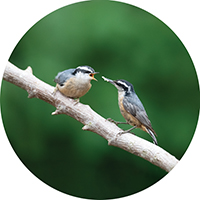
Data from field studies demonstrate that birds with consistent access to bird feeders frequently initiate egg-laying significantly earlier in the season compared to populations relying entirely on natural foraging. This temporal advantage is critical. Earlier broods generally encounter reduced competition for food and territory within their ecosystems. Furthermore, early-season fledglings typically exhibit higher survival rates and greater fledging success than those hatched later in the summer, when resources may become depleted and predator populations peak.
The physiological demands placed on breeding females are immense. Constructing a secure nest, producing eggs, and defending territory require substantial caloric and nutritional investments. When backyard feeders supply an abundant, easily accessible source of energy, breeding females can drastically reduce the time and energy expended on foraging. This surplus time is frequently redirected toward selecting superior, safer nesting sites and constructing sturdier, better-insulated nests. Additionally, parents retain more time to actively guard their nests, eggs, and altricial young against potential predators such as jays, squirrels, and domestic cats.
Nutritional Science and Nestling Development
Beyond maternal benefits, supplemental feeding profoundly influences nestling development and post-fledging survival. When adult birds have secure access to abundant feeder provisions near their nesting territories, they are free to dedicate more of their foraging excursions to hunting diverse, nutrient-rich natural foods—such as caterpillars, spiders, and other protein-packed insects—specifically required by growing nestlings.
Nutritional research highlights that this dual-feeding strategy—combining high-calorie commercial supplements with natural insect prey—significantly enhances the growth rates of nestlings. Adequate nutrition directly correlates with reduced aggression among nest siblings competing for limited resources, leading to healthier, more robust broods.

Specialized formulations have been developed by avian nutritionists to meet these exact physiological demands. Products such as high-protein nesting blends, which incorporate ingredients like sunflower chips, peanuts, mealworms, specialized bark butter bits, tree nuts, and essential calcium, supply the critical nutrients required by adults preparing to nest, actively incubating parents, and young birds transitioning to independence. Calcium, in particular, is vital for proper eggshell formation and skeletal development in nestlings, a deficiency of which can severely compromise a brood’s viability.
Habitat Management: Beyond the Feeder
While supplemental nutrition plays a pivotal role in avian reproductive success, wildlife specialists emphasize that feeding alone is insufficient to sustain a thriving backyard ecosystem. The physical architecture of the yard—comprising natural shelter, nesting cavities, and foraging substrates—is equally critical.
Ornithological guidelines suggest that property owners seeking to support local bird populations should rethink traditional landscaping norms. Highly manicured, immaculate lawns often strip away the natural resources required for successful nesting. Experts advocate for a shift toward more ecologically intentional yard management, which includes:
- Retaining Natural Debris: Leaving areas of the yard slightly "messy"—such as unraked leaf litter, fallen branches, and dead brush—provides essential foraging grounds for insectivorous species and supplies vital plant fibers and twigs for nest construction.
- Planting Native Flora: Introducing native trees, shrubs, and flowering perennials attracts specialized native insects, which form the dietary backbone for nestlings. Native vegetation also offers secure, species-appropriate shelter and nesting architecture that exotic ornamental plants often fail to provide.
- Installing Appropriate Nesting Infrastructure: Properly designed and securely installed nest boxes can drastically improve nesting success rates, particularly for cavity-nesting species such as bluebirds, wrens, and tree swallows. Well-constructed boxes offer crucial thermal regulation, shielding eggs and nestlings from extreme temperature fluctuations and severe damp weather events that can lead to hypothermia in young broods.
Industry Perspectives and Conservation Outreach
As public interest in backyard wildlife conservation continues to grow, industry leaders are expanding educational outreach to help citizens maximize their environmental impact. Organizations like Wild Birds Unlimited, operating hundreds of specialty nature and bird-feeding stores across the United States and Canada, have long championed the intersection of citizen science and backyard stewardship.
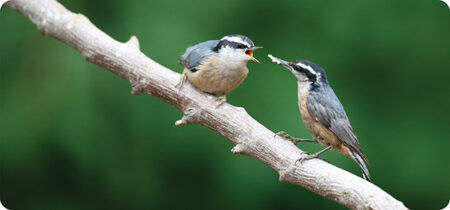
Through educational platforms such as the Nature Centered podcast and specialized resource guides, wildlife experts stress that conservation begins at the local, residential level. According to corporate and independent environmental advocates, the emotional gratification derived from observing backyard wildlife serves as a powerful catalyst for broader ecological stewardship. When individuals witness firsthand the difference that a well-maintained habitat and reliable nutrition make in the survival of a fledgling bluebird or woodpecker, they are more likely to adopt sustainable practices in their broader communities.
Furthermore, observational data gathered by millions of backyard bird enthusiasts contributes valuable citizen-science metrics to institutional researchers tracking avian population trends, migration shifts, and the impacts of climate change on breeding seasons.
Broader Implications and Future Outlook
The growing popularity of backyard bird feeding and habitat gardening reflects a broader cultural shift toward urban and suburban conservation. As natural habitats face ongoing fragmentation due to commercial and residential development, suburban yards are increasingly recognized by conservation biologists as vital micro-refuges for migratory and resident bird populations.
The economic and ecological implications of this trend are significant. The backyard wildlife industry drives substantial economic activity through the sale of specialized foods, feeders, and optical equipment, while simultaneously fostering a scientifically literate public engaged in habitat preservation. By bridging the gap between scientific research and residential wildlife management, homeowners are transforming ordinary backyards into functional conservation corridors.

Ultimately, the seasonal emergence of fledgling birds offers both an intimate personal experience with nature and a measurable ecological contribution. Through informed habitat management, thoughtful supplemental feeding, and a commitment to ecological landscaping, citizens can actively enhance the resilience of local bird populations, ensuring that the vibrant sights and sounds of spring remain a fixture of the suburban landscape for generations to come.
