
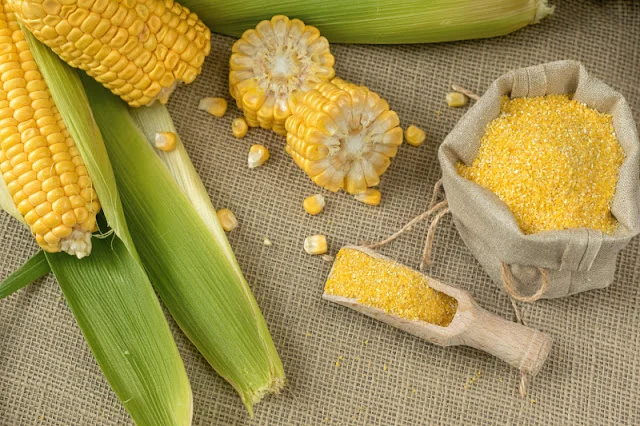
The inclusion of corn in the diet of backyard poultry has long been a subject of debate among avian enthusiasts, agricultural scientists, and homesteaders. As backyard chicken keeping has grown in popularity—with the American Poultry Association noting a steady increase in urban and suburban flock registration over the last decade—the need for evidence-based dietary guidelines has become paramount. The core of the controversy centers on the metabolic implications of corn consumption relative to seasonal temperature fluctuations. While corn is a staple in agricultural feed, misconceptions regarding its thermogenic properties during summer months often lead to unnecessary restrictions or, conversely, improper feeding practices.
The Thermogenic Debate and Metabolic Processes
To understand why corn is a focal point of poultry nutrition, one must examine the bird’s digestive process. Chickens possess a specialized organ known as the crop, where food is stored and softened before passing into the proventriculus and gizzard. During the winter months, the metabolic energy required to break down complex carbohydrates and fibers generates internal heat. This process, known as diet-induced thermogenesis, is a vital mechanism for avian survival in cold climates.

Agricultural researchers have long identified that high-fiber and complex carbohydrate-dense foods, such as dried whole or cracked corn, require more sustained digestive effort than simple proteins or soft greens. Consequently, feeding chickens cracked corn in the late afternoon provides the flock with a slow-release energy source that sustains their metabolism throughout the colder overnight hours. This practice aligns with standard avian husbandry, where the goal is to maintain the core body temperature of the flock during periods of extreme cold.
Conversely, the concern regarding summer feeding stems from the biological reality that digestion produces heat as a byproduct. In periods of extreme ambient heat—often defined as temperatures exceeding 85 degrees Fahrenheit (29 degrees Celsius)—a chicken’s ability to dissipate heat is limited by the lack of sweat glands. If a bird is forced to expend significant metabolic energy to digest heavy, dry grains, it may struggle to regulate its body temperature. Therefore, while corn is not inherently toxic or dangerous, its role in the diet should shift based on seasonal environmental stress.
Historical Context and Modern Poultry Husbandry
For generations, the "scratch and grain" method of feeding has been a hallmark of traditional farming. Historically, corn was readily available and served as an affordable energy filler. However, as modern poultry nutrition science has evolved, feed manufacturers have begun to distinguish between "complete feeds" and "treats."

A complete feed is formulated to provide a balanced ratio of protein, amino acids, calcium, and vitamins essential for egg production and immune health. Corn, while rich in carbohydrates, is relatively low in essential proteins and specific micronutrients. Consequently, veterinarians and poultry nutritionists warn against allowing corn to exceed 10% of a chicken’s total daily caloric intake. When corn is fed in excess, it can lead to obesity, fatty liver syndrome, and a decrease in egg production, as the bird fills its crop with calories rather than the nutrients required for physiological maintenance.
Nutritional Composition and Physiological Impact
From a biochemical perspective, corn offers a specific nutritional profile that can be advantageous when managed correctly. It contains essential antioxidants, including zeaxanthin and lutein, which are crucial for maintaining retinal health in birds. Furthermore, corn provides modest amounts of niacin (Vitamin B3), which is essential for the growth and development of skeletal structures in growing pullets.
However, the nutritional density of corn is secondary to its energy density. A breakdown of corn’s chemical composition reveals:

- Carbohydrates: High starch content, providing sustained energy.
- Fiber: Aids in maintaining gut motility when consumed in appropriate quantities.
- Micronutrients: Contains B6, Vitamin C, magnesium, and phosphorus.
- Anti-nutritional factors: If not stored properly, corn can be susceptible to mycotoxins, such as aflatoxins, which are hazardous to poultry health.
The inclusion of corn husks and silks—often discarded as agricultural waste—also presents an opportunity for nutritional supplementation. Poultry, particularly ducks, have shown an affinity for corn silk, which contains high levels of Vitamin K. This vitamin is critical for blood clotting and metabolic regulation. While the core of the corn cob provides little nutritional value, it serves as a form of environmental enrichment, encouraging natural pecking behaviors that reduce stress-related aggression within the flock.
Seasonal Feeding Strategies: A Chronological Framework
Effective poultry management requires an adaptive approach to seasonal shifts. A recommended chronological framework for feeding corn is as follows:
Winter (Late Autumn to Early Spring):
During these months, the primary objective is thermoregulation. Dried whole or cracked corn is the preferred form, provided in the late afternoon. This timing ensures the digestive process peaks during the coldest hours of the night. It is critical to ensure the birds have access to water, as digestion requires significant hydration.

Spring and Summer (Late Spring to Early Autumn):
As ambient temperatures rise, the dietary focus shifts toward hydration and cooling. During these periods, fresh corn or frozen kernels are preferable to dry grains. Fresh corn contains a higher water content, which assists in keeping the bird hydrated. Feeding should occur during the cooler morning or evening hours to avoid forcing the birds to digest heavy energy loads during the peak heat of the day.
Transition Periods:
During the spring and autumn molting seasons, chickens require higher protein intake to regenerate feathers. During these times, corn should be significantly reduced in favor of high-protein supplements, such as black oil sunflower seeds or specialized molting feeds.
Expert Perspectives and Regulatory Implications
The consensus among avian veterinarians is that the "corn controversy" is largely a matter of nutritional balance rather than a binary "yes or no" question. Dr. Elena Vance, a consultant in avian pathology, notes that "the health risks associated with corn are almost exclusively linked to overfeeding or using it as a primary feed source instead of a supplemental treat. When owners treat corn as a complete diet, they compromise the bird’s immune system, leading to susceptibility to heat stress in summer and nutritional deficiencies year-round."

Industry groups, such as the Backyard Chicken Advocacy Council, emphasize that while the practice of feeding scraps is deeply ingrained in agricultural culture, it must be governed by data. The shift toward evidence-based poultry keeping has resulted in a move away from "table scraps" toward structured nutritional supplementation.
Broader Implications for Sustainable Poultry Keeping
The debate surrounding corn highlights the broader challenge of sustainable, small-scale poultry production. As the global supply chain for commercial grains fluctuates, the ability of the average keeper to supplement feed correctly becomes a matter of food security for their flock.
If a keeper chooses to include corn in their birds’ diet, they must also ensure that the corn is free from mold and contaminants. The storage of grain is a critical, often overlooked, factor. Grain stored in high-humidity environments can quickly develop fungal spores, which, if ingested by chickens, can cause respiratory distress and severe organ damage. Proper storage involves airtight containers and a rotation system to ensure that the oldest feed is consumed first.

In conclusion, corn remains a valuable, albeit misunderstood, component of poultry nutrition. Its role as an energy-dense, cost-effective, and locally available resource makes it a staple of the homestead. By understanding the metabolic cost of its digestion, the nutritional limitations of its profile, and the necessity of seasonal rotation, owners can effectively mitigate the risks of overheating and nutritional imbalance. Through the lens of modern husbandry, corn is neither a villain nor a miracle food; it is a tool that, when used with precision and moderation, supports the health and longevity of backyard flocks. As the community of chicken keepers continues to expand, the transition from anecdotal practice to science-based management remains the most effective path toward ensuring the welfare of poultry in changing climates.
