
As the autumnal equinox approaches and daylight hours begin to recede, backyard poultry keepers across the Northern Hemisphere observe a significant physiological transition in their flocks: the annual molt. This biological process, triggered by a decrease in photoperiod—the duration of daily light exposure—serves as a critical preparation phase for winter survival. During this period, chickens and ducks systematically shed their worn-out summer plumage to grow a fresh, dense set of feathers. Understanding the nutritional demands of this cycle is paramount for ensuring the long-term health and productivity of the flock.

The Biological Mechanics of the Molt
Feathers are composed primarily of keratin, a structural protein that accounts for approximately 90% of a feather’s chemical composition. When a bird enters a molt, the metabolic demand for amino acids—the building blocks of protein—skyrockets. Research in avian physiology indicates that a bird’s protein requirement can increase by as much as 20% to 30% during the peak of feather regeneration.
If a bird is not provided with adequate dietary protein, the molting process may be prolonged, or the resulting plumage may be sparse, leaving the bird vulnerable to temperature fluctuations as winter approaches. Furthermore, because the molt is energy-intensive, birds often cease egg production to divert all available nutrients toward tissue repair and growth. This reproductive hiatus is a natural, healthy function that allows the bird to recover body condition before the onset of extreme cold.

Chronology of the Seasonal Shift
The molting cycle typically initiates in late summer or early fall, following the summer solstice. As the days shorten, the pineal gland in the bird’s brain registers the change in light intensity and duration. This signal suppresses the production of reproductive hormones and triggers the thyroid gland to initiate the shedding process.
For the average backyard flock, the cycle follows a predictable timeline:

- Early Phase: A gradual loss of neck and breast feathers. Egg production begins to decline as internal resources are reallocated.
- Mid-Phase: Heavy shedding occurs across the back and wings. Birds may appear disheveled or "pin-cushioned" as new feather shafts, encased in keratin sheaths, emerge.
- Late Phase: The new plumage reaches maturity. The bird begins to regain its pre-molt appearance, and the focus shifts back to metabolic maintenance for winter.
Nutritional Strategies for Flock Health
To mitigate the stress of the molt, poultry experts recommend a shift in dietary management. While summer foraging provides ample access to water-laden produce like cucumbers or watermelon, these items are insufficient for the high-protein requirements of the fall. Replacing low-calorie, high-water treats with nutrient-dense, protein-rich supplements is the standard of care for maintaining weight and feather quality.
1. Dried Insects and Larvae
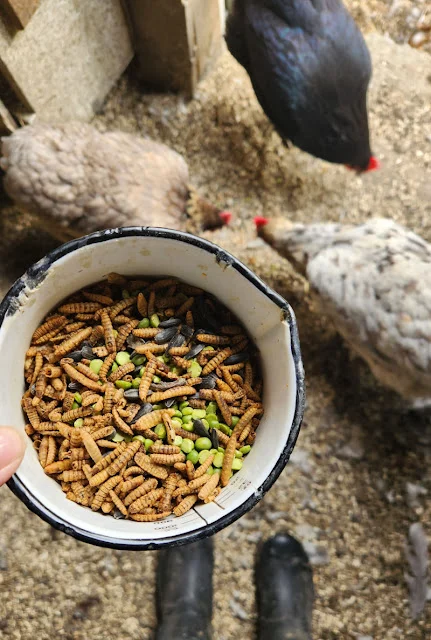
As temperatures drop, natural insect populations—a primary source of animal protein for free-ranging chickens—diminish. Supplementing the diet with dried black soldier fly larvae or mealworms provides a concentrated source of essential amino acids. These insects serve as a high-efficiency protein substitute that mimics the natural dietary intake birds would obtain in a lush, insect-rich environment.

2. Poultry-Derived and Animal Proteins
Although often perceived as grain-eaters, chickens are biologically omnivorous. Integrating small amounts of cooked meat scraps, such as poultry, beef, or pork trimmings, provides the specific amino acid profile necessary for rapid keratin synthesis. Furthermore, the inclusion of egg-based proteins is highly beneficial. Contrary to common myths regarding cannibalistic behaviors, providing cooked eggs to a flock does not encourage the destruction of laying eggs. Instead, it offers a highly bioavailable source of protein and essential fatty acids, often reducing the bird’s compulsion to forage for lower-quality protein sources elsewhere.
3. Botanical and Seed-Based Supplements
Sunflowers and assorted nuts represent excellent sources of dietary fats and proteins. Black oil sunflower seeds are particularly favored in the agricultural community due to their high oil content, which supports feather sheen and provides the caloric density needed to sustain body heat during cold nights. Additionally, legumes such as peas—which contain 25% to 30% protein—offer a stable, plant-based supplement that is particularly beneficial for mixed flocks containing ducks, as these legumes also provide essential niacin.

The Role of Supplemental Produce
While protein is the priority, the inclusion of seasonal produce such as pumpkins and squash remains valuable. These vegetables are rich in antioxidants and serve as a natural supplement to the primary diet. Recent studies into poultry intestinal health have suggested that certain compounds found in the seeds and flesh of cucurbits may act as a mild, natural vermifuge, assisting in the management of intestinal parasite loads. By encouraging the consumption of these fall harvests, keepers can support both the digestive and immune systems of their birds.
Expert Analysis and Industry Standards
According to poultry management experts, the primary error in fall flock care is the continued reliance on treats that are high in carbohydrates but low in protein. During the molt, the "empty calories" provided by bread scraps or excessive garden greens can lead to weight gain without providing the building blocks for feather regeneration.

"The nutritional priority in autumn is structural integrity," notes industry specialists who advocate for a "protein-first" protocol. "By ensuring the bird has access to an increased protein percentage in their total ration, we are effectively shortening the duration of the vulnerability window."
From an economic and logistical standpoint, the move toward protein-rich supplementation is viewed as a preventative measure. Birds that complete their molt efficiently and enter the winter with robust health are significantly less likely to succumb to respiratory infections or cold-related stress.

Broader Implications for Sustainable Flock Management
The transition from summer to fall is a critical juncture in the calendar of a poultry keeper. The shift is not merely about providing "treats," but about managing the bird’s endocrine and physical recovery. As climate patterns shift, the timing of the molt may occasionally fluctuate; however, the biological requirement for protein remains constant.
Proactive keepers who prepare by sourcing dried insects, high-protein seeds, and seasonal vegetables early in the year are better positioned to support their flocks. This systematic approach reduces the stress placed on the animal and ensures that, once the spring cycle returns, the birds are in peak condition for the next season of production. By viewing the molt as a distinct nutritional event rather than a passive seasonal change, keepers can ensure the longevity and vitality of their birds, effectively bridging the gap between the abundance of summer and the austerity of winter.
