
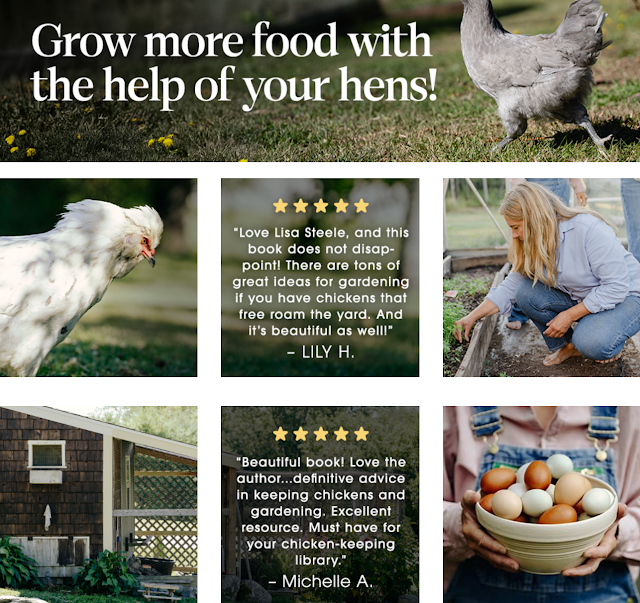
The publication of the 10th anniversary edition of Gardening with Chickens, slated for release on March 17, marks a significant milestone in the evolution of modern homesteading literature. Originally released in 2015 by author and poultry expert Lisa Steele, the book served as a foundational guide for integrating backyard flocks into sustainable gardening practices. The updated edition arrives as the backyard chicken-keeping movement—accelerated by global supply chain disruptions and a growing interest in food sovereignty—continues to see robust participation across North America.

The release of this revised work is not merely a cosmetic update; it represents a comprehensive recalibration of advice based on a decade of shifting agricultural demands, varying climate conditions, and refined husbandry techniques.
A Chronology of Growth and Adaptation
The genesis of the original work coincided with a period of personal and professional transition for Steele. In 2015, the relocation from Virginia, characterized by planting zone 8b, to Maine, defined by the more challenging planting zone 5a, necessitated a fundamental shift in her approach to both poultry management and horticulture.

The decade between 2015 and 2025 served as an informal longitudinal study of cold-climate agriculture. While the first edition addressed the basics of integrating manure management with vegetable production, the 10th anniversary edition incorporates the harsh realities of sub-zero winter temperatures, which demand different infrastructure and bio-security protocols. During this period, the scope of her operations expanded to include not only chickens but also ducks and geese, providing a broader data set for the revised manuscript.
Following her move, Steele’s engagement with the University of Maine Cooperative Extension Service’s Master Gardener program provided a rigorous framework for the technical updates included in the new text. This period of academic and practical study allowed for the refinement of soil health practices, crop selection for shorter growing seasons, and the design of predator-resistant infrastructure that can withstand heavy snow loads.

Technical Enhancements and Content Evolution
The decision to reissue the book was catalyzed by the original edition nearing the end of its print run. Rather than a simple reprint, the author and the publisher, Homestead Living, elected to perform a comprehensive audit of the material. This involved a granular review of every chapter to determine the continued relevance of the advice provided in 2015.
Key additions to the updated text include:

- Climate-Adaptive Gardening: Updated methodologies for high-latitude and high-altitude gardening that account for frost dates and soil temperature fluctuations.
- Integrated Pest Management (IPM): Enhanced strategies for using poultry as a biological control for garden pests, balanced with the need to protect young seedlings from foraging birds.
- Infrastructure Design: Revised blueprints for coops and run configurations that prioritize ventilation and insulation in extreme cold, as well as layouts that maximize the synergy between compost systems and poultry output.
- Visual Documentation: A complete overhaul of the book’s photography. The new imagery, captured over a three-day intensive production period, serves as a visual guide to the practical application of the book’s principles, showcasing the integration of landscaping and poultry management in a functional, aesthetic, and sustainable manner.
The Broader Context of Backyard Agriculture
The relevance of Gardening with Chickens is supported by broader trends in the agricultural sector. According to data from the American Poultry Association and various consumer surveys conducted by agricultural retailers, backyard chicken ownership in the United States has seen a steady increase since 2020. This shift is attributed to consumers seeking greater control over their food sources, particularly in the face of rising egg prices and concerns regarding the sustainability of industrial poultry operations.
Academic institutions, such as the University of Maine Cooperative Extension, emphasize that backyard flocks contribute significantly to localized nutrient cycling. When managed correctly, chicken manure is a high-nitrogen soil amendment, yet it requires specific processing—such as composting—to be safe for vegetable gardens. The revised edition of the book addresses these chemical and biological realities, providing readers with actionable data on nitrogen-to-carbon ratios and pathogen mitigation.

Industry and Expert Perspective
The collaboration between Steele and Homestead Living highlights a growing trend in the publishing industry: the “living book” model, where educational texts are updated periodically to remain useful in an era of rapid information exchange and changing climate patterns.
Representatives from the agricultural community often point to the importance of such resources in reducing the mortality rates of backyard flocks. A common issue among novice keepers is the improper winterization of coops or the failure to account for predator pressure, which often peaks during the fall and winter months. By providing updated guidelines, the 10th anniversary edition aims to mitigate these risks.

“The goal was to provide a synthesis of ten years of practical, on-the-ground experience,” stated editorial sources familiar with the project. “When a writer moves from a temperate climate to one that faces sub-zero conditions, the entire philosophy of management has to change. Capturing that learning curve is what adds the most value for the reader.”
Implications for the Future of Small-Scale Homesteading
The release of this edition is expected to have a notable impact on the hobbyist community. By emphasizing "natural, old-timer methods," the book positions itself as a counter-narrative to the highly processed, commercialized approach to modern farming. The implication for the reader is clear: successful homesteading is an iterative process that requires ongoing education and adaptation to one’s specific environment.

Furthermore, the emphasis on landscape design—integrating the chicken run into the overall garden plan—suggests a shift toward "permaculture-lite" practices. This approach views the backyard not as a series of disparate parts, but as a closed-loop system where the waste of one element (the chickens) becomes the fuel for another (the garden).
As the March 17 release date approaches, pre-orders through platforms like Amazon and direct channels like Homestead Living are expected to be high, reflecting the continued demand for reliable, field-tested guidance in an increasingly uncertain global food environment. For the modern homesteader, the book represents a resource that bridges the gap between traditional agricultural wisdom and the technical requirements of the 21st-century backyard.

Ultimately, the 10th anniversary edition of Gardening with Chickens stands as a testament to the fact that agricultural knowledge is never static. Whether for a beginner establishing their first flock or an experienced keeper looking to optimize their garden’s yield, the text provides a roadmap for sustainable, year-round production, proving that with the right management, even the most challenging climates can support a thriving, productive ecosystem.
