
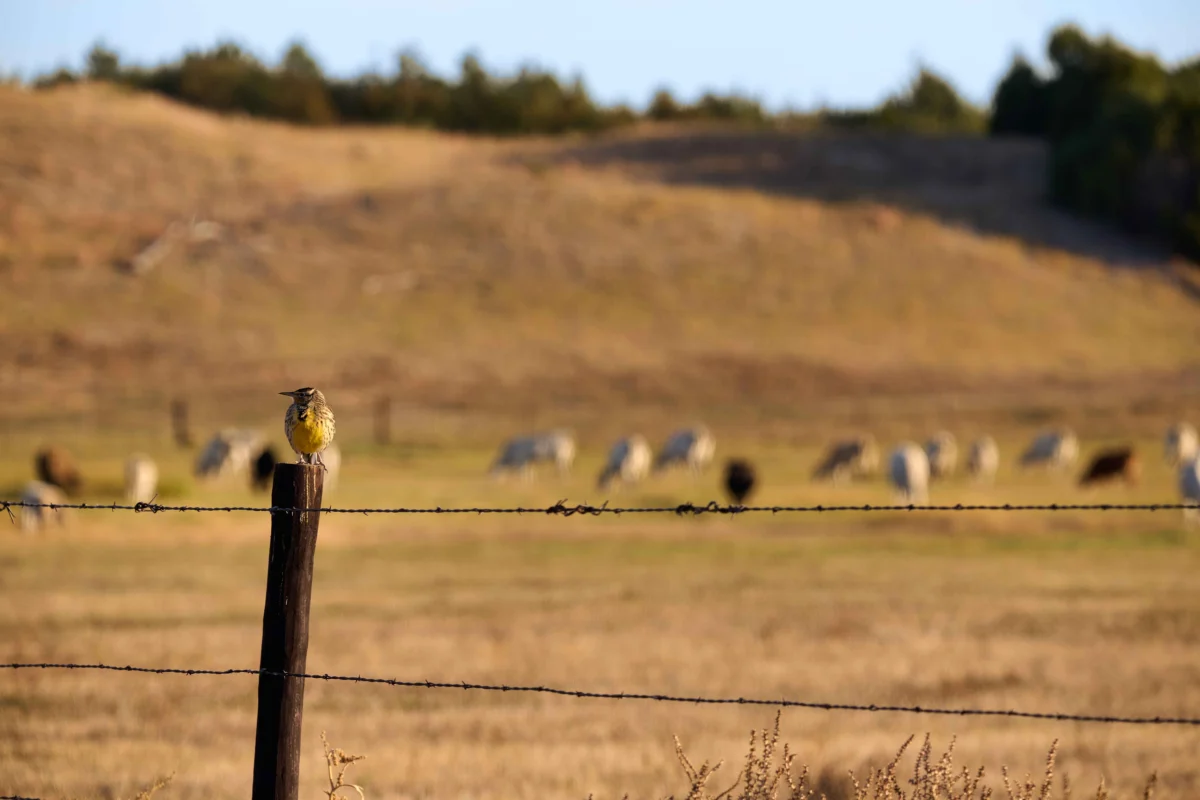
Across the vast expanse of the Great Plains, the health of the ecosystem is inextricably linked to the prosperity of the agricultural sector. Grasslands serve as the bedrock for livestock ranching, the primary filter for water resources, and the essential habitat for some of North America’s most vulnerable species. However, these landscapes are currently at a precarious crossroads. As native prairies face conversion into intensive cropland and the encroachment of invasive species like the eastern red cedar—which thrives in the absence of natural fire cycles—the region’s ecological integrity is fraying. A new legislative proposal, the RANCH Act (S.5277), seeks to address these mounting pressures by incentivizing a shift back toward sustainable, diverse native grasslands.
The Crisis Facing North American Grasslands
The urgency behind the RANCH Act is rooted in stark environmental data. Over the past five decades, North American grassland birds have experienced a staggering 43 percent decline in population, the most severe reduction of any avian group on the continent. This collapse is a direct reflection of habitat fragmentation. In the Great Plains, millions of acres of native sod have been plowed under to accommodate row-crop agriculture.
The economic reality, however, is that much of this converted land is marginal. These acres often suffer from poor soil quality, high susceptibility to drought, and extreme erosion risks. When farmers attempt to cultivate such land, they often find that the input costs—fertilizer, seed, and fuel—outpace the marginal yields, resulting in a net economic loss for the producer and a degradation of the soil’s long-term health. The encroachment of eastern red cedar further complicates this issue; the invasive tree species acts as a biological "sponge," consuming vast quantities of groundwater and shading out the grasses necessary for grazing, effectively rendering previously productive pastures useless for livestock.
Legislative Framework: The RANCH Act Explained
Introduced by Senators Mike Rounds (R-SD) and Amy Klobuchar (D-MN), the RANCH Act—formally known as the Restoring and Maintaining Native Grasslands Act—aims to provide a voluntary, incentive-based mechanism to reverse these trends. The core of the legislation is the provision of financial and technical assistance to farmers and ranchers who are willing to transition marginal cropland back into native grasses and forbs.
Unlike federal mandates that often impose strict top-down regulations, the RANCH Act is designed to be flexible. It acknowledges that the primary stewards of the land are the producers themselves. By offering a financial bridge, the government can lower the risk threshold for ranchers who wish to restore their land but are deterred by the upfront costs of seed, planting, and the loss of immediate harvest revenue. The bill encourages the establishment of permanent cover, which not only sequesters carbon and improves soil structure but also restores the native biodiversity that these landscapes require to function as resilient systems.
Chronology of Conservation Efforts
The RANCH Act did not emerge in a vacuum; it is the culmination of years of pilot programs and regional partnerships that have demonstrated the economic viability of grassland restoration.
- 2015–2018: Early regional initiatives, such as the Working Grasslands Partnership in South Dakota, began testing the viability of "working lands" models. These programs focused on compensating ranchers for maintaining grazing lands that provide wildlife habitat.
- 2019–2021: Audubon Great Plains launched the Conservation Forage Program in North Dakota. This program proved that by providing financial support for native seed mixes, producers could successfully return marginal land to a state that supports both cattle and migratory birds.
- 2022–2023: Data gathered from these regional pilot programs showed that restored grasslands could sustain livestock while simultaneously increasing the population density of declining species like the Sprague’s Pipit and the Greater Prairie-Chicken.
- 2024: Senators Rounds and Klobuchar synthesized these findings into the RANCH Act (S.5277), formally introducing the bill to the Senate floor to codify these successful local practices into federal law.
Economic and Ecological Implications
The implications of the RANCH Act are two-fold: immediate economic stabilization for rural producers and long-term ecological restoration. For a rancher, the transition of marginal land to native grass reduces the volatility of crop yields. In years of severe drought, native grasses—which have deep, established root systems—often prove far more resilient than row crops. This provides a more consistent forage supply for livestock, effectively hedging against the climate-driven risks that plague modern agriculture.
From an ecological perspective, the bill addresses the "habitat desert" phenomenon. By creating a corridor of native vegetation, the RANCH Act helps reconnect fragmented ecosystems. Native grasses provide vital nesting grounds for pollinators and ground-nesting birds, while their root systems prevent the nutrient runoff that pollutes regional watersheds. This represents a rare policy intersection where the goals of environmental conservationists and the goals of agricultural producers are perfectly aligned.
Perspectives from Stakeholders
Conservation organizations, including the National Audubon Society, have been vocal in their support, viewing the RANCH Act as a landmark piece of legislation. In internal assessments, environmental scientists have noted that the bill’s focus on native species—rather than invasive or non-native cover crops—is a critical component of its potential success. By prioritizing native biodiversity, the act ensures that the restored land will require less maintenance and provide greater ecosystem services over the long term.
Agricultural stakeholders have also reacted with cautious optimism. Representatives from ranching cooperatives have emphasized that the voluntary nature of the program is its most attractive feature. Producers remain the final decision-makers regarding their land management, allowing them to participate in a way that fits their specific operational needs. There is an understanding within the ranching community that healthy grasslands are a capital asset; the RANCH Act effectively subsidizes the maintenance and improvement of that asset.
Fact-Based Analysis: Challenges and Scalability
While the potential benefits are significant, the success of the RANCH Act will hinge on the details of its implementation, specifically regarding funding and technical capacity.
- Funding Allocation: For the program to be effective, federal funding must be robust enough to compete with the income potential of traditional crop subsidies. If the incentives are too low, the program will struggle to achieve the scale necessary to make a regional impact.
- Technical Support: Establishing native prairie is not as simple as planting a crop. It requires specialized knowledge regarding seed selection, soil preparation, and long-term weed management. The RANCH Act’s inclusion of "technical assistance" is therefore just as vital as its financial provisions.
- Measurable Outcomes: To ensure continued congressional support, the program will need to implement rigorous monitoring. Policymakers will be looking for data that correlates the federal expenditure with tangible results, such as improved soil health scores, water quality metrics, and, critically, the stabilization of grassland bird populations.
The Future of the Great Plains
The RANCH Act represents a fundamental shift in how the United States approaches the management of its interior landscapes. For decades, the emphasis has been on maximizing yield at the expense of ecological stability. This new legislative approach suggests a maturation of policy, recognizing that the long-term future of the Great Plains depends on a holistic view of the land.
If the RANCH Act is passed and fully funded, it could serve as the primary engine for landscape-scale conservation in the 21st century. By transforming the economic incentives of land ownership, the government can empower a new generation of ranchers to be the primary protectors of the prairie. This move does not merely preserve the past; it ensures the continued viability of the American ranching tradition in an era of climate uncertainty.
The Great Plains have served as the heartbeat of American agriculture for over a century. Through the mechanisms proposed in S.5277, there is a tangible path forward that balances the needs of the rural economy with the urgent necessity of restoring our vanishing natural heritage. The success of this initiative will be measured not just in dollars spent or acres restored, but in the enduring resilience of the landscapes that feed the nation and support a diverse array of life. As the legislative process continues, the RANCH Act stands as a blueprint for how bipartisan cooperation can address the most pressing environmental challenges of the Great Plains while simultaneously securing the livelihoods of those who call these lands home.
