
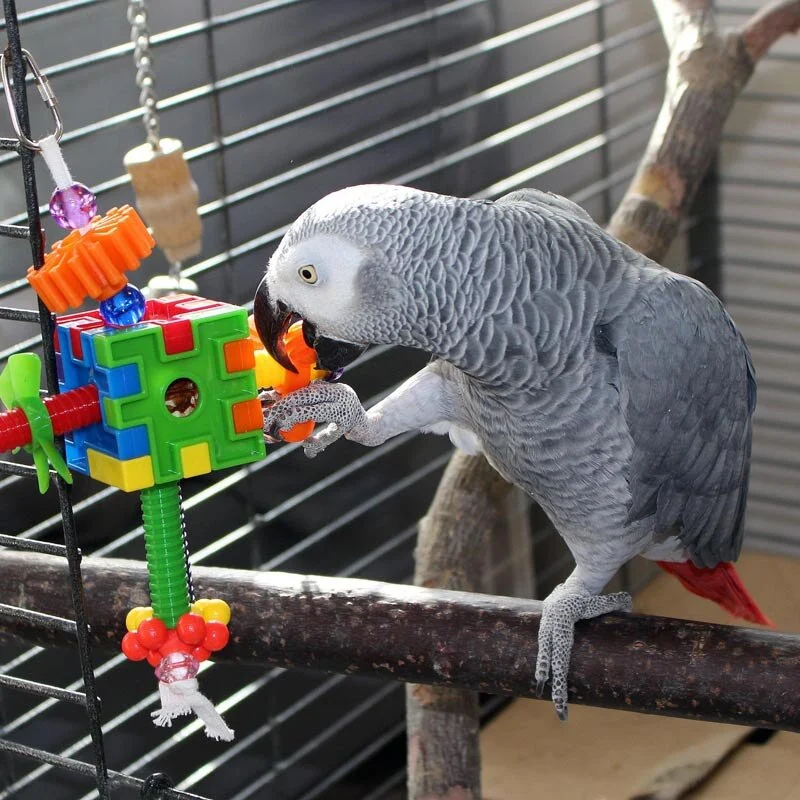
The domestic integration of psittacines—the biological order encompassing parrots, macaws, and cockatoos—has undergone a significant shift over the past three decades. As avian ownership increases globally, behavioral researchers and ornithologists have noted a distinct transition in the power dynamics between human guardians and their feathered companions. While traditional pet ownership often relies on a hierarchical structure, the inherent intelligence, social complexity, and high-energy requirements of parrots often result in the bird assuming the role of primary household administrator. This phenomenon, colloquially termed "ruling the roost," is increasingly recognized as a byproduct of the species’ natural flock-oriented social structures and cognitive aptitude.
The Biological Basis for Household Scheduling
Ornithological studies indicate that parrots are evolutionarily hardwired for strict circadian rhythms and high-level social coordination. In the wild, flock survival depends on synchronized movement, foraging times, and roosting periods. When placed in a human domestic setting, this biological imperative does not dissipate; rather, it is projected onto the human occupants.
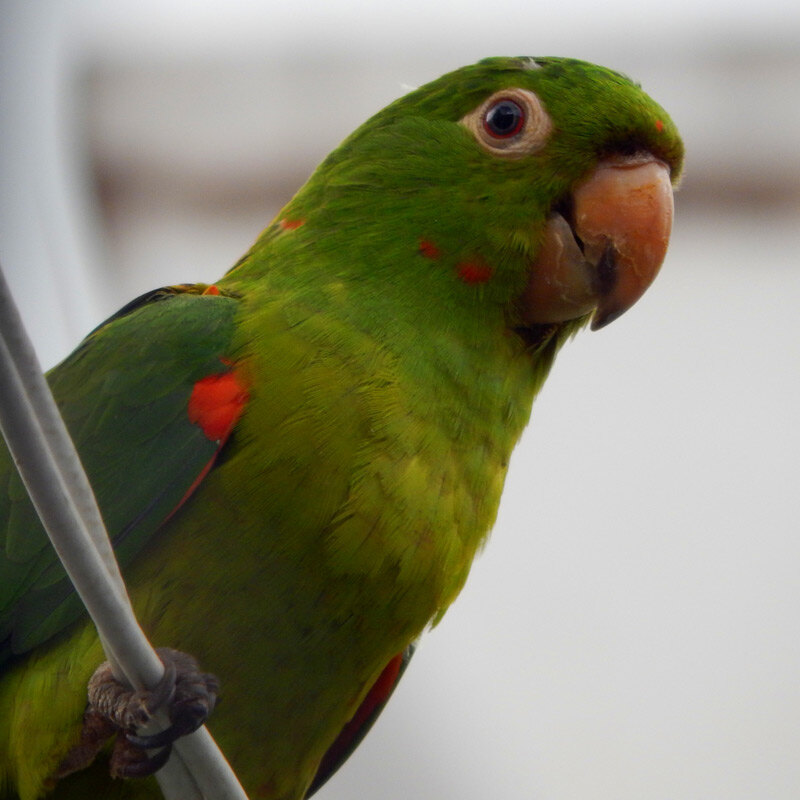
According to avian behaviorists, the insistence of a pet parrot on a rigid daily routine serves as an extension of their natural survival instinct. When a parrot demands breakfast at dawn or signals the end of the day with specific vocalizations, they are effectively managing the "flock’s" schedule. Data from veterinary behavior surveys suggest that 85% of long-term parrot owners report a significant alteration in their own sleep and activity schedules to accommodate the bird’s vocal or physical prompts. This is not merely a behavioral quirk; it is a manifestation of the bird’s social integration, where the human is treated as a flock member whose activities must be synchronized for the group’s perceived security.
Home Environment Surveillance and Quality Control
The sensory acuity of parrots, particularly their ability to detect subtle environmental changes, transforms them into de facto inspectors of household stability. Parrots possess a visual range that includes ultraviolet light, allowing them to perceive textures, colors, and patterns that are invisible to the human eye.
When a guardian introduces new furniture, changes wall decor, or adjusts the layout of a room, the parrot—a creature that relies on environmental familiarity for stress management—often responds with intense scrutiny. This behavior is documented as a protective mechanism. By "inspecting" new items, the bird is assessing potential threats to the established territory. Research into captive psittacine stress levels indicates that birds provided with a stable, predictable environment show lower instances of feather-plucking and stereotypical pacing. Consequently, the "glaring" or intense observation of new objects is a functional behavior intended to ensure the safety of the household territory.
Cognitive Enrichment and the Recycling Paradigm
The repurposing of household waste into avian enrichment tools has become a standard practice among professional avian caretakers and informed pet owners. This shift reflects a deeper understanding of the necessity for complex tactile stimulation. Parrots are classified as "problem-solvers" in the animal kingdom, possessing a level of intelligence comparable to that of a human toddler.
The transformation of common refuse—such as cardboard shipping boxes, paper towel rolls, and non-toxic packing paper—into foraging devices is supported by the principles of behavioral enrichment. Industry data suggests that the "treasure chest" approach to recycling provides necessary cognitive engagement, reducing boredom-related behavioral issues. By designating the recycling bin as a source of raw materials for toys, owners are effectively following a management protocol established by the bird’s need for destructive play. This interaction suggests that the human-parrot relationship is increasingly defined by the human’s ability to supply appropriate environmental stimuli as demanded by the bird’s cognitive requirements.
The Compulsion Toward Social Participation
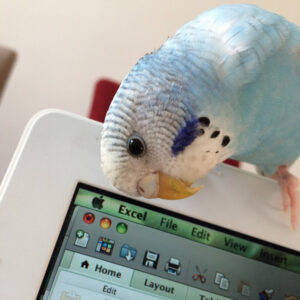
Perhaps the most distinct characteristic of psittacine behavior is the total lack of separation between the bird’s personal space and the human’s workspace. In nature, social birds engage in "allopreening" and collaborative foraging. In the home, this manifests as an insistence on participating in every human task, from remote work to domestic chores.
The implication of this behavior is profound for the modern, remote-working owner. Studies on human-animal interaction (HAI) highlight that the presence of an intelligent companion animal can reduce cortisol levels in humans. However, for parrot owners, this interaction is rarely passive. Whether it is perching on a laptop keyboard or "inspecting" laundry, the bird is attempting to engage in cooperative social behavior. This demand for participation forces a redesign of the human’s daily workflow, further cementing the bird’s position as a central authority figure in the home environment.
The Revaluation of Economic Utility
The final, and perhaps most ironic, indicator of avian control is the bird’s complete disregard for the financial value of consumer goods. In the commercial pet market, thousands of dollars are spent annually on sophisticated, high-durability toys. Yet, observational evidence consistently demonstrates that parrots prioritize utility and destruction-potential over cost.
A piece of untreated pine or a simple, hand-knotted cotton rope often provides more engagement than a high-tech electronic toy. This rejection of expensive items serves as a powerful reminder of the disconnect between human consumer culture and animal enrichment needs. Experts in avian psychology emphasize that for a parrot, the value of an object is determined by its capacity for interaction, shredding, and manipulation. The bird’s refusal to engage with "luxury" toys forces owners to reconsider their purchasing habits, shifting the focus from aesthetic value to functional, species-appropriate stimulation.
Broader Implications and Future Trends
The shifting dynamics of the human-parrot household reveal a transition toward a more symbiotic, albeit asymmetrical, relationship. As we continue to study the cognitive capacities of these animals, it becomes increasingly clear that the bird is not merely a passive pet, but an active participant in the governance of the home.
From a socioeconomic perspective, the rising demand for enrichment-focused products reflects this power shift. Retailers are increasingly pivoting away from purely decorative pet items toward those that offer complex, "shreddable," and interactive experiences. Furthermore, veterinary medicine is moving toward a holistic model that acknowledges the psychological impact of the bird’s environment.
Ultimately, the phenomenon of "the bird running the house" is a testament to the success of the human-parrot bond. By acknowledging the bird’s need for routine, environmental security, and cognitive challenge, owners are effectively creating a more naturalistic and fulfilling environment. While the humans may provide the food and maintain the physical structure of the home, the parrots are the ones dictating the parameters of a successful, stable, and enriched life. This evolving relationship suggests that the future of avian guardianship will be defined not by control, but by a collaborative partnership that prioritizes the complex psychological and social needs of one of the most intelligent creatures on the planet.
