
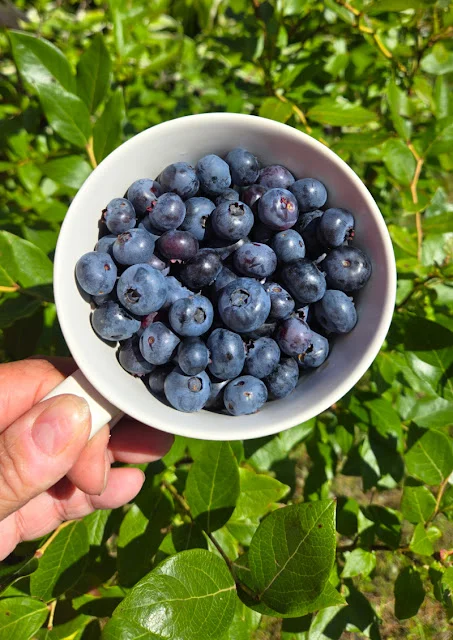
The inclusion of fresh produce in the dietary regimen of backyard poultry has become a subject of increasing interest among agriculturalists and hobbyist chicken keepers alike. Among the various fruits deemed safe for consumption, blueberries (Vaccinium corymbosum and Vaccinium angustifolium) have emerged as a premier "superfood" capable of bolstering avian health. While chickens are omnivorous by nature, their physiological requirements demand a balanced intake of nutrients, and blueberries offer a dense concentration of vitamins, minerals, and phytochemicals that contribute to long-term vitality.
The Nutritional Profile of Blueberries
Blueberries are characterized by a complex nutritional architecture that extends far beyond basic caloric content. They are particularly noted for their high concentrations of anthocyanins—the pigments responsible for their deep blue hue. These compounds serve as potent antioxidants, which are essential for mitigating oxidative stress within the avian body. Oxidative stress can lead to cellular damage, inflammation, and an increased susceptibility to disease. By neutralizing free radicals, the antioxidants in blueberries assist in maintaining the integrity of the immune system.

Beyond antioxidants, these berries are a significant source of essential vitamins, specifically Vitamin C and Vitamin K. Vitamin C plays a critical role in collagen synthesis and the stress response, particularly during periods of extreme heat or environmental transition. Vitamin K is vital for proper blood coagulation and bone health, providing a foundation for skeletal strength in layers. Furthermore, the presence of manganese and potassium supports metabolic functions, ensuring that the bird’s internal systems operate efficiently.
Digestive Health and Prebiotic Benefits
A critical, yet often overlooked, aspect of poultry nutrition is gut health. The digestive tract of a chicken is a complex ecosystem that requires a delicate balance of beneficial bacteria. Blueberries function as a natural prebiotic, providing the fiber necessary to feed these beneficial probiotics. By fostering a healthy microbiome, the consumption of blueberries can enhance nutrient absorption and protect the flock from the colonization of pathogenic bacteria such as Salmonella or E. coli. This digestive optimization is essential for consistent egg production and overall physical condition.
Guidelines for Safe Administration
While the benefits are significant, poultry experts emphasize that moderation is the cornerstone of responsible feeding. According to established dietary standards for domestic fowl, treats—including fruit—should never constitute more than 10% of a chicken’s total daily caloric intake. For the average backyard hen, this translates to approximately one to two tablespoons of blueberries per day.

The primary concern regarding the physical form of the fruit is the risk of choking. While mature chickens are generally adept at consuming whole berries, younger birds or those unaccustomed to such treats may benefit from having the fruit sliced or halved. This simple preparation step eliminates the risk of obstruction and ensures that the entire flock can consume the fruit safely and comfortably.
Historical Context and Evolution of Backyard Poultry Nutrition
The shift toward more nuanced, nutrient-dense diets for backyard flocks represents a broader trend in small-scale agriculture. Historically, poultry keeping was often centered on basic survival, utilizing grain and kitchen scraps with little regard for specific vitamin profiles. However, as the "farm-to-table" movement gained momentum over the last two decades, researchers and poultry specialists have begun to treat backyard birds more like livestock or companion animals, prioritizing preventative health measures.
In the early 2000s, the focus of amateur poultry science was primarily on housing and predator control. By 2010, the conversation had shifted toward the quality of the egg, leading to an increased demand for research into how diet impacts nutritional output. The current era of backyard farming is defined by a data-driven approach, where owners actively seek to optimize the life expectancy and health of their birds through the introduction of specific produce like blueberries, kale, and other antioxidant-rich foods.

Expert Perspectives and Industry Standards
Leading figures in the poultry husbandry field, such as Lisa Steele, an expert with nearly two decades of experience, have consistently advocated for the inclusion of natural, farm-grown treats. Steele’s work emphasizes the use of time-tested, traditional methods of husbandry combined with modern scientific understanding. According to her findings, the reliance on high-quality, whole-food supplements like blueberries reduces the dependency on synthetic additives or antibiotics.
This perspective is supported by broader observations in agricultural science, which suggest that a diverse diet contributes to better eggshell quality and yolk coloration. When chickens are provided with a variety of forage and supplemented treats, the resulting eggs often show increased levels of Omega-3 fatty acids and antioxidants, which directly benefit the human consumer.
Chronology of Dietary Integration
- 2005–2010: The rise of urban chicken keeping leads to an influx of research regarding "safe" vs. "toxic" foods for domestic poultry.
- 2012–2015: Increased advocacy for natural supplementation begins, with blueberries being identified as a top-tier supplement for immune support.
- 2016–2020: Studies in avian nutrition confirm the role of anthocyanins in heart health and anti-inflammatory pathways in poultry.
- 2021–Present: The standard practice for high-end backyard flocks now includes a structured "treat rotation" that prioritizes nutrient-dense berries to enhance egg quality and bird longevity.
Broader Implications for Flock Management
The implications of incorporating blueberries into a flock’s diet extend to the long-term economic and health outcomes of a backyard farm. A healthier flock is inherently more resilient, requiring fewer veterinary interventions and producing higher-quality yields.

Furthermore, the act of feeding birds these treats provides a form of environmental enrichment. Poultry are naturally inquisitive animals; providing them with fresh, whole foods stimulates natural foraging behaviors, which reduces boredom-related behaviors such as feather picking or aggressive posturing. This psychological benefit is as important as the physiological one, as it contributes to a lower-stress environment.
Safety Precautions: What to Avoid
While blueberries are highly beneficial, keepers must remain vigilant about what is not safe for chickens. The inclusion of healthy treats should always be cross-referenced with a list of toxic foods. Items such as dried beans, raw potato skins, and high-salt foods remain dangerous and can lead to rapid toxicity or death. By maintaining a strict adherence to safe-food lists and ensuring that treats are never used as a substitute for a balanced, high-protein layer ration, owners can maximize the benefits of supplemental feeding.
Conclusion: A Strategic Approach to Poultry Nutrition
Blueberries stand out as an exemplary addition to the diet of a backyard flock due to their dense concentration of vital nutrients and their proven capacity to support gut health and immune function. By integrating these fruits into a structured, moderate feeding plan, keepers can enhance the overall well-being of their birds. As the practice of backyard poultry keeping continues to evolve, the emphasis on high-quality, natural nutrition remains a key factor in ensuring that flocks remain healthy, productive, and resilient for years to come. Ultimately, the decision to offer blueberries is a simple, cost-effective, and scientifically sound strategy for any responsible poultry keeper looking to improve the quality of life for their birds.
