
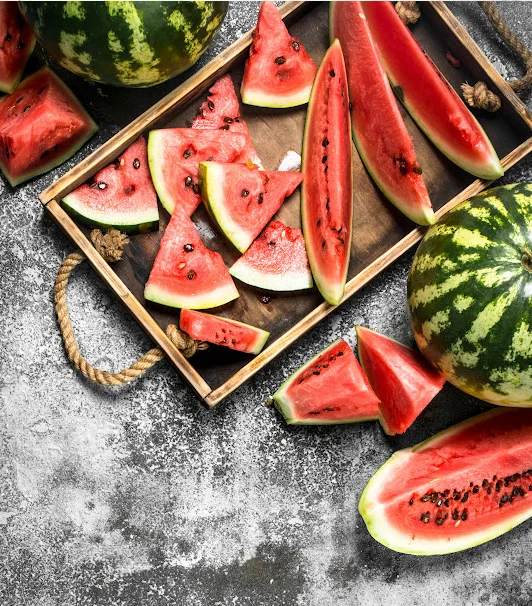
As rising global temperatures continue to challenge backyard poultry keepers, the necessity of maintaining optimal hydration and nutritional balance in domestic birds has become a focal point of agricultural discourse. Among the various dietary supplements available to hobbyist farmers, watermelon has emerged as a scientifically supported, highly effective tool for mitigating heat stress. Beyond mere hydration, this cucurbit provides a complex profile of vitamins, minerals, and phytonutrients that support long-term avian health, egg production quality, and natural parasite management.
The Physiology of Avian Heat Stress
Domestic chickens are particularly susceptible to heat stress due to their lack of sweat glands and their reliance on panting and feather ruffling to dissipate body heat. During periods of extreme summer temperatures, which have become increasingly frequent in the last decade, poultry flocks often experience a reduction in feed intake, which can lead to metabolic imbalances and decreased egg production.
Hydration is the primary defense against these physiological stressors. While clean, cool water must always be the primary source of hydration, the high water content of watermelon—typically exceeding 90%—serves as an efficient supplementary hydration vehicle. The consumption of water-heavy produce helps maintain blood volume and electrolyte balance, which are critical for thermoregulation. When a flock is provided with chilled or room-temperature watermelon, the moisture intake increases significantly, providing a dual-action effect of internal cooling and nutritional replenishment.

Nutritional Profile and Avian Health
The utility of watermelon in a poultry diet extends far beyond its moisture content. Scientific analysis of Citrullus lanatus reveals a dense concentration of essential micronutrients that contribute to the overall vitality of the flock.
Vitamin A, found in significant quantities within the fruit, is essential for the maintenance of healthy epithelial tissues, which form the first line of defense against respiratory infections in birds. Vitamin B6 plays a critical role in the metabolism of proteins and fats, ensuring that the bird efficiently processes its primary feed. Furthermore, the presence of Vitamin C, a powerful antioxidant, assists in reducing oxidative stress caused by environmental heat.
Perhaps most notable for the backyard enthusiast is the presence of carotenoids. These pigments, including beta-carotene, are directly responsible for the pigmentation of egg yolks. A diet enriched with carotenoid-rich foods, such as watermelon, leads to the development of deep, vibrant orange yolks, a characteristic often associated with higher-quality, pasture-raised eggs.
Natural Parasite Management: The Role of Cucurbitacin
One of the most compelling reasons for the inclusion of watermelon in a poultry regimen is the presence of cucurbitacin. This biochemical compound, found in the flesh and rinds of various members of the Cucurbitaceae family—including pumpkins, cucumbers, and watermelons—has been studied for its anthelmintic properties.

While it is not a substitute for clinical veterinary intervention in cases of severe parasitic infestation, historical and anecdotal agricultural practices suggest that regular ingestion of cucurbitacin can help maintain a lower parasitic load within the digestive tract of poultry. By disrupting the life cycles of certain intestinal worms, this natural compound serves as a preventative measure. Agricultural extension services often emphasize the importance of dietary fiber and natural compounds in maintaining a robust gut microbiome, and the inclusion of watermelon fits well within a holistic approach to flock management.
Chronology and Historical Context of Poultry Nutrition
The shift toward using whole-food supplementation in backyard flocks has evolved significantly over the past twenty years. In the early 2000s, commercial feed represented the near-total dietary source for most backyard owners. However, the "backyard chicken movement," which gained momentum around 2008 and saw a massive surge during the 2020 pandemic, shifted the focus toward a more diversified diet.
Poultry experts, such as those associated with organizations like Fresh Eggs Daily, have played a pivotal role in disseminating research-based methods for supplementing standard layer rations. By documenting the efficacy of watermelon as both a treat and a health supplement, these experts have helped transition hobbyist practices from haphazard feeding to informed, nutrient-focused supplementation. This evolution reflects a broader societal trend toward sustainable, localized food production and the humane treatment of livestock.
Analysis of Cardiovascular and Preventive Benefits
Watermelon is widely recognized for its high levels of lycopene, a carotenoid antioxidant that has been extensively studied in human health and is increasingly recognized for its benefits in avian biology. Lycopene is instrumental in neutralizing free radicals, which are unstable molecules that can damage cellular structures.

In poultry, the prevention of oxidative damage is vital for cardiovascular health. Studies on high-yield egg-laying breeds have indicated that excessive heat can lead to heart strain. By providing an antioxidant-rich diet, owners can potentially mitigate the long-term impact of metabolic stress on the bird’s heart and vascular system. While poultry do not experience the same lifestyle-related heart diseases as humans, the functional integrity of their vascular system is paramount for the production of eggs and the general longevity of the bird.
Best Practices for Serving
Effective integration of watermelon into a flock’s routine requires a balance between nutritional benefit and environmental cleanliness. To maximize the impact:
- Accessibility: The fruit can be served in halves, allowing the birds to peck at the flesh and rind directly. This provides a natural foraging activity, which is essential for the behavioral health of the birds.
- Portion Control: While beneficial, watermelon should be viewed as a supplement, not a replacement for high-protein layer feed. Excessive intake of low-calorie, high-water foods can lead to a caloric deficit if the birds reduce their consumption of necessary grains.
- Serving Methods: During extreme heat, some keepers prefer to freeze chunks of watermelon or prepare "slushies" to provide an immediate, refreshing sensation. This can be especially effective during the peak hours of a heatwave, typically between 1:00 PM and 4:00 PM.
- Sanitation: Rinds left in the run for too long can attract pests or begin to decompose. Owners are advised to remove any uneaten remnants at the end of the day to maintain sanitary coop conditions.
Broader Implications for Sustainable Poultry Keeping
The adoption of such practices has broader implications for the sustainability of backyard agriculture. By utilizing seasonal produce that might otherwise go to waste, backyard keepers reduce their reliance on store-bought treats and decrease their environmental footprint. Furthermore, by optimizing the health of their flocks through natural means, keepers reduce the need for pharmaceutical interventions, contributing to a more sustainable model of animal husbandry.
As climate patterns continue to fluctuate, the role of nutritional management will become increasingly vital. The use of watermelon is a quintessential example of how simple, accessible, and scientifically grounded strategies can provide significant benefits to flock resilience. Whether through the direct consumption of the flesh, the ingestion of the nutrient-dense rind, or the utilization of the seeds as a source of healthy fats, watermelon stands as a cornerstone of effective, heat-conscious summer poultry management.

The consensus among modern poultry science communicators is clear: while chickens are resilient animals, their performance—both in terms of egg production and general wellbeing—is directly tied to the proactive efforts of their caretakers. Utilizing watermelon as a seasonal dietary supplement is a low-risk, high-reward strategy that aligns with the best practices of modern, responsible, and humane backyard farming. As we look toward the future of small-scale agriculture, the focus on such evidence-based dietary interventions will likely continue to grow, fostering healthier flocks and more productive backyard environments.
