
The role of corn in the diet of backyard poultry has long been a subject of debate among avian nutritionists, small-scale farmers, and backyard hobbyists. As the popularity of home-based egg production has surged over the past two decades—growing from a niche hobby into a widespread movement—the demand for evidence-based feeding practices has intensified. Central to this discussion is the distinction between seasonal metabolic needs and the chemical composition of various forms of corn, a staple grain that serves as both a supplemental energy source and a point of potential health concern if mismanaged.
The Metabolic Implications of Grain Digestion
To understand the controversy surrounding corn, one must first examine the avian digestive process, specifically the function of the crop and the gizzard. When chickens consume whole or cracked dried grains, the food is stored in the crop and processed slowly. The metabolic breakdown of complex carbohydrates and fibrous materials—processes that generate heat—occurs throughout the night.

In colder climates, this internal thermogenesis is highly advantageous. During winter months, when ambient temperatures drop, a chicken’s basal metabolic rate increases to maintain a constant body temperature of approximately 106 to 107 degrees Fahrenheit. The ingestion of high-energy, complex carbohydrates like dried corn shortly before roosting allows the bird to fuel its metabolic furnace during the longest, coldest hours of the night. This practice, often referred to by poultry keepers as "scratching," acts as an internal heating mechanism.
However, this same biological mechanism becomes a liability during extreme summer heat. When ambient temperatures exceed the bird’s comfort zone, chickens struggle to dissipate internal body heat. Because they lack sweat glands, they rely on panting and spreading their wings to regulate temperature. If a flock is fed high-energy grains during a heatwave, the metabolic heat generated by the digestion of that grain can exacerbate heat stress, potentially leading to dehydration, reduced egg production, or, in severe cases, heatstroke.
Nutritional Profile and Dietary Limitations
From a nutritional standpoint, corn is primarily a source of carbohydrates and energy. It provides essential macronutrients including fiber and moderate levels of protein, alongside micronutrients such as Vitamin B6, Vitamin C, niacin, phosphorus, potassium, and magnesium. Despite these benefits, agricultural experts caution that corn should not constitute a "complete feed."

Data from the poultry science industry indicates that a balanced layer feed typically consists of a precise ratio of protein, amino acids, calcium, and minerals designed to support shell formation and muscle maintenance. Corn, being relatively low in certain essential amino acids like lysine and methionine, cannot support the biological requirements of a laying hen if served as a primary dietary component. When corn is provided as an ad libitum food source, it often leads to obesity. Excessive weight gain in poultry—particularly in heavy-breed ducks and certain dual-purpose chicken breeds—is linked to fatty liver syndrome, mobility issues, and a marked decrease in reproductive health.
Historical Context and Evolution of Feeding Practices
The tradition of supplementing poultry diets with corn dates back centuries to early agrarian societies where corn was the most readily available and cost-effective grain. Historically, small-scale farmers viewed corn as a "utility" feed—something to be tossed to the flock in the evening to encourage them to return to the coop.
In the late 20th century, as industrial poultry nutrition research began to standardize, the focus shifted toward "least-cost" formulations. While commercial feeds moved toward scientifically fortified pellets or crumbles, the backyard community maintained the tradition of supplemental corn. In recent years, organizations such as the American Poultry Association and various agricultural extension services have worked to bridge the gap between traditional "kitchen-scrap" feeding and modern nutritional requirements, emphasizing that while corn is safe, it must be used as a targeted supplement rather than a dietary foundation.

Categorizing Corn Forms: Fresh vs. Dried
The risks and benefits of corn are highly dependent on its physical state. The nutritional availability of corn changes significantly when transitioning from the field to the pantry.
Fresh and Frozen Corn
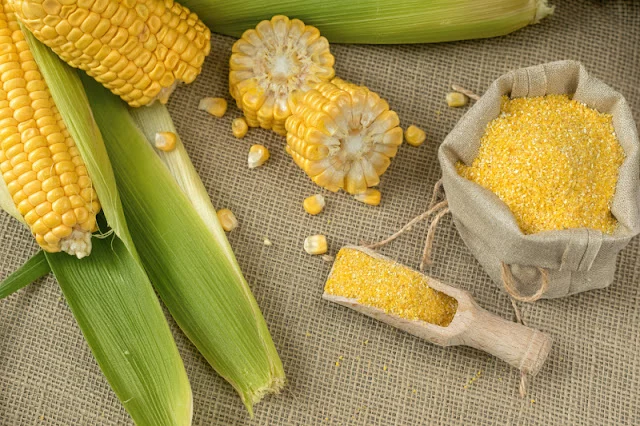
Fresh corn, whether harvested directly from a garden or purchased in frozen, processed form, possesses a higher water content and a different glycemic impact than dried grain. Many poultry keepers successfully incorporate fresh corn on the cob as a "boredom buster" or enrichment activity during the summer. The physical act of pecking at the cob provides mental stimulation, which is crucial for flock harmony in confined environments. Furthermore, the consumption of fresh corn silks and husks—often discarded as waste—provides additional antioxidants, anti-inflammatory compounds, and Vitamin K, which is essential for blood coagulation.
Dried Whole or Cracked Corn
Dried corn is chemically denser. Because the moisture has been removed, the energy density per gram is significantly higher. This makes it an ideal winter supplement. Agricultural advice typically suggests that dried corn should be limited to 5–10% of the bird’s total daily intake, specifically during the late afternoon hours. This ensures that the birds consume their nutritionally complete layer feed first, receiving the necessary vitamins and minerals required for health, before topping off their energy reserves with corn for the night.

Broader Impact on Flock Management
The debate over corn is ultimately a reflection of a broader, more sophisticated approach to animal husbandry. Modern poultry keepers are increasingly viewing their flocks not merely as food producers, but as animals with specific, changing biological requirements throughout the calendar year.
The implication for the industry is clear: education on seasonal nutritional adjustment is vital. When owners shift from a "one-size-fits-all" feeding strategy to one that accounts for seasonal temperature fluctuations, they observe measurable improvements in flock health. For instance, in regions prone to high humidity and heat, the omission of supplemental grain during the peak of the day has been shown to reduce mortality rates and maintain consistent egg-laying cycles.
Conversely, in northern latitudes, the strategic use of corn during cold snaps serves as a non-pharmaceutical, natural method of maintaining core body temperatures. This practice reduces the necessity for artificial heat sources in the coop, which is a major fire safety improvement. According to fire prevention data from various agricultural insurance providers, the use of heat lamps in coops remains a leading cause of barn and coop fires. By relying on the metabolic heat generated through proper dietary management, owners can often eliminate the need for dangerous electrical heating equipment.

Conclusion
The consensus among avian experts is that corn is neither inherently harmful nor a nutritional panacea. It is a tool that, when used with an understanding of avian metabolism, serves as an effective, low-cost method to support the health and thermal regulation of a flock. The key to successful poultry management lies in moderation and seasonality. By treating corn as a high-energy dessert rather than a daily staple, backyard keepers can ensure that their flocks receive the full spectrum of benefits that corn offers while avoiding the risks associated with caloric excess or improper metabolic load during the summer months. As the movement toward sustainable, home-based protein continues to grow, such nuanced understandings of nutrition will remain a pillar of responsible animal stewardship.
