
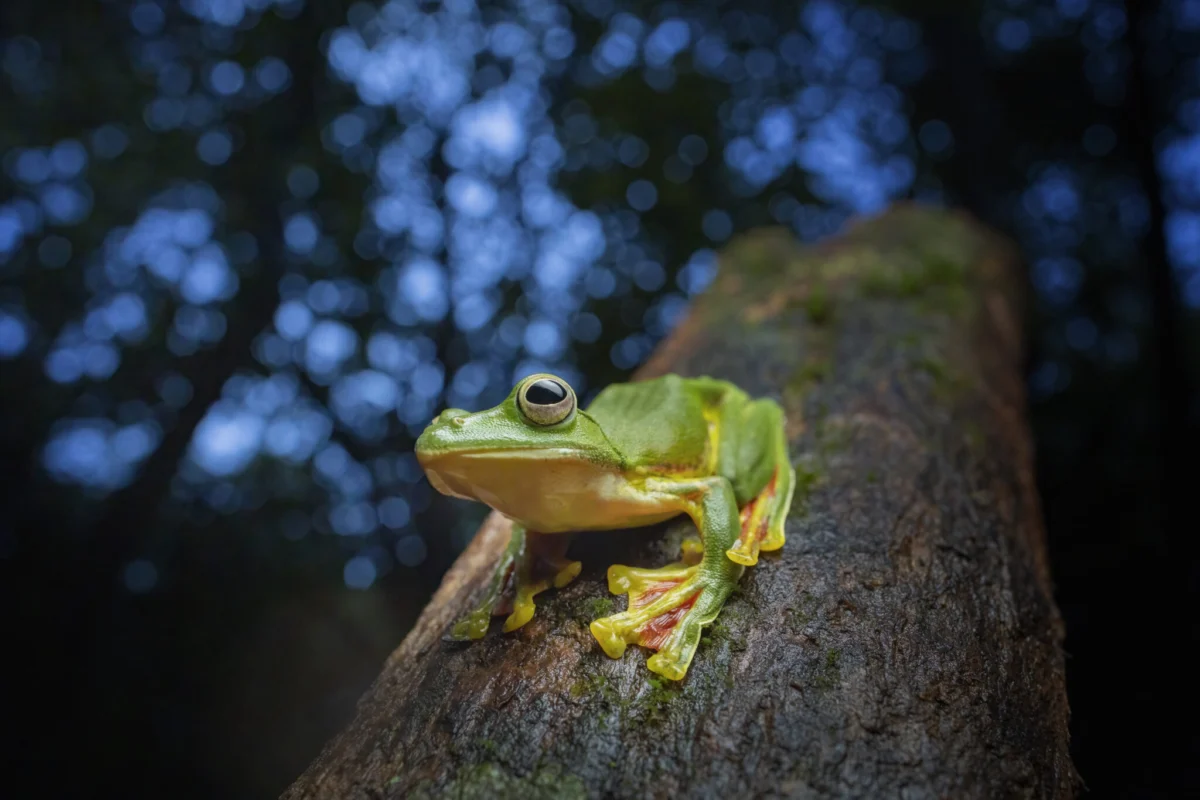
Wide-angle macro photography stands as a compelling genre within nature photography, distinguishing itself by its ability to immerse the viewer directly into the intricate world of small subjects while simultaneously revealing their broader natural habitat. This unique perspective transcends the traditional isolated close-up, transforming a mere depiction of fine details into a rich, contextual narrative. By integrating the surrounding environment, these images transport the audience into the subject’s realm, fostering a deeper appreciation for the delicate balance between an organism and its ecosystem. The resulting visuals are not merely striking; they invite a profound engagement, prompting viewers to experience the world from the subject’s unique vantage point. This approach has gained significant traction among naturalists and photographers alike, seeking to tell more complete stories about biodiversity and ecological interdependence.

The Evolution of a Perspective: Why Wide-Angle Macro?
For decades, macro photography primarily focused on achieving extreme magnification, isolating subjects against blurred backgrounds to highlight their minute features. While invaluable for scientific documentation and showcasing intricate beauty, this traditional method often detached the subject from its environmental context. The rise of wide-angle macro photography emerged as a response to a growing desire among photographers and audiences to understand not just what a creature looks like, but where it lives, how it interacts with its surroundings, and the broader ecological tapestry it inhabits. This shift represents a maturation in nature photography, moving beyond pure aesthetics to incorporate a stronger element of ecological storytelling.

The impetus behind this technique is rooted in the recognition that every organism is a product of its
