
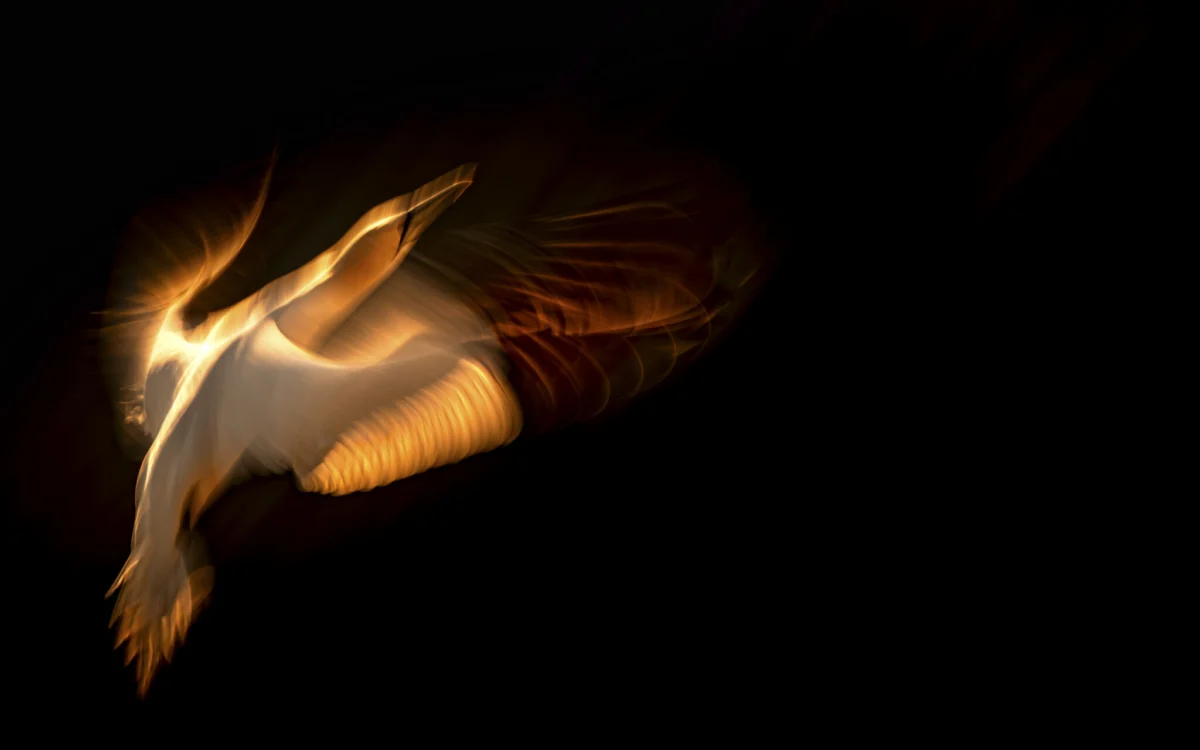
Wildlife photography has long been bound by a rigid set of technical expectations: razor-sharp focus on the subject’s eye, sterile backgrounds devoid of natural clutter, and ideal lighting conditions calibrated to showcase clinical perfection. However, a growing movement within contemporary nature journalism and fine-art photography is challenging these conventions. At the forefront of this shift is acclaimed wildlife photographer Rachel Bigsby, whose evocative imagery of marine birds across remote oceanic outposts is redefining the intersection of art, science, and environmental journalism.
Through an uncompromising focus on atmospheric conditions, ecological context, and animal behavior, Bigsby’s portfolio—featuring iconic seabirds such as the Northern Gannet, Atlantic Puffin, King Penguin, and European Shag—demonstrates that technical imperfection is frequently the key to authentic storytelling. Her work highlights a broader paradigm shift in how visual media documents the natural world, moving away from hyper-curated portraiture toward immersive, emotionally resonant documentation of ecosystems under pressure.

From Childhood Curiosity to Field-Tested Conservation Journalism
Bigsby’s journey into professional wildlife photography was forged through years of rigorous field experience rather than formal artistic training. Rooted in an upbringing shaped by her late grandfather—a naturalist and fisherman who instilled a foundational reverence for the outdoors—her early education in ecology took place on rugged trails and remote shorelines. At age six, she joined the Scout Association, cultivating a deep endurance for prolonged exposure to harsh environmental conditions.
Her transition into photography began modestly, utilizing consumer devices to capture minimalist compositions of dew-kissed flora before a pivotal encounter with a Northern Fulmar along her local coastline shifted her trajectory permanently. Recognizing the Fulmar’s evolutionary link to the albatross family, Bigsby committed herself entirely to the study and documentation of pelagic bird species.

Rather than pursuing immediate commercial success, Bigsby spent formative years volunteering on isolated nature reserves. Her duties were intensely physical, ranging from manual labor like scrubbing compost toilets and scything bracken during peak summer heat to repairing weather-battered structural facilities on remote islands. This sweat equity provided her with rare access to restricted seabird colonies during the off-hours when human presence was absent. According to peers and conservation researchers, this immersive approach imbued her photography with an authenticity rarely achieved by transient commercial photographers. By learning the granular details of seabird biology, ecology, and seasonal behaviors, Bigsby transitioned from an observer to an informed chronicler of marine avian life.
Deconstructing the Myth of Technical Perfection in Nature Photography
The prevailing commercial market for wildlife photography has historically prioritized clinical sharpness and predictable aesthetics. Stock agencies, competition judges, and media outlets frequently reward images that isolate a single animal against a seamless backdrop, effectively stripping the subject of its ecological context.

Bigsby’s portfolio deliberately subverts this formula. Her breakthrough image—a deliberately slow-shutter-speed capture of an Atlantic Puffin in flight—abandoned sharp focus in favor of capturing the raw kinetic energy of movement. Bathed in low, golden light, the bird’s wings dissolved into a motion blur that conveyed atmosphere rather than anatomical precision.
This aesthetic philosophy extends to her embrace of adverse weather. While many photographers view mist, heavy rain, and gale-force winds as detrimental to field production, Bigsby integrates these elements as vital components of the narrative. During a challenging residency on a weather-beaten island characterized by perpetual fog and precipitation, she abandoned her frustration and adapted to the environment. This pivot led her to pioneer a high-key visual signature characterized by minimalist white canvases and diffused atmospheric light.
By treating weather not as an obstacle to be overcome but as an inherent reality of the seabird’s habitat, her work challenges audiences to confront the harsh, unvarnished existence of pelagic species.

The Technical and Artistic Pillars of Modern Seabird Documentation
Bigsby’s methodology rests on four primary pillars: light, shape, texture, and environment. Rather than utilizing light merely to illuminate a subject, she approaches it as the emotional spine of the frame. Dramatic chiaroscuro lighting—such as a single Northern Gannet emerging from the shadowed abyss of a Shetland cliffside into the first rays of dawn—infuses the documentation with narrative tension.
Similarly, her use of monochrome photography is deployed with strict intentionality. By stripping away color, Bigsby directs the viewer’s eye toward the fundamental geometries of the natural world: the intricate barbs of a European Shag’s plumage, the sweeping curves of a cliff face, and the dense, repetitive patterns of a breeding colony.

Crucially, Bigsby rejects the practice of separating a subject from its environment. In ecological journalism, context is critical. A seabird photographed in isolation is merely an anatomical specimen; a seabird navigating a turbulent, plastic-polluted, or storm-tossed sea becomes a character in a complex environmental narrative. Her frames intentionally retain background clutter, crashing waves, and atmospheric debris to communicate scale, struggle, and resilience.
The Scientific and Ecological Implications of Empathy-Driven Visuals
The relevance of Bigsby’s work extends far beyond aesthetic appreciation; it intersects directly with contemporary marine conservation science. Global seabird populations face unprecedented anthropogenic pressures, including industrial overfishing, offshore energy development, avian influenza outbreaks, and the rapid degradation of marine habitats driven by climate change. According to recent assessments by conservation organizations, pelagic bird species are among the most rapidly declining avian groups globally.

Traditional scientific data—while essential for policy formulation—often struggles to capture public imagination or drive political will. Environmental psychologists note that visual storytelling rooted in emotional resonance and empathy is significantly more effective at motivating conservation action than dry statistical reporting. By portraying seabirds not as distant objects of curiosity, but as sentient beings enduring harsh ecological realities, photographers like Bigsby bridge the gap between hard science and public consciousness.
Her images serve as visual testaments to the fragility and endurance of marine ecosystems. When viewers observe the dense, chaotic huddles of Razorbills on Skomer Island or the weathered resilience of gannets braving stormy North Sea swells, they are confronted with the tangible impacts of environmental shifts on vulnerable wildlife populations.
Conclusion: A Call for Authenticity in Visual Journalism

As the digital landscape becomes increasingly saturated with hyper-processed, formulaic wildlife imagery—frequently amplified by advancements in automated camera technology and artificial intelligence—the value of authentic, patient field documentation has never been higher.
Rachel Bigsby’s body of work offers a vital corrective to the commodification of nature photography. By prioritizing patience over expedience, emotional truth over technical convention, and ecological context over clinical isolation, she demonstrates that the most powerful storytelling emerges when photographers stop imposing their own definitions of perfection onto the wild.
For the next generation of nature journalists and conservation photographers, her philosophy serves as an enduring invitation: to observe closely, to respect the unpredictable rhythms of the natural world, and to translate the timeless language of the environment into images that resonate deeply with the human conscience.
