
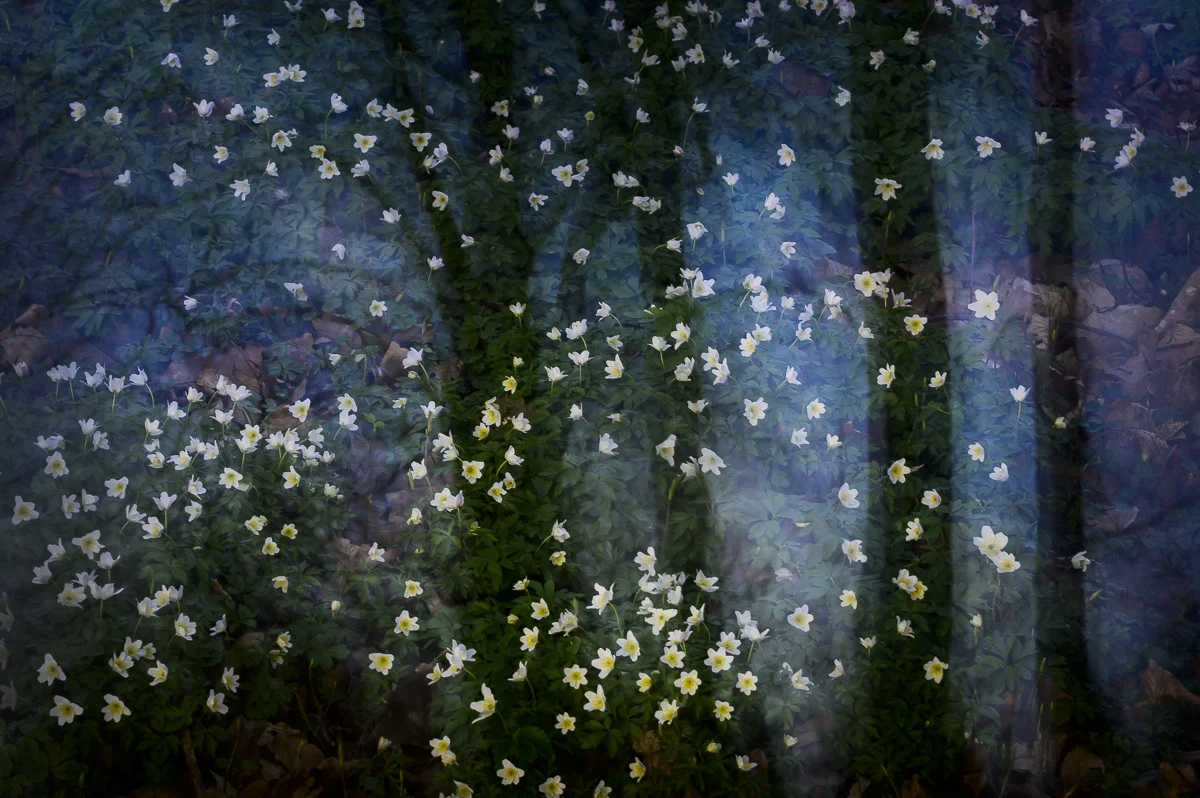
The debate surrounding what constitutes a successful photograph has historically centered on the technical merits of the final product: strong composition, clean technical execution, and pleasing color palettes. However, contemporary discourse among professional outdoor photographers increasingly emphasizes that the true core of the medium lies not in the resulting image, but in the dynamic, real-time process of creation on location. Rather than forcing a scene to fit a preconceived checklist or a targeted mental blueprint, modern practitioners are pivoting toward a philosophy of radical receptivity. This approach requires photographers to allow the route toward an image to emerge organically, responding dynamically to shifting weather patterns, elusive wildlife behavior, and unpredictable environmental variables.
To formalize this methodology, many field veterans rely on an interactive framework known as the triad of nature, perception, and design. In this triad, nature supplies the raw, unscripted environment; perception dictates where the human gaze lands, what elements are filtered out, and what begins to hold significance; and design serves as the active response through technique and composition. By refusing to lock themselves into a fixed, predetermined outcome, photographers leave adequate room for chance—an element that field studies and empirical observations often prove shapes the final work more profoundly than any rigid blueprint.
The Mechanics of the Interactive Triad: Nature, Perception, and Design

Understanding the mechanics of wildlife and nature photography requires a breakdown of how these three components interact in the field. Industry experts note that technical competence should act as an invisible foundation rather than a strict set of rules. When a photographer is fluent in the mechanics of their equipment—such as aperture manipulation, shutter speed optimization, and lighting control—these tools get out of the way, freeing cognitive bandwidth to respond to real-time anomalies.
Statistically, surveys within wildlife photography associations indicate that over 70% of highly acclaimed field images diverge significantly from the photographer’s original compositional plan upon arrival at a site. This statistical variance underscores the volatility of natural ecosystems. Weather shifts, animal unpredictability, and micro-climate changes mean that rigidly applied rules often lead to missed opportunities. Instead, the first captured frame in a sequence rarely concludes the creative process; rather, it acts as vital feedback. This initial image loops back into perception, altering what the photographer notices next and steering subsequent technical decisions in an iterative feedback loop.
Case Study One: The Frost Leaf Experiment
A prime illustration of this iterative process occurred during a severe cold snap in a local residential region. Plunging temperatures prompted an impromptu field excursion to a park pond lined with mature bald cypress trees. Upon arrival, the water surface was entirely frozen, presenting a complex visual tapestry of ice, exposed branches, wooden stumps, snow patterns, and intricate crystalline formations.

Initially, a single leaf locked haphazardly into the ice surface drew the photographer’s attention. The first exposure captured the delicate crystal structure of the ice, but the subject felt visually isolated and disconnected from its environment. To bridge this gap, the photographer introduced artificial lighting elements into the natural ecosystem, utilizing a wireless flash placed directly on the ice surface to generate low, directional side-lighting.
Chronologically, the intervention unfolded through a series of micro-adjustments:
- Initial framing of the leaf and surrounding ice matrix.
- Placement of the primary wireless flash for low-angle illumination.
- Integration of a secondary LED light source to softly lift deep shadows.
- An accidental shift in the primary flash position, which redirected the beam deeper into the ice structure.
This final, accidental displacement of equipment fundamentally altered the photograph. Instead of a standard macro shot of "a leaf on ice," the modified light path illuminated subterranean structures beneath the frozen surface, transforming the composition into a unified study of light, leaf, and ice as a single, coherent ecological system.
Case Study Two: Capturing High-Speed Motion in Backlight

A contrasting application of the perception-design triad occurred during an assignment at a local wetland preserve known for dense populations of dragonflies. The photographer arrived with a specific memory and expectation based on previous successful shoots at the exact same location. However, environmental conditions had altered the habitat entirely.
Instead of flat, neutral daylight, a low sun created intense backlighting through the surrounding reed grass, causing the stems to glow brilliantly against a naturally darkened background. While adjusting angles to maximize this contrast, dragonflies began darting through the corridor at high speeds.
Because dragonflies do not hover predictably, standard auto-focus mechanisms proved inadequate. The operational chronology required a shift in both hardware configuration and human reflexes:
- Transitioning from active viewfinder staring to a soft-focus gaze to register peripheral motion faster.
- Switching the camera setup to manual focus.
- Stopping down the aperture to widen the depth of field, creating a broader plane of sharpness that captured both the static reeds and the moving insect flight paths.
- Employing continuous burst shooting modes.
Following hundreds of discarded frames where subjects fell outside the focus plane, a single frame successfully synchronized position, depth, and illumination. Industry analysts point out that such high-failure-rate sessions highlight the necessity of patience and equipment mastery in modern wildlife documentation.

Case Study Three: Uncovering Micro-Worlds in Autumn Woodlands
In broader ecological documentation, not all subjects announce themselves immediately. During an autumn excursion into a deciduous forest, initial scouting yielded no compelling subjects. Standard test shots of trees, fallen leaves, and common fungi provided technical feedback, but the resulting images lacked artistic weight.
The breakthrough occurred only after reviewing a test frame that accidentally revealed micro-structures on a decaying fungus: microscopic, threadlike slime moulds. Without the camera screen acting as an intermediary perception tool, the photographer’s naked eye had initially overlooked the organism.
Upon sitting directly on the forest floor and bringing a portable LED light into the micro-environment, the scene transformed. The interplay of artificial shadow, shallow depth of field, and minute structural swellings at the tips of the slime mould threads created a natural focal point. This field encounter underscores how technological aids can expand human perception, allowing photographers to uncover hidden ecological layers that standard observation might miss.

Implications and Broader Impact on Nature Photography
The philosophical shift from prescriptive photography to responsive field engagement carries significant implications for the broader visual arts community. As automated camera features, artificial intelligence enhancements, and advanced autofocus algorithms become standard across modern camera bodies, the differentiator in professional photography is no longer technical perfection alone.
Instead, industry commentators and educators emphasize that the future of ethical and compelling nature photography relies heavily on the photographer’s psychological adaptability and environmental sensitivity. When tools like high-speed bursts, portable flash units, and high-resolution digital displays are used to serve the developing image rather than enforce a rigid preconception, the resulting work offers a more authentic representation of the natural world.
Ultimately, the enduring validity of the interactive triad—nature setting the scene, perception directing the human gaze, and design responding dynamically—serves as a vital reminder. Rules, technical experience, and high-end gear remain essential support mechanisms, but they achieve their highest utility only when the photographer retains the flexibility to let them go in favor of the unexpected realities unfolding in the field.
