
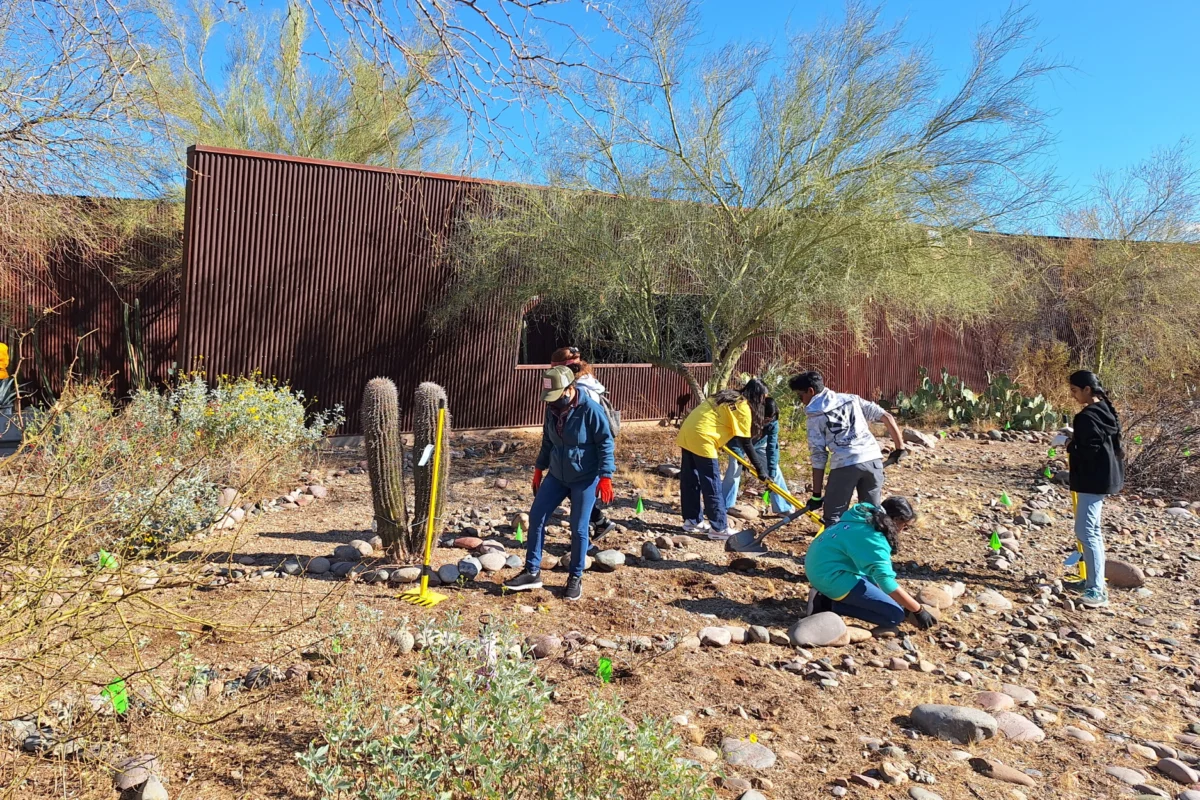
As Volunteer Appreciation Month unfolds, Audubon Southwest is extending a robust invitation to residents across Arizona and New Mexico, urging them to engage in critical environmental stewardship opportunities. These initiatives offer unique avenues for individuals to contribute meaningfully to regional conservation, acquire new skills, and connect with like-minded community members. From educational outreach at nature centers to hands-on habitat restoration and vital bird surveys, the breadth of volunteer roles underscores the profound impact collective action has on preserving the Southwest’s unique biodiversity. The organization emphasizes that while formal expertise is not a prerequisite for participation, a curious mind and a willingness to learn are paramount.
The celebratory spirit of Volunteer Appreciation Month, typically observed in April, serves as a poignant reminder of the invaluable contributions made by volunteers worldwide. For Audubon Southwest, this period is not merely about acknowledging past efforts but actively recruiting new environmental advocates. The organization’s approach is designed to be accessible, offering a self-assessment quiz to help prospective volunteers identify roles best suited to their interests and aptitudes. This gamified entry point aims to demystify conservation work, making it approachable for a diverse public, irrespective of prior experience.
Audubon Southwest: A Legacy of Conservation and Community Engagement
The National Audubon Society, founded in 1905, boasts a rich history rooted in bird conservation and environmental advocacy. Its mission, to protect birds and the places they need, today and tomorrow, resonates deeply within the ecologically diverse landscapes of the American Southwest. Audubon Southwest operates with a focus on regional challenges, including water scarcity, habitat degradation, and climate change impacts on avian populations. Its prominent centers, such as the Rio Salado Audubon Center in Phoenix, Arizona, and the Randall Davey Audubon Center in Santa Fe, New Mexico, serve as crucial hubs for environmental education, community engagement, and direct conservation action. These centers are not only sanctuaries for wildlife but also vibrant community resources, offering public programs, nature trails, and educational initiatives that connect thousands of individuals with the natural world annually.
The Rio Salado Audubon Center, situated along the revitalized Salt River corridor in Phoenix, stands as a testament to urban riparian restoration. Since its establishment, it has played a pivotal role in transforming a historically neglected area into a thriving urban oasis for both wildlife and people. Similarly, the Randall Davey Audubon Center, nestled in the foothills of the Sangre de Cristo Mountains, provides a vital educational and conservation presence in northern New Mexico, focusing on the unique ecosystems of the region. Both centers, along with Audubon Southwest’s broader field programs, rely heavily on volunteer support to achieve their ambitious conservation goals. The call for volunteers during this special month is therefore not merely an administrative request but a strategic imperative to sustain and expand critical environmental programs.
Diverse Pathways to Environmental Stewardship: Decoding Volunteer Roles
Audubon Southwest has delineated three primary volunteer categories, each offering distinct experiences and contributing to different facets of conservation. These categories are structured to accommodate varying levels of physical activity, social interaction preferences, and interest areas, ensuring a suitable "adventure" for nearly everyone.
Center Education Volunteers: Connecting People with Nature (3-4 points)
Individuals scoring 3-4 points on Audubon’s quick assessment are identified as ideal candidates for Center Education Volunteers. These roles are perfectly suited for those who are gregarious, possess a foundational knowledge of local ecology or a strong desire to learn, and enjoy interacting with the public. Volunteers at the Rio Salado Audubon Center in Phoenix and the Randall Davey Audubon Center in Santa Fe are instrumental in delivering educational programs, leading nature walks, assisting with children’s camps, and supporting general center activities.
Their responsibilities often extend to facilitating special events, where they might help with decorations, setup, and event logistics. This role is fundamental to Audubon’s mission of fostering environmental literacy and inspiring a new generation of conservationists. For instance, a volunteer might guide a group of schoolchildren on a bird identification walk, explaining the migratory patterns of local species, or assist with a family-friendly festival promoting sustainable living. The direct engagement with visitors, sharing insights about local flora and fauna, and communicating the importance of conservation, makes these volunteers powerful ambassadors for environmental protection. In 2023 alone, these centers collectively engaged over 50,000 visitors through various programs, a feat largely supported by the dedication of education volunteers.
Bird Surveyors: Community Science in Action (5-6 points)
For those scoring 5-6 points, the role of a Bird Surveyor beckons. This category is tailored for individuals with a curious mind, an eagerness to learn new things, and comfort working independently or in small groups. While a deep expertise in ornithology is not required, the willingness to develop bird identification skills is crucial. Bird surveys are a cornerstone of modern conservation, providing essential data on bird populations, distribution, and habitat use, which in turn informs conservation strategies and policy decisions.
In New Mexico, Audubon Southwest is actively recruiting volunteers to assist with summer bird surveys along the Rio Grande. This vital riparian corridor, often referred to as the lifeblood of the state, supports an incredible diversity of bird species. Volunteers, depending on their experience level, are teamed with Audubon biologists to conduct point counts, transect surveys, and nest monitoring. The data collected contributes to long-term monitoring programs, helping to track the health of the river ecosystem and identify areas requiring targeted conservation efforts. For example, observations from these surveys have been critical in understanding the impacts of drought and water management practices on species like the Western Yellow-billed Cuckoo and various migratory waterfowl.
Furthermore, residents in the northern portions of both Arizona and New Mexico are invited to participate in the Pinyon Jay Community Science effort. This project leverages technology, allowing volunteers to collect data on their smartphones using a free app. Pinyon Jays, a species endemic to the pinyon-juniper woodlands of the American West, are facing population declines due to habitat loss and climate change. Their movements and nesting success are closely tied to the availability of pinyon pine seeds, a resource increasingly threatened by altered fire regimes and prolonged droughts. Community scientists play a crucial role in mapping their distribution and identifying critical habitat, providing data that complements professional research and helps inform land management decisions. The data gathered through this program has been instrumental in identifying key Pinyon Jay foraging and nesting areas, leading to more targeted conservation actions.
For recent college graduates aspiring to a career in conservation, Audubon Southwest also offers a summer internship opportunity to assist Audubon biologists in surveying the Western Yellow-billed Cuckoo in central Arizona. This species, listed as threatened under the Endangered Species Act, is highly dependent on dense, structurally complex riparian habitats, which are increasingly scarce. Interns gain invaluable field experience in surveying techniques, data collection, and working with a listed species, contributing directly to the recovery efforts of this iconic migratory bird. The internship provides a unique blend of scientific rigor and hands-on conservation, preparing the next generation of environmental leaders.
Habitat Stewards: Hands-On Restoration (7-9 points)
The highest scoring category (7-9 points) identifies individuals as ideal Habitat Stewards. These volunteers are characterized by their willingness to "get their hands dirty" and a desire to see tangible results from their efforts. Habitat restoration is arguably the most direct form of conservation, involving activities that actively improve ecosystems for wildlife.
In Arizona, volunteers can join Audubon for planting projects and invasive species removal events at the Rio Salado Center. Invasive species, such as Giant Reed (Arundo donax) and Salt Cedar (Tamarix spp.), outcompete native vegetation, disrupt natural hydrological cycles, and degrade habitat quality for birds and other wildlife. Volunteers remove these intruders, often manually, and then plant native species like willows, cottonwoods, and mesquites, which provide superior food and shelter for local fauna. This long-running initiative, active since 2011, has transformed significant portions of the Rio Salado corridor, contributing to a documented increase in local bird diversity and abundance. Over the past decade, hundreds of acres have been actively restored, creating crucial stopover and breeding sites for migratory birds.
Similar habitat restoration projects are undertaken in New Mexico in collaboration with local partners, focusing on various ecosystems from riparian corridors to high desert scrublands. These projects often involve revegetation efforts, erosion control, and creating wildlife-friendly landscapes.
Another impactful option for Habitat Stewards in Arizona is to sign up for a Burrowing Owl burrow-building volunteer day. Burrowing Owls, charming ground-dwelling birds, face significant threats from habitat loss due to agricultural and urban development. These volunteer days are critical for creating artificial burrows, providing essential nesting and roosting sites for owls displaced by human expansion. No prior experience is needed for these projects, and all necessary tools, materials, and directions are provided. Volunteers learn about the owls’ ecology, the challenges they face, and the direct positive impact of their work. These efforts are not just about building burrows; they are about rehoming a species, giving them a fighting chance against rapid habitat alteration. Annually, these events facilitate the creation of dozens of new burrows, supporting local owl populations.
The Indispensable Role of Community Science and Habitat Restoration
The volunteer opportunities offered by Audubon Southwest are not merely recreational activities; they are integral components of scientifically informed conservation strategies. Each program addresses specific ecological challenges and contributes to broader biodiversity goals.
The Pinyon Jay Community Science project exemplifies the power of citizen science. Pinyon Jays are a highly social, nomadic species whose movements are directly linked to the fluctuating cone crops of pinyon pines. Monitoring their populations across vast, remote landscapes is challenging for professional biologists alone. Community-collected data provides a wider spatial and temporal coverage, allowing researchers to track population trends, identify critical foraging and nesting areas, and understand the impacts of environmental changes like drought and wildfires on their food sources. This data is vital for informing land management decisions, particularly in the context of forest health and climate change adaptation.
Similarly, the Western Yellow-billed Cuckoo internship and surveys highlight the urgency of protecting riparian ecosystems. These elusive birds rely on dense, structurally diverse riparian vegetation for breeding and foraging. The systematic surveys conducted by interns and volunteers help pinpoint remaining suitable habitats, assess population health, and identify threats such such as water diversions, habitat fragmentation, and invasive species. The data directly informs Audubon’s advocacy for water policy reform and habitat protection, ensuring that these vital riverine corridors remain viable for the cuckoo and countless other species.
The Rio Grande summer bird surveys in New Mexico offer critical insights into the health of one of North America’s most important migratory flyways. The river’s riparian zones serve as crucial stopover points and breeding grounds for hundreds of bird species. Regular surveys help detect changes in bird communities over time, providing an early warning system for ecosystem degradation. For instance, declines in certain insectivorous species might indicate broader issues with water quality or pesticide use. This long-term dataset is essential for guiding restoration efforts and informing water management policies that balance human needs with ecological imperatives.
The habitat restoration work, particularly at the Rio Salado and for Burrowing Owls, demonstrates the tangible, on-the-ground impact of volunteerism. The Rio Salado project, initiated in 2011, has systematically transformed degraded areas into vibrant wildlife habitat. By removing invasive species and planting native flora, volunteers have recreated a functional riparian ecosystem, providing essential food, water, and shelter for resident and migratory birds, including species like the Lucy’s Warbler and Phainopepla. This work also enhances the aesthetic and recreational value of urban green spaces, benefiting human communities. The Burrowing Owl burrow-building days directly mitigate the effects of rapid urbanization, providing a lifeline for a species increasingly squeezed out of its natural habitat. These efforts represent direct, proactive conservation, offering immediate benefits to wildlife populations.
Statements from Leadership and the Volunteer Experience
"Our volunteers are the backbone of Audubon Southwest," states Jon Hayes, Executive Director of Audubon Southwest. "Their dedication, passion, and willingness to contribute their time and energy enable us to achieve conservation outcomes that would be impossible with our staff alone. From educating the next generation at our centers to collecting vital scientific data in the field and restoring critical habitats, every single volunteer makes a profound difference. We look back with immense gratitude on the thousands of individuals who have joined us, helping us educate over 100,000 people, count millions of birds, improve thousands of acres for wildlife, and rehome hundreds of Burrowing Owls over the years. This month, we not only celebrate them but also invite new adventurers to join our mission."
Volunteer Coordinator Sarah Jenkins adds, "The beauty of volunteering with Audubon is that it’s a choose-your-own-adventure. Whether you prefer leading nature walks, meticulously recording bird observations, or getting your hands dirty planting native trees, there’s a place for you. Many of our volunteers tell us they gain new skills, deepen their connection to nature, and find a strong sense of community. It’s an opportunity to turn your passion for birds and nature into meaningful action."
Broader Implications: Fostering Environmental Literacy and Resilience
The implications of Audubon Southwest’s volunteer programs extend far beyond immediate conservation gains. By actively engaging the public in environmental work, the organization fosters a deeper sense of environmental literacy and stewardship within the community. Volunteers become informed advocates, capable of communicating the importance of conservation to their networks, thereby amplifying the reach of Audubon’s mission.
Moreover, these efforts contribute significantly to regional resilience in the face of escalating environmental challenges, particularly climate change. Restoring riparian habitats enhances water quality and availability, creates vital carbon sinks, and provides crucial refuge for wildlife adapting to changing climatic conditions. Community science initiatives generate essential data that helps scientists and policymakers understand the impacts of climate change on bird populations, allowing for more adaptive and effective conservation strategies.
The model of community-led conservation, championed by Audubon Southwest, also strengthens social cohesion. It brings together people from diverse backgrounds, united by a common purpose, building stronger, more connected communities that are better equipped to address local environmental issues. This collaborative approach underscores the principle that environmental protection is a shared responsibility, requiring the active participation of all sectors of society.
Conclusion: An Ongoing Invitation to Impact
As Volunteer Appreciation Month draws to a close, the invitation from Audubon Southwest remains open. The call for new volunteers is an ongoing commitment, reflecting the continuous need for dedicated individuals to safeguard the natural heritage of Arizona and New Mexico. The diverse array of opportunities—from engaging the public in nature centers to meticulous bird surveys and hands-on habitat restoration—ensures that every volunteer can find a role that aligns with their interests and skills.
The legacy of Audubon’s volunteer programs, marked by tangible improvements in habitat quality, robust scientific data collection, and widespread environmental education, stands as a testament to the power of collective action. The staff looks back with profound gratitude on the countless individuals who have dedicated their time, talent, and passion. For those seeking an adventure that offers personal growth, community connection, and a lasting positive impact on the environment, Audubon Southwest extends a heartfelt invitation: come out and join the effort. Your involvement is not just appreciated; it is essential for the future of the Southwest’s birds and the ecosystems they depend on.
