
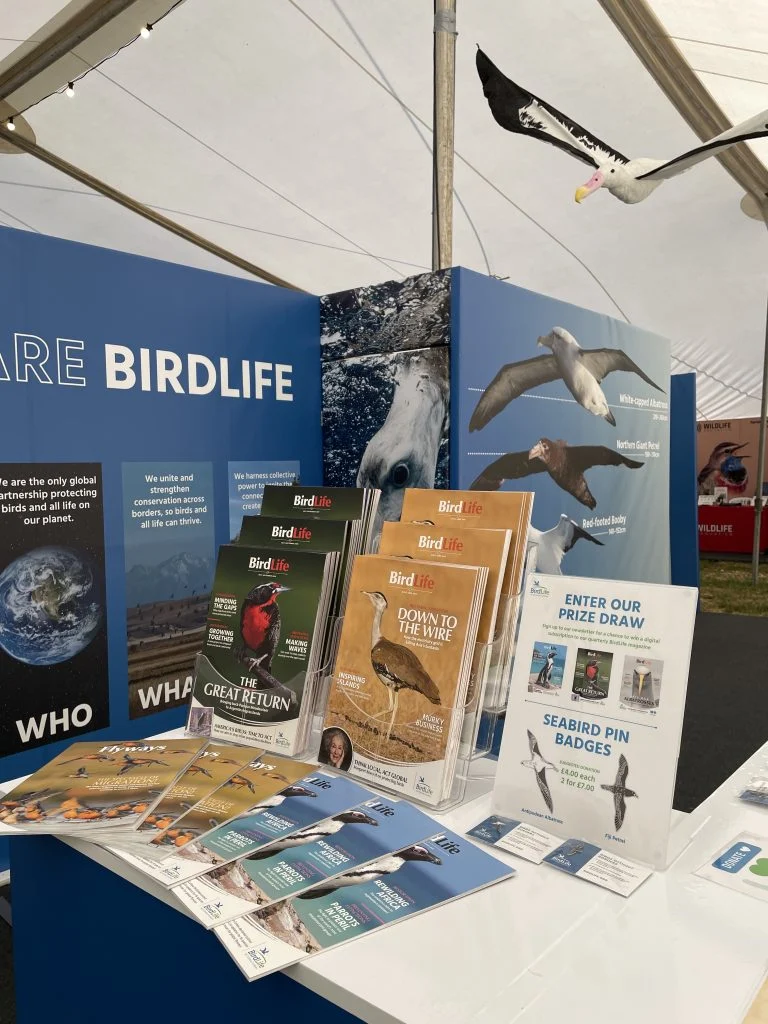
The world’s foremost annual celebration of avian life, Global Birdfair, is set to convene at Rutland Water, UK, from July 10th to 12th, 2026. This landmark event, renowned for its significant contributions to global bird conservation, will dedicate its 2026 proceeds to BirdLife International’s critical work aimed at protecting endemic bird species in São Tomé and Príncipe, an island nation grappling with severe threats to its unique biodiversity. The initiative specifically targets the prevention of extinctions among the island’s most vulnerable avian inhabitants.
A Beacon for Island Conservation: Focus on São Tomé and Príncipe
São Tomé and Príncipe, a small archipelago located in the Gulf of Guinea off the western equatorial coast of Africa, is a recognized biodiversity hotspot. Its isolation has fostered the evolution of an extraordinary array of endemic species, making it a critical area for global conservation efforts. However, this ecological richness is under immense pressure, with several species teetering on the brink of extinction. Global Birdfair 2026 will channel its support directly towards BirdLife’s comprehensive conservation programs in this region.
Among the most iconic and critically endangered residents of São Tomé’s lush forests are three species found nowhere else on Earth: the Dwarf Ibis (Bostrychia bocagei), the São Tomé Grosbeak (Crithagra concolor), and Newton’s Fiscal (Lanius newtoni). All three are classified as Critically Endangered on the IUCN Red List, signaling an extremely high risk of extinction in the wild. Their survival is contingent upon immediate and sustained conservation interventions. These species represent a fraction of São Tomé and Príncipe’s endemic biodiversity, which includes 28 endemic bird species, more than any other island in the Afro-tropical region, highlighting the archipelago’s unparalleled biological significance and the urgency of its protection.
The Perilous State of Island Endemics
Island ecosystems, by their very nature, are particularly vulnerable to environmental changes and external pressures. The limited geographical range of island endemics makes them highly susceptible to habitat degradation, climate change, and the introduction of invasive species. In São Tomé and Príncipe, the primary threats include deforestation driven by agricultural expansion, particularly for cocoa and coffee plantations, and logging. Additionally, climate change-induced alterations in weather patterns and sea levels pose long-term risks to these fragile habitats. Invasive species, such as rats and feral cats, also prey on native birds and their eggs, further exacerbating population declines.

The Dwarf Ibis, a shy, forest-dwelling bird, is believed to have a population of fewer than 250 individuals, confined to the primary montane forests. Its cryptic nature makes it challenging to study, yet crucial for understanding its ecological requirements. Similarly, the São Tomé Grosbeak, the largest member of the canary family, with its distinctive massive bill, is incredibly rare, with estimates suggesting fewer than 50 mature individuals. Newton’s Fiscal, a striking shrike species, faces similar dire circumstances, with a population thought to be critically low and highly localized. These species are not merely biological curiosities; they are integral components of São Tomé’s ecosystem, playing roles in seed dispersal, insect control, and nutrient cycling, thus contributing to the overall health and resilience of the island’s forests. Their loss would trigger cascading ecological effects, diminishing the entire ecosystem.
A Legacy of Conservation: The Evolution of Birdfair
Global Birdfair’s commitment to São Tomé and Príncipe builds upon a rich legacy of conservation funding and advocacy. The event’s origins trace back to the British Birdwatching Fair, first held in 1989. Conceived by Tim Appleton MBE and Martin Davies, with the support of the Leicestershire and Rutland Wildlife Trust, the fair quickly grew into the largest event of its kind globally. For over three decades, under the tireless dedication of Tim Appleton and Penny Robinson, the fair has generated millions of pounds for international bird conservation projects, supporting initiatives across every continent. Its transformation into Global Birdfair underscores its expanding international reach and its mission to foster a worldwide community united by a passion for birds and their protection.
The event has historically served as a vital platform for conservation organizations, birding equipment manufacturers, tour operators, and wildlife artists to connect with a passionate public. It offers a unique opportunity for attendees to engage directly with conservationists, learn about critical issues, and contribute financially to projects that make a tangible difference. The decision to support São Tomé and Príncipe in 2026 reflects a strategic focus on some of the world’s most endangered avian populations and highlights the urgent need for intervention in island ecosystems, which account for a disproportionate number of global extinctions.
The 2026 Event: Engagement and Impact
Global Birdfair 2026 promises an immersive and educational experience for all attendees. The event will feature a comprehensive program of talks by leading ornithologists, conservationists, and naturalists, providing insights into the challenges and triumphs of bird conservation worldwide. Visitors will have the opportunity to engage with interactive exhibits, including a dedicated stand focused on São Tomé and Príncipe, where they can "meet" experts working on the ground and learn in detail about the Dwarf Ibis, São Tomé Grosbeak, and Newton’s Fiscal. A unique "pod" experience will allow attendees to relax and listen to the authentic sounds of the São Tomé forest, offering a sensory connection to the project’s focus.
A particularly engaging feature will be the "Flyways Passport" initiative, encouraging visitors to embark on a "migratory journey" around the Birdfair, collecting stamps from partner organizations. This interactive element aims to educate participants about migratory bird routes and the interconnectedness of global conservation efforts, culminating in the reward of an exclusive pin badge. Beyond the educational and interactive components, every ticket purchased for Global Birdfair 2026 will directly contribute to the São Tomé and Príncipe conservation project. This direct funding model ensures that attendee contributions translate into concrete actions on the ground.

Building Local Capacity and Knowledge
The supported project in São Tomé will concentrate on two critical pillars: filling knowledge gaps about the endangered birds and strengthening local capacity for their protection. Researchers, park rangers, and community members will collaborate closely to conduct comprehensive studies on the target species. This includes detailed mapping of their habitats, monitoring population trends, and identifying specific threats at a local level. Such data is indispensable for designing effective, evidence-based conservation strategies.
Simultaneously, a significant emphasis will be placed on capacity building. This involves training local rangers in advanced monitoring techniques, habitat management, and anti-poaching measures. Community engagement programs will be initiated to raise awareness among local populations about the ecological and economic value of their endemic birds, fostering a sense of ownership and stewardship. By empowering local communities and integrating traditional knowledge with scientific approaches, the project aims to establish sustainable conservation practices that endure beyond the initial funding period. This holistic approach recognizes that long-term success depends on the active participation and empowerment of the people living closest to these precious ecosystems.
Statements from Key Stakeholders
Tim Appleton MBE and Penny Robinson, the driving forces behind Global Birdfair, expressed their profound commitment to this year’s chosen cause. "For decades, Birdfair has been a nexus for passion and purpose, translating the public’s love for birds into tangible conservation outcomes," stated Tim Appleton. "The critically endangered birds of São Tomé represent a microcosm of the global biodiversity crisis, particularly for island endemics. We are immensely proud to direct the collective energy of Global Birdfair towards securing their future. Our thanks go to every volunteer, exhibitor, and visitor whose participation makes this vital work possible." Penny Robinson added, "Our goal is not just to raise funds, but to raise awareness. São Tomé’s unique avian treasures deserve global attention and support. Through engaging experiences at the fair, we hope to inspire a new generation of conservationists and show how collective action can truly make a difference for species on the very edge of existence."
A spokesperson for BirdLife International underscored the urgency of the situation. "São Tomé and Príncipe is a jewel of biodiversity, but its unique species face immense pressures," remarked the spokesperson. "The support from Global Birdfair 2026 is absolutely critical. It will enable our teams and local partners to implement targeted interventions, from scientific research to community-led protection efforts, that are essential for pulling these species back from the brink. This partnership exemplifies the global collaborative effort required to safeguard our planet’s most vulnerable wildlife."
While specific statements from the government of São Tomé and Príncipe were not provided, it can be logically inferred that such an initiative would be welcomed. International collaboration is often a cornerstone of conservation efforts in developing island nations, providing much-needed resources, expertise, and global visibility for their environmental challenges. A representative from the Ministry of Environment, for example, might express gratitude for the international solidarity, emphasizing how such projects align with national sustainable development goals and highlight the nation’s commitment to preserving its natural heritage for future generations and for the benefit of global biodiversity.

Broader Impact and Implications
The Global Birdfair’s focused support for São Tomé and Príncipe carries significant broader implications for global conservation. Firstly, it highlights the disproportionate vulnerability of island ecosystems, which, despite their small land area, harbor a vast percentage of the world’s biodiversity and face the highest rates of extinction. By spotlighting São Tomé, the event draws attention to a critical, yet often overlooked, front in the battle against species loss.
Secondly, it reinforces the model of "event-driven conservation," demonstrating how large-scale public events can effectively mobilize resources and public engagement for specific, high-priority projects. This model not only generates crucial funding but also fosters a sense of collective responsibility among the global birdwatching and conservation community. The emphasis on filling knowledge gaps and building local capacity also aligns with best practices in conservation, ensuring that interventions are scientifically sound and culturally appropriate, leading to more sustainable long-term outcomes.
Finally, the initiative underscores the interconnectedness of environmental challenges and solutions. Protecting the forests of São Tomé benefits not only the endemic birds but also a myriad of other species, helps regulate local climate, and supports the livelihoods of local communities. It also contributes to global efforts to combat climate change by preserving carbon sinks and maintaining ecological integrity. As the world confronts unprecedented biodiversity loss, events like Global Birdfair serve as vital reminders that dedicated action, fueled by passion and partnership, can indeed make a genuine difference in protecting the planet’s most precious natural assets. The future of the Dwarf Ibis, São Tomé Grosbeak, and Newton’s Fiscal, along with countless other species, depends on such concerted and compassionate efforts.
