
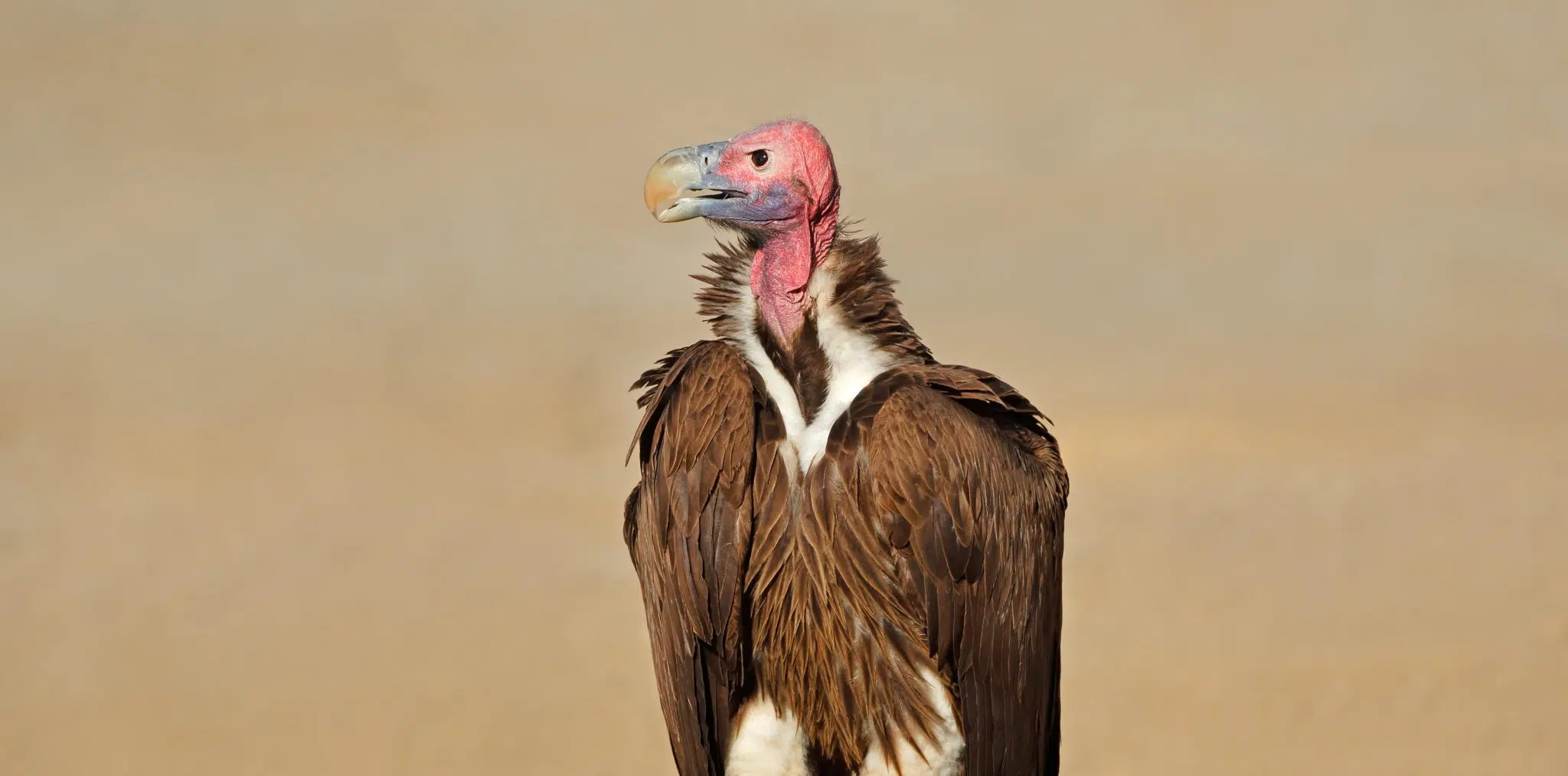
BirdLife International’s Senior Vulture Conservation Officer, Lovelater Sebele, is spearheading efforts to safeguard southern Africa’s imperiled vulture populations, advocating passionately for conservation strategies that are deeply inclusive and culturally sensitive. Working from her base in Zimbabwe, Sebele collaborates with partners and stakeholders across the region, highlighting the indispensable ecological contributions of vultures while simultaneously challenging traditional, often exclusionary, conservation paradigms. Her work underscores a fundamental truth: effective conservation cannot thrive by alienating or marginalizing local communities, whose insights and traditions often hold keys to sustainable solutions.
The Unsung Heroes: Vultures’ Critical Role and Dire Threat
Vultures, often misunderstood and visually unappealing to some, are ecological linchpins. Their role as nature’s clean-up crew is paramount, preventing the spread of diseases by rapidly consuming carcasses that could otherwise harbor pathogens harmful to both wildlife and humans. This vital service is not merely anecdotal; scientific assessments estimate the ecosystem services provided by vultures in southern Africa alone to be valued at an astonishing US$1.8 billion annually. This immense economic and public health benefit stems from their efficiency in carcass removal, which reduces the need for costly waste disposal, limits disease outbreaks among livestock and wild populations, and curtails populations of other scavengers that could transmit diseases.

Despite their crucial ecological function, vulture populations across southern Africa face an unprecedented crisis. Species such as the Lappet-faced Vulture, Cape Vulture, White-backed Vulture, and Hooded Vulture are listed as Endangered or Critically Endangered by the IUCN, with some populations experiencing declines of 70-90% over recent decades. The threats are multifaceted and severe: primary among them is poisoning, often indiscriminate, targeting large predators but inadvertently killing hundreds of vultures that feed on contaminated carcasses. Other significant pressures include habitat loss and degradation, collisions with power lines, and, notably, their use in traditional belief-based practices.
"First of all," Sebele remarks with a broad smile, acknowledging the initial perception challenges, "they are not good-looking birds. They are big with bald heads. They spend a lot of time on smelly carcasses. So people do wonder why you would actually want to work with vultures!" This candid observation highlights a core challenge in vulture conservation: overcoming public aversion and demonstrating their profound value, which often extends beyond their aesthetic appeal.
Cultural Connections and the ‘Duality of Knowledge’
In many African societies, cultural connections to nature, including birds, are deeply embedded. Totems, often depicting animals and birds, are revered, fostering a respectful relationship between people and the natural world. Birds, in particular, have historically served as vital indicators for communities, signaling changing seasons, impending rains, or dry spells – direct impacts on livelihoods. Certain species are also woven into belief systems, linked to omens, witchcraft, or spiritual practices, which can paradoxically lead to both protection through fear and persecution.

One of the most complex threats to vultures stems from their use in belief-based practices. Vulture parts are sought after for physical and spiritual healing in traditional African medicine. Sebele elaborates, "One of the things we are working on within the African continent is the ‘belief-based’ use of vultures, because vulture parts are used in both physical and spiritual healing in African culture." This demand has unfortunately fueled poaching and illegal trade, exacerbating population declines.
Traditional healers often attribute vultures’ remarkable ability to locate carcasses from vast distances to a form of prescience, leading to the belief that consuming their heads can bestow similar foresight or luck. This highlights a fascinating "duality of knowledge," where scientific understanding of avian thermals and keen eyesight converges with indigenous interpretations rooted in observation and spiritual belief. As Sebele notes, "Over generations, Africans have been people that are very observant of their surroundings. Generally, they understand that vultures move long distances – they’ve seen it."
Shifting Paradigms: From Eradication to Engagement
Initial conservation approaches often favored a top-down, prohibitive stance, particularly concerning belief-based use. "There was a time when we thought about completely eradicating the use of vultures," Sebele recalls, reflecting on past strategies. However, this proved ineffective, as cultural practices are not easily erased. "We realised that you do not get rid of a culture like that," she asserts. Forcing changes often drives practices underground, making monitoring and intervention even more challenging.

The colonial era further complicated this dynamic, frequently demonizing traditional African religions in favor of imported faiths like Christianity or Islam. This historical suppression means that even today, accurately gauging the prevalence of traditional medicine use is difficult. However, the sheer numbers in associations dedicated to such practices—one in Zimbabwe boasts 45,000 members, each with a client base—suggest a widespread and enduring practice.
BirdLife International, through its partners, has pivoted towards a more nuanced and collaborative strategy. This involves engaging directly with the custodians of culture, such as traditional healers, to foster dialogue and explore sustainable alternatives. The goal is not to eliminate cultural practices but to identify alternative materials that can achieve similar therapeutic or spiritual ends without harming endangered species. This approach acknowledges that both conservationists and communities ultimately desire the survival of vultures – the former for their intrinsic value and ecosystem services, the latter for the perpetuation of their culture and the health of their environment.
"We appreciate that we will never get to a point where there is zero use of these species in medicine, but we are working with traditional healers in cognizance of the culture," Sebele explains. This collaborative spirit is proving vital. While quantifiable results remain challenging to ascertain with precision, the initiatives are raising awareness and creating platforms for traditional healers to discuss sustainable practices among themselves.
Community Empowerment and Legal Progress

Beyond engagement with traditional healers, local communities are increasingly becoming active participants in vulture conservation. They are contributing by identifying and removing threats in their landscapes, such as poisoned carcasses, and mapping nesting sites to provide crucial data for conservationists. This grassroots involvement is a testament to the power of shared objectives.
Significant strides are also being made in law enforcement. Sebele highlights a positive shift in judicial recognition of vulture poaching. "There was a time when we thought about completely eradicating the use of vultures," she recalls, "but we realised that you do not get rid of a culture like that." Previously, court cases might only focus on high-profile poaching of elephants or rhinos, overlooking the illegal killing of vultures. Now, thanks to sustained advocacy and community awareness campaigns, arrests and prosecutions for harvesting vulture parts are becoming more common. Communities, now more attuned to the criminal implications of killing vultures, are actively reporting suspicious activities, indicating a growing understanding and commitment to their protection. "Yes, we are making inroads," Sebele affirms.
The foundation of this progress lies in finding common ground. Both conservationists and local communities recognize the intrinsic value of vultures and the essential ecosystem services they provide. For communities, vultures offer practical benefits, such as locating lost livestock. Sebele shares a surprising lesson learned from local knowledge: "For local communities, vultures are valuable because when they lose livestock they have to spend days searching for it. If they are not seeing soaring vultures, they still hope the animal is alive. If they see vultures circling an area, the plan is to investigate what they are looking at – it saves them time they would otherwise spend searching for an already dead." This pragmatic understanding fosters a direct incentive for communities to protect these birds.
Addressing Systemic Barriers and Charting an Inclusive Future

While celebrating these successes, Sebele remains acutely aware of systemic challenges within the broader conservation movement, particularly concerning gender and race. While personally fortunate to have strong family support and not face individual oppression, she recognizes wider, ingrained biases. "Those kinds of challenges in conservation genuinely exist, and they are mostly systematic. They generally work against women and work against people of different ethnic backgrounds," she states.
This manifests in various ways, including the development of "universal" behavior-change strategies that fail to account for the unique cultural contexts, social structures, and beliefs prevalent in African societies. Such "one-size-fits-all" solutions, Sebele argues, ultimately fit no one perfectly, rendering them ineffective and potentially counterproductive.
"Conservation is not just the plants and animals in the space; it has a social and cultural aspect to it," Sebele wisely observes. "As conservationists, we need to be open to these dimensions." She advocates for a collective approach, integrating diverse forms of knowledge—scientific, indigenous, and local—to forge more robust and sustainable conservation outcomes. The ultimate goal is a holistic conservation effort that not only protects species but also enhances landscapes and supports human well-being.
Lovelater Sebele embodies the spirit of advocacy, explaining, "I’m standing in for the voiceless, for organisms that have every right to be here but unfortunately cannot speak for themselves." Her profound hope for the future rests on the growing interest in conservation, particularly among people in Africa. Each new voice and perspective, she believes, adds invaluable depth and resonance to the global chorus for nature, making the conservation movement stronger, more equitable, and ultimately, more successful.

BirdLife International is deeply committed to placing these local voices and actions at the forefront of its work. Through its vast global partnership, BirdLife fosters a "mixed flock" of individuals and organizations worldwide, sharing knowledge, forging connections, and uniting a shared passion to conserve birds and all life, everywhere, recognizing that true conservation success is inherently linked to human inclusion and respect for diverse cultural heritage.
