
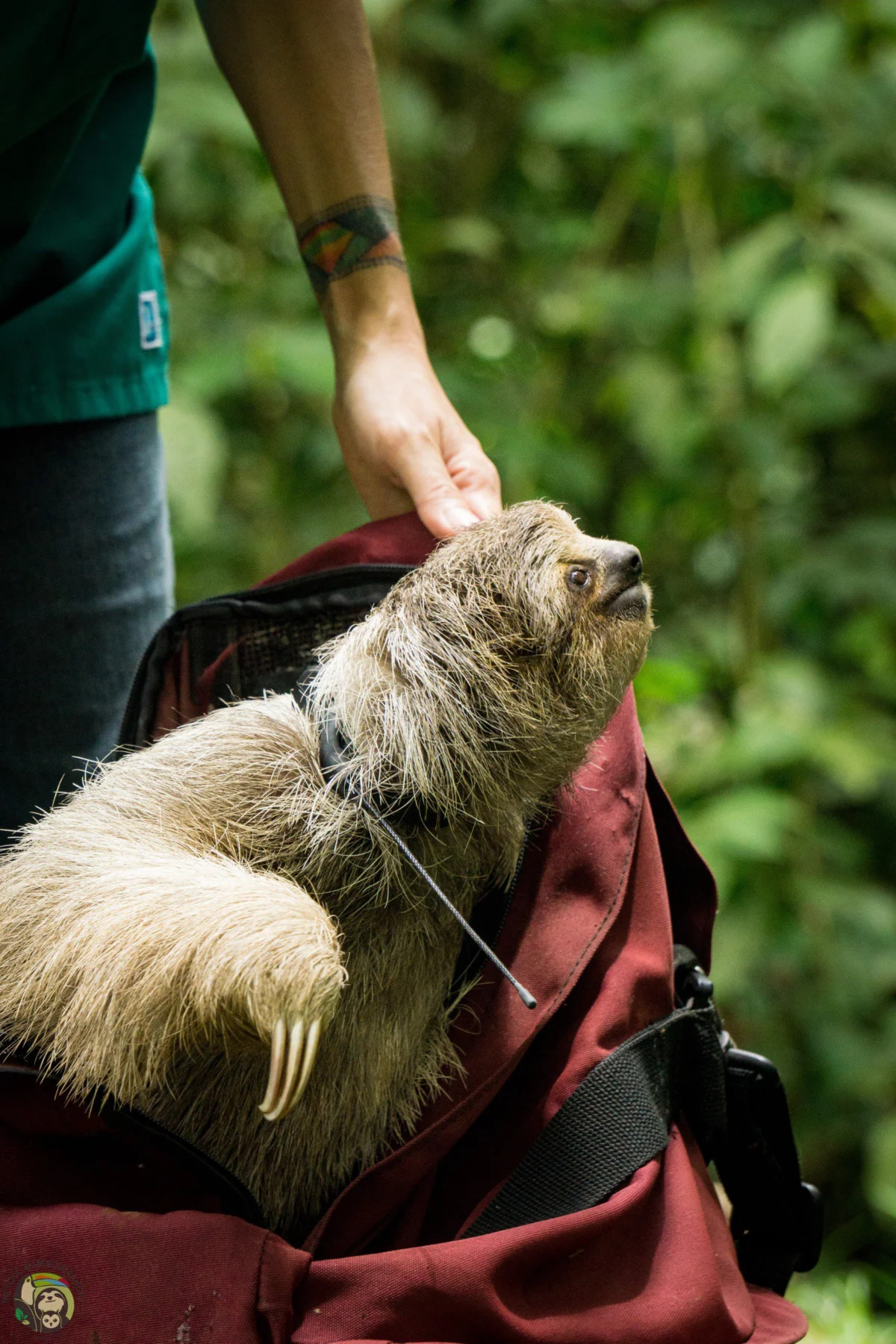
The Toucan Rescue Ranch, a prominent wildlife rescue and rehabilitation center based in Costa Rica, has formalised its comprehensive Release Program, a structured initiative designed to return rescued animals to their natural habitats. This program serves as the cornerstone of the organization’s mission, bridging the gap between emergency medical intervention and the long-term ecological restoration of Costa Rica’s diverse ecosystems. By focusing on individualized rehabilitation protocols and strategic reintroduction, the program aims to mitigate the impacts of habitat loss, the illegal wildlife trade, and human-wildlife conflict.
The Pillars of Wildlife Rehabilitation and Reintegration
The Release Program is built upon a rigorous, multi-stage rehabilitation process. When an animal arrives at the sanctuary—often suffering from physical trauma, electrocution from power lines, or the psychological effects of illegal captivity—it enters a high-intensity clinical phase. The Ranch’s team of specialized veterinarians and wildlife biologists provides immediate medical stabilization, which may include surgery, nutritional therapy, and wound management.
However, physical healing is only the first step. For an animal to survive in the wild, it must undergo behavioral rehabilitation. This phase is tailored to the specific species and the individual’s history. For example, raptors must demonstrate proficient hunting skills, while primates and sloths must show agility in canopy navigation. The program utilizes "behavioral enrichment" to stimulate natural instincts, ensuring that animals do not become lethargic or overly dependent on human care during their recovery.
A Chronology of the Reintroduction Process
The journey from rescue to release follows a strict chronological path to ensure the highest probability of survival. This timeline is not fixed by days but by the achievement of specific developmental and health milestones.
- Intake and Quarantine: All animals undergo a mandatory quarantine period to prevent the spread of zoonotic diseases and to allow staff to assess the extent of injuries or habituation.
- Clinical Recovery: Medical professionals address fractures, infections, or malnutrition. This stage can last from weeks to several months depending on the severity of the case.
- Pre-Release Conditioning: Animals are moved to larger outdoor enclosures that mimic their natural environment. Here, they practice flight, climbing, and foraging. Interaction with humans is strictly minimized during this stage to foster a healthy "fear" of people, which is vital for wild survival.
- The Evaluation Phase: A panel consisting of veterinarians and the administration of the Toucan Rescue Ranch, in coordination with Costa Rica’s Ministry of Environment and Energy (MINAE), evaluates the candidate. They use a checklist of survival behaviors: Can the animal find food? Does it recognize predators? Is it physically fit?
- Soft Release and Monitoring: If cleared, the animal is moved to a "soft release" site. Unlike a "hard release," where an animal is simply let go, a soft release allows the individual to acclimate to the local climate and sounds within a protected enclosure at the release site before the doors are finally opened.
Distinguishing Release Candidates from Permanent Residents
A critical aspect of the program’s success is the objective classification of animals into two categories: release candidates and permanent residents. This distinction is made to prevent the "ecological death" of an animal—releasing a creature that cannot survive, which is considered inhumane and counterproductive to conservation goals.
Characteristics of a Release Candidate
A strong candidate typically possesses intact natural instincts. Adult birds and mammals that were born in the wild and only spent a short time in rehabilitation are the most successful. Furthermore, the Toucan Rescue Ranch’s specialized breeding program for toucans produces offspring that are raised specifically for release. These birds are never habituated to humans and are taught essential survival skills by their parents or through specialized "puppet-rearing" techniques that prevent human imprinting.
The Role of Permanent Residents
Not every rescue story ends in the wild. Animals with permanent disabilities—such as an owl missing a wing or a parrot that has been "humanized" by years in the pet trade—remain at the sanctuary. Releasing a habituated animal often leads to them seeking out human settlements, where they are at high risk of recapture, abuse, or starvation. These permanent residents serve as "ambassadors" for their species, playing a vital role in the Ranch’s educational programs. By sharing their stories, the Ranch raises public awareness about the dangers of the illegal pet trade and the importance of preserving wild spaces.
Strategic Site Selection and Partnerships
The success of a release is heavily dependent on the environment into which the animal is introduced. The Toucan Rescue Ranch collaborates with local conservationists and environmental experts to identify sites that offer abundant resources and minimal threats.
Central to this effort are partnerships with established biological reserves. The Ranch works closely with Earth University and the Tirimbina Biological Reserve. These locations provide protected, high-quality habitats where released animals are less likely to encounter human encroachment or illegal hunting.
Furthermore, the Toucan Rescue Ranch has invested in its own dedicated infrastructure. The organization operates two specific properties—one 25-acre parcel and a 16-acre parcel—dedicated to the soft release process. These managed lands allow staff and interns to provide supplemental support and observation as animals transition back to the canopy. The proximity of an intern house on one of these properties ensures that the release process is monitored around the clock by trained professionals.
Data-Driven Monitoring and Post-Release Analysis
In modern conservation, the release is not the end of the mission. Post-release monitoring is an integral component of the Ranch’s protocol. To gather data on the success rates of their programs, the team employs several tracking methods:
- VHF Radio Telemetry: Small transmitters attached to the animals allow researchers to track their movements and ensure they are establishing territories.
- Visual Field Observations: Staff and volunteers conduct regular sightings to monitor the animal’s body condition and social integration.
- Community Reporting: Local residents and conservation partners provide feedback on sightings, creating a network of "citizen science" that supports the Ranch’s data.
This data is used to refine future rehabilitation techniques. For instance, if data shows that a certain species struggles with a specific predator in a certain region, the Ranch may adjust its pre-release training or choose a different release site for that species in the future.
Broader Ecological Impact and Conservation Analysis
The implications of the Toucan Rescue Ranch Release Program extend beyond the welfare of individual animals. In the context of Costa Rica’s biodiversity, each successful release contributes to the "keystone" functions of the ecosystem. Toucans and other frugivorous birds are essential seed dispersers; their presence is a primary driver of forest regeneration. By returning these birds to the wild, the Ranch is effectively planting the forests of the future.
Furthermore, the program operates within a strict legal framework. Every release is coordinated with MINAE, ensuring that the Ranch’s activities align with national conservation strategies. This institutional cooperation is vital for the long-term sustainability of wildlife populations in Central America, where habitat fragmentation remains a significant threat.
The program also addresses the socio-economic drivers of wildlife loss. By involving the community and offering volunteer opportunities, the Ranch fosters a local economy built on conservation rather than exploitation. This shift in community perspective is often the most durable defense against the illegal wildlife trade.
Conclusion and Call to Action
The Toucan Rescue Ranch Release Program represents a sophisticated blend of veterinary science, behavioral ecology, and community activism. While the challenges facing wildlife in the 21st century are immense, the success stories emerging from the Ranch’s release sites provide a blueprint for effective conservation.
The organization continues to seek public support to fund the high costs of medical care, specialized diets, and the advanced tracking technology required for post-release monitoring. Through donations, volunteerism, and advocacy, the public plays a direct role in ensuring that rescued wildlife is not just saved, but truly returned to the wild where they belong. The mission remains clear: to preserve the natural heritage of Costa Rica and ensure that future generations can witness these species in their rightful home—the wild.
