
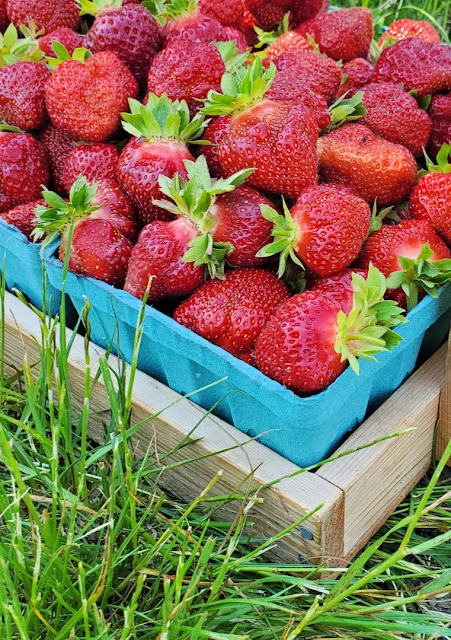
The integration of supplemental fruits and vegetables into the diets of domestic poultry has evolved from a casual backyard practice into a specialized area of avian nutritional science. As the global trend toward backyard chicken keeping continues to rise—driven by both a desire for food security and a preference for organic egg production—owners are increasingly seeking data-driven guidance on supplemental feeding. Among the various options available, strawberries (Fragaria × ananassa) have emerged as a high-value treat, offering a complex profile of vitamins, minerals, and antioxidants that can significantly bolster the health of a flock when administered within specific parameters.
The Evolution of Supplemental Poultry Nutrition
Historically, domestic chickens were primarily fed a diet consisting of kitchen scraps and "scratch" grains, which provided basic caloric intake but often lacked the nuanced micronutrients required for optimal health and high-yield egg production. In the mid-20th century, the shift toward commercialized pellet feed standardized poultry nutrition, ensuring that birds received a balanced ratio of proteins, fats, and carbohydrates. However, modern poultry experts and enthusiasts have identified a "nutritional gap" that can be bridged through the strategic use of fresh produce.
Strawberries are now recognized not merely as a flavor-based treat but as a functional food. They contain a variety of bioactive compounds that support the physiological demands of laying hens, including the intensive process of eggshell calcification and the maintenance of a robust immune system. As avian experts emphasize, the goal of supplemental feeding is to enhance the standard commercial diet without disrupting the delicate balance of the bird’s digestive tract.

Comprehensive Nutritional Profile of Strawberries
Strawberries are characterized by a dense concentration of essential nutrients that are particularly beneficial to the avian physiology. Unlike some fruits that offer high sugar with little fiber, strawberries provide a balanced nutritional matrix.
Antioxidants and Immune Support
Strawberries are rich in Vitamin C (ascorbic acid), which, while synthesizable by chickens under normal conditions, becomes a critical "conditional" nutrient during periods of stress. Heat stress, molting, and environmental changes can deplete a bird’s internal Vitamin C reserves. The presence of anthocyanins—the pigments responsible for the fruit’s red color—provides potent antioxidant properties that help neutralize free radicals, thereby reducing oxidative stress at the cellular level.
Bone Health and Egg Production
The mineral content of strawberries includes calcium, manganese, and potassium. Calcium is the primary component of eggshells, and while strawberries should not be the primary source of this mineral, they serve as a valuable supplement. Manganese plays a vital role in the formation of the organic matrix of the eggshell and supports bone development. Furthermore, Vitamin K, found in significant quantities in berries, is essential for blood coagulation and bone mineralization.
Digestive Health and Metabolic Function
The dietary fiber found in strawberries aids in the movement of food through the avian digestive tract. Additionally, Vitamin B6 and folate (Vitamin B9) contribute to a healthy metabolism and the synthesis of DNA. For growing pullets and active laying hens, these vitamins ensure that energy conversion remains efficient.

The "Whole Plant" Philosophy: Leaves, Caps, and Tannins
A unique aspect of the strawberry plant in relation to poultry is the safety and utility of its non-fruit components. While many garden plants—most notably those in the nightshade family, such as tomatoes and potatoes—possess toxic leaves or stems, the entire strawberry plant is non-toxic to chickens.
Professional poultry keepers often utilize the "strawberry top" or calyx (the green leafy cap) as a zero-waste nutritional supplement. These green components contain iron and tannins. In the context of avian health, tannins act as a mild digestive aid and possess antimicrobial properties that can help regulate the gut microbiome. The inclusion of the stems and leaves provides structural variety to the diet, encouraging natural foraging behaviors that are essential for the psychological well-being of confined or semi-confined flocks.
The 10 Percent Rule: Managing Sugar and Digestive Balance
Despite the clear nutritional benefits, the administration of strawberries must be governed by strict moderation. Avian digestive systems are highly efficient but sensitive to sudden increases in simple sugars (fructose).
The Risk of Fructose Overload
Excessive consumption of strawberries can lead to an osmotic imbalance in the intestines, frequently manifesting as diarrhea. This not only causes discomfort for the bird but can lead to dehydration and a decrease in the absorption of essential nutrients from their primary feed.

Establishing a Feeding Protocol
The current industry standard for supplemental treats is the "10 Percent Rule." This guideline dictates that all treats, including fruits, vegetables, and mealworms, should constitute no more than 10% of a chicken’s total daily caloric intake. For an average adult hen, this equates to approximately one to two tablespoons of supplemental food per day. By adhering to this limit, owners ensure that the birds still consume their primary layer pellets, which are formulated to provide the exact protein and calcium ratios required for egg production.
Contaminant Risks and Agricultural Standards
The transition of strawberries from a commercial crop to a poultry treat involves significant considerations regarding food safety. Strawberries consistently rank high on the "Dirty Dozen" list—a report by the Environmental Working Group (EWG) identifying produce with the highest levels of pesticide residue.
Pesticide Sensitivity in Poultry
Chickens have a high metabolic rate and a smaller body mass than humans, making them potentially more susceptible to the long-term effects of pesticide ingestion. Chemical residues from herbicides and pesticides can accumulate in the bird’s fatty tissues and may even be transferred into the eggs produced for human consumption.
Mitigation Strategies
To mitigate these risks, agricultural experts recommend several protocols:

- Thorough Irrigation: Berries should be washed in a vinegar-water solution or under high-pressure cold water to remove surface residues.
- Sourcing: Whenever possible, poultry owners are encouraged to source organic berries or utilize "U-pick" farms that employ Integrated Pest Management (IPM) rather than heavy chemical spraying.
- Home Cultivation: Growing strawberries within the poultry range allows the birds to benefit from the fruit while providing natural pest control, provided the plants are protected from over-foraging.
Broader Impact: The Backyard Chicken Movement
The focus on specific nutritional treats like strawberries reflects a broader shift in the socio-economic landscape of agriculture. Since 2020, there has been a documented 15% to 20% increase in backyard poultry ownership in North America and Europe. This surge has been attributed to rising commercial egg prices and a growing consumer interest in "traceable food."
As more households adopt chickens, the demand for expert-level husbandry information has increased. This has led to a more sophisticated understanding of avian biology among hobbyists. The practice of feeding strawberries is no longer seen as just "feeding scraps," but as a deliberate act of animal welfare and nutritional optimization.
Conclusion and Expert Recommendations
The consensus among avian nutritionists and experienced poultry experts, such as Lisa Steele of Fresh Eggs Daily, is that strawberries represent an elite category of supplemental treats. They provide a synergistic blend of vitamins (C, K, B6), minerals (Manganese, Potassium, Iron), and fiber that support the holistic health of the flock.
However, the efficacy of strawberries as a supplement is entirely dependent on the discipline of the keeper. The potential for digestive upset due to high sugar content and the risk of pesticide exposure requires a cautious and informed approach. By integrating strawberries as a measured, clean, and infrequent addition to a balanced diet, poultry owners can improve the longevity of their birds and the quality of the eggs they produce.

As the agricultural sector continues to study the impacts of phytonutrients on domestic fowl, the humble strawberry remains a benchmark for how fresh produce can enhance the traditional grain-based diets of the modern backyard flock. The integration of the whole plant—from the antioxidant-rich fruit to the tannin-heavy leaves—showcases a sustainable and biologically appropriate method of supplemental feeding that aligns with the best practices of contemporary animal husbandry.
