
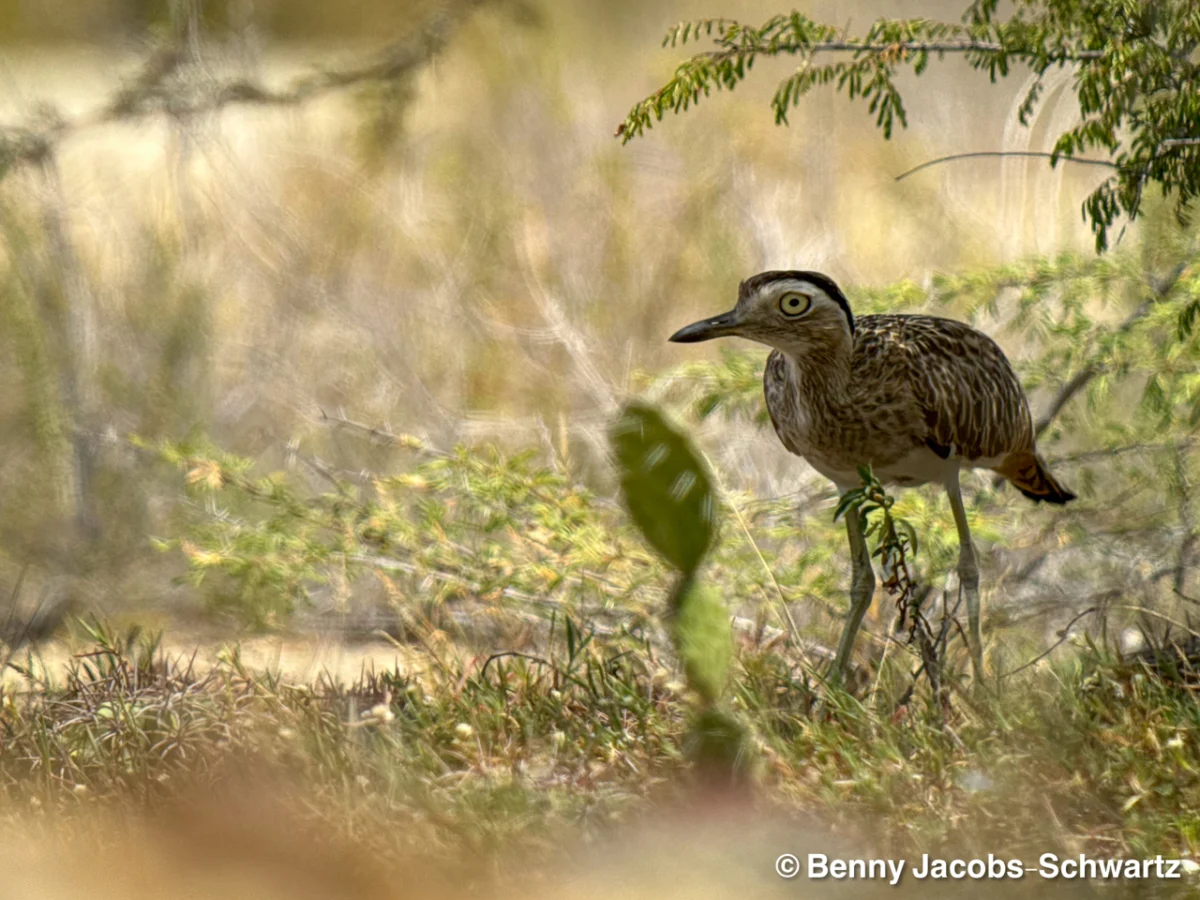
A comprehensive eight-day avian research and observation expedition through Northern Colombia has concluded, documenting a significant number of endemic and critically endangered species across diverse ecosystems. The tour, which spanned from the coastal wetlands of Barranquilla to the high-altitude forests of the Sierra Nevada de Santa Marta and the arid scrublands of La Guajira, provided a detailed look at the current state of avian biodiversity in one of the world’s most critical ecological corridors. Led by expert guides and attended by international observers, the expedition recorded dozens of rare sightings, including the critically endangered Sapphire-bellied Hummingbird and nearly twenty species found nowhere else on Earth. This data underscores the biological importance of the Santa Marta Mountains, an isolated mountain range that serves as a "hotspot within a hotspot" for global conservation efforts.
Strategic Commencement in the Caribbean Lowlands
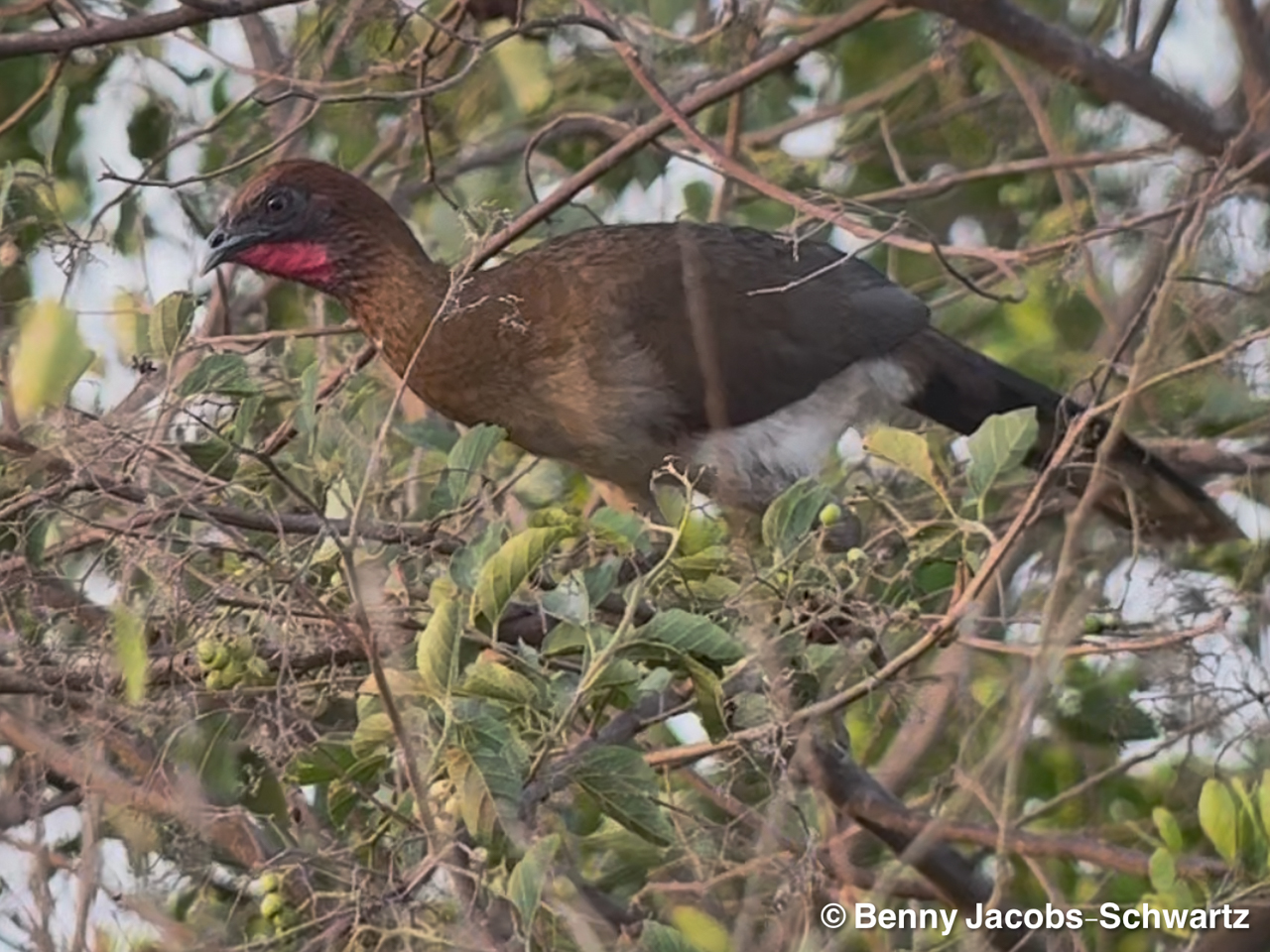
The expedition began on March 28 in the city of Barranquilla, a strategic gateway to the Caribbean coast’s varied habitats. Participants gathered for an initial briefing to coordinate the logistics of traversing several distinct life zones, ranging from sea-level mangroves to mountain peaks exceeding 2,500 meters. The following day, the group moved to the KM 4 region, an area characterized by a mosaic of open habitats, dry forests, and wetlands. The productivity of this site was immediately evident; observers recorded 64 species within a 90-minute window. Key sightings included the Chestnut-winged Chachalaca, an endemic species to Colombia, alongside the Northern Screamer, Dwarf Cuckoo, and the Black-collared Hawk.
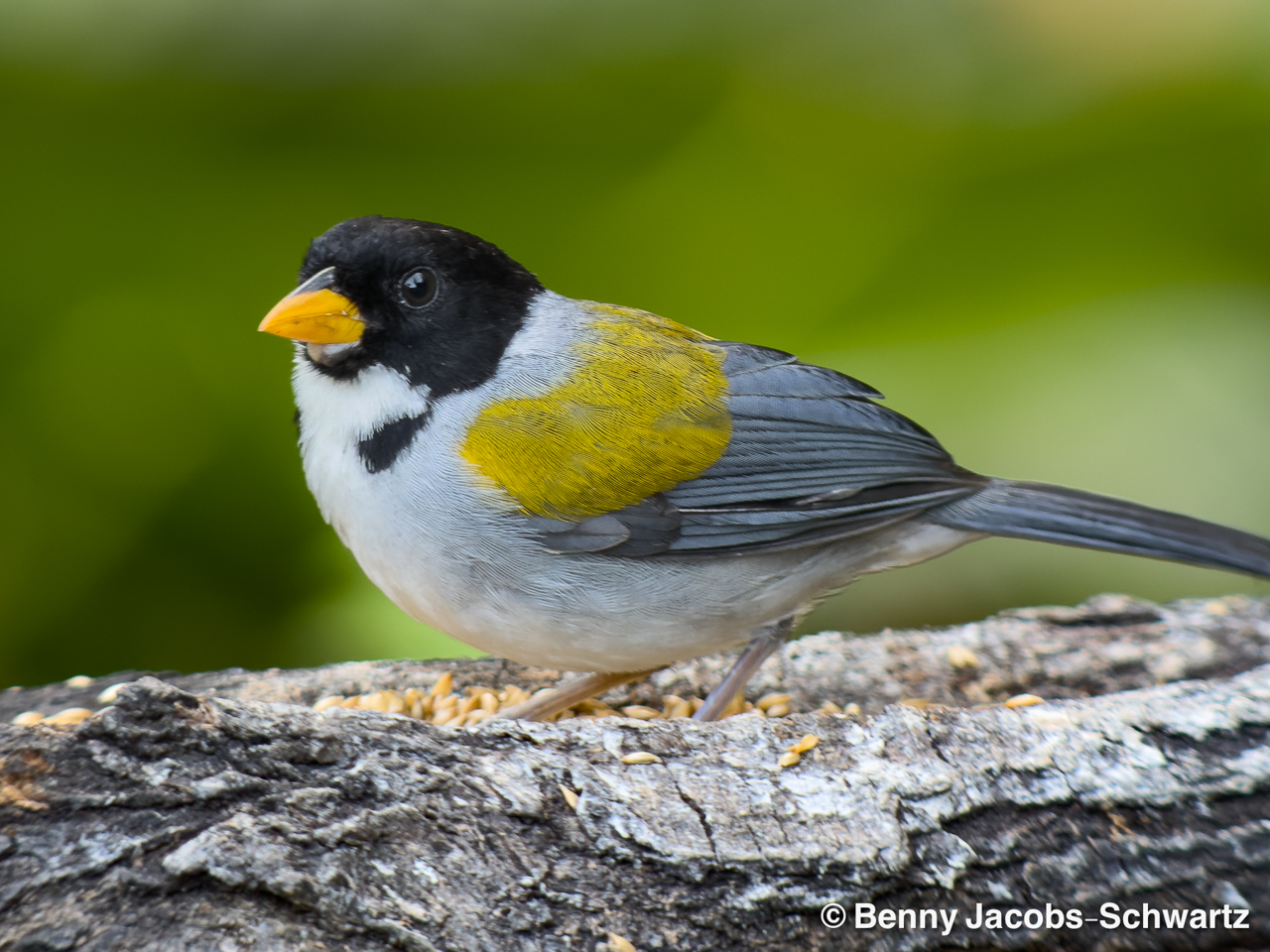
The transition to the Isla de Salamanca National Natural Park provided a stark contrast in biodiversity. As a "Vía Parque" (Park Way), this area is vital for its mangrove forests, which act as a nursery for Caribbean marine life and a sanctuary for specialized bird species. The expedition successfully located the American Pygmy Kingfisher and the Pied Puffbird, but the highlight of the coastal segment was the Sapphire-bellied Hummingbird (Lepidopyga lilliae). Listed as critically endangered by the IUCN, this hummingbird is restricted to a narrow strip of mangroves on Colombia’s Caribbean coast. Its sighting confirms the continued, albeit fragile, presence of the species in its primary habitat, which remains under threat from coastal development and habitat fragmentation.
The Ascent of the Sierra Nevada de Santa Marta
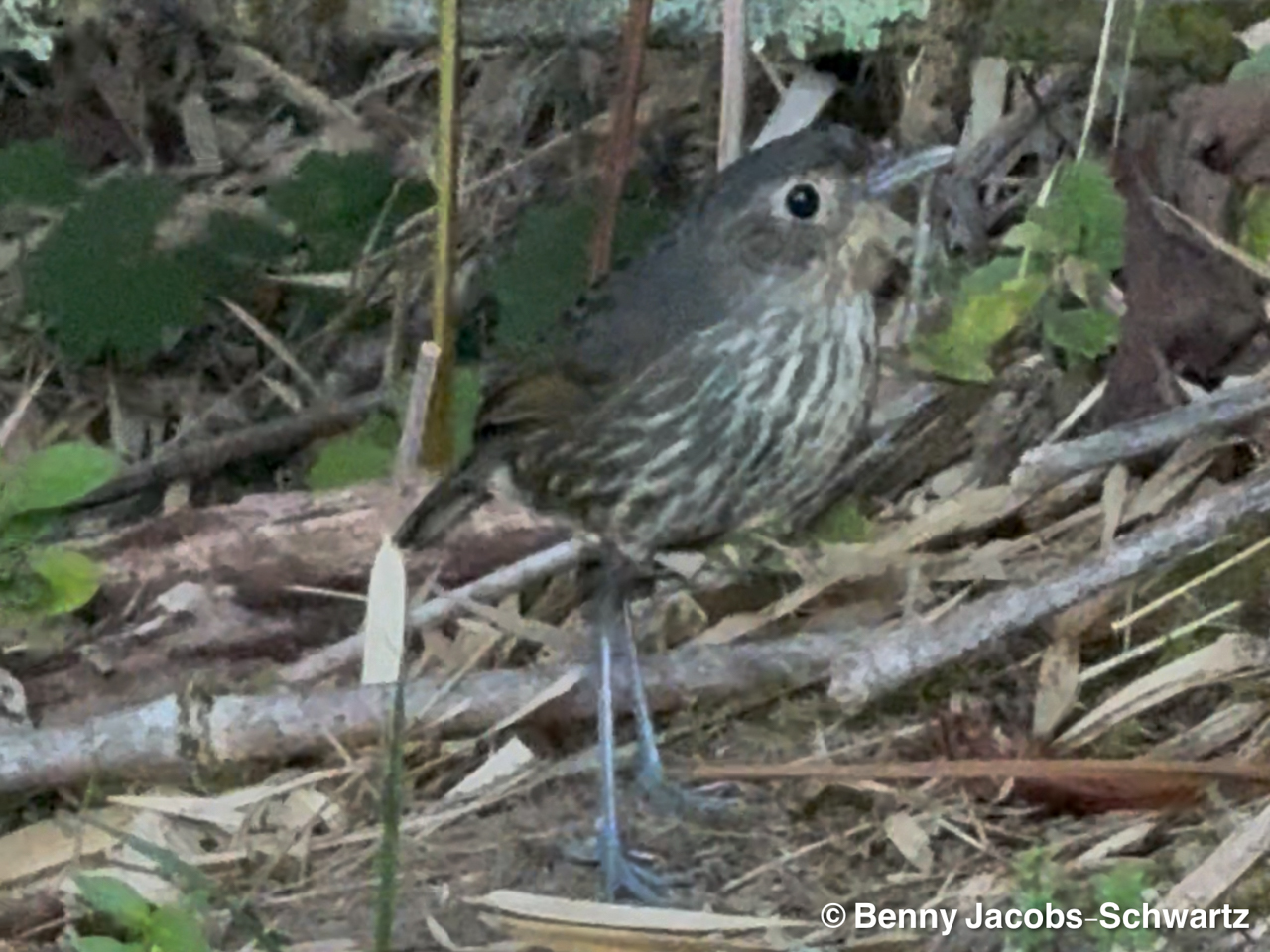
By the afternoon of March 29, the expedition shifted its focus toward the Sierra Nevada de Santa Marta, the highest coastal mountain range in the world. This range is geographically isolated from the Andes, leading to an extraordinary rate of endemism. On March 30, the group targeted the Cuchilla de San Lorenzo, a ridge known for its high-elevation cloud forests. Beginning before dawn, the team successfully located the Santa Marta Screech-Owl, a species whose range is incredibly restricted.
As the sun rose over the San Lorenzo Ridge, the expedition documented a flurry of endemic activity. The Sierra Nevada Antpitta, White-tailed Starfrontlet, and the Santa Marta race of the Tyrian Metaltail were among the primary targets achieved. The list of endemics continued to grow with sightings of the Yellow-crowned Redstart, Streak-capped Spinetail, and the Black-cheeked Mountain-Tanager. These observations provide valuable data points for ornithologists tracking the population health of species that are confined to these specific altitudinal bands.
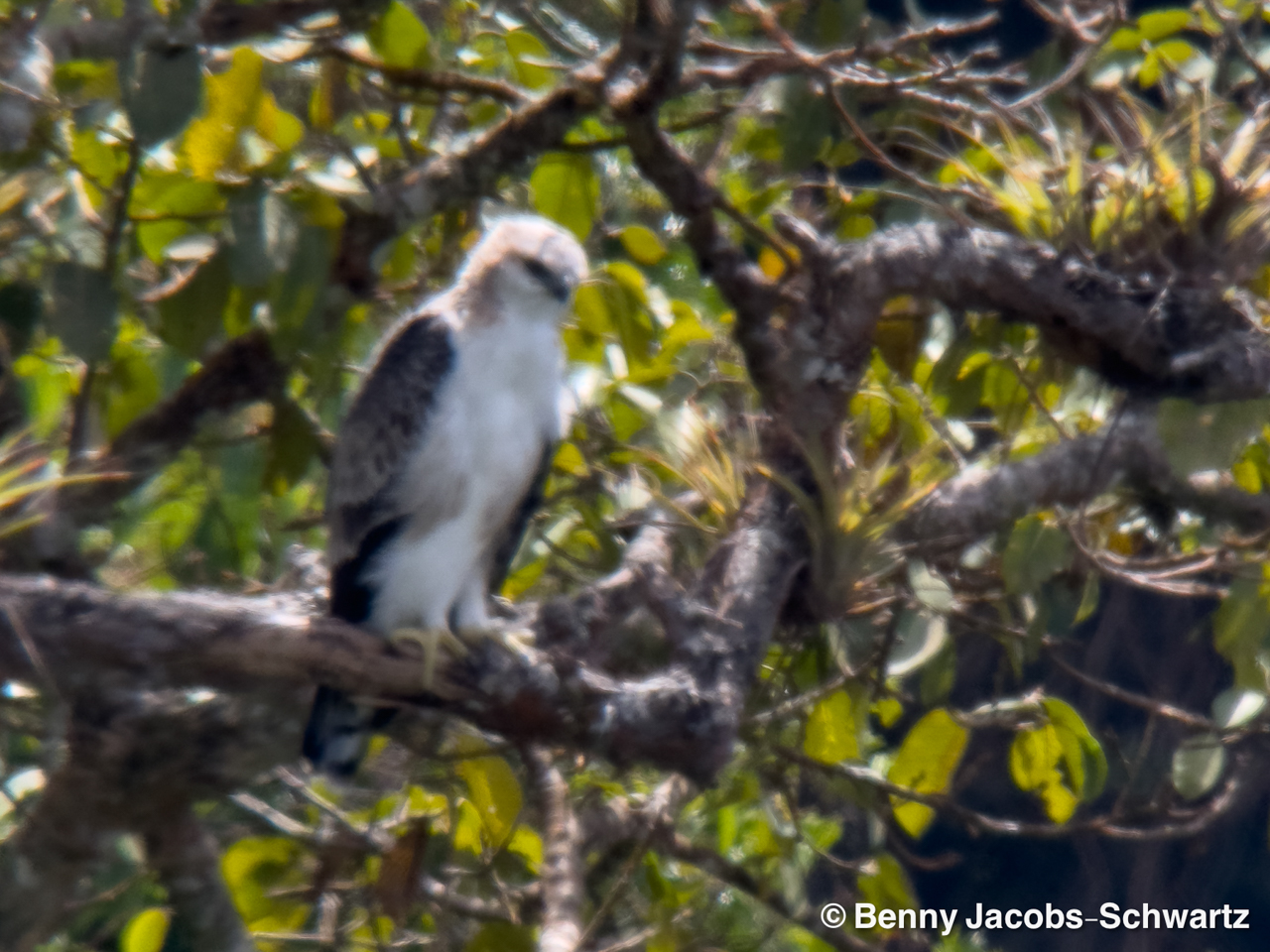
The mid-elevation forests, explored on March 31, yielded further insights into the region’s ecological health. At a specialized feeder site, the group observed the Black-fronted Wood-Quail and the Santa Marta Antbird. A particularly unusual sighting was the Rufous-necked Wood-Rail; while typically associated with lowland mangroves, this individual was found at a significantly higher elevation, suggesting either a high degree of adaptability or a seasonal shift in habitat use. The expedition also monitored a known nest site of the Black-and-Chestnut Eagle, an endangered raptor. While the adults remained elusive, the presence of a juvenile indicated successful breeding in the area, a positive sign for a species that requires large tracts of undisturbed forest to survive.
Transitional Zones and the Diversity of the Santa Marta Region
On April 1, the expedition focused on the "transitional zones"—areas where dry forest meets premontane forest. These ecotones are often the most biodiverse areas within a landscape because they host species from both surrounding habitats. In a single afternoon, the team recorded 48 species, including the Long-billed Hermit, Hook-billed Kite, and a dark morph of the Short-tailed Hawk. The day concluded with a flyover of Military Macaws (Ara militaris) at sunset. These large parrots are currently listed as vulnerable, and their presence in the Santa Marta region is a key indicator of forest connectivity, as they require large foraging ranges and specific nesting cavities in old-growth trees or cliff faces.
The following morning, April 2, provided closer views of the Military Macaws near the expedition’s lodge before the group began its descent toward the arid lowlands of La Guajira. Before leaving the mountain foothills, a final stop near Minca allowed for the observation of the Plain-brown Woodcreeper and the White-vented Plumeleteer, further filling out the species list for the mid-to-low elevation forest transition.
Exploration of the Arid Scrub and Wetlands of La Guajira
The final leg of the tour took place in the department of La Guajira, specifically within the Los Flamencos Sanctuary. This region is characterized by xeric (dry) scrub and hypersaline lagoons, offering a suite of species entirely different from those found in the humid mountains. Upon arrival, the group documented the Vermilion Cardinal and the Orinocan Saltator, both of which are highly sought-after regional specialties.
The aquatic biodiversity of the La Guajira lagoons was explored by boat. The expedition recorded a variety of shorebirds, including the Hudsonian Whimbrel and the Semipalmated Plover, alongside more striking waders. The American Flamingo population in the sanctuary is a major draw for ecotourism, but the expedition also highlighted the presence of the Scarlet Ibis and the Roseate Spoonbill. A rare and elusive sighting of the Mangrove Rail was also noted, adding to the day’s successes. The day concluded with the observation of Green-rumped Parrotlets at their roosting site, demonstrating the high density of avian life even in seemingly harsh, arid environments.
Scientific and Economic Implications of Avitourism in Colombia
The expedition concluded on April 3 with a final morning of birding in the dry forests near Riohacha. The team added the Rufous-vented Chachalaca and the Tocuyo Sparrow to their list, bringing the total number of endemic species observed to twenty. The group then flew to Bogotá for a closing dinner, marking the end of a highly successful survey.
The data gathered during these eight days serves a dual purpose. First, it provides a "snapshot" of species presence and health in Northern Colombia. The sighting of 20 endemics, including the critically endangered Sapphire-bellied Hummingbird, confirms that these areas remain viable habitats. However, the concentration of these species in such small, specific geographic areas highlights their vulnerability to climate change and land-use shifts.
Second, the success of such expeditions underscores the growing importance of "avitourism" (birdwatching tourism) to the Colombian economy. Following the 2016 peace agreement, many previously inaccessible areas have opened to international visitors. Ecotourism provides an economic incentive for local communities to preserve forests rather than clearing them for agriculture or cattle ranching. In regions like Santa Marta and La Guajira, the presence of rare birds is directly linked to the economic livelihood of lodge owners, local guides, and park rangers.
Summary of Observed Endemic Species
The following 20 species, all endemic to the region, were confirmed during the expedition:

- Chestnut-winged Chachalaca
- Santa Marta Woodstar
- Santa Marta Blossomcrown
- Sapphire-bellied Hummingbird
- Santa Marta Screech-Owl
- Turquoise-winged Parrotlet
- Santa Marta Antbird
- Sierra Nevada Antpitta
- White-tailed Starfrontlet
- Santa Marta Tapaculo
- Brown-rumped Tapaculo
- Santa Marta Foliage-Gleaner
- Santa Marta Brush-Tyrant
- Hermit Wood-Wren
- Sierra Nevada Brushfinch
- Santa Marta Brushfinch
- White-lored Warbler
- Yellow-crowned Redstart
- Black-cheeked Mountain Tanager
- Carriker’s Mountain Tanager
Conclusion
The Northern Colombia expedition demonstrates the extraordinary density of life found within the Santa Marta and La Guajira regions. By documenting both rare endemics and more common migratory species, the expedition contributes to the broader understanding of Colombia’s role as a global leader in avian diversity. As the country continues to develop its ecotourism infrastructure, the preservation of these unique habitats—from the high-altitude cloud forests of San Lorenzo to the coastal mangroves of Isla de Salamanca—remains a priority for both local conservationists and the international scientific community. The findings of this tour reinforce the necessity of targeted conservation strategies to ensure that flagship species like the Sapphire-bellied Hummingbird and the Santa Marta Blossomcrown do not slide further toward extinction.
