
A comprehensive 16-day ornithological expedition across the diverse landscapes of Ecuador has concluded with the documentation of 556 avian species, a figure that represents nearly one-third of the country’s total bird population. Spanning from March 30 to April 15, 2026, the expedition traversed a rigorous altitudinal transect, moving from the inter-Andean valleys to the high-altitude páramo, across the Chocó cloud forests, and finally deep into the Amazonian basin. Led by seasoned naturalists and supported by a team of local community guides, the journey highlighted not only the immense biological wealth of the region but also the growing success of community-based conservation models in protecting one of the world’s most critical biodiversity hotspots.
Ecuador, despite its relatively small geographic footprint, remains one of the most "megadiverse" nations on Earth, harboring over 1,600 bird species. The success of this recent survey, which recorded an average of nearly 35 species per day, underscores the ecological integrity of the corridors managed by private reserves and indigenous communities. The data gathered during the 16-day period provides a snapshot of current avian health and distribution across several distinct bioregions.
The Western Transect: Chocó Endemism and Conservation Innovation
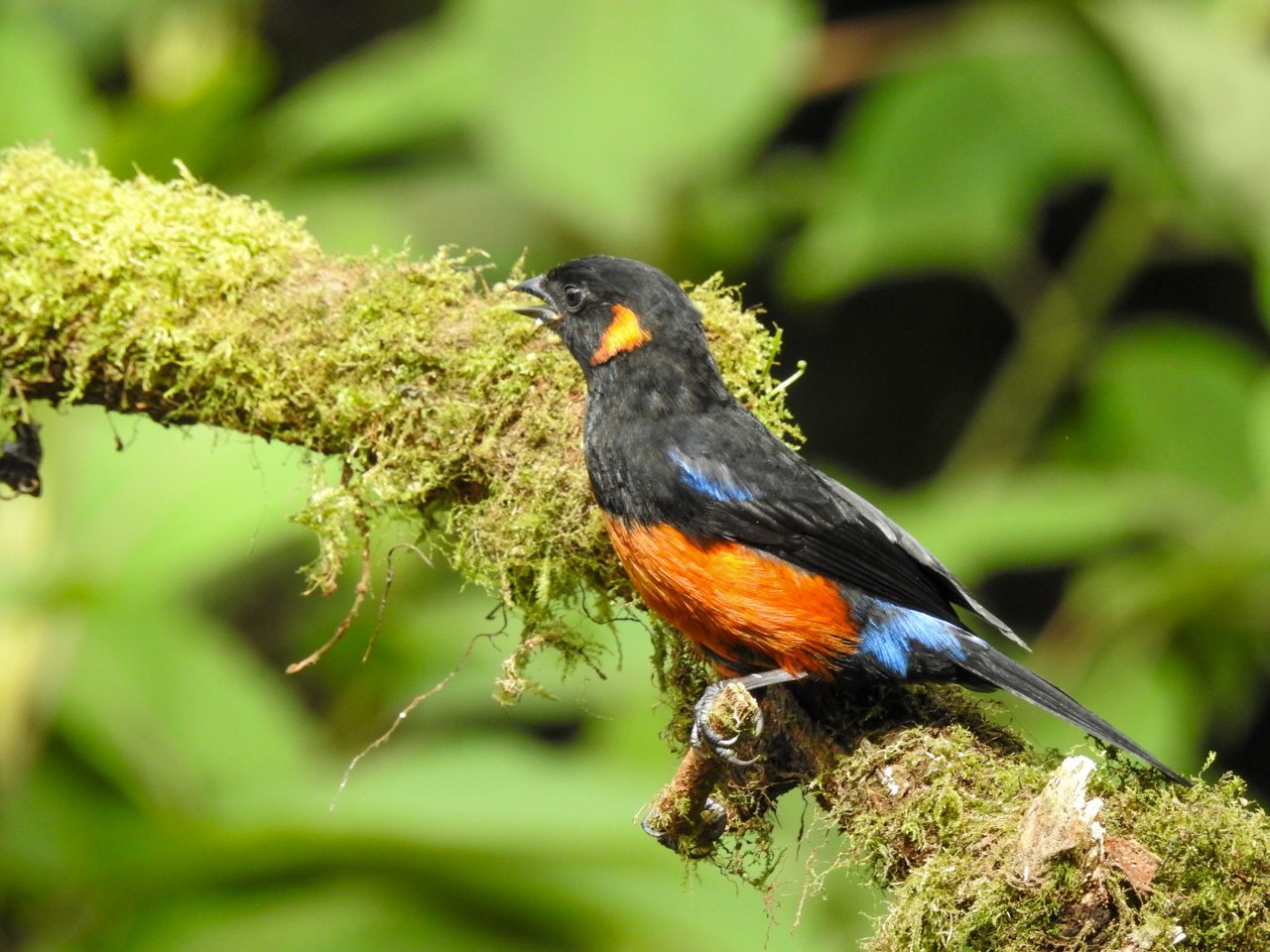
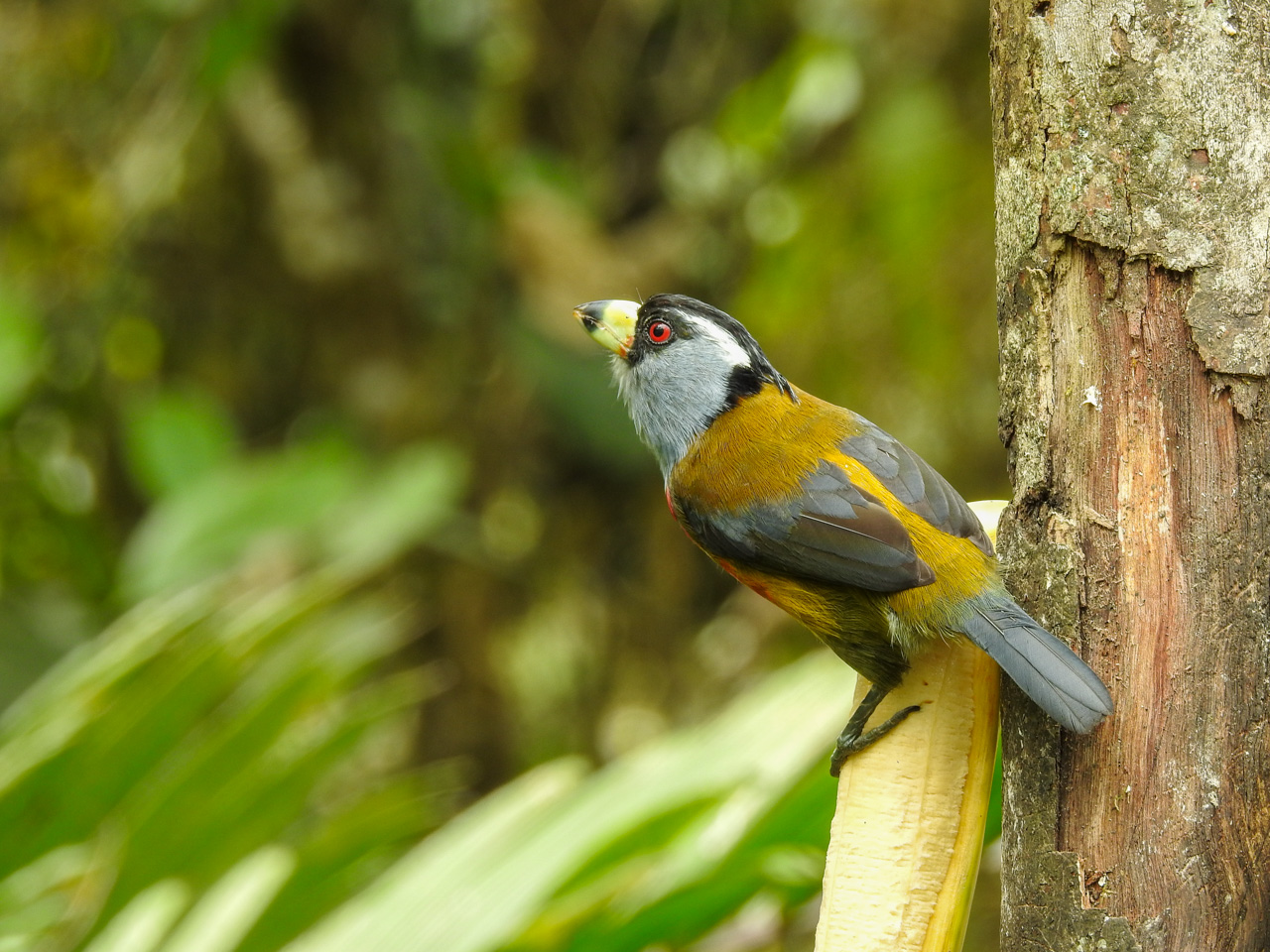
The expedition commenced in the dry inter-Andean valley of Puembo before moving westward into the Chocó bioregion, an area recognized globally for its high levels of endemism and significant environmental threat. The initial phase of the journey focused on the Reserva Zuro Loma and the Mindo corridor. Observations at high-elevation fruit and nectar stations yielded sightings of the Sword-billed Hummingbird (Ensifera ensifera), a species characterized by a bill longer than its body, and the Scarlet-bellied Mountain Tanager.
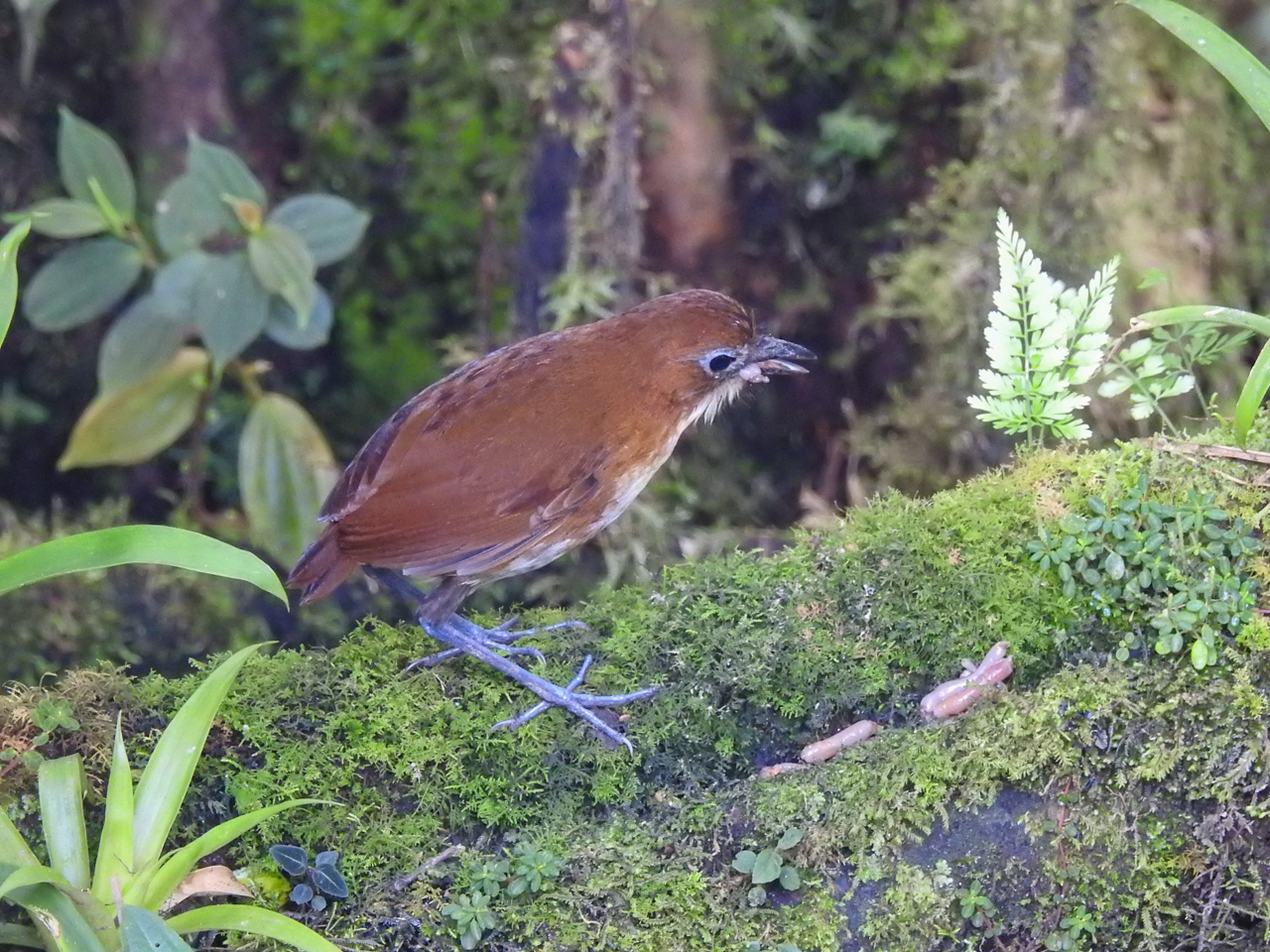
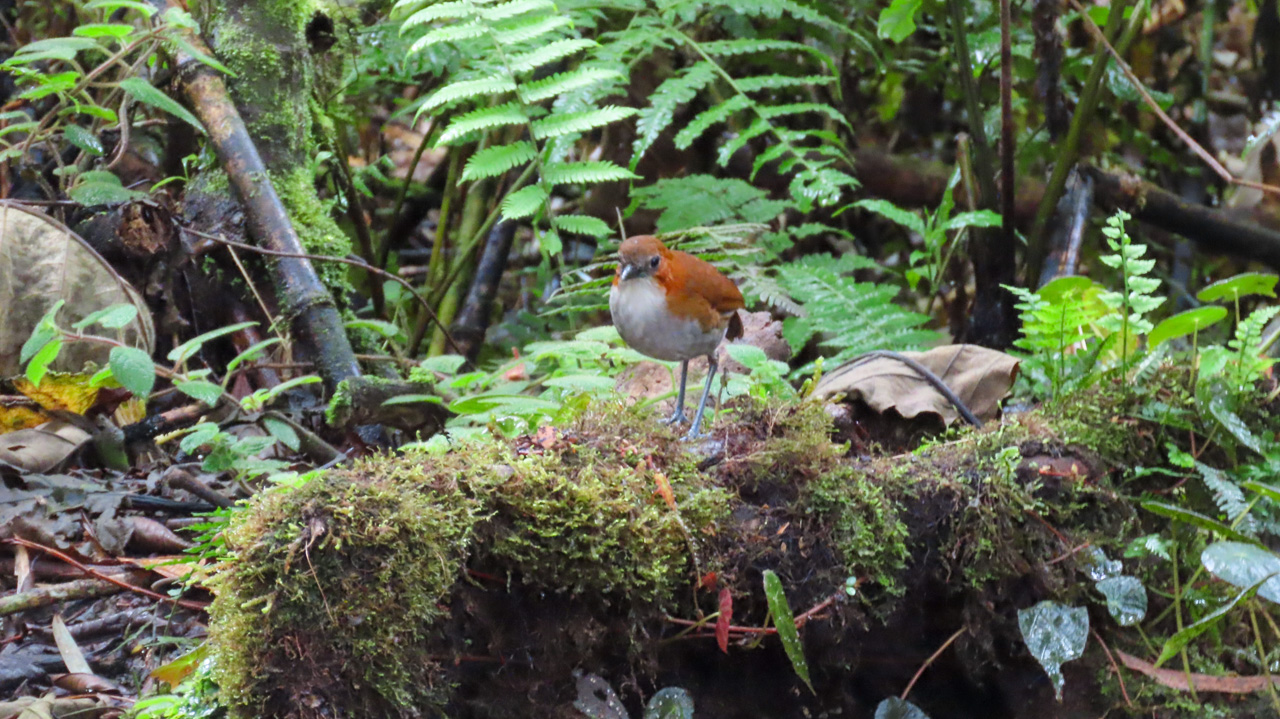
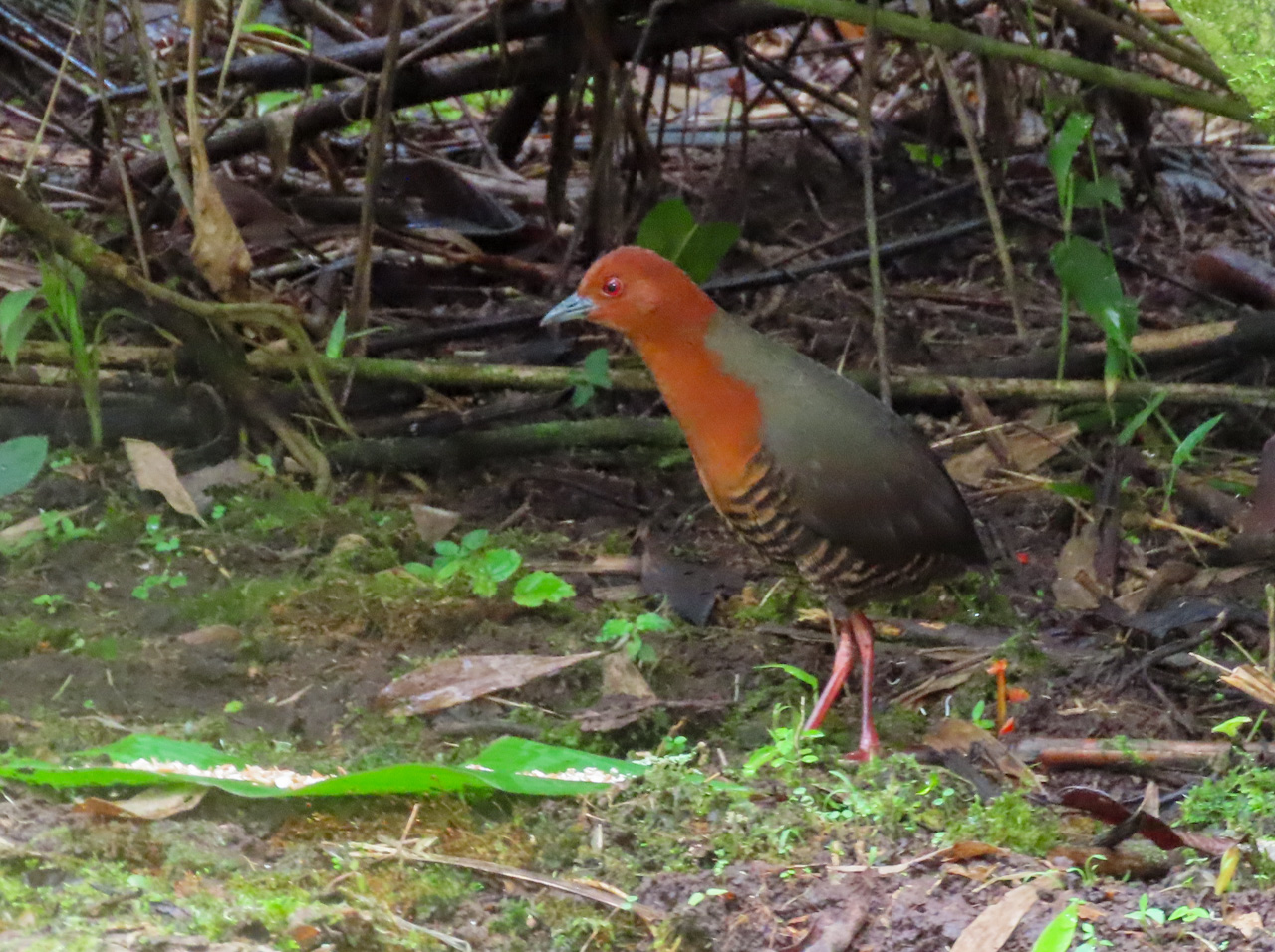
A focal point of the western leg was the Refugio Paz de las Aves. This site is of particular interest to conservationists due to the pioneering work of Angel Paz, often referred to as the "Antpitta whisperer." Paz’s method of habituating elusive, ground-dwelling antpittas to human presence through sustainable feeding practices has revolutionized avian tourism in the Neotropics. The expedition successfully documented the Yellow-breasted Antpitta, a species that is typically notoriously difficult to observe in the wild.
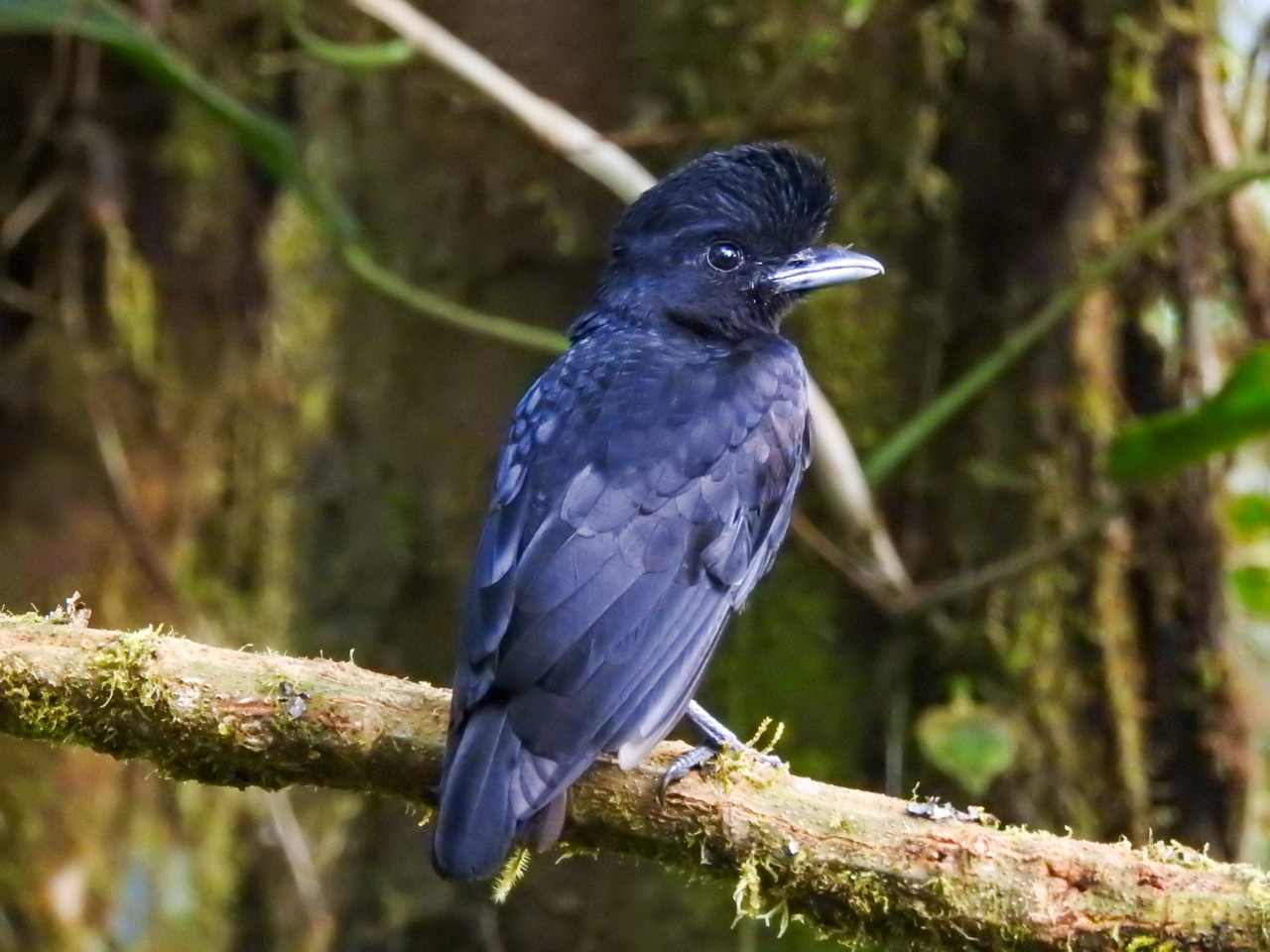
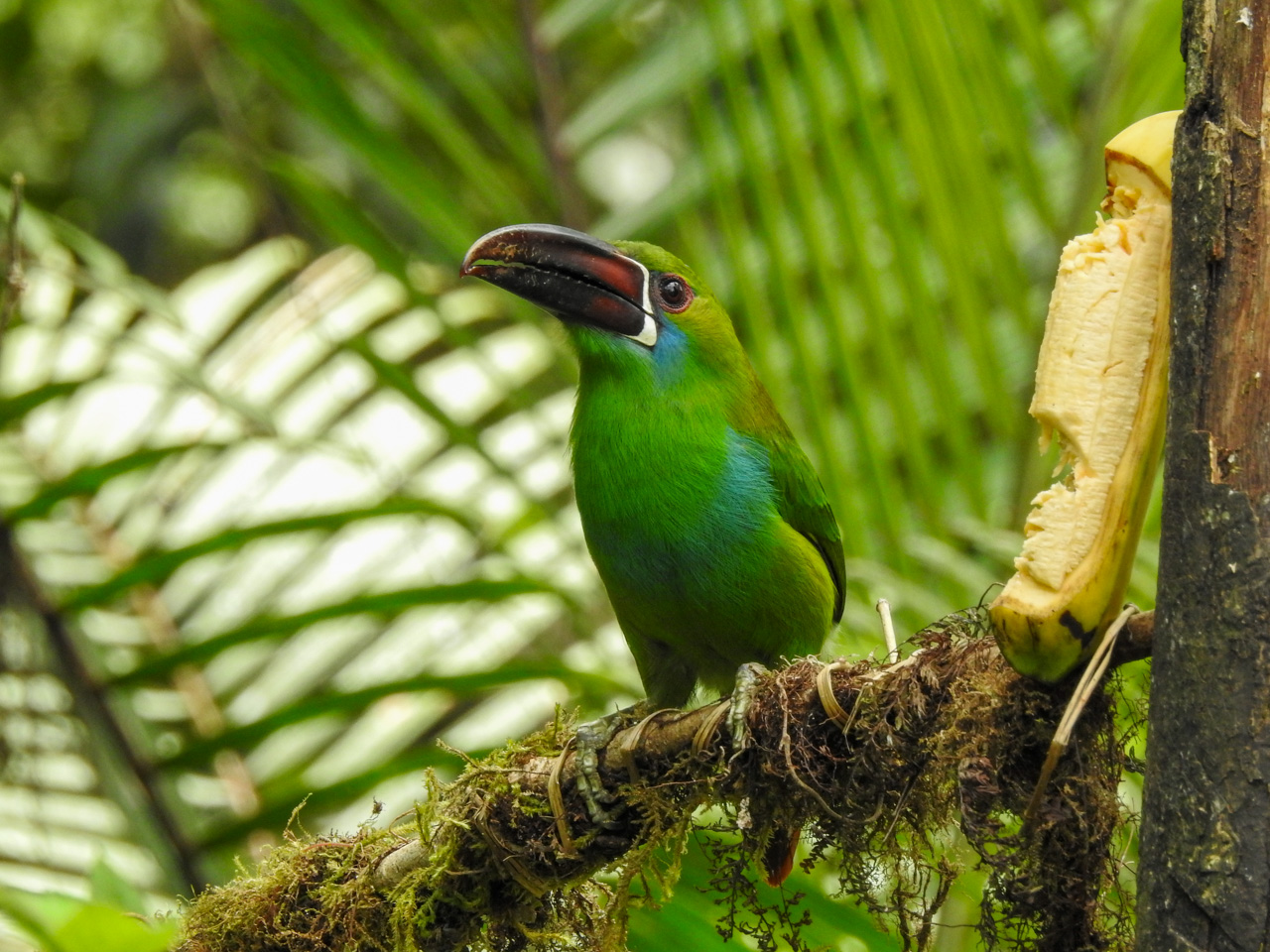
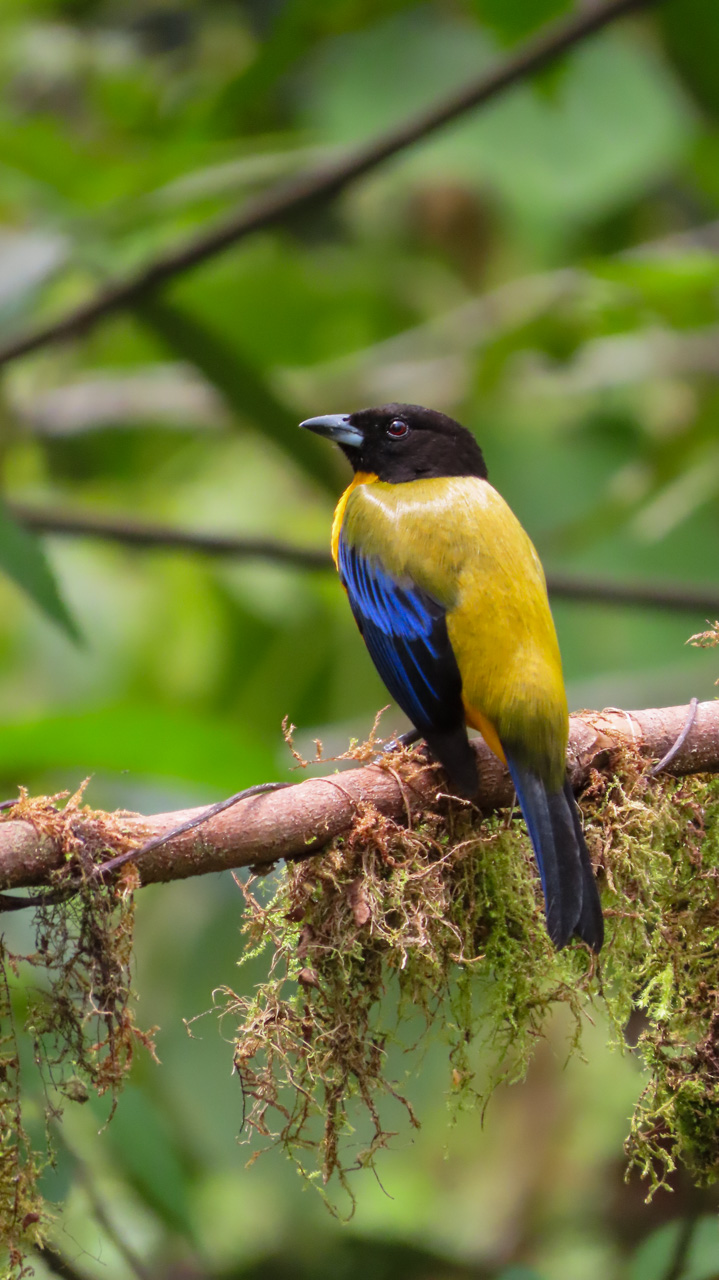
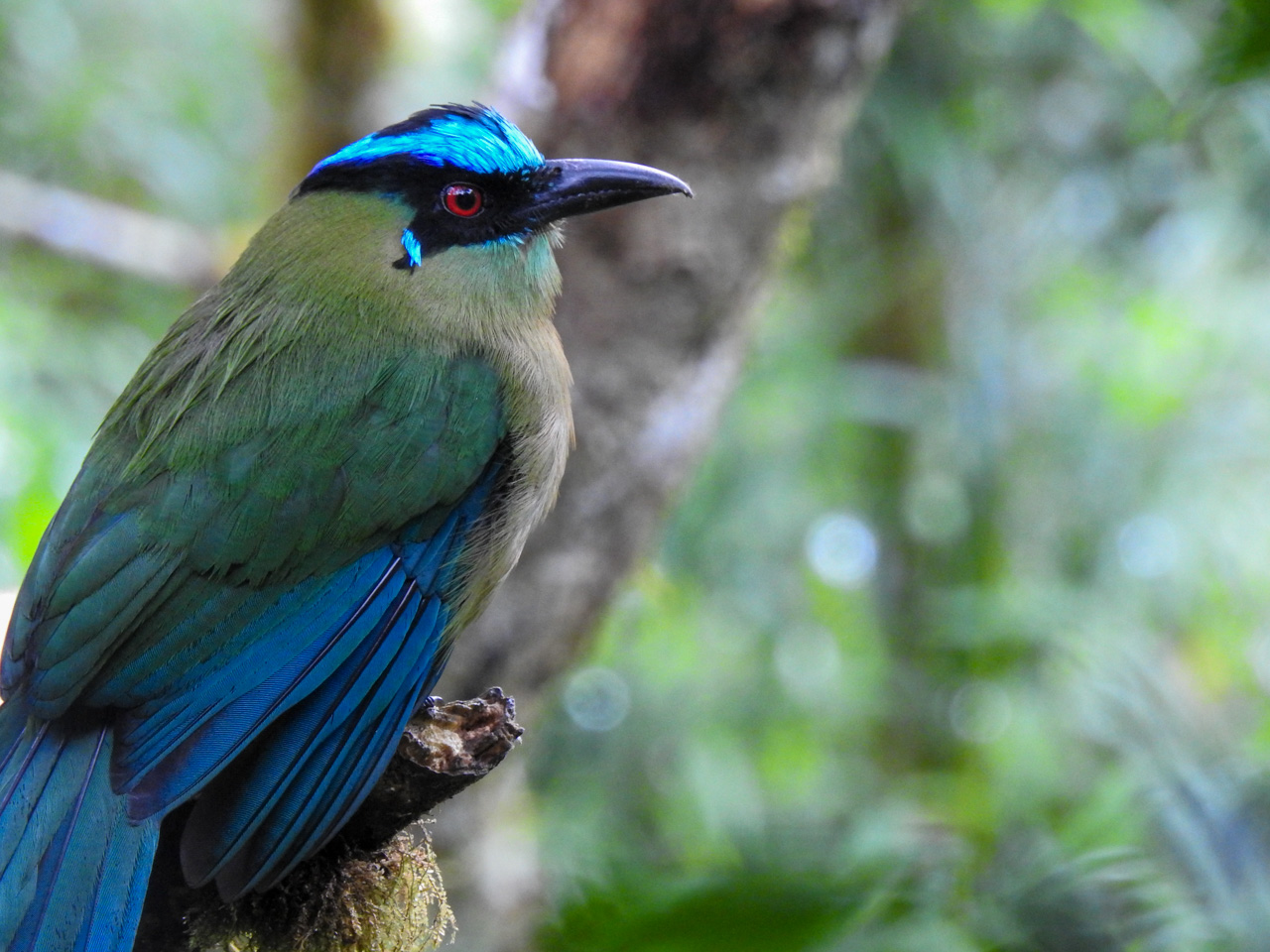
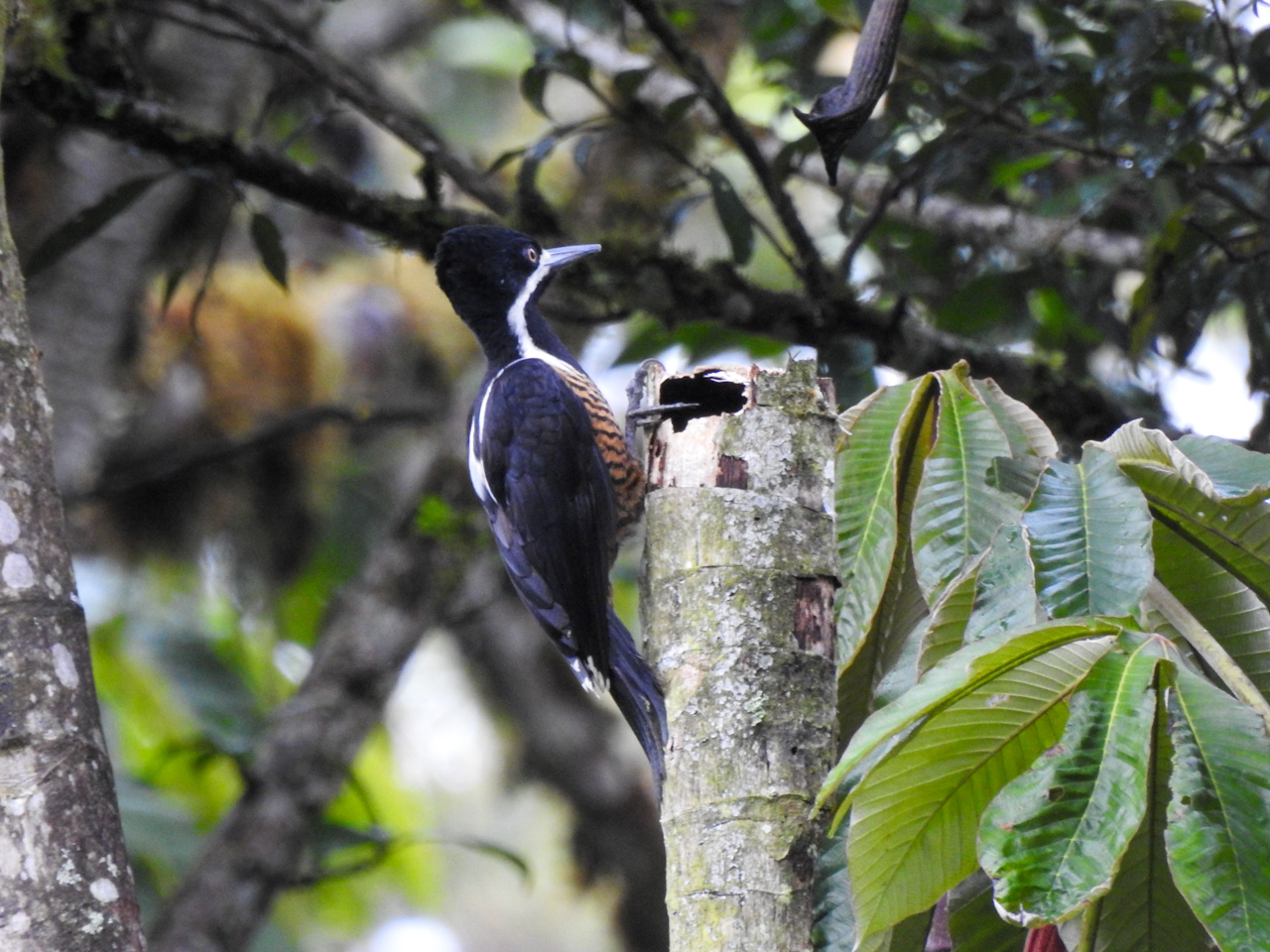
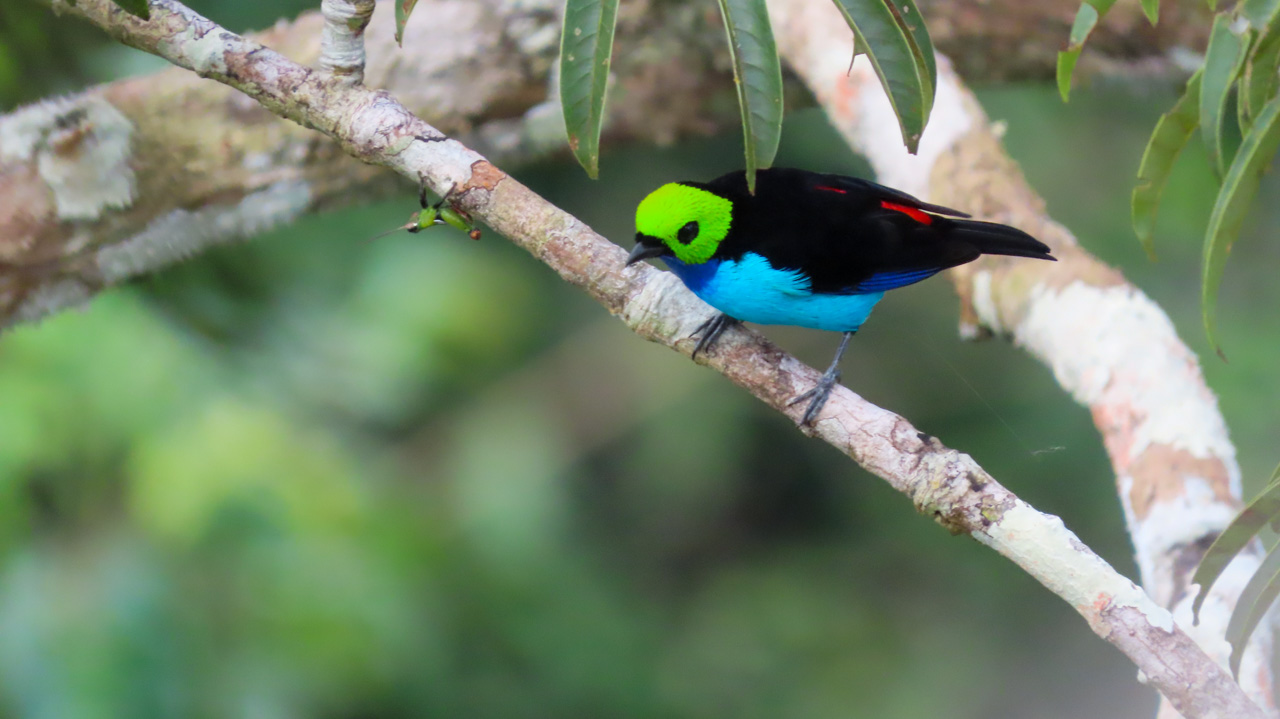
The Chocó cloud forest also provided a rare nesting observation of the Long-wattled Umbrellabird (Cephalopterus penduliger). Listed as Vulnerable by the IUCN, this species is highly dependent on primary forest. The sighting of a female feeding an immature bird suggests successful breeding within the Sachatamia Lodge environs, a positive indicator for the local population. Other notable sightings in this region included the Plate-billed Mountain-Toucan and the Glistening-green Tanager, both of which are restricted to the humid forests of the Chocó.
Crossing the Continental Divide: High-Altitude Ecology and Megafauna
As the expedition moved from the western slopes toward the eastern Andes, the environmental conditions shifted dramatically. The transect crossed the high-altitude páramo of Papallacta, reaching elevations exceeding 4,300 meters. This alpine tundra ecosystem is home to specialized species adapted to low oxygen and extreme cold.
The survey at these heights recorded the Rufous-bellied Seedsnipe and the Blue-mantled Thornbill. Most notably, the team documented a pair of Andean Condors (Vultur gryphus) drifting over the ridgeline. With the wild population of condors in Ecuador estimated at fewer than 150 individuals, such sightings are of critical importance for monitoring the species’ continued presence in the northern Andes.
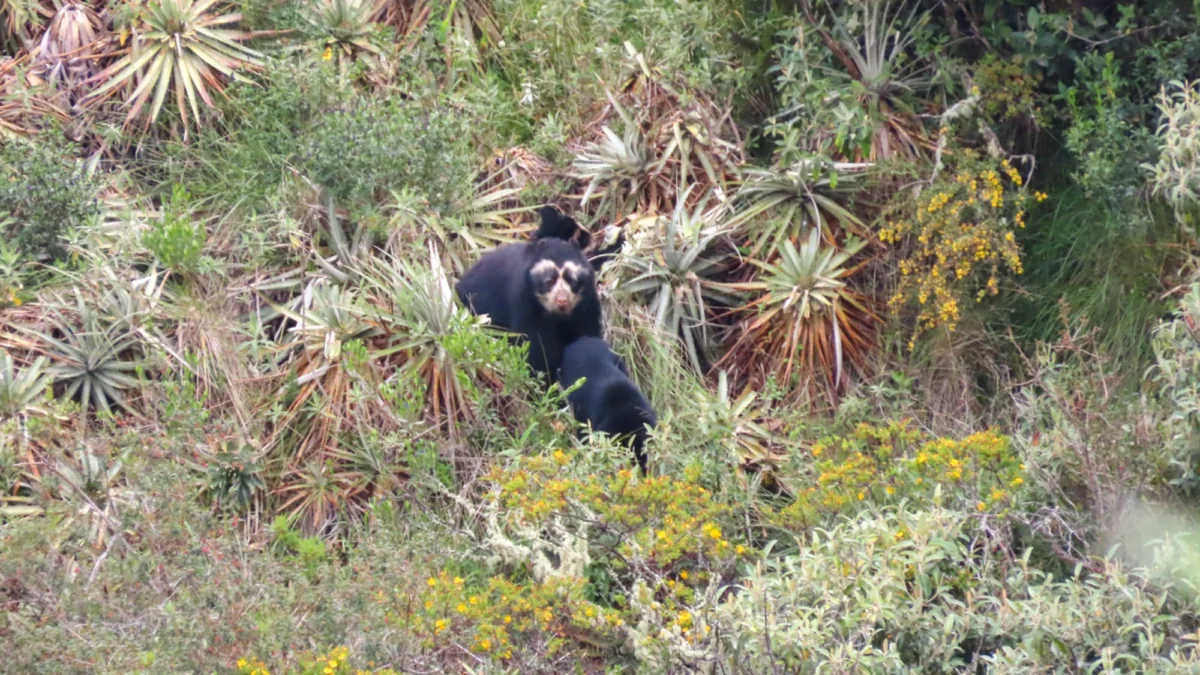
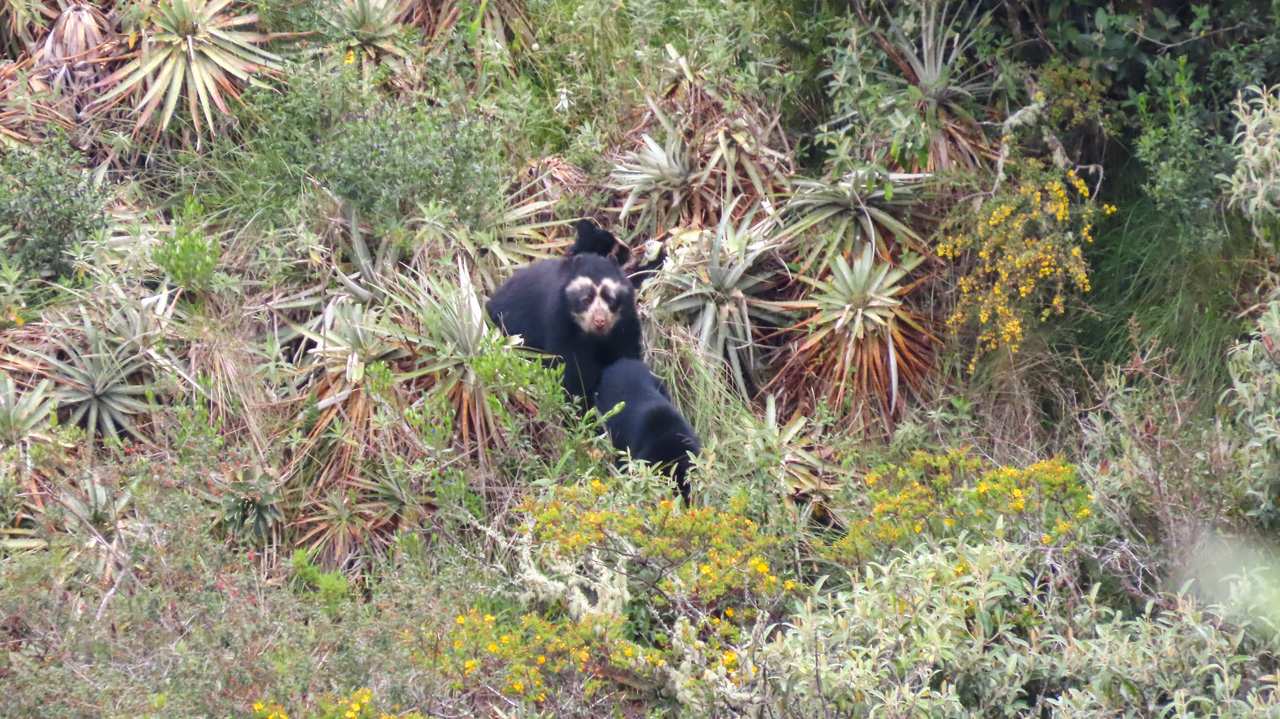
In a significant mammalian encounter, the expedition recorded a female Andean Bear (Tremarctos ornatus) with two cubs feeding on Puya plants. The Andean Bear is the only bear species native to South America and is currently classified as Vulnerable. The presence of a reproductive female with healthy cubs in an open, accessible slope indicates a potentially stable habitat within the Cayambe-Coca Ecological Reserve buffer zone.
The Eastern Slopes: Temperate Forests and Taxonomic Mysteries
The transition to the eastern temperate forests was marked by a stay at Guango Lodge, situated at 2,700 meters. The eastern slopes of the Andes are known for a different suite of species compared to their western counterparts. The expedition focused on the rushing river systems, where they documented the Torrent Duck and the Fasciated Tiger-Heron, both specialists of fast-moving whitewater.
Further descent led the team to Cabañas San Isidro, a site famous among the scientific community for the "San Isidro Owl." This bird, which resembles a Black-banded Owl but possesses distinct vocalizations and plumage characteristics, remains a subject of taxonomic debate, with many experts believing it may be a species new to science. The expedition secured prolonged, close-range views of a hunting pair, contributing to the ongoing body of amateur and professional observations that help define the bird’s range and behavior.
The eastern cloud forest survey also produced a sighting of the Black-and-chestnut Eagle (Spizaetus isidori). This raptor is one of the most endangered eagles in the Americas, primarily due to habitat loss and persecution by poultry farmers. Documentation of this bird in the San Isidro area reinforces the importance of maintaining large, contiguous tracts of forest on the eastern Andean slope.
The Amazonian Foothills and the Napo Basin
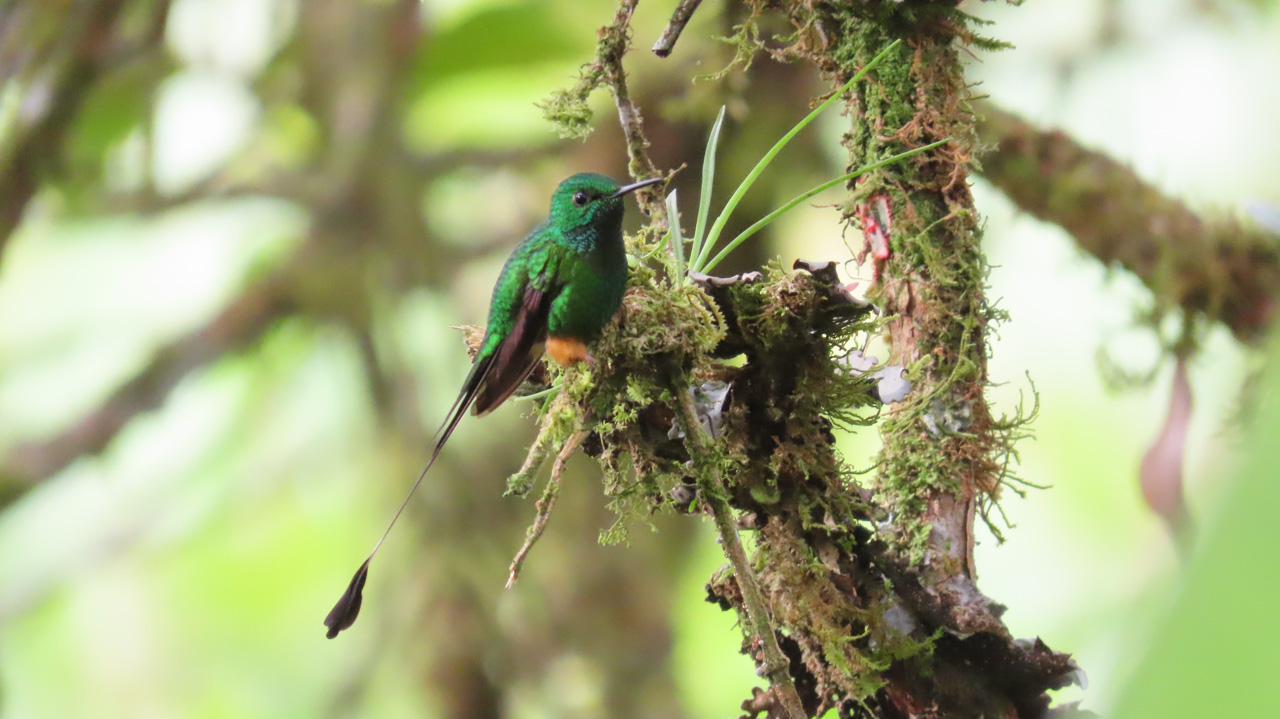
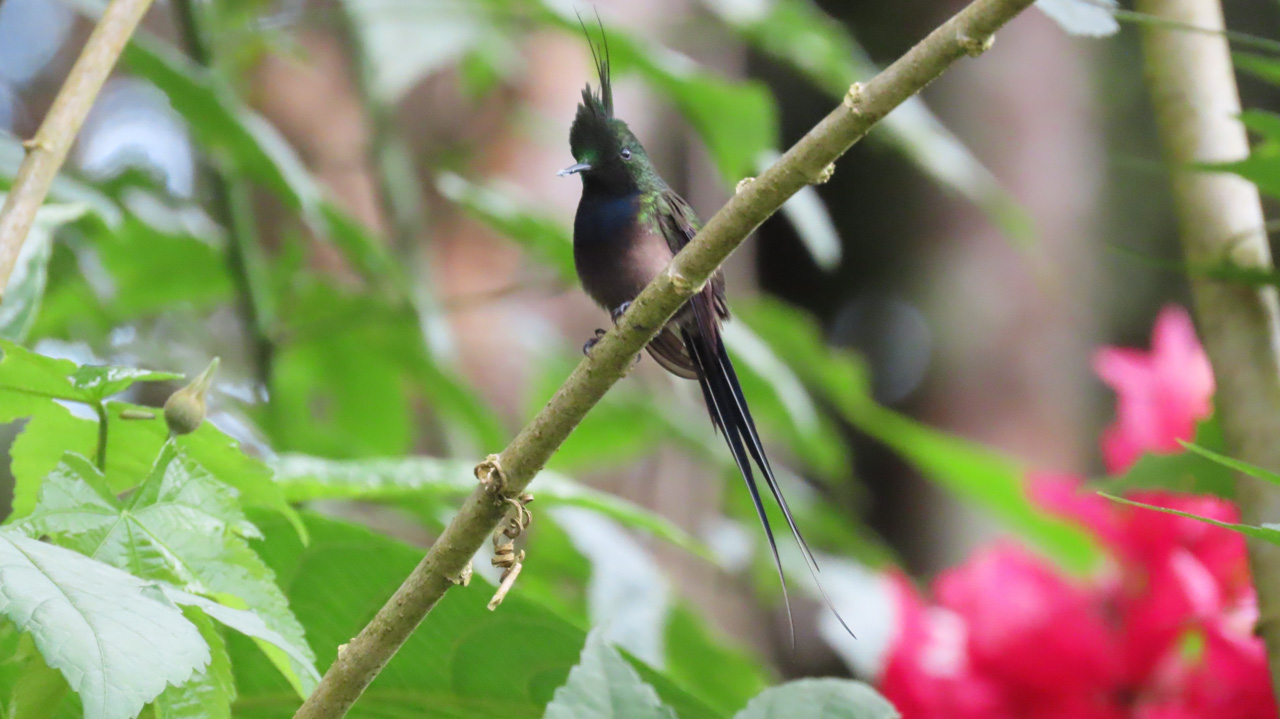
The final stages of the expedition moved into the foothill forests of Sumaco and the deep Amazonian basin at Sani Lodge. The WildSumaco region serves as a biological bridge between the high Andes and the Amazon lowlands. Here, the team recorded 11 Cliff Flycatchers and several foothill specialties, including the Wire-crested Thorntail and the Military Macaw.
A significant portion of the Amazonian leg was dedicated to the Sani Isla Kichwa community. Sani Lodge is a landmark in sustainable tourism, as it is entirely owned and operated by the Kichwa people. By choosing tourism over the lucrative offers from oil and logging companies, the community protects 40,000 hectares of pristine rainforest.
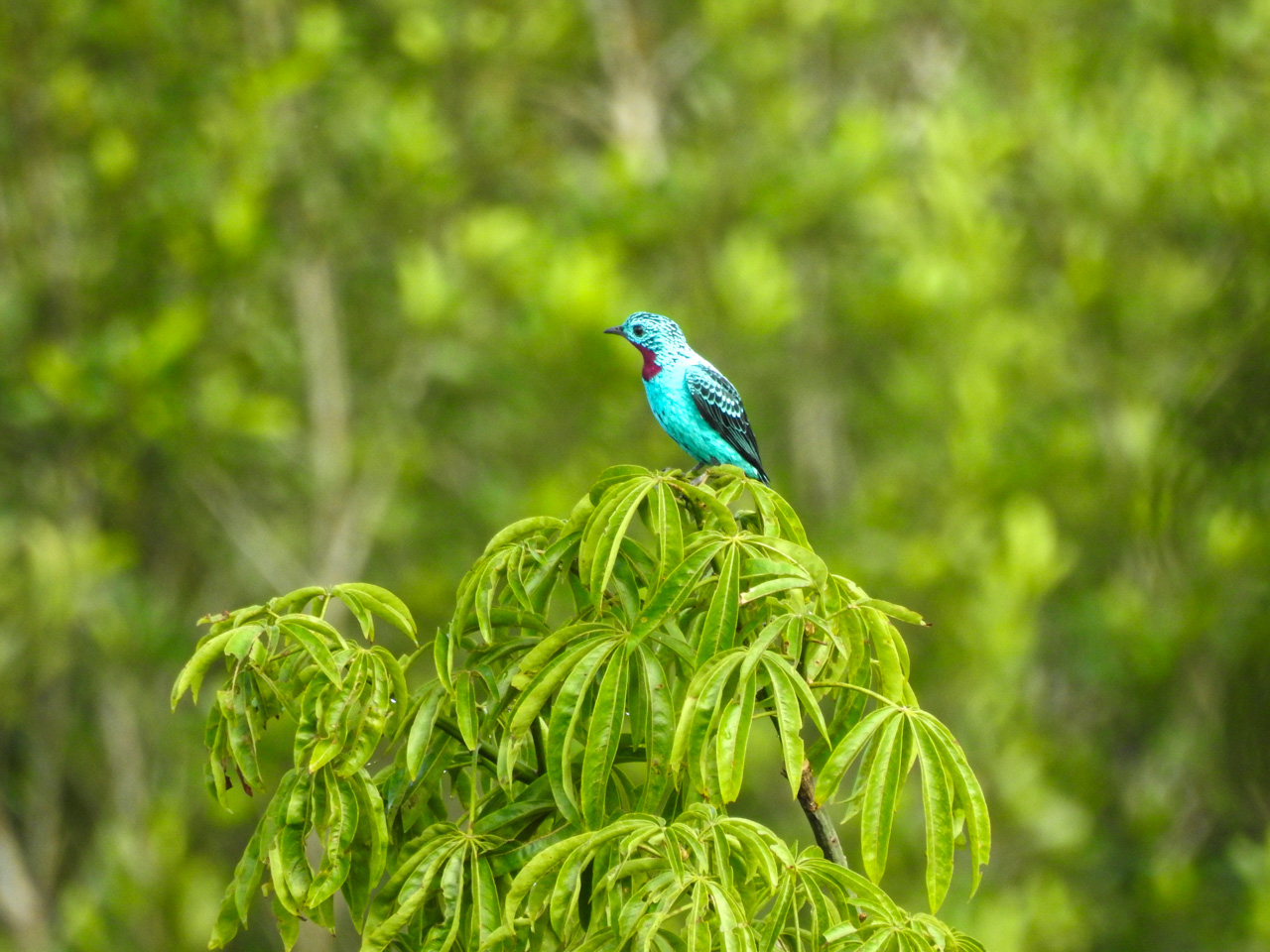
Working with Kichwa naturalists, the expedition documented the complex "lake-edge" ecology of the black-water lagoons. Highlights included the prehistoric-looking Hoatzin, the Sungrebe, and the Cocha Antshrike—a specialist of oxbow lake margins. Observations from a 30-meter canopy tower built into a Ceiba tree allowed for the documentation of canopy-dwelling species such as the Spangled Cotinga and various toucan species, which are rarely seen from the forest floor.
The survey of the Napo River also included a visit to the parrot clay licks within the Yasuní National Park vicinity. Hundreds of parrots, including Mealy Amazons and Cobalt-winged Parakeets, were observed consuming mineral-rich clay to neutralize toxins found in their diet of seeds and unripened fruit. This "geophagy" is one of the most spectacular displays of avian behavior in the Amazon.
Socio-Economic Impact and Conservation Implications
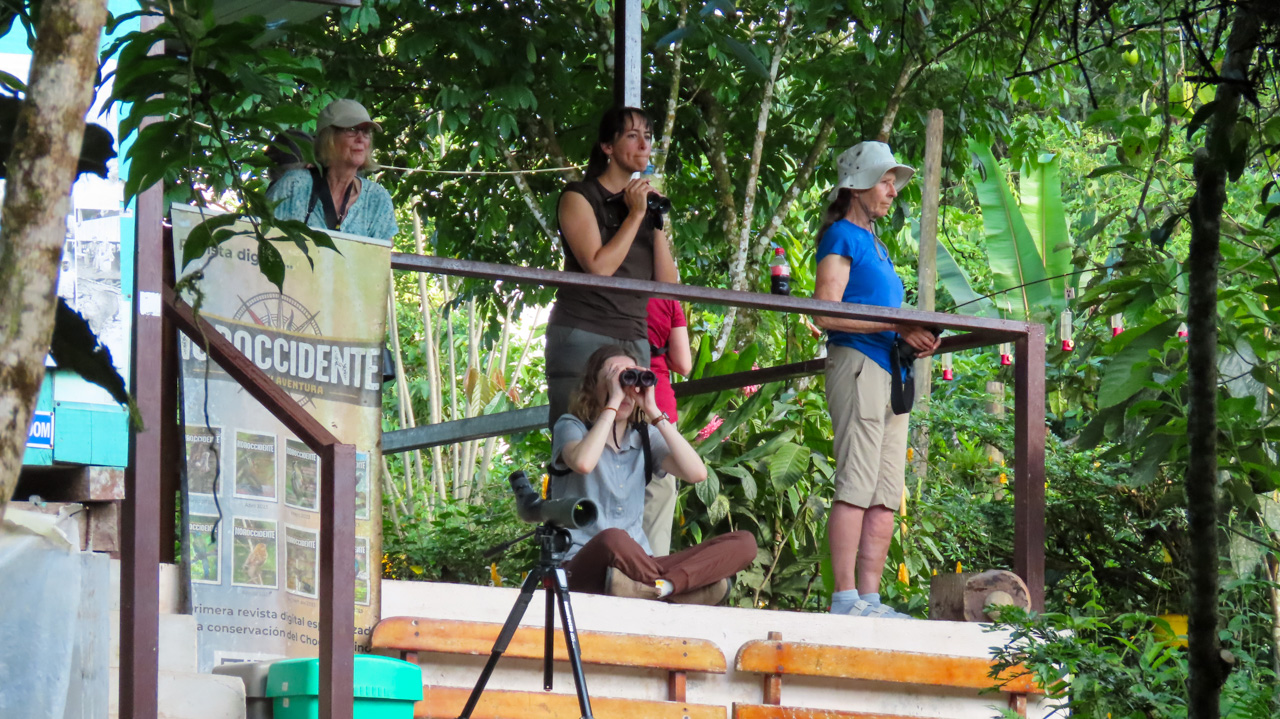
The documentation of 556 species over 16 days serves as a powerful argument for the economic viability of conservation-based tourism in Ecuador. The expedition relied on seven different lodges and dozens of local staff members, highlighting how "birding dollars" directly support rural economies and indigenous communities.
"The success of a trip like this is measured not just in the species count, but in the support it provides to the people guarding these forests," noted the expedition leaders in their final report. The involvement of community guides—such as those at Sani Lodge and the Amarún Pakcha project—ensures that local populations see tangible benefits from keeping the forest standing rather than clearing it for agriculture or resource extraction.
Furthermore, the expedition’s findings regarding rare and threatened species—such as the Black-and-chestnut Eagle, the Andean Condor, and the Long-wattled Umbrellabird—provide essential data for conservation organizations. These sightings confirm that despite the pressures of climate change and habitat fragmentation, these flagship species continue to persist in Ecuador’s protected corridors.
Summary of Findings and Conclusion
The "Grand Ecuador" expedition of 2026 concluded with a final checklist at the Puembo Birding Garden, where the team tallied a diverse array of families, including 68 species of hummingbirds and over 80 species of tanagers and their allies. The return to Quito was punctuated by a final sighting of a male Andean Condor at eye level at Tambo Cóndor, a fitting end to a survey of the country’s avian giants.
The data from this 16-day transect will be uploaded to global databases like eBird, where it will assist scientists in tracking migration patterns and population densities. As Ecuador continues to navigate the balance between economic development and environmental stewardship, the results of this expedition reinforce the notion that the country’s avian diversity remains its most valuable and sustainable asset. The 556 species recorded are a testament to the resilience of the Neotropical wilderness and the efficacy of the individuals and communities dedicated to its preservation.
