
The global resurgence in backyard poultry husbandry has transitioned from a niche hobby into a significant movement centered on food security, sustainability, and domestic agricultural education. Central to the success of these decentralized agricultural efforts is the fundamental understanding of avian embryology, specifically the varied incubation periods required for different species of birds and waterfowl. As more households move toward self-sufficiency, the technical nuances of hatching—ranging from the 18-day cycle of the quail to the nearly two-month commitment required for emu eggs—have become essential knowledge for the modern small-scale farmer.
The Biological Mechanism of Avian Incubation
Incubation is the process by which certain oviparous (egg-laying) animals hatch their eggs; it also refers to the development of the embryo within the egg. The duration of this period is biologically predetermined by the species’ metabolic rate, the size of the egg, and the environmental conditions required for the embryo to reach full maturity. In a natural setting, this process is facilitated by a "broody" female who utilizes her body heat to maintain a consistent temperature. In modern domestic settings, this is frequently replicated through artificial incubators that provide precise thermostatic control and humidity regulation.

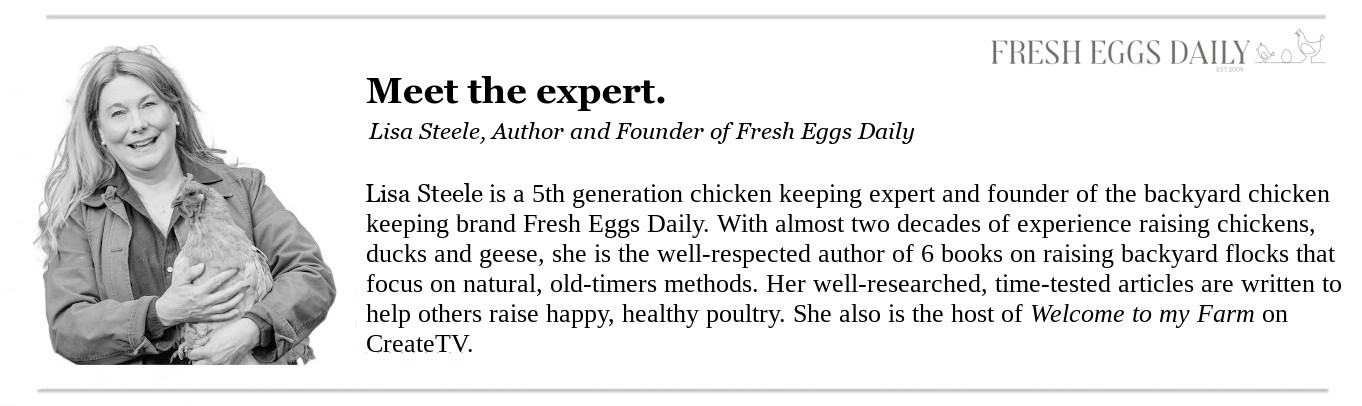
According to agricultural experts and long-time poultry specialists like Lisa Steele, a fifth-generation chicken keeper and author, the success of a hatch is predicated on the synchronization of the clutch. Whether using a broody hen or a mechanical incubator, the timing of "setting" the eggs—placing them under heat to begin the development process—is the most critical step in ensuring a healthy, simultaneous hatch.
Comparative Incubation Timelines by Species
The incubation period varies significantly across the avian spectrum. Understanding these timelines is not merely a matter of curiosity but a logistical necessity for managing farm resources and preparing brooding facilities for the arrival of neonates.
Gallus gallus domesticus: The 21-Day Standard
The domestic chicken remains the most common species for home propagation. The standard incubation period for chicken eggs is 21 days. This three-week cycle is remarkably consistent, though minor fluctuations may occur based on ambient temperature and the age of the eggs prior to setting. For bantam breeds, which are smaller, the clutch size typically ranges from six to eight eggs, whereas standard-sized hens can successfully manage up to a dozen.

Waterfowl: The Extended Cycle
Waterfowl, including ducks and geese, require a significantly longer duration to reach maturity within the shell. Most domestic duck breeds, such as Pekins or Rouens, require 28 days. However, the Muscovy duck is a notable outlier, requiring approximately 35 days for incubation.
Geese present a more variable timeline. While lighter breeds may see goslings emerge at the 28-day mark, heavier breeds—such as the Toulouse or Emden—frequently require up to 35 days. This extended period is often accompanied by a requirement for higher humidity levels, reflecting the natural nesting environments of these birds near water bodies.
Game Birds and Ratites: The Extremes
On the shorter end of the developmental spectrum, quail eggs are known for their rapid maturation, typically hatching in just 18 days. This makes them a popular choice for those seeking a fast return on their agricultural investment. Conversely, the ratite family represents the longest commitment in the poultry world. Turkey eggs follow a 28-day cycle, similar to ducks, while ostrich eggs require 42 to 46 days. The emu, native to Australia, demands a staggering 56 days of consistent incubation before the chicks emerge.

Technical Management: The Broody Hen vs. Artificial Incubation
A primary decision for any poultry manager is the method of incubation. Each approach carries distinct physiological and logistical implications.
The Natural Method: Broody Management
A broody hen is a female bird whose hormonal shifts have triggered a drive to sit on a nest. This method is often preferred by those seeking a "hands-off" approach to flock expansion. A hen will instinctively collect eggs into a clutch, only beginning the full-time incubation process once she has accumulated a sufficient number—usually around 12 eggs for a standard chicken. This ensures that the embryos begin developing at the same time, leading to a synchronized hatch within a 24-hour window.
However, experts caution against "cross-species" brooding. While a chicken will readily sit on duck eggs, the behavioral divergence upon hatching can lead to maternal distress. Ducks are instinctively drawn to water, a behavior that can cause a mother hen to panic, as she perceives the water as a threat to her offspring. Furthermore, the different humidity needs of waterfowl eggs may not be perfectly met by the skin-to-shell contact of a terrestrial bird.

The Artificial Method: Mechanical Incubators
For those seeking to maximize yield or hatch species for which they do not have a broody female, mechanical incubators are the standard. These devices allow for the simultaneous hatching of large numbers of eggs. However, industry best practices dictate that species should not be mixed within a single incubator. Because a chicken egg requires 21 days and a duck egg requires 28, the "lockdown" period—the final three days when humidity is increased and egg turning ceases—cannot be synchronized. Attempting to hatch multiple species in one unit often results in lower hatch rates and potential developmental deformities due to improper environmental settings.
Chronology of Embryonic Development
To understand the complexity of the incubation period, one must look at the developmental milestones that occur within the shell. Using the 21-day chicken cycle as a baseline, the chronology is as follows:
- Days 1–3: The beginning of the nervous system, head, and eyes. The heart begins to beat.
- Days 4–6: Development of the appendages (wings and legs) and the beginning of the beak.
- Days 7–10: The embryo begins to move. Feathers start to form, and the "egg tooth"—a small protrusion on the beak used for hatching—becomes visible.
- Days 11–15: The embryo grows rapidly, and the internal organs continue to specialize. The bird begins to position itself for hatching.
- Days 16–19: The yolk sac begins to be absorbed into the body cavity, providing the necessary nutrients for the first 24 to 48 hours of life post-hatch.
- Day 20: The "internal pip" occurs, where the chick pierces the internal air cell to take its first breath of air.
- Day 21: The "external pip" and "zipping" process, where the chick breaks through the outer shell and emerges.
Supporting Data: Storage and Viability
Before incubation even begins, the management of fertile eggs is critical. Data suggests that the viability of a fertile egg begins to decline after approximately seven to ten days of storage. To maintain the highest possible hatch rate, eggs should be stored at a temperature between 55°F and 65°F (13°C–18°C) with a relative humidity of 75%.

Crucially, eggs intended for incubation should remain unwashed. Avian eggs are coated in a natural protective layer known as the "bloom" or cuticle, which seals the pores of the shell and prevents the ingress of harmful bacteria. Removing this layer through washing significantly increases the risk of embryonic infection and subsequent mortality.
Economic and Agricultural Implications
The shift toward home hatching has broader implications for the agricultural economy. By producing their own replacement stock, small-scale farmers reduce their reliance on industrial hatcheries, which are often subject to supply chain disruptions and biosecurity risks, such as Highly Pathogenic Avian Influenza (HPAI).
Furthermore, the ability to hatch diverse species allows for better land management. Geese, for example, are excellent foragers and can act as natural "weeders" in orchards, while ducks are highly effective at pest control, specifically targeting slugs and snails that can devastate vegetable gardens. Understanding the precise incubation needs of these varied species allows farmers to integrate them into a cohesive, multi-species agricultural system.

Expert Perspectives and Industry Analysis
Industry analysts observe that the "educational value" of hatching is a significant driver in the sales of small-scale incubation equipment. Lisa Steele’s research and publications emphasize that while the process is fun and economical, it requires a disciplined adherence to biological timelines. "Setting all the eggs at the same time will ensure that the eggs all hatch at the same approximate time," Steele notes, highlighting the importance of synchronization in both natural and artificial settings.
The consensus among poultry experts is that successful hatching is 10% equipment and 90% management. The meticulous monitoring of temperature—typically held at a constant 99.5°F (37.5°C) for forced-air incubators—and the gradual adjustment of humidity levels are the factors that determine the transition from a fertile egg to a healthy chick.
Conclusion: The Future of Decentralized Poultry Production
As the cost of living and food prices continue to fluctuate, the mastery of avian incubation represents a tangible form of self-reliance. The 21-day cycle of the chicken or the 28-day cycle of the duck are more than just biological facts; they are the rhythmic markers of a sustainable lifestyle. By respecting the specific requirements of each species and utilizing both traditional wisdom and modern technology, backyard farmers are ensuring the health and longevity of their flocks while contributing to a more resilient and diverse agricultural landscape. The complexity of the egg, and the precise timeline required to unlock the life within it, remains one of the most fascinating and essential studies in the field of domestic animal science.
