
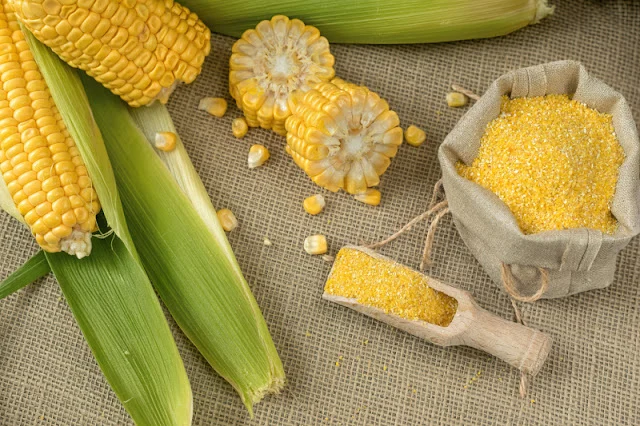
The dietary requirements of domestic poultry have long been a subject of rigorous debate among agricultural experts and backyard enthusiasts alike, with corn standing at the center of a significant seasonal controversy. While corn remains one of the most accessible and energy-dense grains available for livestock, its application in the diet of chickens requires a nuanced understanding of avian physiology and metabolic heat production. Central to this discussion is the "thermogenic effect" of grain digestion, a biological process that has led to widespread warnings regarding the use of corn during periods of extreme heat.
In the contemporary landscape of small-scale poultry management, the decision to feed corn is often dictated by the calendar. Agricultural data suggests that while corn is a staple of commercial feeds, its use as a supplemental "treat" or "scratch grain" must be adjusted to align with environmental temperatures. The fundamental concern involves the metabolic energy expended during the breakdown of complex carbohydrates and fibers found in dried corn. As chickens digest these grains, particularly overnight, their internal body temperature rises—a phenomenon that provides a natural heating mechanism in the winter but poses a potential risk of heat exhaustion during the summer months.

The Physiological Mechanics of Grain Digestion
To understand the controversy surrounding corn, one must examine the avian digestive process. Chickens possess a crop, an muscular pouch near the throat used to store food before it moves to the gizzard for grinding. When a chicken consumes whole or cracked dried corn, the mechanical and chemical breakdown of these dense kernels requires significant metabolic effort. This process, known in nutritional science as the Thermic Effect of Food (TEF) or Specific Dynamic Action (SDA), results in the production of internal body heat.
In temperate and cold climates, this metabolic heat is a critical survival tool. During the winter, poultry keepers frequently provide corn in the late afternoon or just before dusk. As the birds roost for the night, the slow digestion of the corn acts as an internal furnace, helping the birds maintain their core temperature of approximately 105°F to 107°F (40.5°C to 41.6°C) against the plummeting ambient air. However, the same biological mechanism can become a liability during a summer heatwave. If a bird’s internal temperature is already elevated due to environmental stress, the additional heat generated by digesting dried corn can push the animal toward lethal hyperthermia.
Nutritional Composition and Avian Health
Corn is frequently criticized for being "empty calories," but a biochemical analysis reveals a more complex nutritional profile. While it should never replace a balanced, age-appropriate layer or grower feed, corn provides several essential micro and macronutrients.

According to nutritional data, yellow corn is a primary source of xanthophylls—pigments that contribute to the deep orange color of egg yolks and the yellow tint of a chicken’s shanks and skin. Beyond aesthetics, corn contains:
- Antioxidants: Carotenoids such as lutein and zeaxanthin, which support ocular health in poultry.
- Vitamins: Significant levels of Vitamin B6 (pyridoxine), which is essential for protein metabolism and immune function, and Vitamin C, which aids in stress management.
- Minerals: Trace amounts of magnesium, phosphorus, potassium, and niacin.
- Folate: Critical for DNA synthesis and the development of healthy feathers.
- Fiber: High insoluble fiber content helps regulate the digestive tract, though it also contributes to the thermic effect of the grain.
Despite these benefits, corn is high in starch and sugars. Over-reliance on corn can lead to "Fatty Liver Hemorrhagic Syndrome" (FLHS), a condition where excess fat is deposited in the liver, making it friable and prone to rupture. This is particularly prevalent in sedentary backyard flocks and heavier breeds such as Orpingtons or Australorps.
Chronology of Poultry Feeding Practices
The use of corn in poultry diets has evolved through several distinct phases:

- Pre-Industrial Era: Chickens were primarily scavengers. Corn was a rare treat or a supplement used only in the harshest winter months when forage was unavailable.
- The Rise of Commercial Milling (1920s–1950s): Corn became the backbone of the American poultry industry due to its high caloric density and low cost. It was integrated into nearly all "scratch" mixes.
- The "Complete Feed" Revolution (1960s–1990s): Nutritionists developed pelleted and crumbled feeds that balanced amino acids, vitamins, and minerals, relegating corn to a "supplemental" status.
- The Backyard Revival (2000s–Present): A renewed interest in natural and holistic poultry keeping has led to a re-evaluation of corn. Modern keepers now distinguish between "dried corn" for winter warmth and "fresh corn" for summer hydration.
Seasonal Strategies: Winter vs. Summer
The consensus among avian experts, including noted author and poultry specialist Lisa Steele, suggests a bifurcated approach to corn based on its form and the season.
Winter Protocols
During the cold months, dried corn—either whole or cracked—is considered a superior supplemental energy source. Scratch grains, which typically consist of a mixture of cracked corn, wheat, and milo, are formulated to be fed in the late afternoon. This timing ensures the birds have a full crop of slow-burning fuel to sustain them through the long, cold night. The sustained energy from these complex carbohydrates prevents the birds from tapping into their own fat reserves to stay warm, thereby maintaining their weight and overall vigor.
Summer Protocols
In the summer, the strategy shifts toward hydration and cooling. While dried corn is generally discouraged during heatwaves, "fresh" corn is viewed as a beneficial summer treat. Fresh corn on the cob, frozen corn kernels, or canned corn provide a higher moisture content and do not require the same intensive metabolic energy to digest as their dried counterparts.

Furthermore, the "whole plant" approach is gaining traction in the agricultural community. Fresh corn husks and silks, often discarded by humans, are highly palatable to poultry and waterfowl. Corn silk, in particular, is rich in Vitamin K, which is essential for blood clotting and bone health. It also contains anti-inflammatory properties that can assist birds in recovering from the physiological stress of high temperatures.
Impact on Waterfowl: A Special Consideration
The implications of corn consumption extend beyond chickens to domestic ducks and geese. Waterfowl are particularly susceptible to weight gain, and "heavy" breeds such as Pekins or Rouens can develop leg and joint issues if they become obese from too much corn.
However, ducks exhibit a unique affinity for corn silk and fresh kernels. Many keepers report that tossing corn kernels into water troughs provides environmental enrichment, encouraging ducks to forage and "dabble," which is a natural behavior. This method also ensures the birds remain hydrated while consuming the treat.

Expert Consensus and Industry Analysis
Agricultural extension offices and avian nutritionists generally agree that corn should constitute no more than 10% of a chicken’s total daily caloric intake. The "10% Rule" for treats is a standard metric used to prevent nutritional imbalances, as corn lacks the high protein levels (typically 16-18%) required for consistent egg production.
A recent analysis of backyard flock health indicates that birds fed a diet too high in corn during the summer months show a higher incidence of "soft-shelled eggs." This is attributed to the fact that birds may fill up on corn and consume less of their calcium-fortified layer feed. Consequently, the industry recommendation is to prioritize high-moisture vegetables—such as cucumbers and watermelon—during the peak of summer, while reserving corn as a strategic tool for winter thermal management.
Broader Implications for Sustainable Agriculture
The nuanced use of corn reflects a broader shift in sustainable agriculture toward "bio-mimicry"—feeding animals in a way that mimics their natural seasonal cycles. By understanding the thermogenic properties of dried grains, poultry keepers can reduce their reliance on external heat sources in coops, such as heat lamps, which pose significant fire risks.

Furthermore, the utilization of garden "waste," such as corn cobs and husks, aligns with zero-waste agricultural practices. After the kernels are consumed, the fibrous cobs provide peck-satisfaction for chickens, reducing boredom-based behaviors like feather picking.
In conclusion, while corn has been a point of contention in the poultry community, the scientific reality supports its use as a versatile and beneficial tool when managed with seasonal awareness. By distinguishing between the heat-generating properties of dried grains and the hydrating benefits of fresh produce, poultry keepers can optimize the health and comfort of their flocks throughout the year. The key to successful integration lies in moderation, timing, and an understanding of the specific physiological needs of the birds in relation to their environment.
