
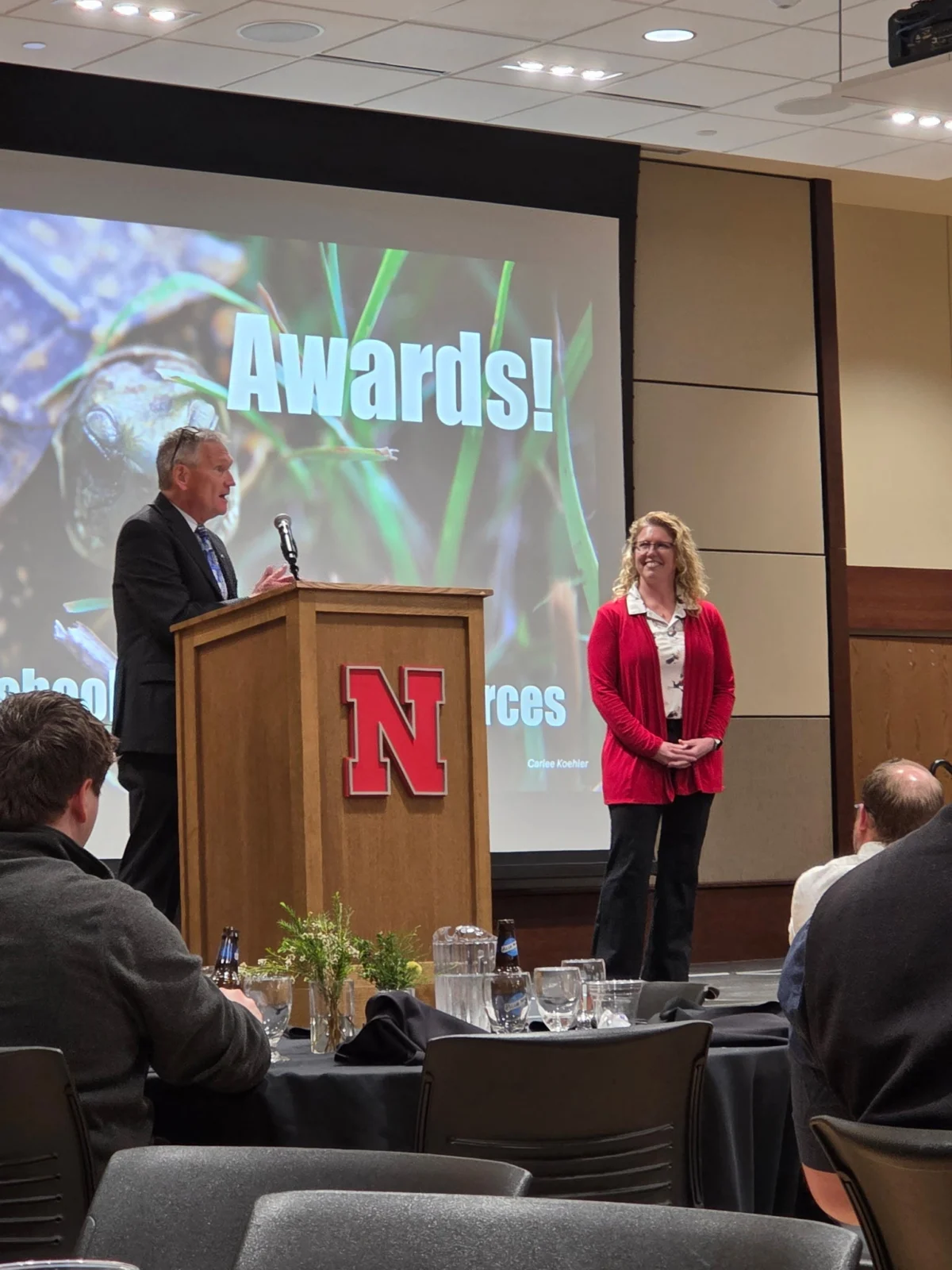
Audubon Great Plains is proud to announce that Kristal Stoner, the distinguished Vice President and Executive Director of Audubon Great Plains, has been presented with the prestigious Harold L. Wiegers Nebraska Outstanding Conservation Award. This significant recognition celebrates her profound and enduring leadership, as well as her invaluable contributions to wildlife conservation across Nebraska and the wider Great Plains region. The award underscores a career dedicated to the protection of natural resources, the advocacy for critical habitats, and the empowerment of communities through environmental education.
A Legacy of Conservation Leadership and Impact
Kristal Stoner’s tenure as Executive Director of Audubon Great Plains has been marked by unwavering commitment and strategic vision, positioning her as a leading voice for habitat conservation. Her accomplishments span a broad spectrum of initiatives, each designed to foster a healthier environment for both wildlife and people. Among her most notable achievements is her instrumental role in advocating for the sustained protection of the Nebraska Environmental Trust (NET) funding. The NET, established by voters in 1992, is a crucial funding mechanism derived from Nebraska Lottery proceeds, dedicated to preserving and restoring the state’s natural resources. Stoner’s tireless efforts have helped ensure the continued flow of these vital funds, which support a myriad of conservation projects ranging from land acquisition and habitat restoration to water quality improvements and environmental education programs across the state. Without robust advocacy, such funding sources can face challenges, and Stoner’s leadership has been critical in safeguarding this essential resource for Nebraska’s future.
Beyond financial advocacy, Stoner has actively championed and directly supported numerous wildlife conservation efforts and habitat protection initiatives throughout Nebraska. This includes critical work in preserving and restoring key ecosystems such as the Platte River corridor, a globally significant migratory bird flyway, and the vast, biodiverse Sandhills region, which serves as a vital breeding ground for numerous bird species and supports a unique array of flora and fauna. Her leadership has also extended to projects focused on the restoration of tallgrass prairies, which are among the most endangered ecosystems in North America, providing crucial habitat for species like the Greater Prairie-Chicken and various grassland birds experiencing precipitous declines. These efforts often involve complex collaborations with private landowners, state agencies, and other non-profit organizations, demonstrating Stoner’s ability to forge effective partnerships for common conservation goals.
Furthermore, Stoner has been a fervent proponent of educational and outreach opportunities, recognizing that conservation success ultimately hinges on public engagement and understanding. Under her guidance, Audubon Great Plains has expanded its wildlife programming at its two flagship centers: Spring Creek Prairie Audubon Center near Denton and the Iain Nicolson Audubon Center at Rowe Sanctuary along the Platte River. These centers serve as vital hubs for environmental education, offering programs for K-12 students, families, and adults that connect them directly with nature. From bird banding demonstrations and guided prairie walks to citizen science projects and workshops on sustainable land management, these programs foster a deep appreciation for the natural world and inspire future generations of conservationists. The impact of these centers is far-reaching, reaching thousands of individuals annually and cultivating a greater sense of stewardship for Nebraska’s natural heritage.
The Harold L. Wiegers Award: A Legacy of Education and Dedication
The Harold L. Wiegers Nebraska Outstanding Conservation Award is a testament to individuals who embody a profound devotion to wildlife conservation and possess the unique ability to inspire others through their work and accomplishments. The award itself carries significant historical weight, named in honor of Dr. Harold L. Wiegers, a revered figure in Nebraska’s conservation history. Dr. Wiegers was a longtime professor and the visionary founder of the University of Nebraska-Lincoln’s (UNL) fisheries and wildlife program. His pioneering work laid the academic foundation for future generations of conservation professionals, establishing a rigorous curriculum that combined scientific inquiry with practical application in the field. Dr. Wiegers’ legacy is deeply intertwined with the development of conservation science and policy in Nebraska, making this award a direct reflection of his commitment to leadership, education, and the steadfast protection of natural resources.
The selection process for this prestigious award is unique, involving the active participation of the very students Dr. Wiegers sought to inspire. Each spring, members of the UNL Wildlife Club solicit nominations from across the Nebraska community, ensuring that candidates are recognized by a broad spectrum of peers, colleagues, and beneficiaries of their work. Following the nomination period, the Wildlife Club’s officer team undertakes a thorough review, meticulously evaluating each nominee’s contributions, impact, and inspirational qualities. This student-led selection process not only empowers the next generation of conservation leaders but also ensures that the award continues to reflect the values and forward-looking vision that Dr. Wiegers instilled in his program. The choice of Kristal Stoner by this discerning group underscores her profound influence and the tangible results of her conservation efforts.
Nebraska’s Ecological Tapestry and Conservation Imperatives
Nebraska, often perceived as a purely agricultural state, harbors an astonishing diversity of ecosystems and is a critical nexus for continental wildlife migration. The state is home to portions of the magnificent Tallgrass Prairie, a unique biome that once covered vast expanses of North America but is now critically endangered. It also boasts the Nebraska Sandhills, one of the largest intact grassland ecosystems in the world, renowned for its pristine wetlands, unique flora, and role as a breeding ground for various waterfowl and grassland birds. The Platte River, slicing through the heart of the state, forms a crucial stopover point for millions of migratory birds, including nearly 80% of the world’s Sandhill Cranes and the critically endangered Whooping Crane, making it an internationally recognized Important Bird Area (IBA).
However, this rich ecological tapestry faces persistent threats. Habitat loss due to agricultural expansion, urban development, and energy infrastructure continues to fragment and degrade vital ecosystems. Water resource management along the Platte River is a perpetual challenge, balancing agricultural, municipal, and ecological needs. The impacts of climate change, including altered precipitation patterns and increased frequency of extreme weather events, pose additional long-term threats to both wildlife and human communities. In this complex landscape, the role of organizations like Audubon Great Plains and leaders like Kristal Stoner becomes even more critical. Their work in protecting and restoring these habitats is not merely about preserving individual species; it is about maintaining the ecological integrity of the entire region, ensuring biodiversity, and securing essential ecosystem services like clean water, healthy soils, and climate resilience for all Nebraskans.
Kristal Stoner’s Leadership Philosophy and Collaborative Approach
Kristal Stoner’s leadership style is characterized by a deep understanding of ecological principles combined with a pragmatic, collaborative approach to problem-solving. She has consistently championed science-based conservation strategies, ensuring that Audubon Great Plains’ initiatives are grounded in robust research and data. Her ability to convene diverse stakeholders—from ranchers and farmers to policymakers, scientists, and community leaders—has been instrumental in forging consensus and implementing effective conservation solutions that benefit both nature and local economies.
In her own words, Stoner articulated the profound significance of the award: “This recognition is especially meaningful because it reflects a shared commitment to conserving wildlife and the places they depend on, and to inspiring others to care about the natural world around us.” This statement encapsulates her philosophy, emphasizing that conservation is a collective endeavor, requiring not just scientific expertise but also a shared passion and a collective will. She further added, “I’ve been fortunate to work alongside incredible colleagues, partners, and communities who bring passion, creativity, and determination to this work every day.” This acknowledgment highlights her belief in the power of teamwork and the strength derived from a dedicated network of individuals and organizations striving towards a common goal. It reflects a leader who understands that true impact is a product of collaboration, mutual respect, and shared vision.
Statements and Reactions from the Conservation Community
The announcement of Kristal Stoner receiving the Harold L. Wiegers Award has resonated positively throughout the conservation community. Dr. Eleanor Vance, a faculty advisor to the UNL Wildlife Club, commented, "Kristal Stoner exemplifies the very spirit of Dr. Wiegers’ legacy. Her dedication to sound science, community engagement, and tireless advocacy for Nebraska’s wildlife makes her an incredibly deserving recipient. Our students were particularly impressed by her ability to translate complex conservation challenges into actionable, impactful projects that truly make a difference on the ground."
A representative from the Nebraska Environmental Trust, speaking on background, highlighted Stoner’s pivotal role: "Kristal’s consistent and articulate advocacy for the Nebraska Environmental Trust has been invaluable. She understands the critical role our funding plays in the state’s conservation landscape and has been a steadfast partner in ensuring its continued strength and efficacy. Her leadership ensures that our collective efforts can continue to thrive."
Colleagues at Audubon Great Plains also expressed immense pride. John Davies, Chair of the Audubon Great Plains Board of Directors, stated, "Kristal’s vision and relentless pursuit of our mission have transformed Audubon Great Plains into an even more impactful force for conservation. This award is a fitting tribute to her extraordinary leadership, her ability to inspire, and her unwavering dedication to protecting the birds and habitats of the Great Plains. We are incredibly fortunate to have her at the helm."
Broader Impact and Implications of This Recognition
The awarding of the Harold L. Wiegers Nebraska Outstanding Conservation Award to Kristal Stoner carries significant implications for the broader conservation movement. Firstly, it elevates the profile of critical conservation issues in Nebraska, bringing attention to the ongoing efforts required to protect the state’s unique natural heritage. Such recognition validates the hard work of countless individuals and organizations in the field, fostering a sense of shared purpose and encouraging continued dedication.
Secondly, it serves as a powerful source of inspiration for emerging conservation professionals. When students from the UNL Wildlife Club select a leader like Stoner, it provides them with a tangible example of how passion, perseverance, and strategic leadership can lead to substantial, real-world impact. It reinforces the value of pursuing careers in environmental stewardship and demonstrates the diverse pathways available within the conservation sector.
Thirdly, the award strengthens the network of conservation partners across Nebraska. By highlighting successful collaborations and the importance of collective action, it encourages greater synergy between governmental agencies, non-profit organizations, academic institutions, and private landowners. This interconnectedness is vital for tackling complex environmental challenges that transcend geographical and organizational boundaries.
Finally, the recognition of Kristal Stoner underscores the importance of strong, principled leadership in a field that often grapples with political complexities and resource constraints. Her ability to navigate these challenges with integrity and effectiveness sets a benchmark for others and reinforces the notion that dedicated leadership is indispensable for achieving meaningful and lasting conservation outcomes. As Nebraska continues to face evolving environmental pressures, the strategic vision and collaborative spirit championed by leaders like Kristal Stoner will be more crucial than ever in safeguarding its natural treasures for future generations. The award not only celebrates her past achievements but also shines a light on the ongoing vital work of Audubon Great Plains and the broader conservation community in the heart of America.
