
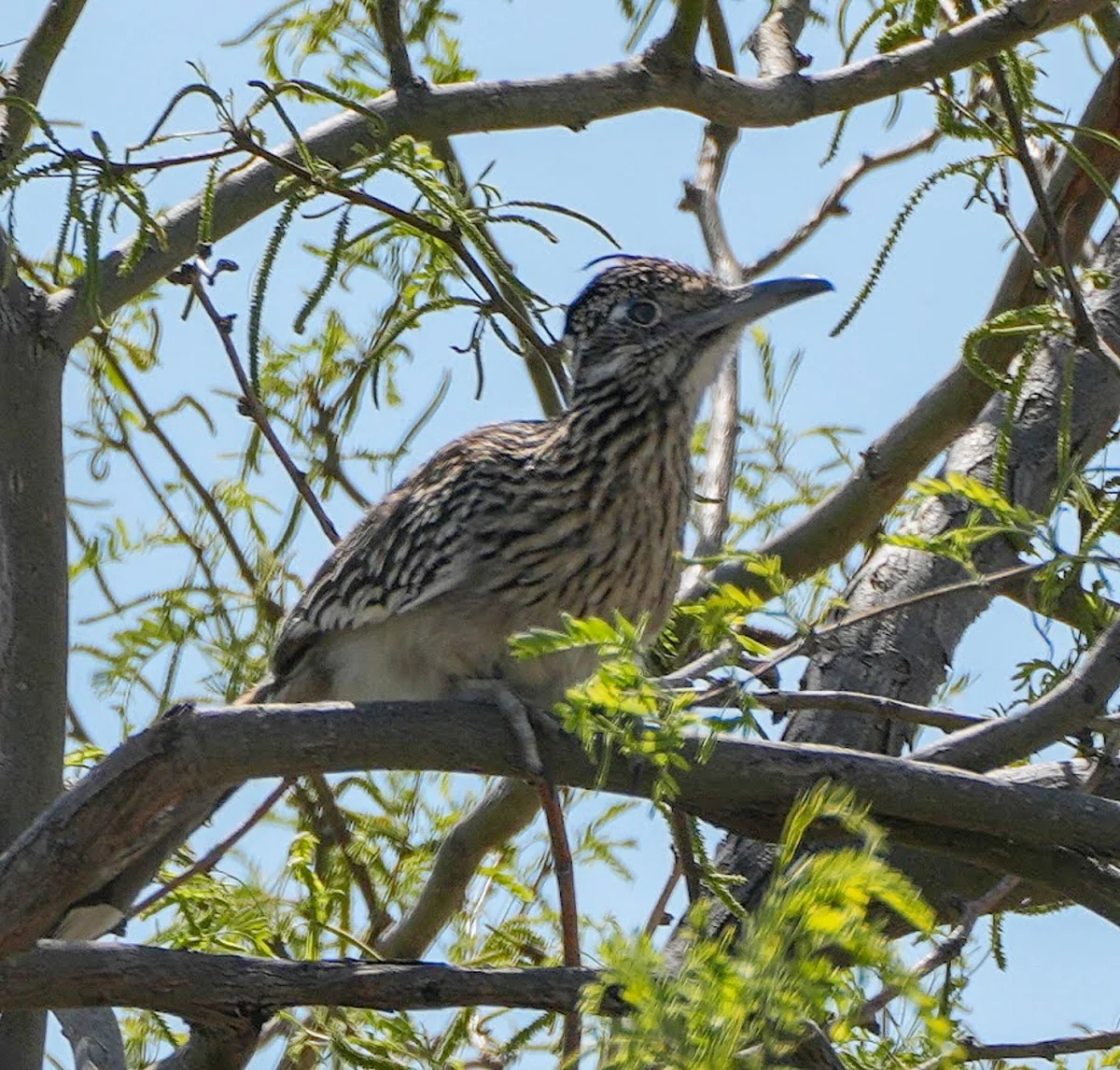
A recent ornithological expedition through the "Sky Island" mountain ranges of southeastern Arizona has concluded with the documentation of 174 bird species, a figure that underscores the region’s status as one of North America’s most critical biodiversity hotspots. The tour, which spanned seven days across varied elevations and ecosystems, provided a comprehensive survey of the avian and mammalian life inhabiting the unique ecotones between Tucson and the Chiricahua Mountains. The expedition’s findings highlight the ecological importance of these isolated mountain ranges, which act as biological bridges between the Sierra Madre of Mexico and the Rocky Mountains of the United States.
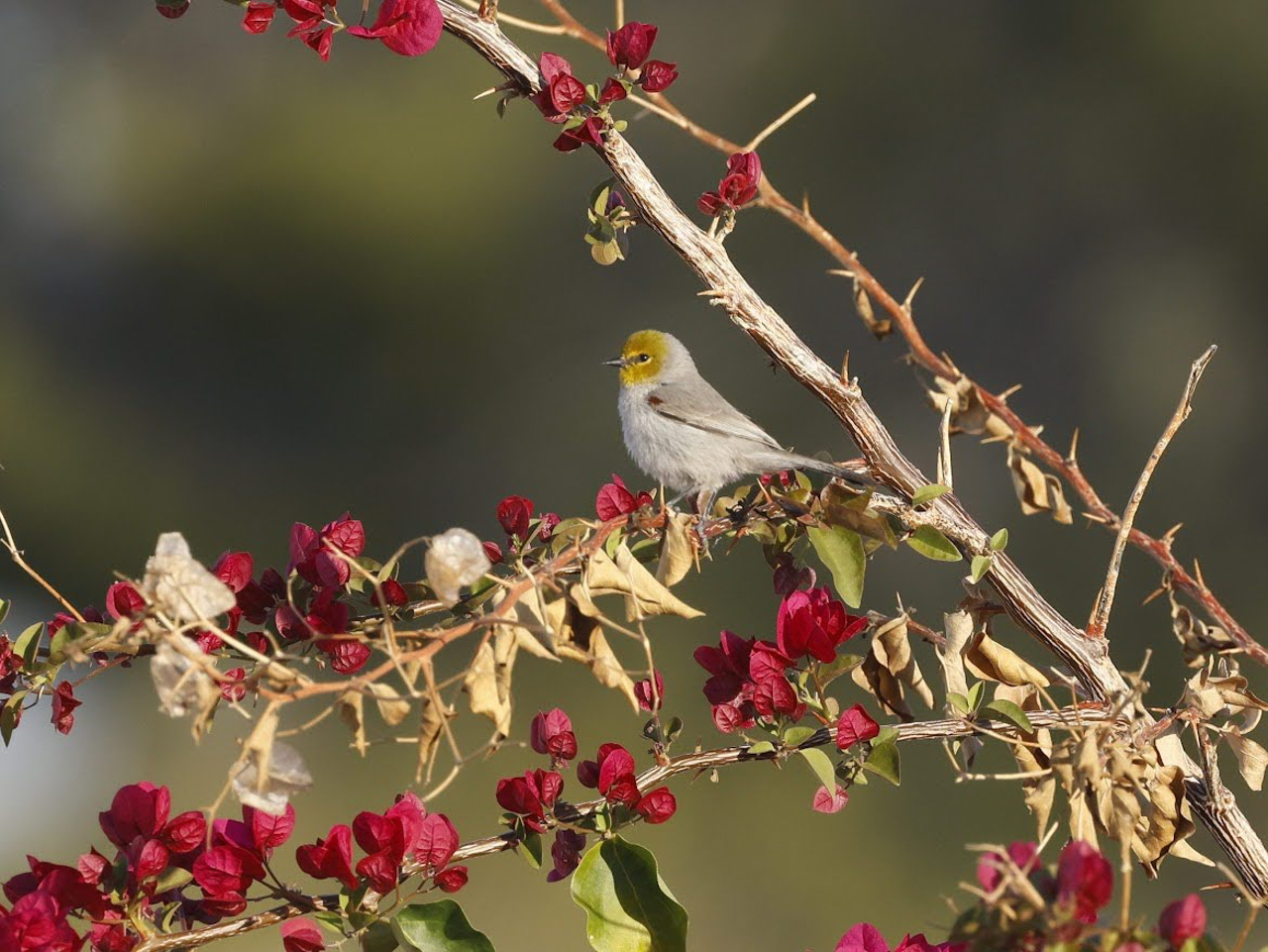
Ecological Context of the Sky Island Region
Southeastern Arizona is characterized by its Sky Islands—mountains that rise abruptly from the desert floor, creating isolated habitats with vastly different climates and vegetation than the surrounding lowlands. This geography allows for an extraordinary concentration of biodiversity. Within a few thousand vertical feet, travelers transition from the Sonoran and Chihuahuan Deserts to cottonwood riparian zones, mesquite bosques, and shortgrass prairies. Mid-elevations are dominated by sycamore-juniper-oak woodlands, while the highest peaks support sub-alpine forests of Douglas fir and Ponderosa pine.

The timing of the expedition coincided with the onset of spring migration, a period when resident species begin nesting and transient species move through the corridor. The resulting data revealed a significant diversity of families, including 20 species of sparrows, 14 species of ducks, 11 raptors, and 9 species of hummingbirds. Additionally, the team documented 13 mammal species, including the Harris’s Antelope Squirrel, Pronghorn, and the White-collared Peccary, also known as the Javelina.
Chronology of the Expedition
Phase I: The Sonoran Lowlands and Urban Wetlands
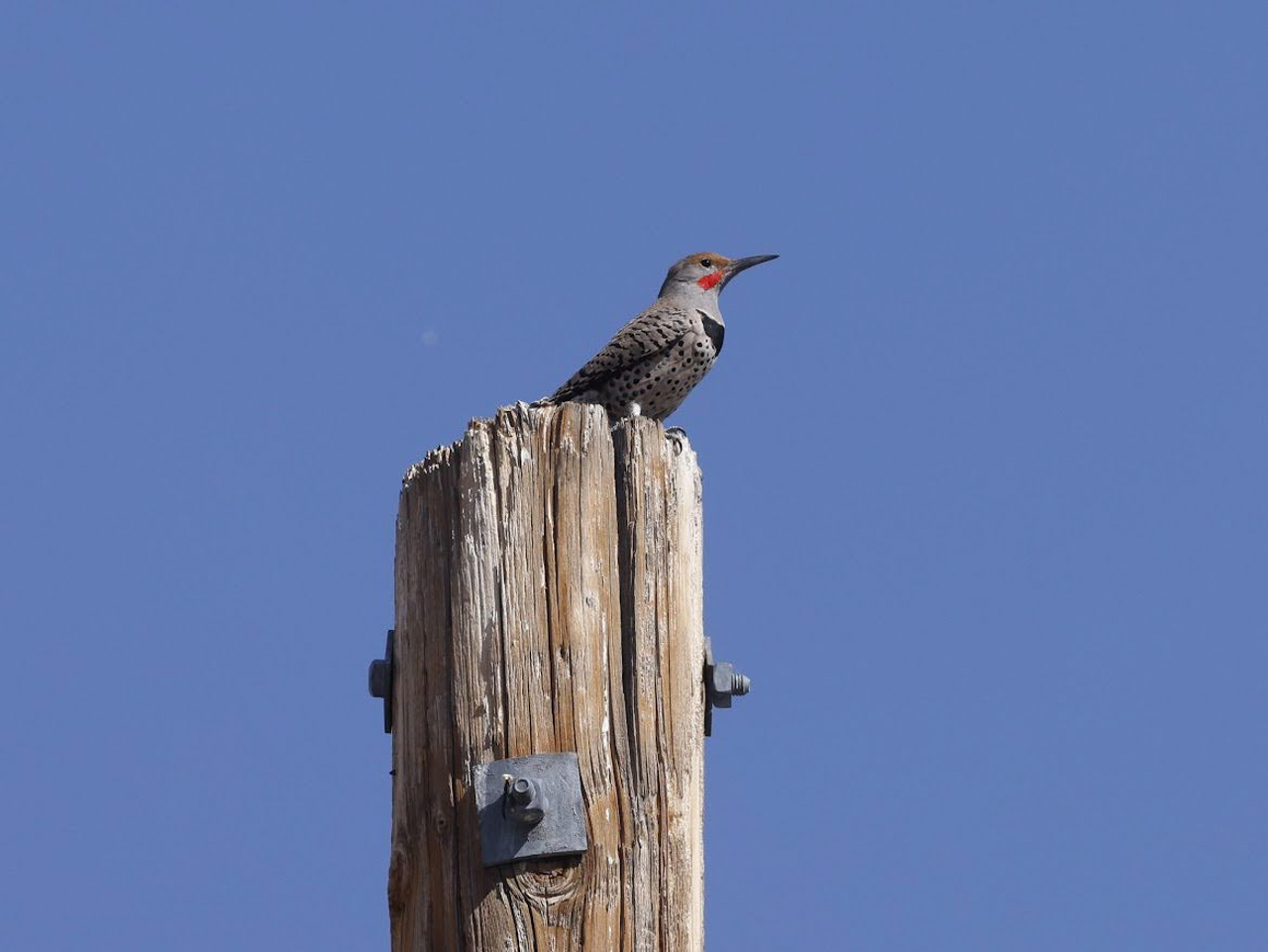
The expedition commenced in Tucson, focusing on the Tucson Mountain Park and the Sweetwater Wetlands. Early observations at Gates Pass documented classic desert residents such as the Ash-throated Flycatcher, Gila Woodpecker, and the Rock Wren. Notably, the team recorded the Gilded Flicker, a local specialty restricted largely to the saguaro forests of the Sonoran Desert.

The Sweetwater Wetlands, a facility originally established in 1996 for aquifer recharge, served as a primary site for waterbird observation. Despite the facility no longer being used for its original industrial purpose, it has become a vital man-made marshland. Researchers observed courting behaviors in Northern Shovelers and American Wigeons, as well as the successful hatching of American Coot chicks. The standout observation at this site was a drake Cinnamon Teal, alongside the vibrant Vermilion Flycatcher, a species whose flaming scarlet plumage and elaborate puffed-out flight displays marked the beginning of the breeding season.
Phase II: The Santa Rita Mountains and Riparian Corridors
Moving south to the Santa Rita Mountains, the team explored Desert Meadows Park in Green Valley. This area provided data on nesting phenology, with Anna’s Hummingbirds, Curve-billed Thrashers, and Verdins all observed in various stages of nest construction. The "Desert Warbler," or Lucy’s Warbler, was recorded singing in the canopy, while ground-dwelling species like Gambel’s Quail and Abert’s Towhee were found in abundance.
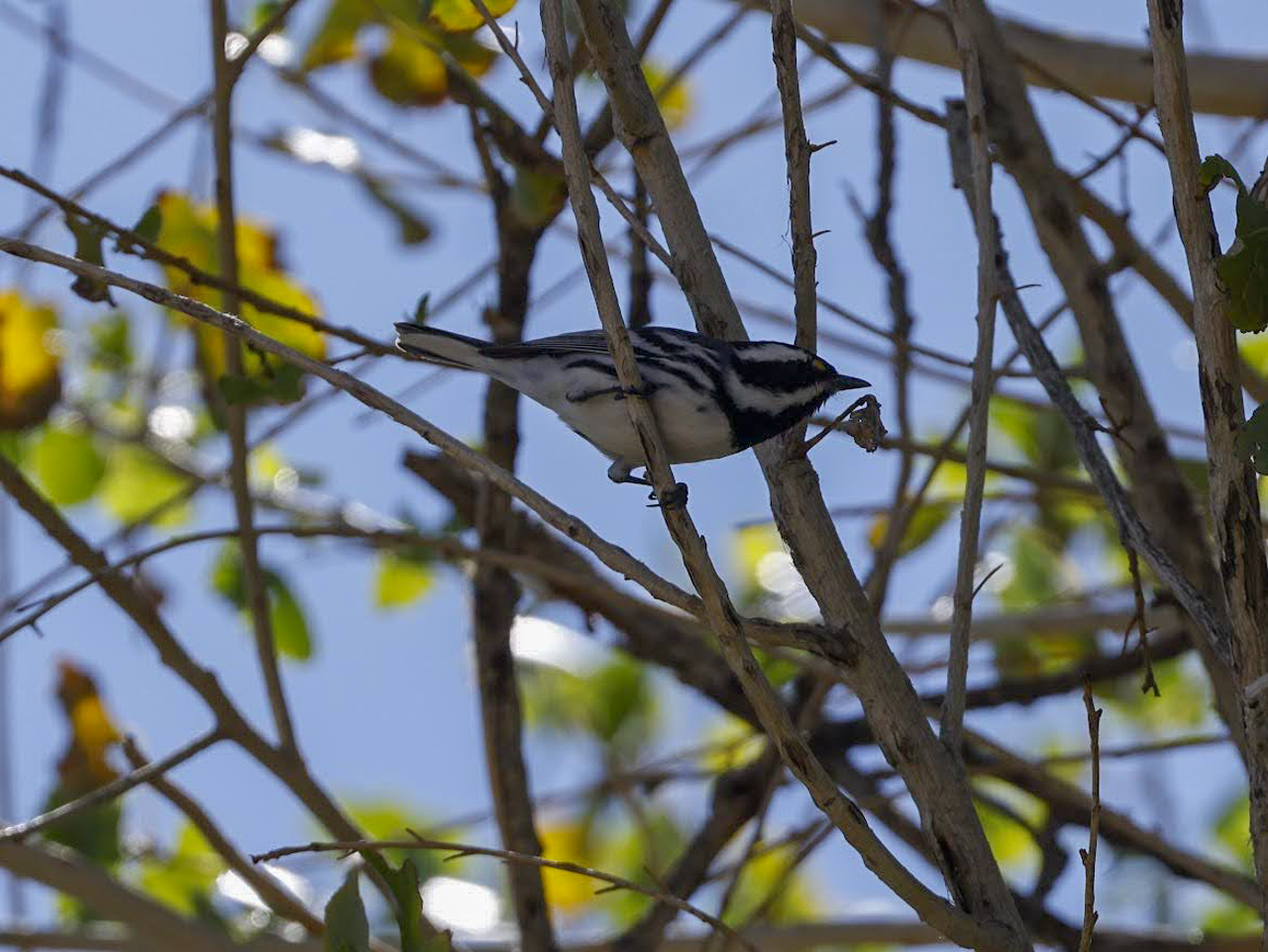
A critical stop at the Tubac Hawk Watch yielded significant data on raptor migration. This site is recognized as the premier location in the United States for monitoring the northward movement of the Common Black Hawk. The team tallied 11 individuals in a single hour, along with a Gray Hawk. These observations support ongoing efforts by local conservationists to protect the Santa Cruz River’s riparian habitat through the proposed creation of a National Wildlife Refuge.

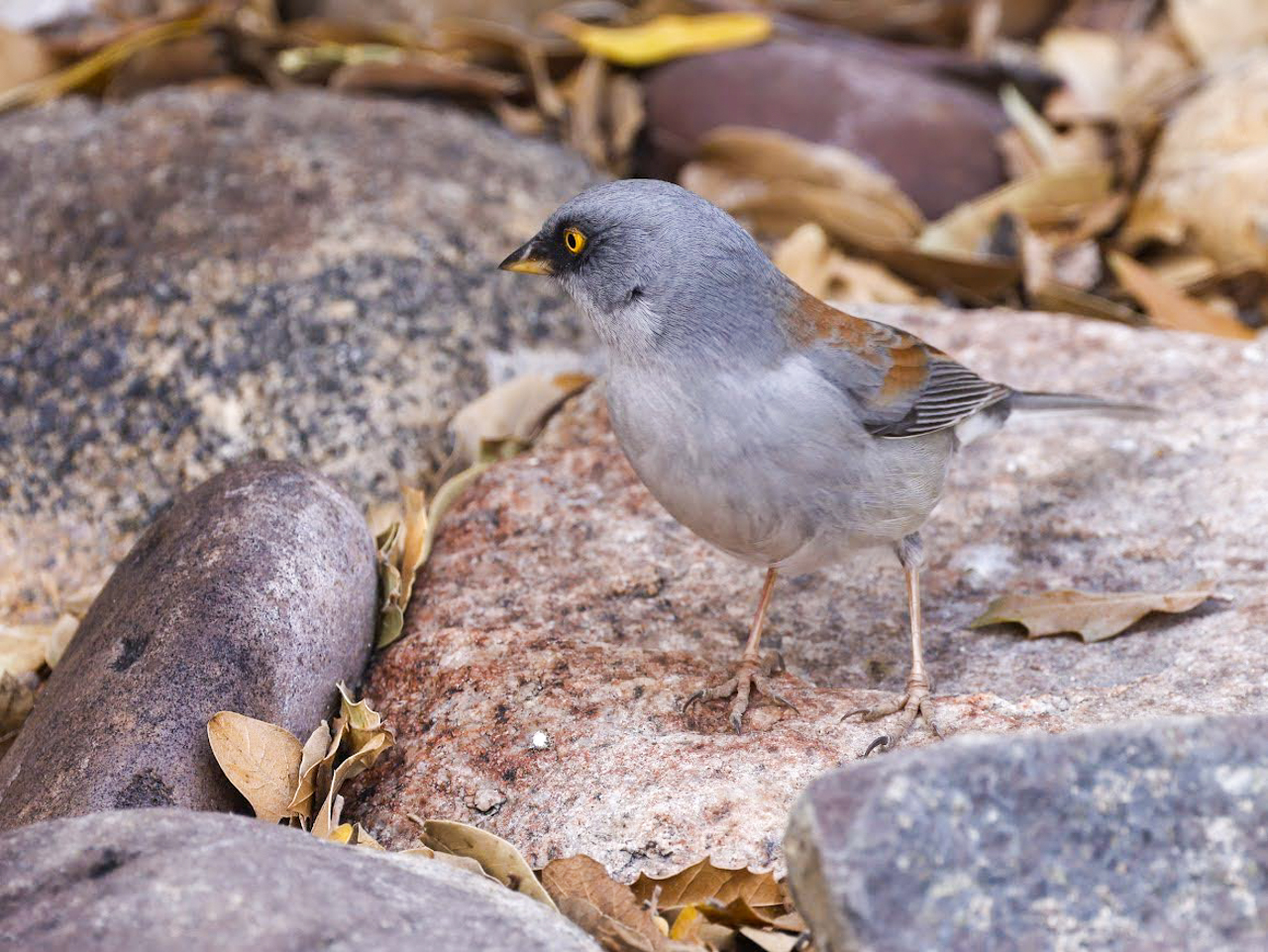
Higher in the Santa Ritas, Madera Canyon offered a shift into the sycamore-oak-juniper zone. Here, the team identified several Sky Island specialties, including the Arizona Woodpecker, Painted Redstart, and Yellow-eyed Junco. A rare Broad-billed x Berylline Hummingbird hybrid, a returning individual from the previous year, provided a unique opportunity to study inter-species traits, combining the dark tail of the former with the green throat and bill structure of the latter.

Phase III: The Patagonia Canyons and High Prairies
The expedition then shifted toward the Patagonia region, where water scarcity dictates bird concentrations. At the Green Valley Water Retention Facility, 12 duck species were recorded, including the regionally rare Greater Scaup. Patagonia Lake State Park proved to be the most species-rich single location, with 49 species documented, including a mixed songbird flock containing Bell’s, Cassin’s, and Plumbeous Vireos.

In the grasslands along Curly Horse Ranch Road and the Las Cienegas National Conservation Area, the team focused on the declining population of North American grassland birds. The documentation of the Chestnut-collared Longspur was particularly significant, as these birds are increasingly threatened by habitat loss. The day concluded with a nocturnal survey on Harshaw Creek Road, which yielded five calling Elf Owls—the smallest owl species in the world.

Phase IV: The Chiricahua Mountains and the San Pedro River
The final leg of the tour involved a trek east to the Chiricahua Mountains, the largest of Arizona’s Sky Islands. En route, the team surveyed the San Pedro Riparian National Conservation Area, noting the stark contrast between the lush green cottonwood galleries and the surrounding arid mesquite bosques. At Whitewater Draw Wildlife Area, researchers observed a dwindling flock of 600 Sandhill Cranes. This reduction from the thousands present in previous months indicates the progression of their spring migration phenology.
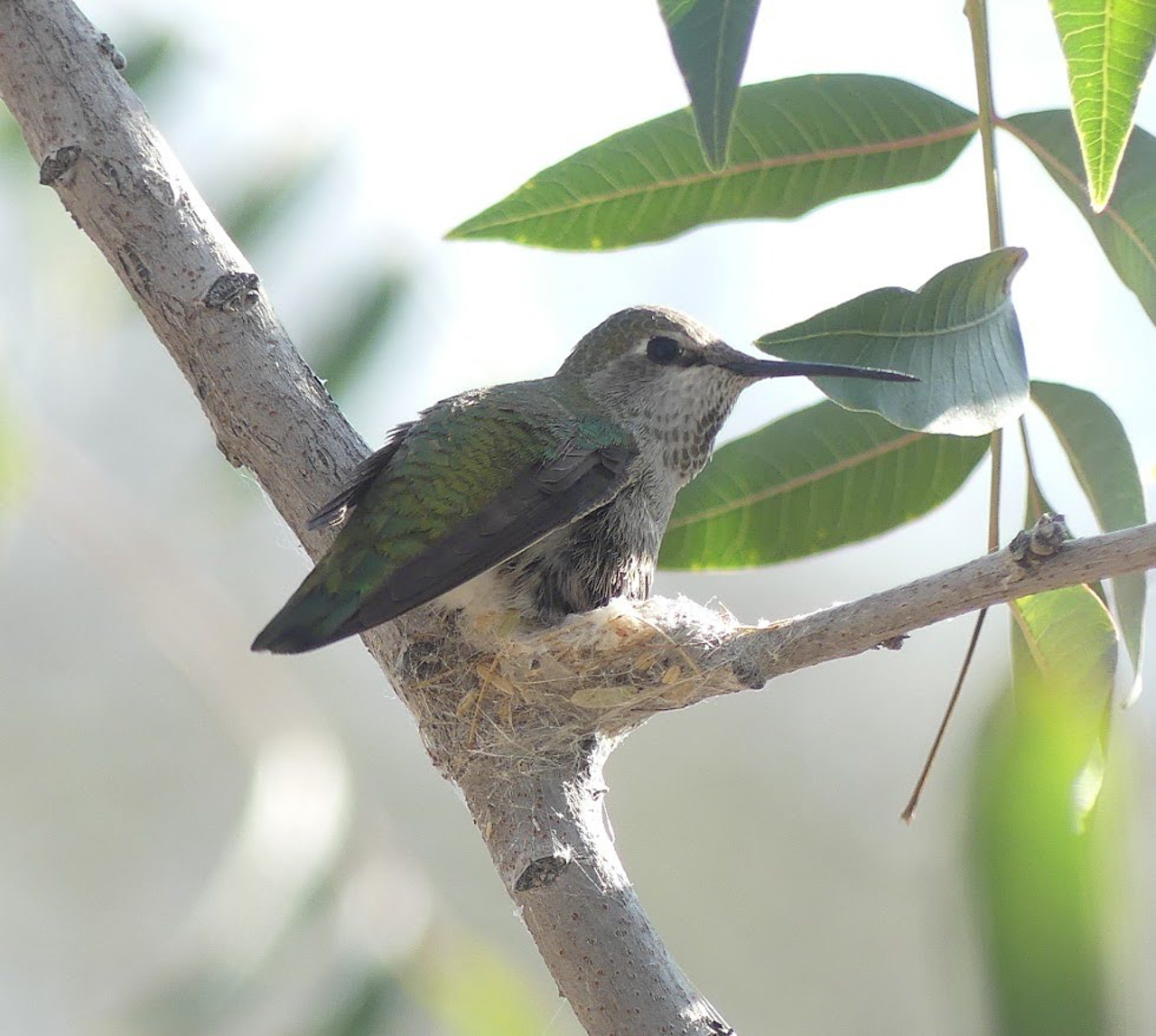
In the mountain town of Portal, the team achieved a "Full Towhee Sweep," documenting Abert’s, Canyon, Green-tailed, and Spotted Towhees in a single location. Observations in the high-elevation forests of Rustler Park (8,500 feet) included the Mexican Chickadee, a species whose U.S. population is almost entirely restricted to the Chiricahua Mountains. The expedition concluded at Lake Cochise in Willcox, where six shorebird species were recorded, including the American Avocet and the globally threatened Bendire’s Thrasher.

Supporting Data and Species Analysis
The documentation of 174 species represents an unusually high count for a late-winter/early-spring survey in this region. The breakdown of species diversity provides a snapshot of the health of the local ecosystem:

- Waterfowl (14 species): The presence of Cinnamon Teal and Greater Scaup indicates the importance of both natural and artificial wetlands in an arid environment.
- Raptors (11 species): The successful count of Common Black Hawks at Tubac underscores the importance of the Santa Cruz River corridor.
- Hummingbirds (9 species): The presence of the Blue-throated Mountain-gem, North America’s largest hummingbird, alongside the tiny Anna’s and Black-chinned species, highlights the niche stratification in the region.
- Sparrows and Longspurs (20 species): This high count reflects the diversity of the southern Arizona grasslands, though the vulnerability of these species remains a concern for conservationists.
Environmental Implications and Conservation
The expedition’s findings carry significant implications for regional conservation. The observation that a puddle at Whitewater Draw dried up completely only 48 hours after the team’s visit serves as a stark reminder of the volatility of water sources in the Southwest. As climate patterns shift, the reliance of migratory species on ephemeral water sources becomes a critical point of study.
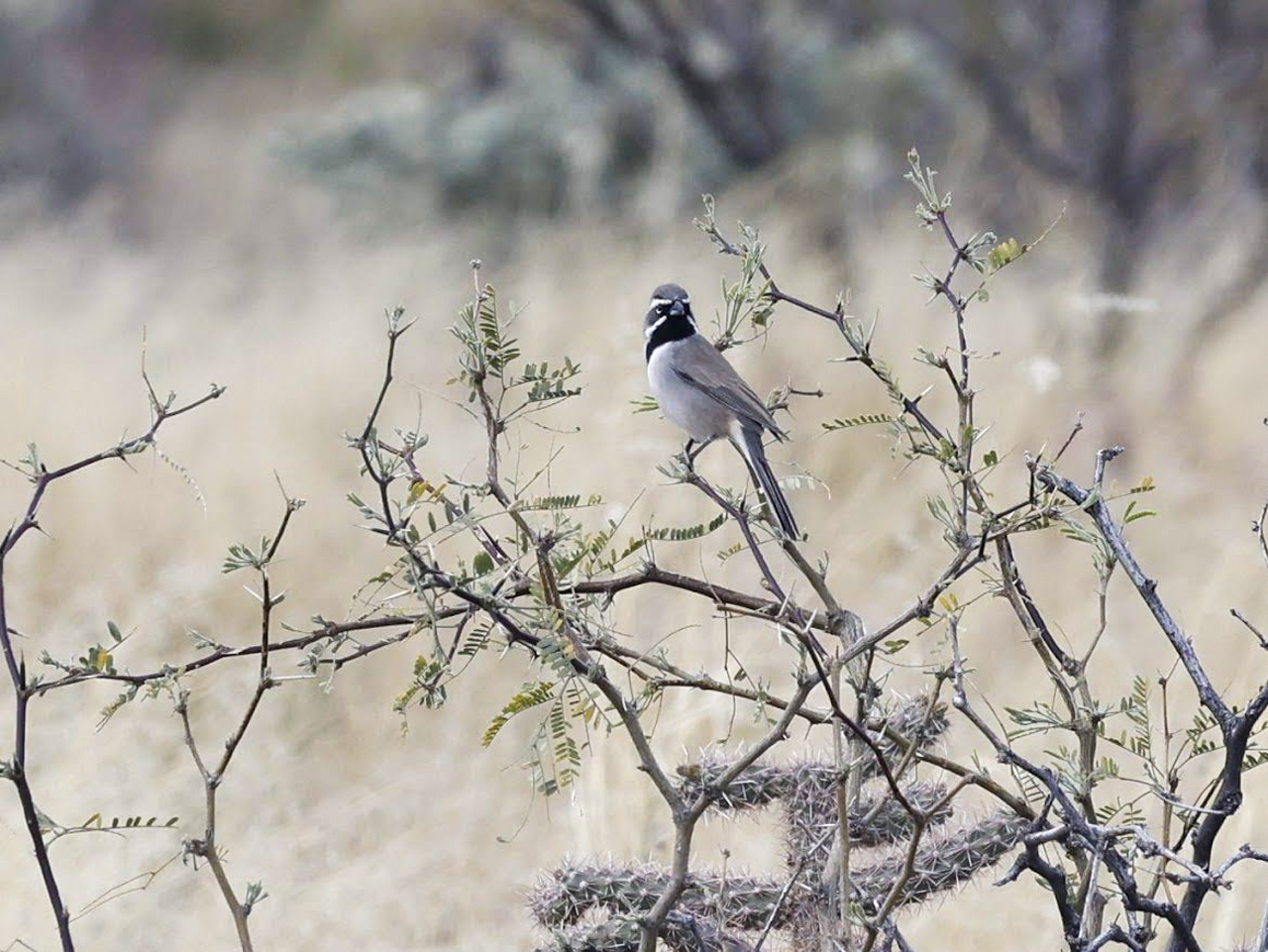
Furthermore, the presence of the Bendire’s Thrasher, a species currently classified as globally threatened, highlights the importance of the Willcox playa and surrounding scrublands. The data collected during this tour will be contributed to the eBird database, providing longitudinal information that helps scientists track population trends and migration timing.

Conclusion and Regional Impact
The success of the expedition was attributed not only to the favorable weather conditions but also to the cooperation of local residents and "bird-feeding hosts" in Portal and Patagonia. These communities have embraced ecotourism, which provides a sustainable economic model that incentivizes the preservation of natural habitats.
The documentation of 174 species confirms that southeastern Arizona remains a vital sanctuary for avian life. The interplay between desert lowlands and alpine peaks ensures that even as the environment faces pressures from development and climate change, the Sky Islands continue to serve as a refuge for some of North America’s rarest and most specialized species. The expedition’s comprehensive report provides a valuable baseline for future winter and spring surveys, ensuring that the ecological health of this unique corridor remains under close scientific observation.
