
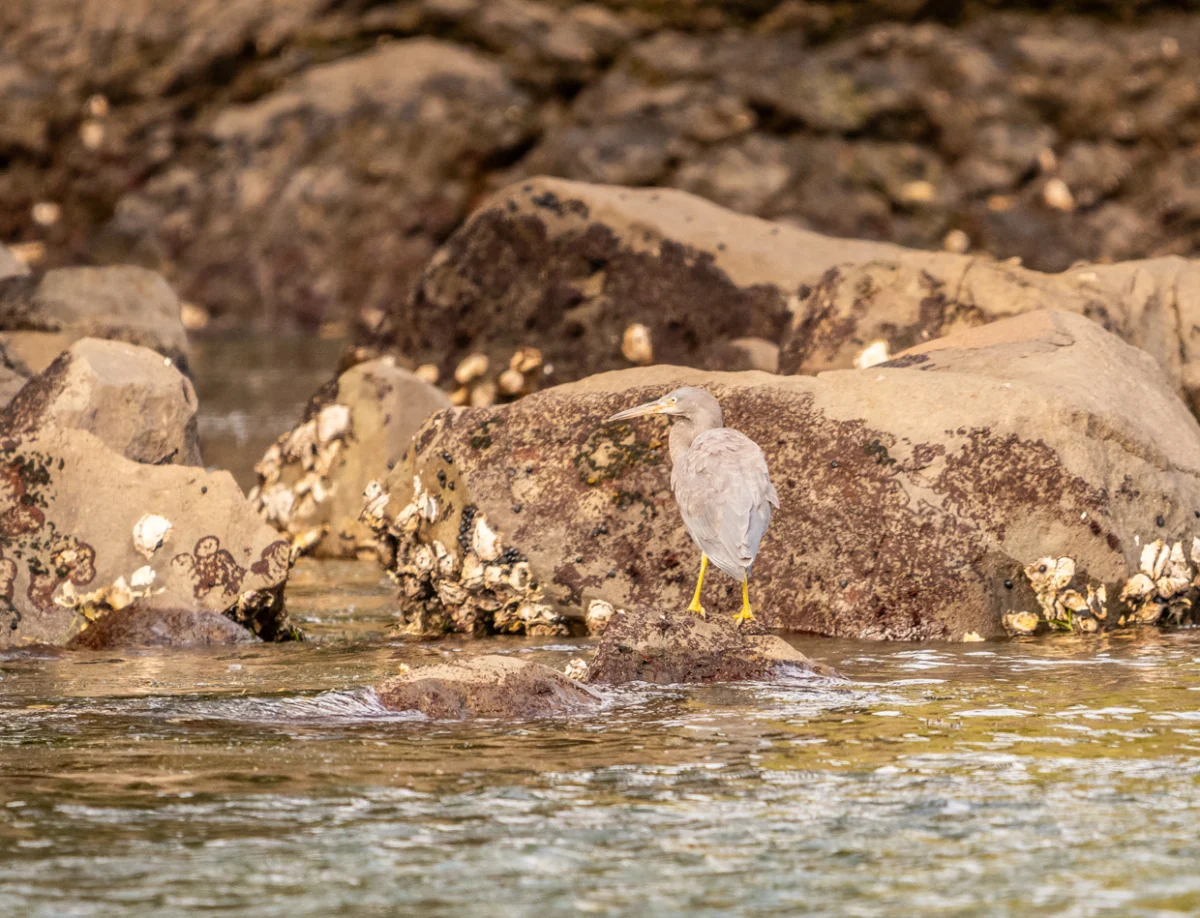
A comprehensive 22-day biological survey and ornithological expedition across New Zealand’s North and South Islands has concluded with the recording of 147 distinct bird species, providing a significant snapshot of the nation’s current biodiversity status. The journey, which spanned from the subtropical reaches of Northland to the subantarctic influences of Stewart Island, documented several of the world’s rarest avian species, including the New Zealand Fairy Tern, the Erect-crested Penguin, and all five major groups of the kiwi.

The expedition’s findings underscore the critical importance of New Zealand’s predator-free sanctuaries and offshore islands in the preservation of endemic species. With a checklist that includes 147 species, the tour serves as a testament to the resilience of native populations when supported by intensive conservation management. Notable highlights included rare sightings of the Baillon’s Crake, the Blue Duck (Whio), and an unexpected encounter with an Erect-crested Penguin on the mainland—a species typically confined to the remote Bounty and Antipodes Islands.

Marine Biodiversity and Northern Pelagic Frontiers
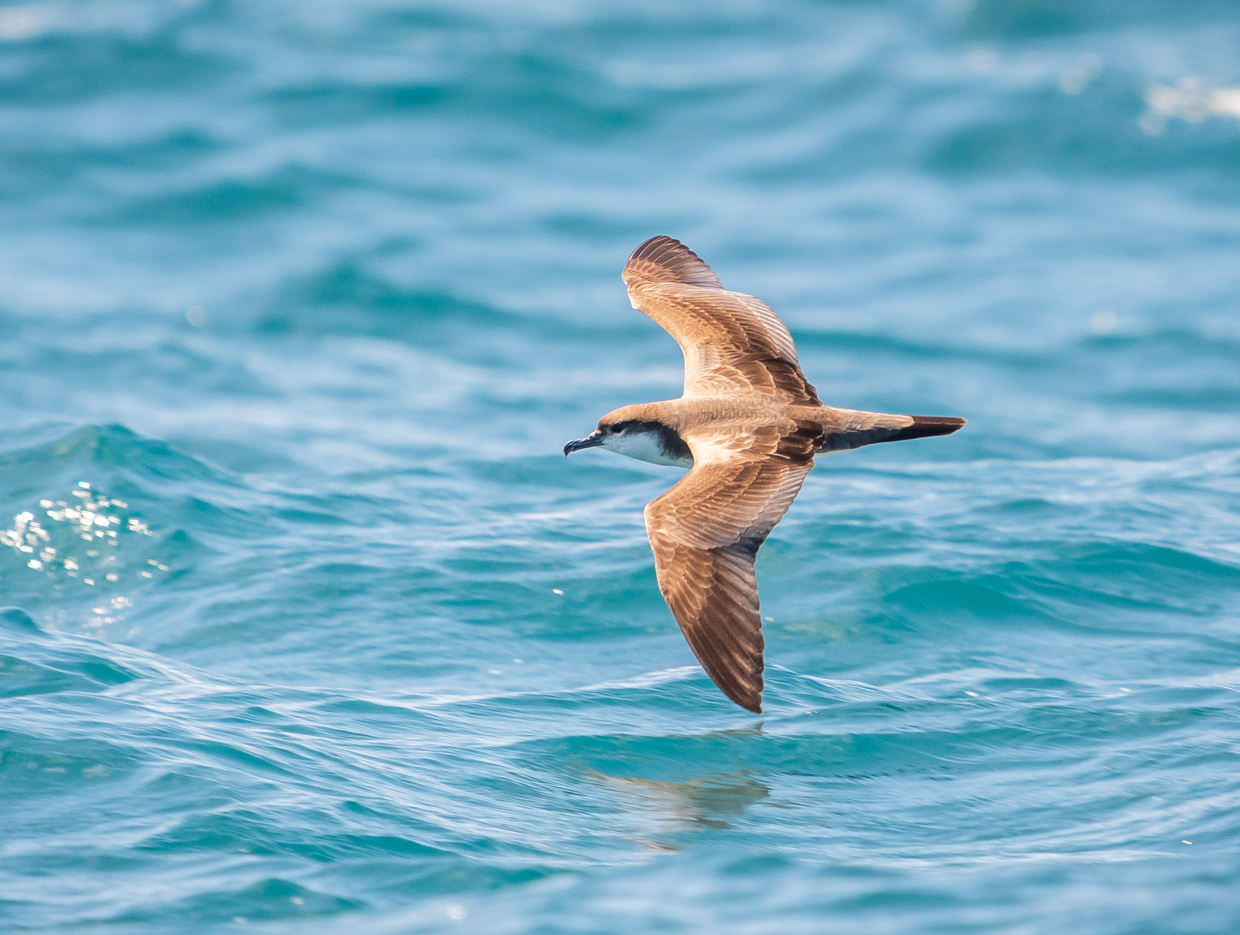
The expedition commenced in Whangarei, focusing on the nutrient-rich waters of the Hauraki Gulf and the Northland coast. Pelagic excursions in this region are vital for monitoring procellariiforms (tube-nosed seabirds). Participants documented high-density sightings of the New Zealand Storm-petrel, a species once thought extinct until its rediscovery in 2003. Other significant marine records included Cook’s Petrel, Parkinson’s Petrel, and Pycroft’s Petrel, alongside the jewel-like Buller’s Shearwater, which breeds exclusively on the Poor Knights Islands.

A critical focus of the northern leg was the search for the New Zealand Fairy Tern (Tara iti). With a global population estimated at fewer than 45 individuals, the Fairy Tern is New Zealand’s most endangered bird. The expedition successfully located a single individual at a managed refuge, highlighting the precarious state of the species despite rigorous protection measures. In contrast, the group observed an abundance of other shorebirds, including the Wrybill—the only bird in the world with a laterally curved bill—and the New Zealand Dotterel, which has seen population recoveries due to community-led coastal protection.

Sanctuary Islands as Biodiversity Reservoirs
The role of "mainland islands" and predator-free offshore sanctuaries was a central theme of the expedition. At Tiritiri Matangi in the Hauraki Gulf, the group observed the success of long-term reforestation and translocation programs. Key species recorded included the North Island Kokako, known for its haunting organ-like call, and the Stitchbird (Hihi), which requires specialized nectar feeders to thrive in the absence of mature forest.

The expedition also highlighted the success of the South Island Takahe, a large, flightless rail once thought extinct. Observations of Takahe on Tiritiri Matangi provided evidence of the species’ stability within managed environments. Similar success was noted on Ulva Island, off the coast of Stewart Island, where the absence of introduced mammalian predators has allowed populations of Yellowhead (Mohua), South Island Saddleback (Tieke), and Rifleman (Tititipounamu) to flourish in a primary podocarp forest environment.

The Alpine and Fiordland Transitions
As the expedition moved into the South Island, the focus shifted to alpine and riverine specialists. In the central North Island’s Tongariro region and the South Island’s Arthur’s Pass, the group monitored the Blue Duck (Whio). This species is an indicator of high water quality and river health; its presence in the fast-flowing mountain streams of the Tongariro River and near Milford Sound confirms the efficacy of large-scale trapping programs aimed at protecting nesting females from stoats.

The alpine phase also provided sightings of the Kea, the world’s only mountain parrot. While Kea were observed in their natural habitat near Arthur’s Pass, the expedition noted the challenges facing this highly intelligent species, which remains vulnerable to lead poisoning from old building materials and predation by invasive mammals. Furthermore, the rare South Island Wren (Piwauwau), New Zealand’s only true alpine bird, was recorded near the Homer Tunnel, representing one of the most taxonomically distinct lineages in the avian world.

Pelagic Excellence in Kaikoura and the Southern Ocean
Kaikoura remains a global epicenter for seabird diversity due to the deep-water canyon located just offshore. The expedition’s pelagic data from this region included six species of albatross: the Antipodean, Northern Royal, Southern Royal, White-capped, Salvin’s, and Buller’s Albatross. The observation of a Northern Royal Albatross feeding its chick at the Taiaroa Head colony in Dunedin offered a rare glimpse into the reproductive success of these long-lived mariners.
In the southern latitudes, the expedition ventured to Stewart Island (Rakiura), where the Southern Brown Kiwi (Tokoeka) was observed foraging during the evening. Unlike other kiwi species, the Stewart Island subspecies is known to be occasionally active during the day, though the expedition’s primary sightings occurred in the twilight hours. The data gathered on Stewart Island, including sightings of the Yellow-eyed Penguin (Hoiho) and the Fiordland Crested Penguin (Tawaki), highlighted the ongoing crisis facing New Zealand’s "megadyptes" and "eudyptes" lineages. With only approximately 400 Yellow-eyed Penguins remaining on the mainland, the sighting of three individuals was considered a high-value data point for the survey.

Exceptional Records and Scientific Anomalies
Several sightings during the 22-day period were classified as "exceptional" by the lead ornithologists. The discovery of an Erect-crested Penguin moulting on a cliffside in Dunedin was the most significant anomaly. This species is rarely seen on the New Zealand mainland, and its presence provided a unique opportunity for documentation.

Additionally, the expedition recorded high numbers of "secretive" wetland birds. The Baillon’s Crake, Spotless Crake, and Buff-banded Rail were seen in unusually open views at various sites, including a water treatment facility and managed wetlands in Whangaparaoa. The record of two Australasian Bitterns—a species notoriously difficult to detect due to its cryptic plumage and marshland habitat—further enriched the tour’s taxonomic depth.

Conservation Implications and Analysis
The expedition’s success in documenting 147 species is a direct reflection of New Zealand’s "Predator Free 2050" initiative. The contrast between the birdlife in predator-managed zones versus unmanaged areas was stark. In sanctuaries like Tiritiri Matangi and Ulva Island, bird song was described as "all-encompassing," whereas in unmanaged forests, the presence of endemic passerines was notably lower.

Data from the trip also highlighted the importance of "ecotourism as conservation." The financial support provided by such expeditions to local operators—such as the Royal Albatross Centre and the Okarito Kiwi tours—directly funds the predator trapping and habitat restoration necessary for these species to survive.

From an analytical perspective, the recording of 147 species over 22 days indicates a healthy diversity of habitats across the route. However, the reliance on a few "stronghold" locations for many species (such as the Fairy Tern or the Black-fronted Dotterel) suggests that while diversity remains high, many populations are geographically restricted and vulnerable to localized environmental shocks or disease outbreaks, such as avian influenza.

Conclusion and Future Outlook
The expedition concluded in Dunedin, having successfully traversed the length of the country. The final tally of 147 species, including many of the world’s most endangered endemics, provides a hopeful yet sobering look at New Zealand’s natural heritage. The findings emphasize that while conservation efforts are yielding remarkable results—as seen in the recovery of the North Island Robin and the Saddleback—the survival of specialists like the Yellow-eyed Penguin and the Fairy Tern remains on a knife-edge.

As New Zealand continues to expand its predator-free initiatives, expeditions of this nature will remain vital for monitoring the distribution and health of avian populations. The 2026 survey stands as a comprehensive record of a landscape in transition, where ancient endemic lineages continue to battle against modern ecological pressures, supported by one of the most sophisticated conservation networks in the world.
