
Conservationists worldwide are engaged in a critical mission to protect the intricate web of life that spans continents, with migratory birds serving as living testament to the planet’s interconnectedness. These remarkable travellers, undertaking arduous journeys between breeding and non-breeding grounds, rely on specific aerial routes known as flyways. One such monumental pathway, the African-Eurasian Flyway, stretches from the frigid Arctic Circle to the southern tip of Africa, encompassing a diverse array of ecosystems and cultures along its incredible length. At a pivotal point along this global superhighway for birds, a dedicated team in Malawi is spearheading vital conservation work, underscoring the profound importance of local action in a global context.
This ambitious conservation endeavour is a collaborative effort between BirdLife International, its UK Partner the Royal Society for the Protection of Birds (RSPB), and is significantly bolstered by the support of the Ecological Restoration Fund (ERF) and the UK Government through the Darwin Initiative. Their joint project focuses on safeguarding migratory birds and their habitats across this immense flyway, recognizing that the health of one segment directly impacts the entire system. The project highlights that the protection of migratory species is not merely an environmental concern but a cross-border imperative, requiring coordinated efforts across numerous nations.
Malawi: A Critical Node on the African-Eurasian Flyway
At the forefront of these efforts in Malawi is Blessings Chingagwe, Programme Manager at the Wildlife and Environmental Society of Malawi (WESM), the BirdLife Partner in the country. Malawi’s strategic geographical position places it squarely along the African-Eurasian Flyway, making its wetlands indispensable stopover and non-breeding sites for countless species journeying between Europe, the Middle East, and Africa. Chingagwe’s work at Chia Lagoon, a newly recognized Key Biodiversity Area (KBA) in the central district of Nkhotakota, exemplifies the localized yet globally significant nature of flyway conservation.

Chia Lagoon, a sprawling 1,700-hectare shallow freshwater wetland, is a mosaic of open water, nutrient-rich mudflats, and seasonally flooded grasslands, bordered by extensive agricultural landscapes. This diverse habitat is a magnet for both resident and migratory waterbirds. The seasonal fluctuations in water levels are particularly crucial, as they expose vast mudflats teeming with invertebrates—an essential, high-protein food source vital for birds to refuel after long flights or sustain themselves during their non-breeding periods.
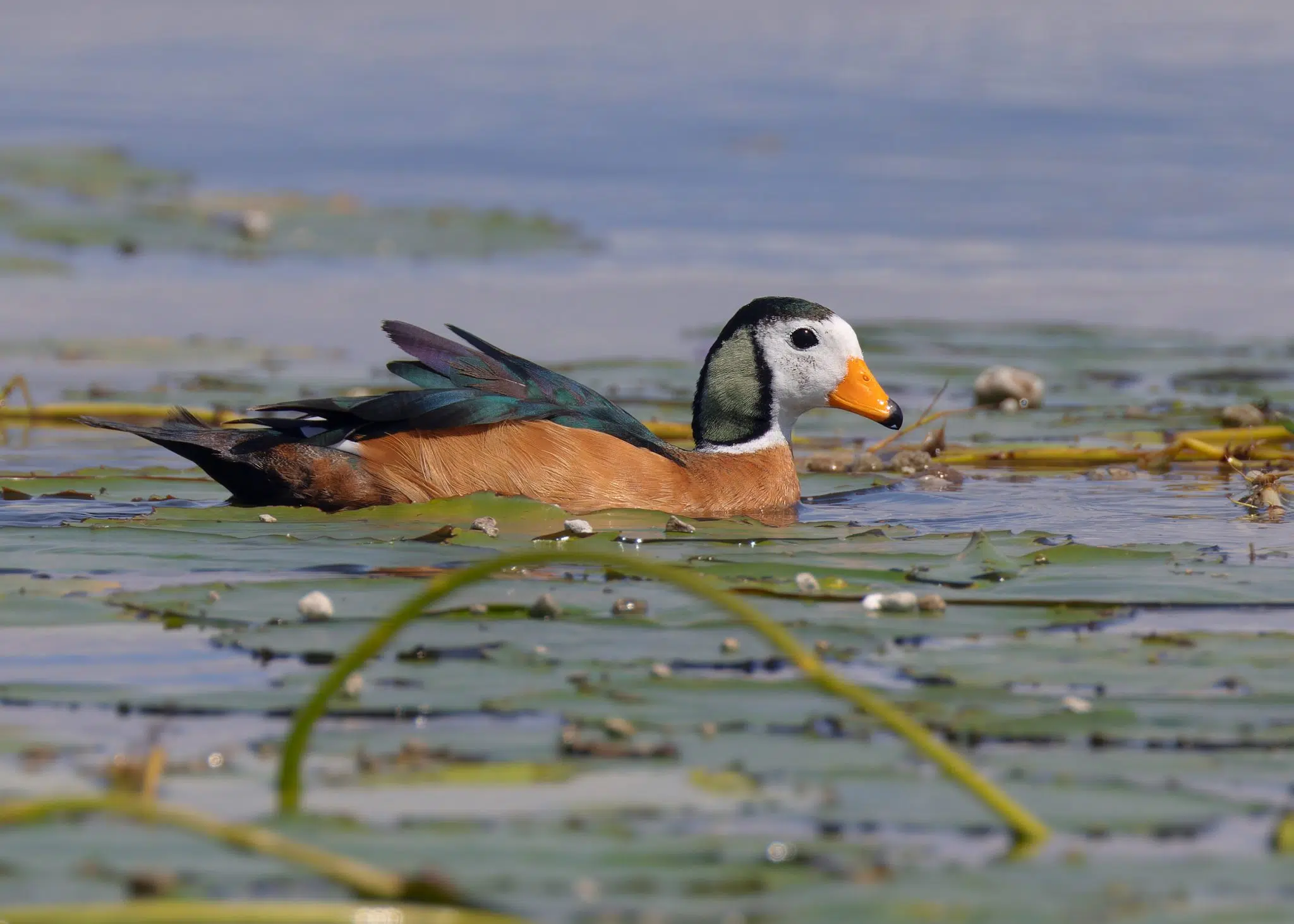
The lagoon boasts an impressive avian diversity, hosting species such as the elegant Black Heron (Egretta ardesiaca), the melodious Ring-necked Dove (Streptopelia capicola), the industrious Lesser Masked Weaver (Ploceus intermedius), the iconic African Jacana (Actophilornis africanus), and the diminutive African Pygmy-goose (Nettapus auritus). These species, whether migratory or resident, rely on Chia Lagoon for feeding, resting, and refuge. Its rich ecological productivity and its strategic location make it an irreplaceable link within the broader African-Eurasian Flyway network, a biological conduit connecting distant ecosystems.
Understanding Key Biodiversity Areas and Their Importance
The recognition of Chia Lagoon as a Key Biodiversity Area (KBA) is a significant milestone. KBAs are sites identified as critical for the global persistence of biodiversity, often containing significant populations of threatened species, unique ecosystems, or important ecological processes. The KBA designation provides a globally recognized framework for identifying and conserving the most important places for life on Earth. For Chia Lagoon, this status elevates its conservation priority, attracting greater attention and resources to protect its unique ecological values and the migratory birds that depend on it.
Pioneering Conservation Initiatives and Achievements

Under the ERF and Darwin Initiative projects, WESM has undertaken a series of groundbreaking initiatives to bolster the protection of Chia Lagoon and other critical sites in Malawi. A cornerstone of their work has been the first comprehensive biodiversity and ecological assessment of Chia Lagoon, a remarkable feat given that it is an unprotected wetland. This rigorous assessment, conducted over the past three years, has provided invaluable scientific data, laying a robust foundation for informed conservation strategies.
Regular waterbird monitoring, conducted diligently for over two years, has yielded tangible results. Since 2023, the team has witnessed a significant increase in bird records, escalating from an initial dataset of 68 species to over 110. This data is crucial for understanding population trends, identifying critical habitats, and evaluating the effectiveness of conservation interventions. Such long-term monitoring is vital for adaptive management, allowing conservationists to respond to ecological changes and threats effectively.
Beyond scientific assessments, WESM has actively engaged local communities, recognizing their indispensable role in conservation success. To combat uncontrolled hunting, 18 bird hunting clubs have been established. These clubs empower local communities to take ownership of wildlife management, setting hunting quotas, identifying target species, and enforcing sustainable hunting methods. This community-led approach not only safeguards bird populations but also fosters a sense of responsibility and stewardship among local residents. Twelve members from these clubs have received specialized training in continual monitoring, further enhancing local capacity for conservation and enabling them to raise awareness about the lagoon’s importance among their peers and stakeholders.
WESM’s influence extends beyond Chia Lagoon. The organization has also been instrumental in advocating for the protection of Mulanje Mountain, an iconic heritage site threatened by bauxite mining. By mobilizing local leaders, community groups like "Friends of Mulanje," and cultural associations such as Mulhakho wa Alomwe, WESM helped amplify local voices against the mining projects. This collective outcry proved incredibly effective, leading to miners being evacuated from the mountain by local communities and the district council, demonstrating the power of community advocacy in safeguarding critical natural heritage.
Furthermore, Lake Chilwa, another vital site for migratory birds, is a priority for WESM. The organization is currently developing a comprehensive site profile to identify threats, opportunities, and existing projects, aiming to establish a robust conservation plan. An active Bird Hunters Association, established in the area since 2008, continues to express its commitment to protecting birds, recognizing threats from poaching, climate change, and habitat degradation – a powerful indicator of changing attitudes and growing awareness.

The Interconnectedness of Flyways: A Global Ecological System
Blessings Chingagwe passionately articulates the profound significance of migratory flyways: "Migratory birds connect continents. A bird feeding at Chia Lagoon may have travelled thousands of kilometres from Europe or Asia. If just one important wetland along the flyway is lost or degraded, it can affect populations across multiple countries. Protecting wetlands in Malawi is part of protecting a global ecological system." This statement encapsulates the core philosophy of flyway conservation—a recognition that local actions have global consequences, and that the fate of a wetland in Malawi is inextricably linked to the health of ecosystems thousands of miles away.
The African-Eurasian Flyway is one of nine major flyways globally, facilitating the movement of billions of birds each year. Estimates suggest that over 200 species of migratory waterbirds use this flyway, with some populations experiencing significant declines due to habitat loss, climate change, and unsustainable human activities. The loss or degradation of critical stopover sites like Chia Lagoon can create "bottlenecks" along the flyway, severely impacting the survival rates of entire populations. Conservation efforts in Malawi, therefore, contribute directly to the global goal of preventing species extinction and maintaining ecological balance across multiple continents.
Navigating Challenges: From Fisheries to Invasive Species
Despite the successes, the work of conservationists like Chingagwe is fraught with challenges. A primary concern at Chia Lagoon is balancing the protection of the wetland with ensuring community benefits, particularly concerning fishing activities. While the project focuses on birds, fishing poses a significant threat to aquatic vegetation, which is crucial for many waterbird species. The opening of new docks and fishing in designated sanctuaries further exacerbates this issue, as bird sanctuaries often coincide with critical fish breeding grounds, creating direct conflicts of interest.

Another pressing threat is the proliferation of Invasive Alien Species (IAS), such as Azolla and Water Hyacinth. These invasive plants can rapidly cover water bodies, blocking sunlight, reducing oxygen levels, and outcompeting native vegetation, thereby degrading habitats for birds, fish, and other aquatic life. The removal of these invasive species presents a unique and dangerous challenge at Chia Lagoon due to the presence of crocodiles, which pose a direct threat to human safety. This complex issue highlights the multi-faceted nature of wetland conservation, where ecological restoration must consider both biodiversity and human well-being.
The Whiskered Tern: An Ambassador Without Boundaries
When asked to choose a single species to represent the African-Eurasian Flyway, Blessings Chingagwe points to the Whiskered Tern (Chlidonias hybrida). "With the tern being a long-range migratory bird, it is the best representation of global connectivity! Arriving in Malawi with the December rains, it reminds us that this small country, let alone a small wetland, is not isolated from the global community. If we are to protect the Whiskered Tern, we mean to protect every marsh, lake, river and wetland along its path. This is a perfect ambassador of the flyway because it knows no boundaries." The tern’s epic journey vividly illustrates the seamless ecological connections that bind continents and underscores the collective responsibility required for their survival.
Chingagwe also shares a heartwarming anecdote about the African Jacana, a resident bird known for its striking appearance and long toes, which allow it to walk across floating vegetation. The Luwi River, a section of Chia Lagoon, is affectionately known as "African Jacana Bedroom" due to the stunning displays of these birds. She recounts the joy of taking local community members, including a Traditional Authority, to this hidden gem, where they were "shocked that they have such a place in their area." This experience underscores the importance of connecting people with nature to foster appreciation and conservation ethic.
Another amusing yet insightful field experience involved the mysterious "Jane Tambala." During a survey, a local mentioned a bird by this name, which the team diligently recorded, only to realize later that Jane Tambala was a participant’s name, not a bird species. The mystery was eventually solved when an African Jacana was pointed out as "Jane Tambala," highlighting the rich and sometimes humorous nuances of local ecological knowledge and communication. Similarly, the common misconception among passers-by that the project is about "wild bird rearing" rather than conservation underscores the ongoing need for public awareness and education.

A Future of Optimism and Global Recognition
Despite the challenges, Blessings Chingagwe remains optimistic about the future of her work. "What makes me optimistic is that we now have solid scientific data for the first time, along with growing community awareness. When local stakeholders understand the value of their wetland, conservation becomes a shared responsibility, and that gives real hope for long-term protection." This sentiment reflects a fundamental truth in conservation: sustained success hinges on the active participation and ownership of local communities.
The tangible impact of WESM’s efforts is already being felt at the institutional level. The District Council, recognizing the invaluable insights gleaned from the project, has initiated discussions about developing a comprehensive management plan for the entire wetland ecosystem. Furthermore, the Department of National Parks and Wildlife, which serves as the focal point for the Convention on the Conservation of Migratory Species (CMS), has requested WESM to consider proposing Chia Lagoon as a RAMSAR site.
RAMSAR sites are wetlands of international importance designated under the Ramsar Convention, an intergovernmental treaty that provides the framework for national action and international cooperation for the conservation and wise use of wetlands and their resources. Such a designation would confer international recognition and protection upon Chia Lagoon, further elevating its status and securing its long-term future. This potential designation is a testament to the scientific rigor, community engagement, and dedicated efforts of WESM and its partners, promising a brighter future for the countless birds that depend on this vital Malawian wetland.
The collaborative spirit, scientific dedication, and profound community engagement demonstrated by Blessings Chingagwe and the WESM team in Malawi serve as a powerful beacon of hope for flyway conservation. Their work at Chia Lagoon not only protects a critical stopover for migratory birds but also exemplifies how local actions, when integrated into a global conservation framework, can yield significant and lasting impacts on biodiversity across continents. The call of the Whiskered Tern, soaring across boundaries, resonates as a constant reminder of our shared responsibility to protect these global ecological systems for generations to come.
