
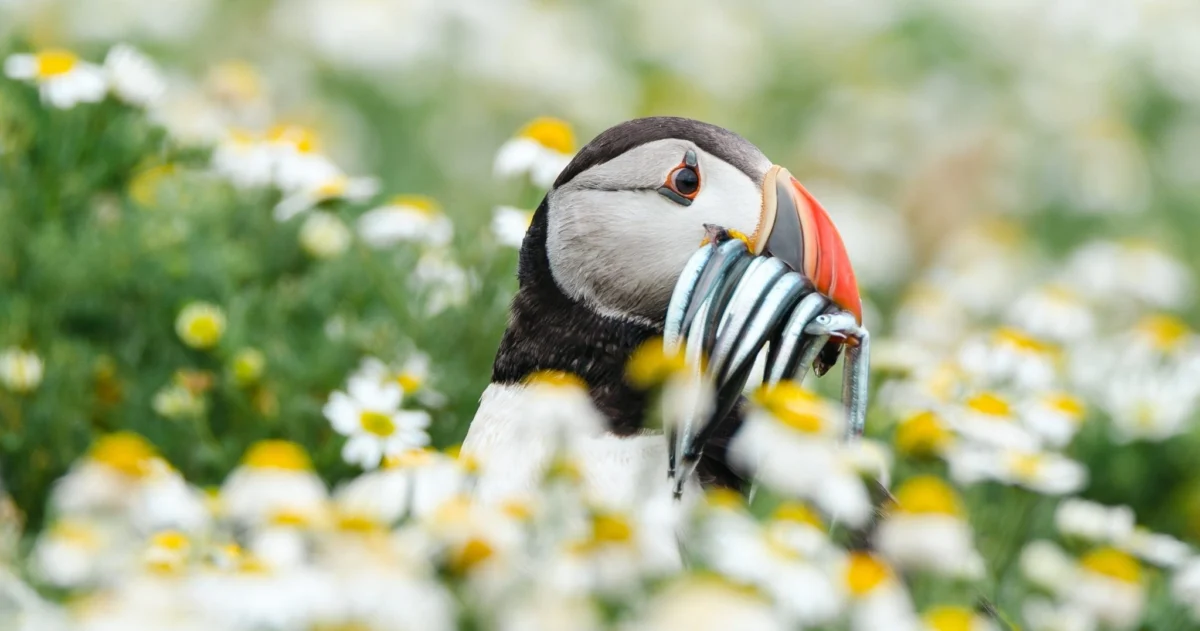
The iconic Atlantic Puffin ( Fratercula arctica ), a species renowned for its distinctive brightly coloured beak and endearing calls, is facing one of its most severe challenges in recent memory. These charismatic seabirds, often dubbed the "clowns of the sea," are among the most recognisable avian inhabitants of Europe’s northern seas. While their annual return to land between April and August marks a vibrant period for northern European coastlines, the journey back this spring has been marred by a devastating environmental crisis: an unprecedented mass mortality event, or "seabird wreck," that has claimed tens of thousands of lives across the Atlantic seaboard.
A Winter of Unprecedented Loss
As the harsh grip of winter began to recede, scientists and conservationists were confronted with a grim reality. Reports began to flood in from Spain, Portugal, and France, detailing the discovery of over 38,000 seabirds washed ashore, dead or dying. The United Kingdom, a stronghold for Atlantic Puffin populations, also witnessed its share of the tragedy, with hundreds of dead Puffins found along the shores of Cornwall alone. This figure stands in stark contrast to previous years, where finding even a handful of deceased Puffins was unusual. For instance, only two dead Puffins were reported in the same region the previous year, highlighting the extraordinary scale of this winter’s devastation. The sheer volume of casualties has transformed what should be a time of anticipation for the breeding season into a scene of profound ecological concern.
Atlantic Puffins are pelagic birds, spending the vast majority of their lives, sometimes up to eight months without touching land, far out at sea. Their remarkable adaptations allow them to thrive in the open ocean, diving with incredible agility to hunt small fish like sand eels, herring, and sprats. However, their survival hinges on clear waters and good visibility to spot their prey. The winter of 2023-2024 brought a succession of exceptionally severe storms across the North Atlantic. These relentless weather systems churned the seas, making foraging an almost impossible task. For birds already weakened by long months at sea and the strenuous migration back to breeding grounds, the inability to find food proved fatal. Exhaustion and starvation became widespread, leading to the mass casualties witnessed along the coastlines.
Understanding the Seabird Wreck Phenomenon
A "seabird wreck" is a recognised natural phenomenon characterised by the large-scale stranding of dead or dying seabirds on beaches. These events typically occur after prolonged periods of severe weather, such as intense winter storms, which can exhaust and starve birds that spend their non-breeding season far offshore. While natural, the increasing frequency and intensity of these wrecks are a growing concern for conservationists.
This past winter’s event has been identified as the largest seabird wreck in Europe in a decade. The geographical spread of reported casualties, stretching across thousands of miles of coastline from the Iberian Peninsula to the British Isles, underscores the magnitude of the crisis. While the current reported figures are alarming, it is widely acknowledged by experts that the true death toll is likely far higher. The vast majority of birds that succumb at sea never wash ashore, their bodies lost to the ocean currents, making precise quantification of losses incredibly challenging.
The most significant previous wreck in recent memory occurred during the winter of 2013-2014, when an estimated 54,000 seabirds were reported dead across European Atlantic coastlines. In that event, as in the current one, Atlantic Puffins were among the most severely affected species, highlighting their particular vulnerability to extreme weather conditions and food scarcity. The recurrence of such large-scale mortality events within a decade raises serious questions about the long-term resilience of seabird populations already under stress.
The Role of Climate Change and Cumulative Threats
While seabird wrecks have historical precedents, the scientific community is increasingly linking their growing intensity and frequency to the overarching effects of climate change. Warmer ocean temperatures contribute to more energetic weather systems, leading to more powerful and persistent storms. As these extreme weather patterns become more commonplace, they push seabird populations beyond their natural coping mechanisms. Changes in ocean currents and marine ecosystems, driven by rising temperatures, can also impact the distribution and availability of vital prey species, further compounding the challenges faced by birds like the Atlantic Puffin.
Antonio Vulcano, Senior Marine Conservation Officer at BirdLife Europe and Central Asia, articulated the gravity of the situation: "In Europe, threats to seabirds are worsening every year. At the same time, seabird populations in the region are declining, and recovery can take a long time. Puffins, an iconic species of the northern seas, are no exception. Stormy weather in the Atlantic during this winter has caused huge numbers of Puffins and other seabirds to wash up dead on Spanish, Portuguese, French, and UK shores."
Vulcano further elaborated on the multifaceted pressures confronting seabirds, stating, "This adds to an already long list of threats, such as food shortages due to overfishing, bycatch in fishing gears, predation at breeding colonies by invasive alien species, and poorly planned offshore wind developments. It is crucial to focus on the cumulative effects of these several threats on seabird populations. Only by addressing the full range of threats can we help them to bounce back, by reducing pressures before it is too late."
The cumulative impact of these stressors is indeed profound. Overfishing depletes the very fish stocks that Puffins and other seabirds rely upon for survival, particularly during critical breeding periods. Bycatch, the accidental capture of non-target species in fishing gear, remains a significant cause of mortality for many seabird species, including Puffins, which can become entangled in nets or hooked on lines. At their breeding colonies, invasive alien species like rats or stoats can decimate chick and egg populations, particularly on islands where seabirds have evolved without ground predators. Furthermore, while offshore wind energy is vital for renewable energy goals, its development must be carefully planned and sited to minimise collision risks for birds and avoid disrupting crucial foraging grounds or migration pathways. The combination of these persistent threats, exacerbated by the intensifying effects of climate change, creates a perilous environment for seabird populations already struggling to maintain their numbers.
Implications for the Breeding Season and Long-Term Survival
The scale of this winter’s losses is anticipated to have dramatic and immediate consequences for the upcoming breeding season. For many seabird species, including Puffins, breeding success is heavily dependent on the health and survival of mature adults. A significant reduction in the number of returning breeding pairs is now expected at some of Europe’s most important seabird colonies. Renowned sites such as Bempton Cliffs, Skomer Island, the Farne Islands, the Isle of May, and St. Kilda – places that annually welcome thousands of Puffins and other seabirds – are likely to see diminished numbers.
This reduction in breeding adults could lead to lower reproductive rates, further exacerbating the existing decline in European seabird populations. Puffin populations are long-lived, and a single breeding pair typically raises only one chick per year. Therefore, the loss of mature, experienced breeders represents a significant blow that can take many years, if not decades, to recover from, even under optimal conditions. The demographic structure of these populations could be severely impacted, with fewer young birds entering the breeding pool in future years. The long-term genetic diversity of isolated colonies could also be at risk if the losses are concentrated within specific populations.
The fragility of life at sea has been starkly revealed by this tragic event. European seabird populations are already in a state of crisis, with numerous species listed as vulnerable or endangered. The pressures from human activities, coupled with a rapidly changing climate, are pushing these birds to their limits. Protecting them has become not just a matter of ecological responsibility but a crucial component of maintaining the health and biodiversity of marine ecosystems. Seabirds play a vital role as indicators of ocean health; their decline signals broader environmental degradation that ultimately affects all marine life and, by extension, human well-being.
Pathways to Resilience: Conservation and Collective Action
Despite the bleak outlook, the situation is not without hope. Across the affected regions, dedicated local shelters, wildlife hospitals, and environmental organisations, such as the Wildlife Trust in the UK, have been working tirelessly. These groups have been instrumental in rescuing and rehabilitating any seabirds found alive, providing critical care for exhausted and starved individuals. Their efforts, though facing overwhelming numbers, underscore the commitment to mitigating the immediate impacts of such disasters.
As Atlantic Puffins navigate their return to their nesting cliffs this spring, the months ahead will be shaped by a complex interplay of environmental factors and human decisions. The weather will undoubtedly continue to play a role, but equally critical are the choices humanity makes on land and at sea. Strengthening the protection of marine ecosystems through the expansion and effective management of Marine Protected Areas (MPAs) is paramount. These areas can provide safe havens for foraging and breeding, allowing marine life to recover from pressures.
Implementing and enforcing sustainable fishing practices is another cornerstone of effective seabird conservation. This includes reducing bycatch through improved fishing gear and techniques, as well as establishing fishing quotas that ensure the long-term viability of fish stocks, thereby securing a reliable food source for seabirds. Furthermore, future offshore development, particularly in the burgeoning wind energy sector, must be meticulously planned and sited to minimise negative impacts on seabird populations and their habitats. This requires robust environmental impact assessments, strategic spatial planning, and ongoing monitoring to ensure coexistence.
The winter’s seabird wreck serves as a potent and painful reminder of the profound dependence these magnificent birds have on healthy, resilient marine environments. It is a clarion call for intensified conservation efforts and a more holistic approach to marine management. The future of Europe’s beloved Atlantic Puffins, and indeed countless other seabird species, hinges on collective action – a commitment to reducing pressures, mitigating climate change, and fostering a healthier ocean. Only by making informed choices and taking decisive action can humanity ensure that these iconic birds continue to grace our coastlines for generations to come.
