
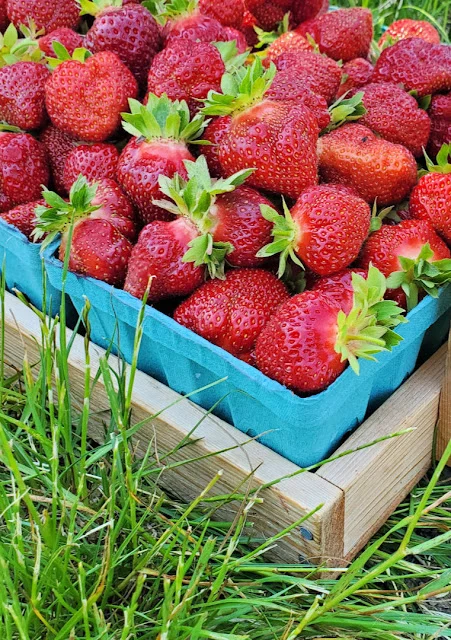
The consumption of strawberries by domestic poultry has emerged as a significant topic of interest among backyard chicken keepers and avian nutritionists, highlighting a broader trend toward diversified, natural supplementation in small-scale agriculture. While commercial poultry feed remains the foundational source of balanced nutrition, the inclusion of fruits like strawberries provides essential micronutrients, antioxidants, and hydration that contribute to the overall well-being of the flock. Experts in avian health confirm that strawberries are not only safe for chickens but offer a dense profile of vitamins and minerals, provided they are administered within a structured dietary framework.
The Evolution of Poultry Nutrition and Supplementation
The practice of feeding fruits and vegetables to chickens is rooted in the historical behavior of the species. Red junglefowl, the wild ancestors of the modern chicken, are omnivorous foragers whose diets naturally include fallen fruits, seeds, insects, and vegetation. As poultry became industrialized in the 20th century, the focus shifted toward highly standardized, grain-based commercial mashes designed for maximum growth and egg production. However, the 21st-century resurgence of backyard homesteading has seen a return to more varied diets.
Modern poultry management now emphasizes "enrichment"—the practice of providing environmental and dietary variety to reduce stress and improve health outcomes. Strawberries have become a preferred choice for enrichment due to their palatability and the minimal preparation required. Unlike some other supplemental foods, the entire strawberry plant, including the fruit, the calyx (green cap), and the leaves, is non-toxic to Gallus gallus domesticus.

Comprehensive Nutritional Profile of Strawberries
Strawberries (Fragaria × ananassa) are characterized by a high water content and a robust array of bioactive compounds. From a nutritional standpoint, they serve as more than just a caloric treat; they are a source of specialized nutrients that support various physiological functions in birds.
Vitamin C and Stress Mitigation
Strawberries are notably high in Vitamin C (ascorbic acid). While chickens are capable of synthesizing their own Vitamin C in the liver, supplemental intake becomes vital during periods of physiological stress. Heat stress, in particular, is a major concern for poultry farmers during summer months. High ambient temperatures can lead to oxidative stress and a decline in eggshell quality. Supplemental Vitamin C from fresh fruits helps stabilize the bird’s internal temperature and supports the immune system during these challenging periods.
Bone Health and Blood Coagulation
The presence of Vitamin K in strawberries plays a critical role in avian health. Vitamin K is essential for the synthesis of proteins involved in blood clotting and bone metabolism. In laying hens, which require significant calcium mobilization for eggshell production, the synergy between Vitamin K and minerals is essential for maintaining skeletal integrity.
Antioxidant Properties
The vibrant red color of strawberries is derived from anthocyanins, a type of flavonoid with potent antioxidant properties. These compounds help neutralize free radicals within the bird’s body, potentially reducing inflammation and protecting cellular health. Furthermore, strawberries contain manganese, a trace mineral necessary for bone development and the production of enzymes involved in nutrient metabolism.

The Role of Strawberry Byproducts in Digestive Health
A unique aspect of the strawberry as a poultry supplement is the utility of its "waste" products. The strawberry top, consisting of the green leafy cap and a small portion of the stem, is frequently discarded in human kitchens but holds specific benefits for chickens. These green components contain iron and tannins.
In an avian context, tannins can act as a mild digestive aid. While excessive tannins in some feedstocks can be anti-nutritional, the levels found in strawberry caps are generally considered beneficial for gut health. Furthermore, the fiber content in the fruit and its leaves aids in the movement of food through the digestive tract, supporting the functionality of the gizzard and intestines.
Chronology of Dietary Integration: From Brooding to Maturity
The introduction of treats like strawberries typically follows a specific timeline in a chicken’s life cycle to ensure digestive safety.
- The Brooder Phase (0-4 Weeks): During the first month, chicks are strictly fed high-protein starter crumbles. Their digestive systems are too fragile for high-sugar fruits.
- Introduction of Grit (4-8 Weeks): Before any fruit or vegetable can be introduced, young birds must have access to poultry grit (small stones). Since chickens do not have teeth, grit is stored in the gizzard to grind down fibrous materials like strawberry skins and leaves.
- Controlled Introduction (8-16 Weeks): Strawberries may be introduced in small, minced quantities to pullets. This allows the gut flora to adapt to new sugars.
- Adult Maintenance (16+ Weeks): Mature hens can consume whole strawberries as part of their regular supplemental rotation.
Supporting Data: The 10 Percent Rule
Veterinary experts and agricultural extensions, such as those at the University of California, Davis, emphasize the "90/10 Rule" for poultry nutrition. This guideline dictates that at least 90% of a chicken’s daily intake must come from a professionally formulated complete feed. This feed is scientifically balanced to provide the exact ratios of protein, fats, and minerals required for health.

The remaining 10% can consist of treats, including strawberries. For an average-sized hen, this equates to approximately one to two tablespoons of supplemental food per day. Exceeding this limit can lead to "protein dilution," where the bird fills up on low-protein fruit and fails to consume enough of the amino acids necessary for feather growth and egg production.
Potential Risks and Mitigation Strategies
While strawberries are beneficial, their integration is not without risks. Objective analysis identifies three primary areas of concern: sugar content, pesticide residue, and hygiene.
Osmotic Diarrhea
Strawberries contain fructose, a natural fruit sugar. When consumed in excess, these sugars can cause an osmotic imbalance in the intestines, drawing water into the gut and resulting in diarrhea. This not only causes discomfort for the bird but can lead to soiled bedding and increased ammonia levels in the coop, which poses a respiratory risk to the flock.
Pesticide Accumulation
Strawberries consistently rank high on the "Dirty Dozen" list—a report by the Environmental Working Group (EWG) identifying produce with the highest pesticide residues. Chickens, due to their small body mass, are particularly sensitive to chemical toxins. To mitigate this, experts recommend washing store-bought berries thoroughly or, ideally, sourcing organic produce. Many backyard keepers choose to grow their own berries, ensuring a chemical-free supply for both human and avian consumption.

Mycotoxins and Mold
The high moisture and sugar content of strawberries make them highly susceptible to mold. Feeding moldy or rotting fruit to chickens can lead to mycotoxin poisoning or respiratory fungal infections like Aspergillosis. It is a standard industry recommendation that any fruit not consumed by the flock within 30 minutes should be removed from the run to prevent spoilage and the attraction of pests like rodents and wasps.
Broader Impact on Sustainable Agriculture
The practice of feeding strawberry tops and surplus fruit to chickens contributes to a "circular food system" within residential and small-farm environments. By upcycling kitchen scraps that would otherwise end up in landfills, poultry owners reduce methane emissions associated with decomposing organic waste.
Furthermore, the nutrients consumed by the chickens are eventually returned to the soil through their manure. Strawberry-enriched diets contribute to a nutrient-dense waste product that, once composted, serves as a high-nitrogen fertilizer for gardens, potentially closing the loop by fertilizing the next season’s strawberry crop.
Implications for Animal Welfare
The psychological impact of providing fresh fruit like strawberries cannot be overlooked. Chickens are highly intelligent animals that require mental stimulation. "Treat-seeking" behavior is a form of cognitive engagement. Dropping a handful of strawberries into a run encourages natural foraging behaviors, reduces boredom-induced feather pecking among flock mates, and fosters a positive bond between the caretaker and the animals.

In conclusion, the inclusion of strawberries in a poultry diet is a scientifically sound practice that mirrors the omnivorous nature of the species. When managed with an understanding of the 90/10 nutritional rule and a focus on produce hygiene, strawberries serve as a potent tool for enhancing avian health, supporting immune function during heat stress, and promoting a sustainable, enriched living environment for backyard flocks. As the trend toward natural poultry keeping continues to grow, the strawberry remains a benchmark for safe, effective, and nutritionally dense supplementation.
