
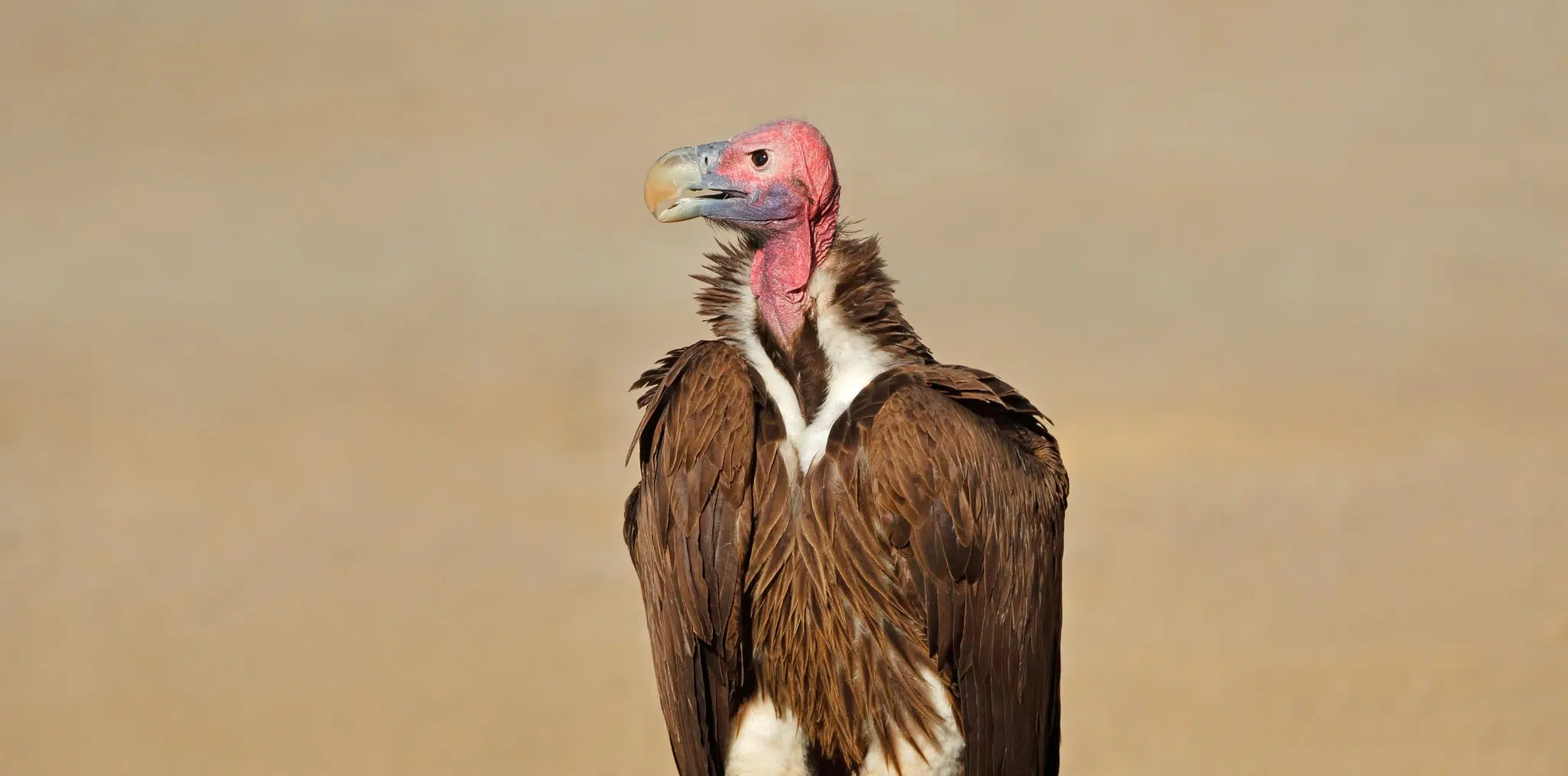
The majestic, yet often misunderstood, vultures of southern Africa are critical to the region’s ecological health, providing invaluable ecosystem services estimated at US$1.8 billion annually. At the forefront of efforts to protect these scavengers is Lovelater Sebele, Senior Vulture Conservation Officer at BirdLife International, based in Zimbabwe. Her work champions an inclusive approach to conservation, one that deeply integrates local communities, traditional knowledge, and addresses systemic biases, recognizing that effective environmental stewardship must be as diverse and interconnected as the natural world it seeks to preserve.
The Indispensable Role of Vultures in African Ecosystems

Vultures, often perceived negatively due to their appearance and feeding habits, are nature’s most efficient clean-up crew. Their role in rapidly consuming carrion prevents the spread of diseases such as anthrax, rabies, and botulism, which can devastate livestock and human populations. Without them, carcasses would decompose slowly, creating breeding grounds for disease vectors like flies and rats, and leading to increased costs for veterinary services, waste management, and public health. This vital service is why their ecological contributions in southern Africa alone are quantified at a staggering US$1.8 billion each year, a figure that underscores their profound economic and public health importance.
Despite their essential role, many vulture species across Africa face an acute crisis. The Lappet-faced Vulture (Torgos tracheliotos), Cape Vulture (Gyps coprotheres), White-backed Vulture (Gyps africanus), and Hooded Vulture (Necrosyrtes monachus), among others, are all listed by the IUCN as Endangered or Critically Endangered. Their populations have plummeted dramatically over recent decades, driven by a complex array of threats that include accidental and intentional poisoning, habitat loss, collisions with power lines, and the belief-based use of their body parts in traditional medicine. Lovelater Sebele candidly notes the public’s initial skepticism: “First of all,” she says, “they are not good-looking birds. They are big with bald heads. They spend a lot of time on smelly carcasses. So people do wonder why you would actually want to work with vultures!” This perception challenge highlights the need for comprehensive education and engagement.
Bridging Traditional Knowledge and Modern Conservation

In Africa, the relationship between people and nature is deeply interwoven with cultural heritage. Many communities hold longstanding connections to wildlife, expressed through totems and traditional narratives that often feature animals and birds. These cultural ties, though sometimes complex, offer a unique pathway for conservation. Birds, for instance, have historically served as crucial indicators for African communities, signaling changes in seasons, impending rains, or dry spells, directly impacting livelihoods reliant on agriculture and pastoralism. Other species are linked to beliefs, sometimes leading to persecution but often to respectful coexistence.
Lovelater Sebele’s work specifically delves into the complex issue of "belief-based use" of vultures, a practice where vulture parts are utilized in traditional African spiritual and physical healing. This practice, while culturally significant, has unfortunately become a significant driver of poaching and illegal trade, exacerbating the decline of already vulnerable populations. The understanding behind some of these practices, Lovelater explains, stems from generations of keen observation. For example, the belief that vultures dream of where carcasses will be found, leading to the use of their heads in spiritual practices, reflects an ancient recognition of the birds’ remarkable ability to locate food over vast distances – an observation now scientifically understood as their incredible eyesight and soaring capabilities.
Initially, conservation efforts often adopted a confrontational stance, aiming for the "complete eradication" of such practices. However, this approach proved ineffective, merely driving traditional medicine underground and obscuring the true scale of the problem. Lovelater and BirdLife International have learned that such culturally ingrained practices cannot be simply "forced down their throats." Instead, a more nuanced, respectful, and collaborative strategy is essential. This involves engaging directly with traditional healers and custodians of culture, fostering dialogue, and exploring sustainable alternatives. The goal is not to abolish traditional medicine but to identify materials that can fulfill similar cultural and spiritual roles without endangering wildlife.

The Power of Community Engagement and Local Solutions
The shift towards inclusive conservation acknowledges that local communities are not just stakeholders but active partners in protecting their natural heritage. Lovelater highlights the practical contributions of communities, such as identifying and removing threats from their landscapes, and mapping nesting sites to provide crucial data for monitoring and protection. This local knowledge often uncovers insights that scientific research alone might miss. For instance, Lovelater learned from local communities that vultures are invaluable to livestock owners. The sight of soaring vultures can save pastoralists days of searching for lost livestock, indicating an animal’s demise and preventing wasted effort. This tangible benefit creates a direct incentive for communities to protect vultures.
BirdLife International’s strategy, implemented through its network of local partners across southern Africa, emphasizes building common ground. Both conservationists and communities share a fundamental desire to see vultures survive – for their intrinsic value, their ecological services, and for the perpetuation of traditional culture. This shared objective fuels collaborative initiatives, leading to tangible progress. Lovelater notes a positive development: a greater awareness within communities of the criminal offense of killing and harvesting vultures. This has resulted in increased reporting of suspicious activities, a significant improvement from a time when poaching of birds was often overlooked in favor of more prominent cases like elephant ivory. This local-level engagement, she affirms, is making "inroads."

Addressing Systemic Biases in Conservation
Beyond the specific challenges of vulture conservation, Lovelater Sebele also raises critical concerns about systemic biases within the broader conservation movement itself, particularly concerning gender and race. While she acknowledges personal support, she points to larger, systemic issues that often disadvantage women and people from diverse ethnic backgrounds. Conservation strategies, she argues, are too frequently developed as "universal" solutions, without adequate consideration for the unique beliefs, social structures, and ways of life prevalent in different regions, especially in Africa.
This "one-size-fits-all" approach, often rooted in historical colonial perspectives that demonized traditional African religions and practices in favor of Western ideologies, fails to resonate with or effectively address the realities on the ground. The legacy of such approaches makes it difficult even today to accurately gauge the true prevalence of traditional medicine use, with associations in countries like Zimbabwe boasting tens of thousands of members, each with their own client base.

Lovelater’s perspective is clear: “Conservation is not just the plants and animals in the space; it has a social and cultural aspect to it. As conservationists, we need to be open to these dimensions.” This means moving beyond prescriptive, top-down directives and embracing a collaborative, bottom-up model that respects and integrates diverse worldviews. It requires acknowledging the richness of indigenous ecological knowledge and the value of cultural practices, even while working to mitigate their negative impacts on threatened species.
BirdLife International’s "Mixed Flock" Philosophy
BirdLife International’s “Mixed Flock” series, of which Lovelater Sebele’s interview is a part, celebrates the diversity of individuals and perspectives that strengthen the global conservation partnership. This philosophy reflects a commitment to inclusivity, recognizing that varied characters, ways of working, and cultural backgrounds contribute to a more robust and effective whole. Just as a mixed flock of birds benefits from the unique feeding strategies and vigilance of its different species, the conservation movement gains strength from the diverse voices and expertise of its members worldwide.

Lovelater’s work embodies this principle, demonstrating that by bringing together scientific knowledge with traditional wisdom, and by empowering local communities, significant strides can be made. She emphasizes the profound responsibility she feels: “I’m standing in for the voiceless, for organisms that have every right to be here but unfortunately cannot speak for themselves.” Her hope for the future lies in the growing interest in conservation among people, particularly in Africa, as each new voice adds invaluable perspective and volume to the global chorus advocating for nature.
The implications of Lovelater Sebele’s work extend far beyond vulture conservation. It serves as a powerful testament to the idea that sustainable conservation is inherently social, cultural, and inclusive. By recognizing the intricate connections between human well-being and ecosystem health, by valuing diverse forms of knowledge, and by actively engaging marginalized groups, the conservation movement can forge more resilient and equitable pathways towards a future where both people and wildlife thrive. This inclusive model offers a blueprint for addressing complex environmental challenges globally, proving that the collective power of a truly "mixed flock" is indeed stronger than the sum of its individual parts.
