
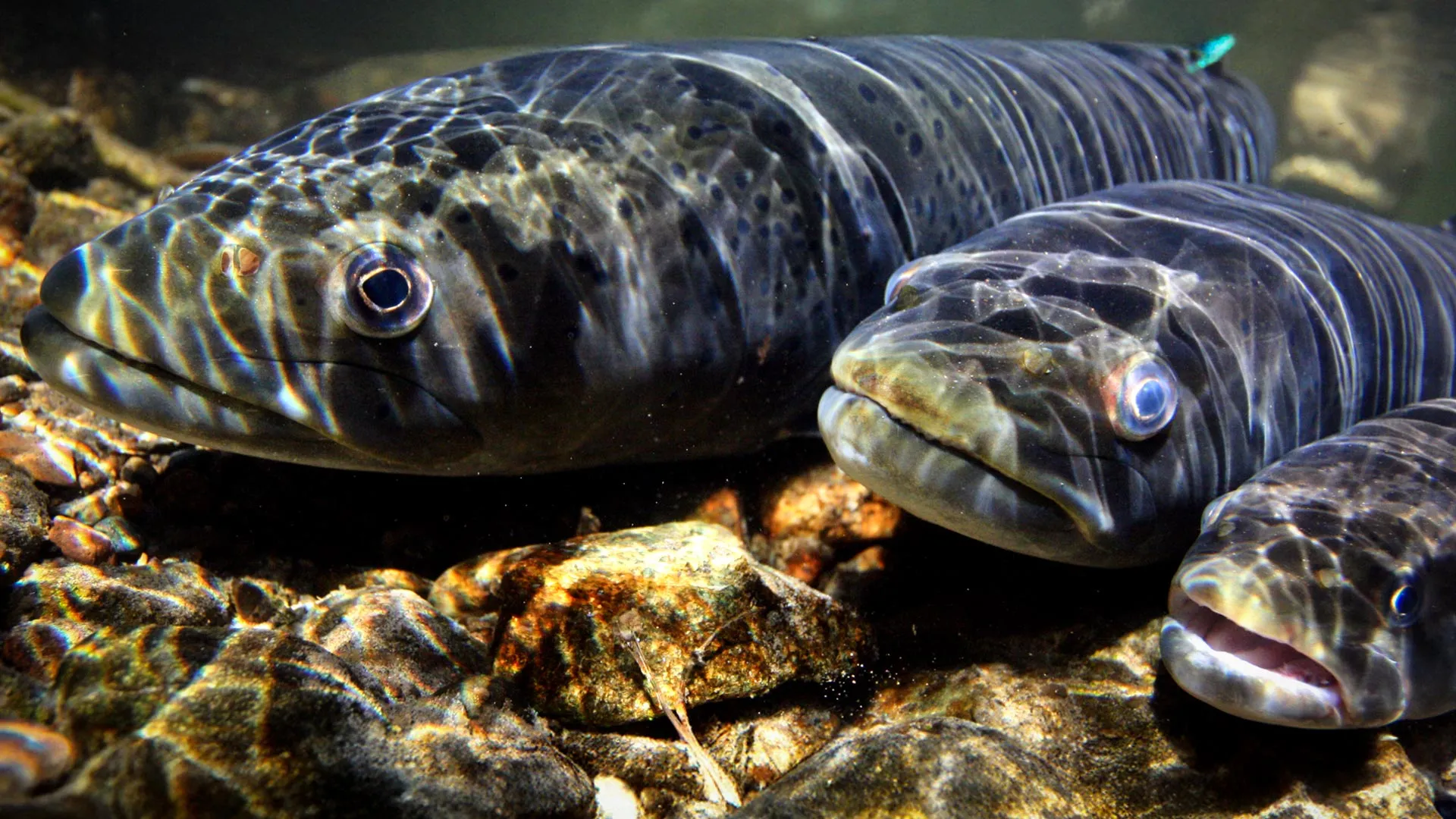
Some of the longest and most essential animal migrations on Earth take place beneath the surface of rivers, a hidden world of critical ecological processes that is now facing an unprecedented crisis. A major new report from the Convention on the Conservation of Migratory Species of Wild Animals (CMS), a United Nations environmental treaty, issues a stark warning: many of these vital migrations are now rapidly breaking down, signaling a largely overlooked global biodiversity emergency with profound implications for human populations and the planet’s health.
The "Global Assessment of Migratory Freshwater Fishes," officially unveiled at the CMS 15th Meeting of the Conference of the Parties (COP15) hosted in Brazil, paints a grim picture. It identifies migratory freshwater fish as among the most imperiled species worldwide, facing pressures that have driven their populations into catastrophic decline. These aquatic voyagers are not merely ecological curiosities; they are foundational to the health and resilience of riverine ecosystems, the lifeblood of major inland fisheries, and an indispensable source of food and livelihoods for hundreds of millions of people across the globe. The assessment serves as a powerful call to action, urging immediate and coordinated international intervention to avert irreversible losses.
The Silent Collapse of a Vital Resource
The report’s most alarming finding reveals an estimated 81% decline in migratory freshwater fish populations globally since 1970. This staggering figure underscores the speed and scale of the crisis, indicating a systemic failure in the management and protection of freshwater environments. Furthermore, nearly all—a shocking 97%—of the 58 migratory fish species (encompassing both freshwater and saltwater species) currently listed under CMS Appendices are now classified as threatened with extinction. This stark reality points to a pervasive and accelerating collapse that extends beyond individual species to entire ecological communities and the crucial services they provide.
The assessment meticulously highlights hundreds of migratory fish species that are in dire need of coordinated international action. It provides compelling evidence that species relying on connected river systems, often traversing multiple national borders, are experiencing rapid declines. These declines are primarily attributed to a confluence of anthropogenic factors, including rampant dam construction, pervasive habitat fragmentation, escalating pollution loads, unsustainable overfishing practices, and climate-related ecosystem changes that alter fundamental environmental conditions. In total, 325 distinct migratory freshwater fish species have been identified as prime candidates for international conservation efforts, a number that drastically expands upon the 24 species already afforded protection under the Convention’s Appendices I (requiring strict protection) and II (necessitating international cooperation). This substantial increase points to a biodiversity crisis that has largely flown under the radar of global attention.
The geographical spread of these vulnerable species is immense, affecting every major continent. Key river systems identified as urgent priorities for conservation include the vast Amazon and La Plata-Paraná basins in South America, the iconic Danube in Europe, Asia’s life-giving Mekong, the historic Nile in Africa, and the densely populated Ganges-Brahmaputra in the Indian sub-continent. These waterways, often referred to as "arteries of the Earth," are now threatened by blockages and degradation, jeopardizing the very migrations that define their ecological character.
Understanding the Convention on Migratory Species (CMS) and COP15
The Convention on the Conservation of Migratory Species of Wild Animals (CMS), often known as the Bonn Convention, is an environmental treaty under the aegis of the United Nations Environment Programme (UNEP). Established in 1979 and entering into force in 1983, its primary objective is to conserve migratory species and their habitats globally. CMS provides a legal framework for international cooperation, enabling signatory nations to coordinate conservation measures across the entire migratory range of species that cross national boundaries. Its appendices classify species based on their conservation status: Appendix I lists endangered migratory species for which strict protection is mandated, while Appendix II includes migratory species that have an unfavorable conservation status and require international agreements for their conservation and management.
The 15th Meeting of the Conference of the Parties (COP15) is a pivotal event where signatory nations gather to review the Convention’s implementation, assess the conservation status of migratory species, and make decisions to strengthen their protection. Hosting COP15 in Brazil, a nation with unparalleled biodiversity and home to the Amazon, the world’s largest river system, provides a critically important backdrop for the release of the "Global Assessment of Migratory Freshwater Fishes." This setting underscores the urgent need for action in a region that is both a stronghold for freshwater biodiversity and increasingly vulnerable to developmental pressures. The timing of this report also aligns with a broader global push for biodiversity conservation, following the adoption of the Kunming-Montreal Global Biodiversity Framework in late 2022, which set ambitious targets for protecting and restoring nature. The CMS assessment thus offers crucial insights and calls for action directly relevant to achieving these global biodiversity goals.
Anatomy of a Decline: Threats to Migratory Freshwater Fish
The catastrophic decline of migratory freshwater fish populations is not attributable to a single factor but rather a complex interplay of human-induced pressures. At the forefront of these threats is dam construction. Dams, built for hydropower, irrigation, and flood control, act as impassable barriers, severing the essential migratory pathways that connect spawning grounds, feeding areas, and floodplain nurseries. Even dams equipped with fish ladders often prove ineffective for many species, particularly those adapted to long-distance migrations and specific hydrological cues. Beyond physical obstruction, dams alter natural flow regimes, change water temperatures, block sediment transport, and transform dynamic river ecosystems into static reservoirs, fundamentally changing the habitats these fish depend on.
Habitat fragmentation, closely linked to damming but also resulting from other infrastructure development like roads and canals, further exacerbates the problem. When continuous river systems are broken into isolated segments, genetic exchange is hindered, populations become smaller and more vulnerable, and the overall resilience of the species is severely compromised.
Pollution represents another pervasive threat. Rivers, unfortunately, often serve as conduits for agricultural runoff laden with pesticides and fertilizers, industrial effluents containing heavy metals and toxic chemicals, and untreated sewage from urban centers. These pollutants degrade water quality, directly poison fish, disrupt their reproductive cycles, and destroy the aquatic invertebrates and plants that form the base of their food web. Microplastic pollution, an emerging global concern, also accumulates in freshwater environments, posing ingestion risks and physiological stress to fish.
Overfishing remains a significant pressure, particularly for economically important migratory species. While these fish support vital inland fisheries, unregulated or poorly managed fishing practices, often driven by increasing demand and poverty, can rapidly deplete stocks. Destructive fishing methods, such as the use of dynamite, poisons, or fine-mesh nets, compound the problem by indiscriminately catching fish of all sizes, including juveniles, and damaging habitats.
Finally, climate-related ecosystem changes are increasingly impacting migratory freshwater fish. Altered precipitation patterns lead to more frequent and severe floods or droughts, disrupting hydrological cycles crucial for migration cues and spawning. Rising water temperatures can stress fish, reduce oxygen levels, and alter the distribution of prey species. Extreme weather events can directly destroy habitats and further fragment river systems. These climate impacts often interact synergistically with other threats, weakening fish populations and making them less resilient to environmental perturbations. The cumulative effect of these anthropogenic activities has pushed many migratory freshwater fish species to the brink, threatening the very fabric of freshwater biodiversity.
Global Hotspots and Urgent Calls for Action
The CMS report identifies several critical river systems worldwide that serve as last strongholds for migratory freshwater fish, yet are simultaneously under intense pressure. These include South America’s immense Amazon and La Plata-Paraná basins, Europe’s biologically rich Danube, Asia’s life-sustaining Mekong, Africa’s iconic Nile, and the densely populated Ganges-Brahmaputra in the Indian subcontinent. The fate of hundreds of species, and the millions of people who depend on these rivers, hangs in the balance.
The Amazon Basin, in particular, stands out as a critical frontier for conservation. As host of COP15, Brazil has rightly taken the lead in proposing several ambitious conservation measures focused on South America’s largest river systems. The Amazon remains one of the last major bastions for migratory freshwater fish, boasting unparalleled species diversity and supporting some of the planet’s most spectacular aquatic migrations. However, increasing development pressures—including new dam projects, illegal mining, deforestation, and agricultural expansion—are rapidly eroding this status.
A detailed case study released alongside the global assessment specifically identifies 20 migratory fish species within the Amazon that meet the criteria for potential CMS Appendix II listing. These long-distance migratory species are not just ecologically significant; they are central to regional fisheries, constituting approximately 93% of total landings and underpinning an industry estimated to be worth US$436 million annually. Their decline would devastate local economies and food security.
Among these remarkable species is the dorado (gilded) catfish (Brachyplatystoma rousseauxii), a bottom-dwelling species characterized by its metallic gold/silver coloring and impressive size, reaching up to 2 meters (6.5 ft) in length. This magnificent fish undertakes the longest known freshwater migration of any fish species on Earth. Its complex life cycle involves an epic journey of up to 11,000 kilometers (6,835 miles) from the high Andean headwaters down to coastal nursery areas, a testament to the incredible adaptations and connectivity required for these migrations. The spotted sorubim catfish (Pseudoplatystoma corruscans) is another critically important species, highlighted by Brazil for its vulnerability in the La Plata Basin, where it faces severe threats from dams, altered water flows, and intense fishing pressure.
To strengthen conservation efforts for these vital species, Brazil and other regional countries are proposing a Multi-species Action Plan for Amazonian Migratory Catfish (2026-2036). This ambitious initiative, developed through extensive regional cooperation, aims to create a coordinated framework for managing and protecting these species across their vast migratory ranges. Brazil’s proposal to add the spotted sorubim catfish to CMS Appendix II further emphasizes the critical need for coordinated action in the La Plata Basin, recognizing that isolated national efforts are insufficient to protect species that transcend political boundaries. Together, these initiatives represent some of the most ambitious international efforts to safeguard migratory freshwater fish, reinforcing the central principle of CMS: conservation solutions must cover the full geographic range of migratory species and depend intrinsically on collaboration between countries.
Pathways to Protection: Recommended Strategies and International Cooperation
The CMS report not only highlights the severity of the crisis but also outlines practical, immediate steps governments can take to reverse the alarming trend. A cornerstone of effective conservation for migratory freshwater fish is the imperative to manage rivers as interconnected systems, rather than treating them as isolated national waterways. This paradigm shift is crucial, as fish do not recognize political borders.
Key recommendations include:
- Restoring River Connectivity: This involves strategically removing obsolete dams, which can offer significant ecological benefits, and ensuring that essential migratory pathways are maintained or restored. For existing dams, implementing effective fish passages and bypasses that are genuinely functional for a wide range of species is paramount.
- Combating Pollution: Strict regulations and enforcement are needed to control industrial, agricultural, and urban pollution. This includes investing in improved wastewater treatment, promoting sustainable agricultural practices that minimize chemical runoff, and tackling plastic waste.
- Implementing Sustainable Fisheries Management: Adopting ecosystem-based fisheries management plans that account for the migratory patterns and life cycles of fish, setting sustainable catch limits, enforcing fishing regulations, combating illegal fishing, and protecting critical spawning and nursery grounds are essential.
- Establishing and Expanding Protected Areas: Designating and effectively managing protected areas within river basins, particularly those that encompass critical migratory routes and habitats, can provide sanctuaries for vulnerable populations.
- Strengthening Transboundary Cooperation: Given that many migratory fish cross national borders, bilateral and multilateral agreements are vital for coordinated management of shared river basins. This includes harmonizing policies, sharing data, and jointly implementing conservation actions.
- Integrating Freshwater Fish Conservation into Development Planning: National development plans, infrastructure projects, and economic policies must explicitly consider the impacts on freshwater ecosystems and migratory fish, prioritizing sustainable alternatives and mitigation measures.
- Addressing Climate Change Impacts: Implementing climate adaptation strategies within river basin management plans, such as maintaining riparian vegetation for shade, restoring floodplains to absorb excess water, and promoting water conservation, can help buffer the effects of climate change.
These actions require significant political will, financial investment, and a profound shift in how human societies interact with their freshwater resources. The goal is to move towards an integrated river basin management approach that prioritizes ecological integrity alongside human needs.
Expert Voices and The Call for Collective Action
The urgency of the situation is powerfully articulated by leading experts in the field. Dr. Zeb Hogan, the lead author of the "Global Assessment of Migratory Freshwater Fishes," emphasized the inherent value and vulnerability of these unseen migrations: "Many of the world’s great wildlife migrations take place underwater. This assessment shows that migratory freshwater fish are in serious trouble, and that protecting them will require countries to work together to keep rivers connected, productive, and full of life." His statement underscores the fundamental need for international collaboration and a holistic approach to river management.
Amy Fraenkel, the Executive Secretary of CMS, highlighted the report’s significance in bringing overdue attention to a critical conservation priority: "This new assessment highlights a major priority for the conservation of migratory species and their habitats, that has not had adequate focus to date. By aligning science, policy and international cooperation, governments can safeguard the world’s remaining great freshwater fish migrations and the communities and ecosystems that depend on them." Her remarks point to the policy instruments and cooperative mechanisms that CMS offers to tackle this challenge.
Michele Thieme, Vice President and Deputy Lead of Freshwater at the World Wildlife Fund-US, echoed the call for transboundary action and stressed the perilous timeline: "Rivers don’t recognize borders – and neither do the fish that depend on them. The crisis unfolding beneath our waterways is far more severe than most people realize, and we are running out of time. Rivers need to be managed as connected systems, with coordination across borders, and investments in basin-wide solutions now before these migrations are lost forever." Her powerful statement serves as a stark reminder of the irreversible consequences of inaction.
Beyond these direct quotes, the report’s findings are expected to prompt reactions from various stakeholders. Conservation organizations worldwide are likely to intensify their advocacy for river protection and sustainable water management. Local communities and indigenous groups, whose livelihoods and cultural heritage are intrinsically linked to healthy river systems and fish populations, will likely amplify their calls for greater environmental justice and recognition of their traditional ecological knowledge. Governments of affected nations, particularly those sharing transboundary rivers, are expected to engage in renewed diplomatic efforts to forge cooperative agreements and implement joint conservation strategies. The scientific community will undoubtedly use this comprehensive assessment as a baseline for further research and monitoring, providing ongoing data to inform adaptive management strategies.
Broader Implications: Beyond Biodiversity
The decline of migratory freshwater fish extends far beyond a mere loss of biodiversity; it carries profound ecological, socio-economic, and cultural implications. Ecologically, these fish often play keystone roles in their ecosystems. As predators, prey, and nutrient transporters, their disappearance can trigger trophic cascades, destabilizing food webs and impacting other aquatic and terrestrial species that rely on river health. Many migratory species also contribute to seed dispersal, nutrient cycling, and maintaining the overall health and productivity of freshwater environments. Their decline is a clear indicator of broader ecosystem degradation, signaling that the "health" of our rivers is critically compromised.
From a socio-economic perspective, the collapse of migratory fish populations threatens the food security and livelihoods of hundreds of millions of people globally, particularly in developing nations. Inland fisheries, largely dependent on these species, provide a significant portion of protein and essential micronutrients to rural communities. The economic value of these fisheries, as highlighted by the Amazon case study, is immense, supporting entire industries and local economies. The loss of these fish translates directly into increased poverty, malnutrition, and social instability, potentially driving migration and conflict over dwindling resources.
Culturally, many migratory fish species hold deep significance for indigenous peoples and local communities, featuring prominently in their traditions, ceremonies, and spiritual beliefs. Their disappearance represents an irreplaceable loss of cultural heritage and traditional knowledge systems that have co-evolved with these species for millennia.
The CMS report underscores a critical policy implication: the urgent need for integrated river basin management. This approach recognizes the interconnectedness of all components within a river system, from headwaters to mouth, and demands coordination across administrative and political boundaries. The challenges of transboundary governance are considerable, but the report makes it clear that fragmented management will only accelerate the current crisis. International treaties like CMS provide the essential framework, but their effectiveness ultimately depends on the political will of signatory states to translate commitments into concrete action on the ground.
A Future for Freshwater Migrations?
The findings of the "Global Assessment of Migratory Freshwater Fishes" present a sobering reality: Earth’s vital freshwater migrations are in peril, largely due to human activities. The crisis, while severe, is not insurmountable. The report offers a clear roadmap for action, emphasizing that coordinated international efforts, coupled with a fundamental shift in how humanity values and manages its freshwater resources, can still safeguard these extraordinary species and the critical ecosystems they inhabit. The call to manage rivers as connected systems, to prioritize sustainable practices, and to foster genuine transboundary cooperation is not merely an ecological imperative, but a socio-economic and moral one. The fate of these silent voyagers beneath the waves is inextricably linked to the well-being of countless communities and the health of our planet’s most vital natural resource. The time for concerted global action is now, before these essential migrations are lost forever.
