
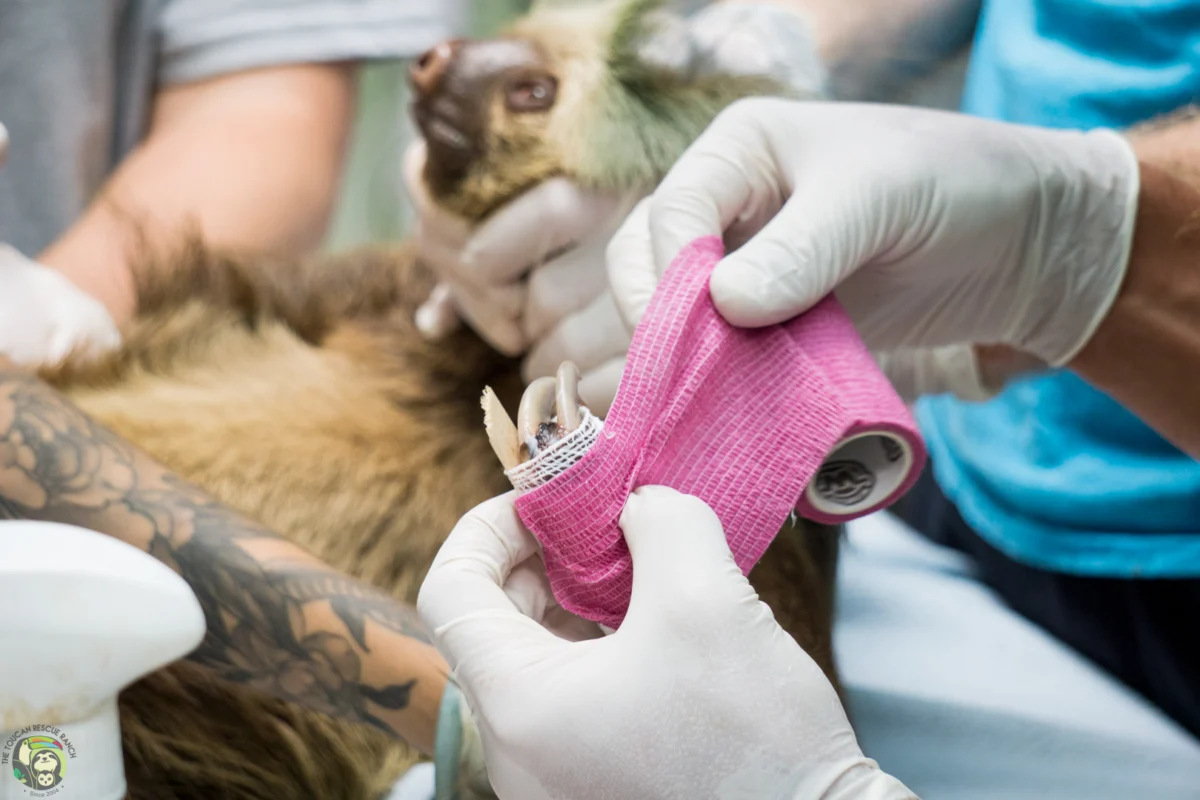
The Toucan Rescue Ranch, a prominent wildlife rescue and rehabilitation center based in Costa Rica, has issued a comprehensive call for international support to bolster its mission of saving and releasing indigenous wildlife. As an organization dedicated to the medical care and eventual rewilding of species such as orphaned sloths, injured toucans, and various other rainforest inhabitants, the ranch relies heavily on a steady influx of specialized supplies. To streamline this process, the organization has updated its procurement strategies, highlighting the critical role of international donors and the logistical hurdles inherent in operating within Central America. By utilizing digital wish lists and coordinating with international travelers, the Toucan Rescue Ranch seeks to bridge the gap between global goodwill and the practical needs of its veterinary and animal care teams.
The mission of the Toucan Rescue Ranch is multi-faceted, encompassing rescue, rehabilitation, and release. This cycle requires a constant supply of medical equipment, nutritional supplements, and maintenance tools. However, the organization has noted that the process of getting these items into Costa Rica is fraught with challenges, primarily due to the country’s inconsistent postal infrastructure. To mitigate the risk of lost or delayed shipments, the ranch has developed a tiered logistics strategy that prioritizes reliability and cost-effectiveness. This strategy is essential for maintaining the high standard of care required for delicate species that often arrive at the clinic in critical condition due to habitat loss, electrocution from power lines, or illegal trafficking.
Strategic Logistics and the Challenge of International Shipping
One of the primary obstacles facing the Toucan Rescue Ranch is the unreliability of the standard postal system in Costa Rica. Traditional mail services often result in significant delays, and in many cases, packages fail to reach their intended destination entirely. For a facility dealing with life-saving medical supplies, these uncertainties are unacceptable. Consequently, the organization has advised donors to avoid direct shipping via standard post. Instead, they recommend the use of high-end international couriers like DHL, which, while more expensive, offers a level of tracking and security that ensures the arrival of critical goods.
To provide a more accessible alternative for donors who may find international shipping costs prohibitive, the Toucan Rescue Ranch has introduced a "traveler-assisted" model. This initiative encourages interns, volunteers, and eco-tourists visiting the ranch or its guesthouse to utilize their checked luggage for transporting donated items. This method has proven to be the most effective way to circumvent the complexities of Costa Rican customs and the high costs of freight. By integrating the transport of supplies into the travel plans of its supporters, the ranch ensures that high-priority items—ranging from surgical instruments to specialized infant sloth formula—arrive directly in the hands of the veterinary staff.
Furthermore, the organization has established a logistical foothold in the United States. A board member located in Knoxville, Tennessee, has volunteered warehouse space to act as a domestic collection point for donations. This US-based hub allows donors to ship items to a domestic address, which are then consolidated and transported to Costa Rica when logistical opportunities arise, such as when staff or long-term volunteers travel between the two countries. While the ranch notes that this method does not guarantee immediate delivery, it serves as a vital secondary pipeline for non-urgent but essential supplies.
Digital Procurement through Amazon and Cuddly
In an effort to modernize its fundraising and supply chain management, the Toucan Rescue Ranch has leveraged digital platforms such as Amazon and Cuddly. These platforms feature curated wish lists that reflect the real-time needs of the facility. The Cuddly platform, in particular, is designed specifically for animal shelters and rescues, allowing donors to see the direct impact of their contributions on specific animals or departments.
The wish lists are categorized into high, medium, and lower priority items to guide donors toward the most urgent needs. High-priority items often include medical consumables, such as bandages, antiseptics, and specialized diagnostic tools used in the onsite clinic. Medium and lower-priority items may encompass enrichment toys for rehabilitating monkeys, office supplies for administrative staff, or maintenance tools for the "Release Site," a secondary location where animals undergo the final stages of rewilding before being returned to the rainforest. This transparency in procurement ensures that the organization does not become overwhelmed with unnecessary items while lacking the essentials for daily operations.
Historical Context and the Evolution of the Ranch
The Toucan Rescue Ranch was founded in 2004, originally focusing on the rescue and rehabilitation of toucans. Over the past two decades, its scope has expanded significantly to include a wide array of Costa Rican fauna. The organization gained international recognition for its work with sloths, particularly through its "Sloth School" program, which teaches orphaned sloths the skills they need to survive in the wild, such as climbing, foraging, and identifying predators.
The expansion of the ranch’s mission has necessitated a corresponding growth in its infrastructure. What began as a small sanctuary has evolved into a sophisticated medical and educational facility. The inclusion of a dedicated release site in the Sarapiquí region marked a major milestone in the organization’s history, providing a protected environment where rehabilitated animals can transition back into the wild. This growth has been fueled by a combination of eco-tourism, volunteer labor, and international donations, highlighting the interconnectedness of global conservation efforts.
Financial Transparency and Tax Incentives
As a registered non-profit organization in both the United States and Costa Rica, the Toucan Rescue Ranch operates under strict standards of financial transparency. In the US, the organization holds 501(c)(3) status (EIN: 80-0516453), making donations tax-deductible for American citizens. In Costa Rica, it is a registered foundation (#300667701803), allowing it to operate within the legal framework of the host nation.
This dual-registered status is a critical component of the ranch’s fundraising strategy. It provides a level of institutional credibility that encourages large-scale donations and corporate sponsorships. For individual donors, the tax-deductible nature of their contributions serves as an added incentive to support the ranch’s high-impact conservation work. The organization frequently publishes reports on its rescue statistics and financial health, ensuring that supporters are informed about how their contributions are being utilized to further the mission of wildlife preservation.
The Broader Impact on Costa Rican Biodiversity
The work of the Toucan Rescue Ranch extends beyond the individual animals in its care; it plays a vital role in the broader context of Costa Rican biodiversity. Costa Rica is home to approximately 5% of the world’s biodiversity, despite its small geographic size. The rescue and successful release of "keystone species" like toucans and sloths help maintain the ecological balance of the rainforest. Toucans, for instance, are essential seed dispersers, playing a critical role in forest regeneration.
By providing a professionalized response to wildlife emergencies, the ranch also serves as an educational resource for the local community and international visitors. Its internship and volunteer programs train the next generation of conservationists, while its tours raise awareness about the threats facing tropical ecosystems. The supply donation program is a tangible way for the global community to participate in this conservation success story, providing the tools necessary for the ranch to continue its role as a guardian of Costa Rica’s natural heritage.
Conclusion and Future Outlook
As the Toucan Rescue Ranch continues to face the challenges of wildlife conservation in a changing climate, its reliance on a robust and efficient supply chain remains paramount. The organization’s innovative approach to logistics—combining high-tech digital wish lists with the "low-tech" but reliable method of traveler-assisted transport—demonstrates a sophisticated understanding of the operational realities in Central America.
The ongoing support from the "TRR family," as the organization calls its global network of donors, is the lifeblood of its rescue efforts. Whether through a small donation of medical tape or the transport of a high-tech incubator in a volunteer’s suitcase, every contribution directly impacts the survival of Costa Rica’s iconic wildlife. As the ranch looks toward the future, it remains committed to its core mission: ensuring that every animal that enters its gates has the best possible chance of returning to the wild, where it belongs. Through strategic partnerships, logistical ingenuity, and unwavering community support, the Toucan Rescue Ranch stands as a beacon of hope for the diverse species that call the Costa Rican rainforest home.
