
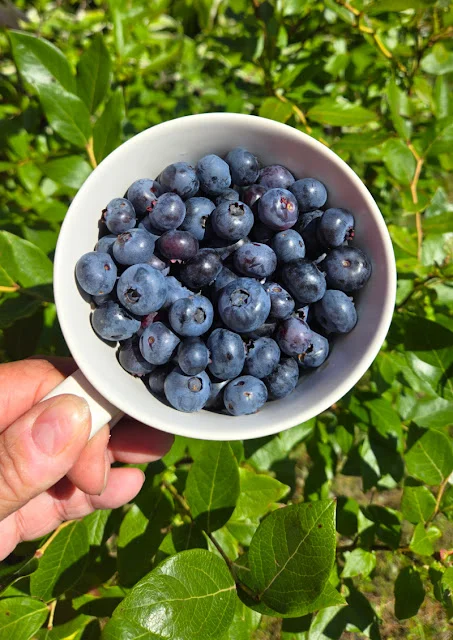
The integration of supplemental fruits and vegetables into the diets of domestic poultry has evolved from a casual backyard practice into a specialized field of avian nutrition, with blueberries emerging as a primary "superfood" for Gallus gallus domesticus. As the global interest in sustainable agriculture and small-scale poultry husbandry continues to rise, understanding the specific biochemical impacts of various supplements is critical for maintaining flock longevity and egg production quality. Research indicates that blueberries are not merely a flavor-focused treat but a dense source of essential vitamins, minerals, and phytonutrients that support a wide array of physiological functions in chickens and ducks alike.
The Biochemical Profile of Blueberries in Avian Diets
Blueberries, belonging to the genus Vaccinium, possess a unique nutritional matrix that aligns well with the metabolic requirements of domestic birds. Primarily, they are recognized for their high concentrations of Vitamin C and Vitamin K. In poultry, Vitamin C serves as a powerful antioxidant that helps birds mitigate the effects of heat stress—a common challenge in backyard poultry management. While chickens can synthesize their own Vitamin C, supplemental intake during periods of environmental stress or illness can significantly bolster the immune response.

Vitamin K plays a foundational role in the synthesis of proteins required for blood coagulation. For laying hens, maintaining optimal blood health is vital, particularly during the taxing process of egg formation and the occasional physical stressors of a pecking order environment. Furthermore, blueberries provide a significant amount of dietary fiber, which aids in the regulation of the avian digestive tract, ensuring that nutrients from primary feed sources are absorbed more efficiently.
Beyond basic vitamins, blueberries are rich in manganese and potassium. Manganese is a trace mineral essential for bone development and the formation of eggshells, while potassium is a critical electrolyte that maintains fluid balance and nerve function. The presence of these minerals makes blueberries a comprehensive supplement that addresses multiple aspects of poultry physiology simultaneously.
Antioxidants and Anthocyanins: Cellular Defense Mechanisms
Perhaps the most significant contribution of blueberries to poultry health is their high antioxidant content, specifically anthocyanins. Anthocyanins are the pigments responsible for the deep blue and purple hues of the fruit and are known for their potent anti-inflammatory properties. In the context of avian health, chronic inflammation can lead to a decline in egg production and a weakened immune system.

Research into avian oncology and cellular health suggests that the antioxidants found in blueberries can protect cells from oxidative damage caused by free radicals. This cellular protection is linked to a lower incidence of certain types of cancers and a reduction in the physical signs of aging in older hens. Furthermore, the cardiovascular benefits of anthocyanins, which are well-documented in human medicine, extend to poultry by supporting heart health and maintaining healthy blood pressure levels. This is particularly relevant for heavy-breed chickens that may be prone to heart-related complications as they age.
Cognitive Function and Sensory Health
While often overlooked in livestock management, cognitive health is a vital component of flock welfare. Blueberries contain compounds that have been shown to support neurological function and cognitive longevity. For chickens, which are highly social and inquisitive animals, maintaining mental acuity is essential for navigating social hierarchies and foraging effectively.
In addition to cognitive support, the nutrients in blueberries contribute to ocular health. High levels of specific antioxidants help protect the retina from oxidative stress, ensuring that birds maintain the sharp vision required to detect predators and identify food sources. As chickens rely heavily on their sense of sight for survival, the inclusion of eye-supporting nutrients in their diet represents a proactive approach to flock security and well-being.

Digestive Optimization through Prebiotics
The avian gastrointestinal tract is a complex ecosystem of microflora that dictates the bird’s overall health. Blueberries serve as a natural prebiotic, providing the non-digestible fibers that act as "food" for beneficial probiotics. This relationship promotes a balanced gut microbiome, which is the first line of defense against common poultry ailments such as coccidiosis or salmonella.
By fostering a healthy gut environment, blueberries improve the efficiency of the digestive process. A well-functioning digestive system ensures that the nutrients from the bird’s primary layer pellets or grains are fully utilized, potentially leading to better feed conversion ratios and more consistent egg-laying cycles.
Safety Protocols and Feeding Guidelines
Despite the overwhelming benefits, the administration of blueberries must be managed with precision to avoid nutritional imbalances. Agricultural experts and avian veterinarians generally adhere to the "10 percent rule," which dictates that treats and supplements should not exceed 10% of a bird’s total daily caloric intake. For the average backyard chicken, this equates to approximately one to two tablespoons of fruit per day.

Over-reliance on fruits can lead to a dilution of the essential proteins and calcium found in commercial feeds, which are scientifically formulated to meet the specific needs of laying hens. Excessive sugar intake, even from natural sources like fruit, can lead to obesity and associated health issues in poultry.
Safety considerations also extend to the physical form of the fruit. While most adult chickens can easily consume whole blueberries, the fruit can pose a choking hazard to smaller breeds, pullets, or ducklings. In these instances, slicing the berries in half or mashing them is a recommended preventative measure. Furthermore, poultry keepers must distinguish between safe fruits like blueberries and toxic alternatives. Foods such as chocolate, caffeine, salty snacks, and the pits or seeds of certain fruits (which contain amygdalin) should be strictly avoided to prevent poisoning.
Agricultural Context: Native vs. Cultivated Varieties
The choice between native lowbush blueberries (Vaccinium angustifolium) and cultivated highbush blueberries (Vaccinium corymbosum) often depends on regional availability. Native lowbush varieties, common in regions like Maine and Atlantic Canada, are typically smaller and possess a more concentrated flavor and antioxidant profile. Cultivated highbush varieties are larger and more common in commercial grocery stores.

From a nutritional standpoint, both varieties offer significant benefits, though the higher skin-to-pulp ratio in native blueberries often results in a higher concentration of anthocyanins per gram. Poultry owners who cultivate their own berries have the added advantage of ensuring the fruit is free from synthetic pesticides, which can be harmful to birds if ingested in significant quantities.
Chronology of Supplemental Feeding Trends
The practice of feeding fruit to poultry has seen a marked shift over the last two decades.
- Early 2000s: Supplemental feeding was largely seen as a way to dispose of kitchen scraps, with little regard for specific nutritional outcomes.
- 2010-2015: The "Backyard Chicken Revolution" led to increased academic interest in non-commercial poultry diets. Studies began to highlight the role of antioxidants in avian health.
- 2016-Present: The categorization of certain fruits as "superfoods" for poultry became mainstream. Poultry owners now specifically seek out blueberries and similar fruits to target specific health goals, such as improved eggshell quality or immune resilience.
Broader Implications for Sustainable Farming
The inclusion of blueberries in poultry diets reflects a broader movement toward holistic animal husbandry. By supplementing standard feed with nutrient-dense fruits, farmers can reduce the need for synthetic vitamin supplements and antibiotics. This approach not only improves the quality of life for the birds but also enhances the nutritional value of the eggs produced.

Eggs from hens with access to a diverse, antioxidant-rich diet often exhibit deeper yolk pigmentation and may contain higher levels of certain vitamins, providing a direct benefit to human consumers. Furthermore, the use of blueberries as a treat serves as an effective tool for flock management, allowing owners to bond with their birds and perform health inspections more easily as the birds gather for the treat.
In conclusion, blueberries stand out as an exceptional dietary supplement for chickens and ducks. When integrated responsibly within the framework of a balanced diet, they provide a multifaceted defense against disease, support physical and cognitive development, and contribute to the overall sustainability of backyard poultry operations. As research continues to uncover the complexities of avian nutrition, the role of such "superfoods" is likely to become even more central to the standard of care for domestic flocks.
