
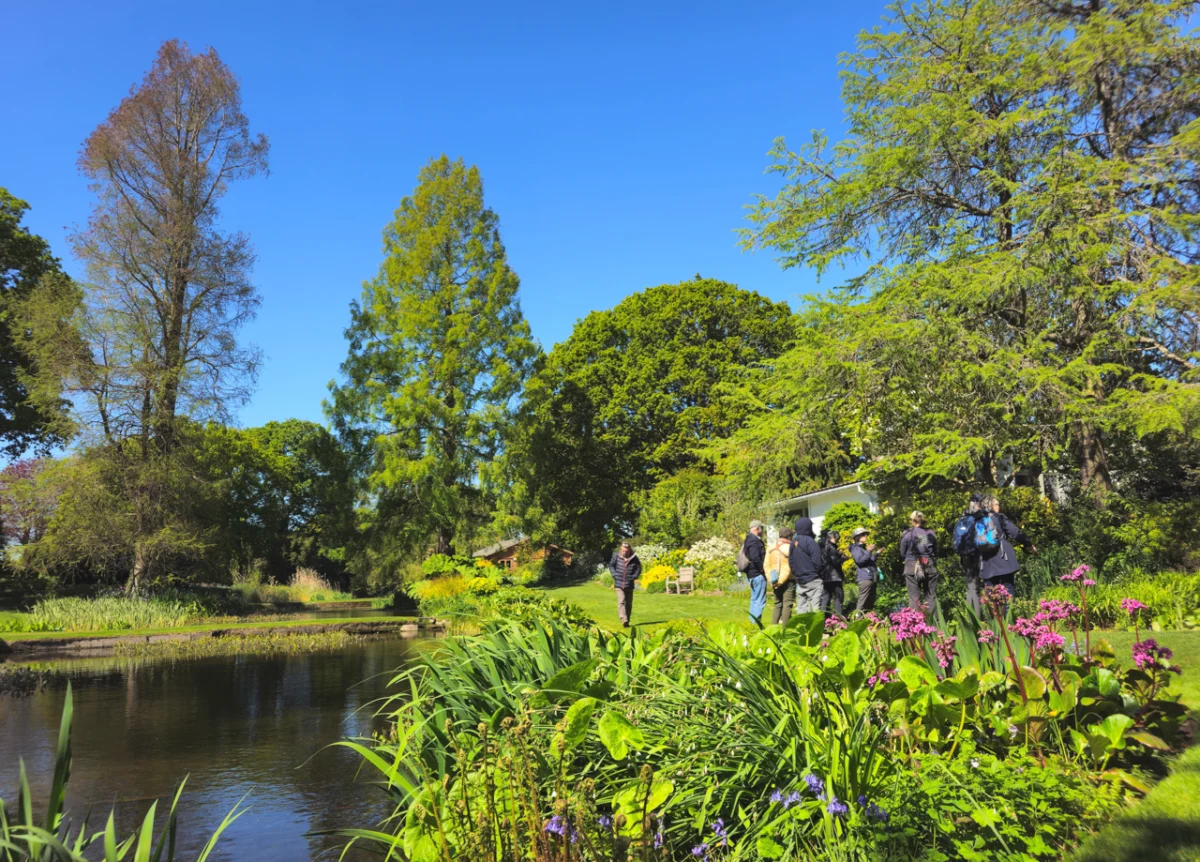
The intersection of ornithological conservation and world-class horticulture was recently highlighted during an extensive ten-day expedition across Eastern England, showcasing the region’s unique status as a global destination for biodiversity and botanical innovation. Spanning five counties—London, Essex, Suffolk, Norfolk, and Rutland—the tour documented a diverse range of avian species and specialized garden ecosystems, ranging from the tropical glasshouses of the Royal Botanic Gardens, Kew, to the rugged, bird-rich marshlands of the North Norfolk coast. This journey served not only as a survey of the region’s natural beauty but also as a testament to the ongoing conservation efforts and ecological management practices that define the British landscape.
A Botanical Commencement at the Royal Botanic Gardens, Kew
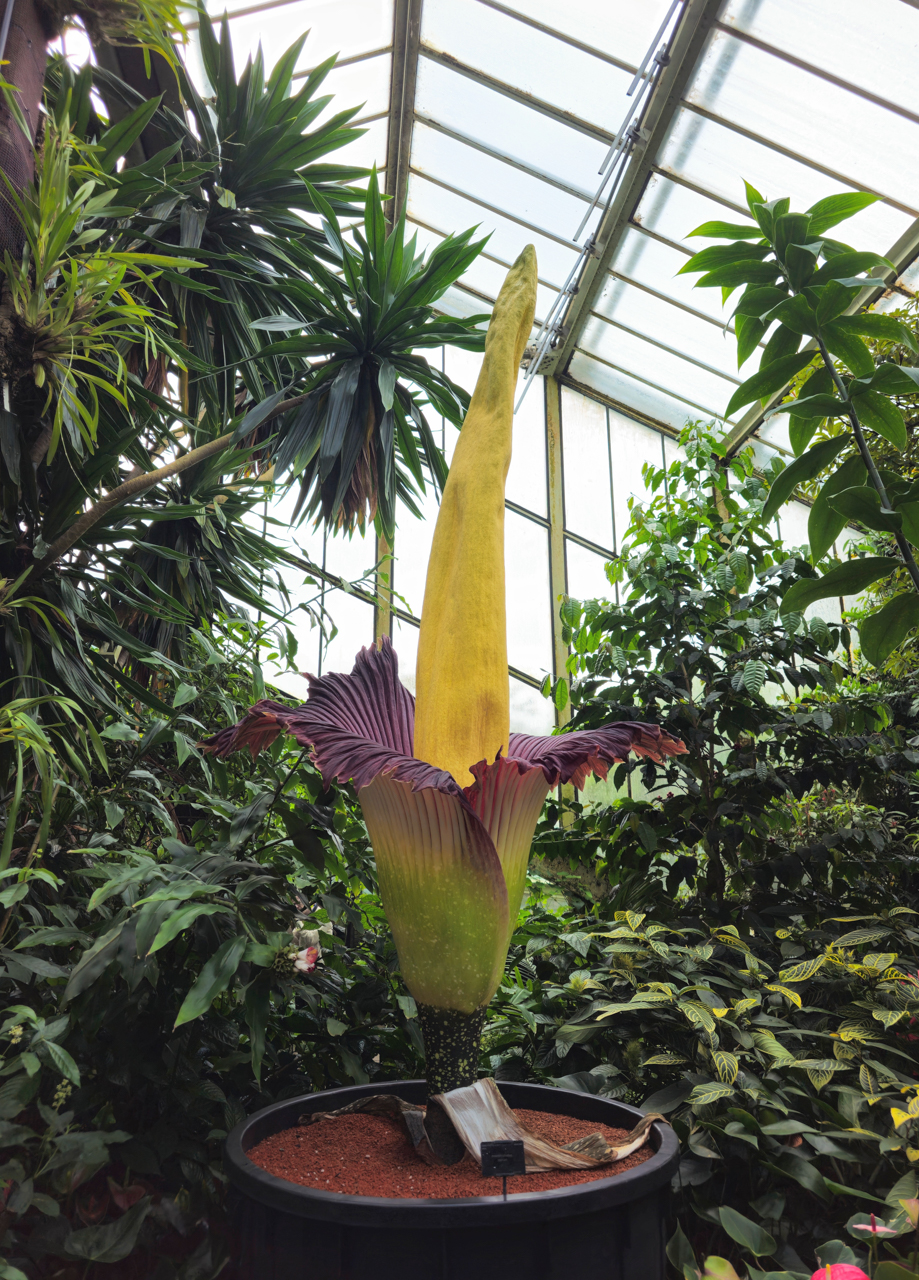
The expedition began at the Royal Botanic Gardens, Kew, a UNESCO World Heritage site situated on the western edge of London. Founded in 1840, Kew houses the largest and most diverse botanical and mycological collections in the world. The timing of the visit coincided with a rare biological event: the blooming of the Amorphophallus titanum, or Titan Arum. Known as the "corpse flower" due to its pungent aroma used to attract pollinators, the specimen reached a height of nearly three meters. This Sumatran native is a significant draw for botanical researchers and the public alike, as its flowering is unpredictable and brief, lasting only 48 to 72 hours.
Beyond the glasshouses, the group observed the adaptation of avian life within urban-adjacent verdant spaces. The presence of the Rose-ringed Parakeet (Psittacula krameri) provided a focal point for discussion regarding naturalized species in the United Kingdom. Originally from Africa and South Asia, these birds have established a significant population in London and the Home Counties, thriving on the abundance of food sources in suburban gardens and parks. Other sightings included the Mistle Thrush and the Eurasian Green Woodpecker, species that rely on the mature woodland and managed lawns of the 300-acre site.
Essex: Water Management and Climate-Resilient Gardening
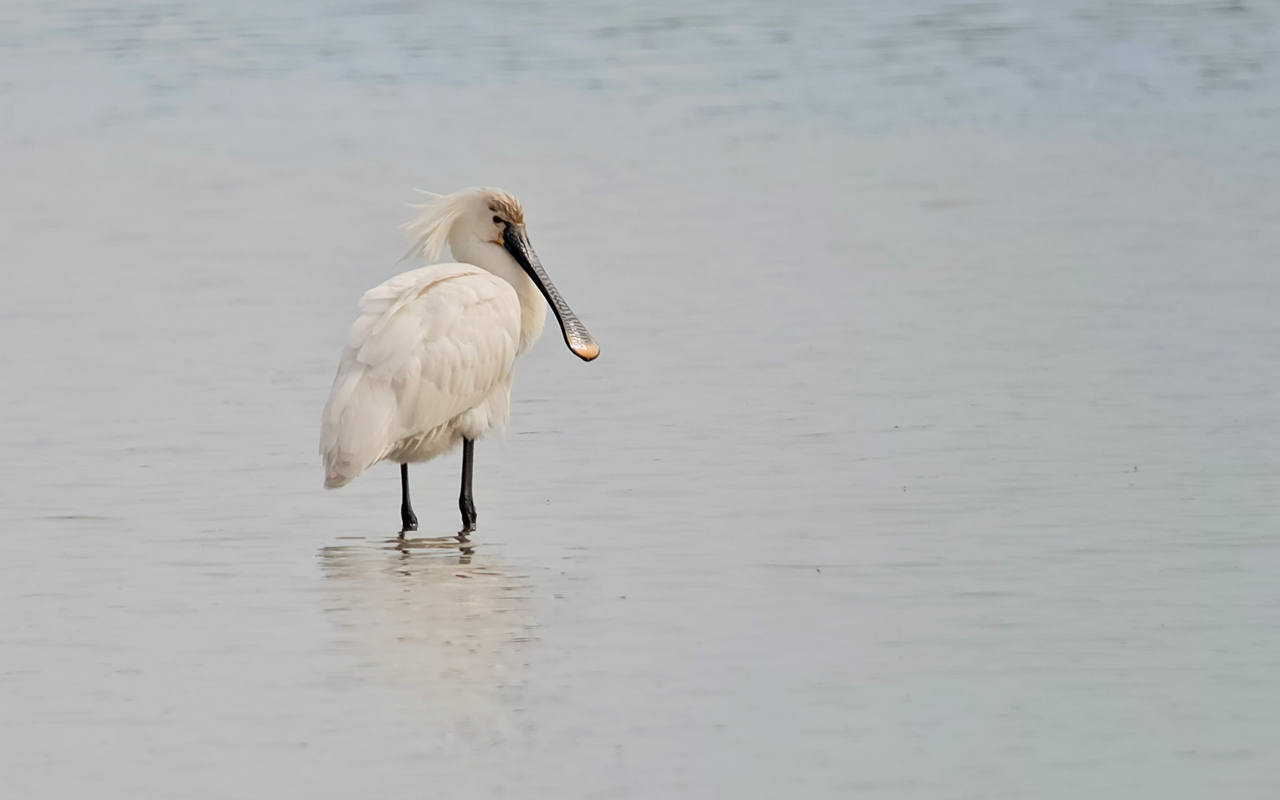
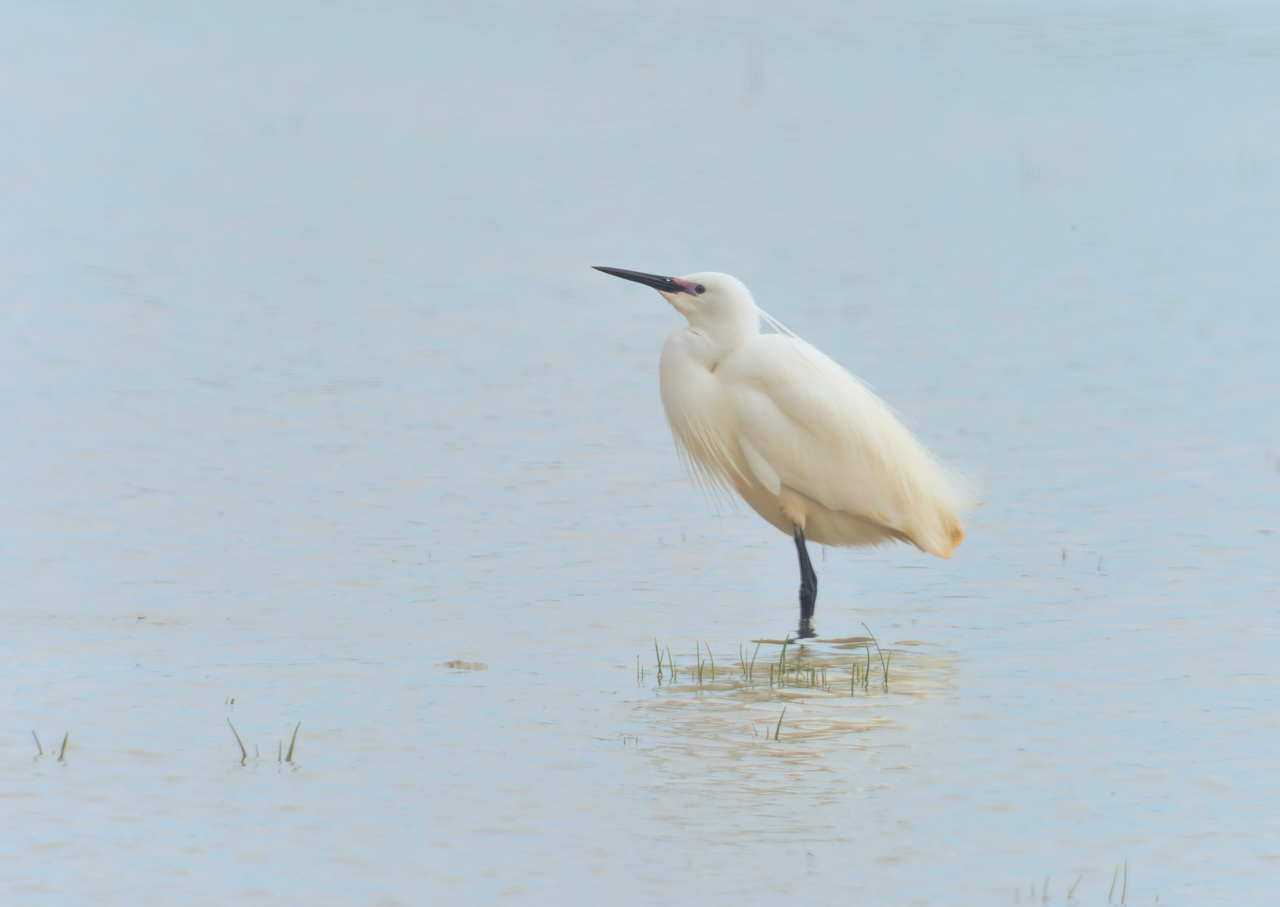
Moving eastward into Essex, the itinerary shifted toward large-scale water management and sustainable horticulture. Abberton Reservoir, one of Europe’s premier wetland sites, provided a stark contrast to the manicured landscapes of Kew. As a designated Special Protection Area (SPA), the reservoir is vital for over-wintering and migratory birds. Despite unseasonable winds, the group identified Eurasian Spoonbills (Platalea leucorodia) among a colony of Grey Herons and Little Egrets. The presence of Spoonbills in Essex is a significant indicator of the species’ northward expansion and the success of wetland restoration projects across the UK.
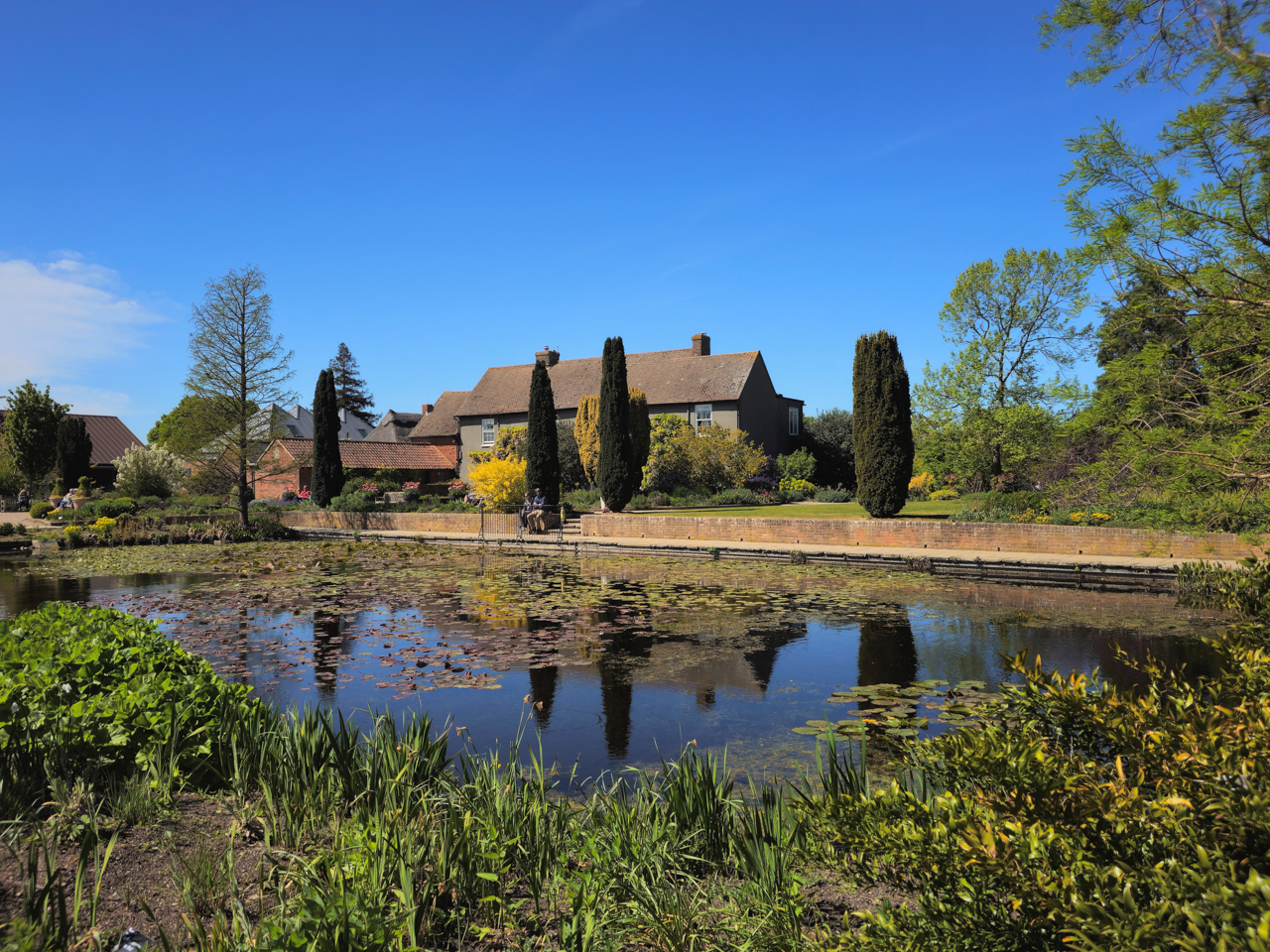
The horticultural component of the Essex leg featured RHS Garden Hyde Hall and the world-renowned Beth Chatto Gardens. Hyde Hall serves as a critical demonstration site for "dry gardening," an increasingly relevant discipline as the UK faces more frequent periods of drought. The site’s Global Growth Vegetable Garden and Dry Garden showcase species capable of thriving with minimal irrigation.
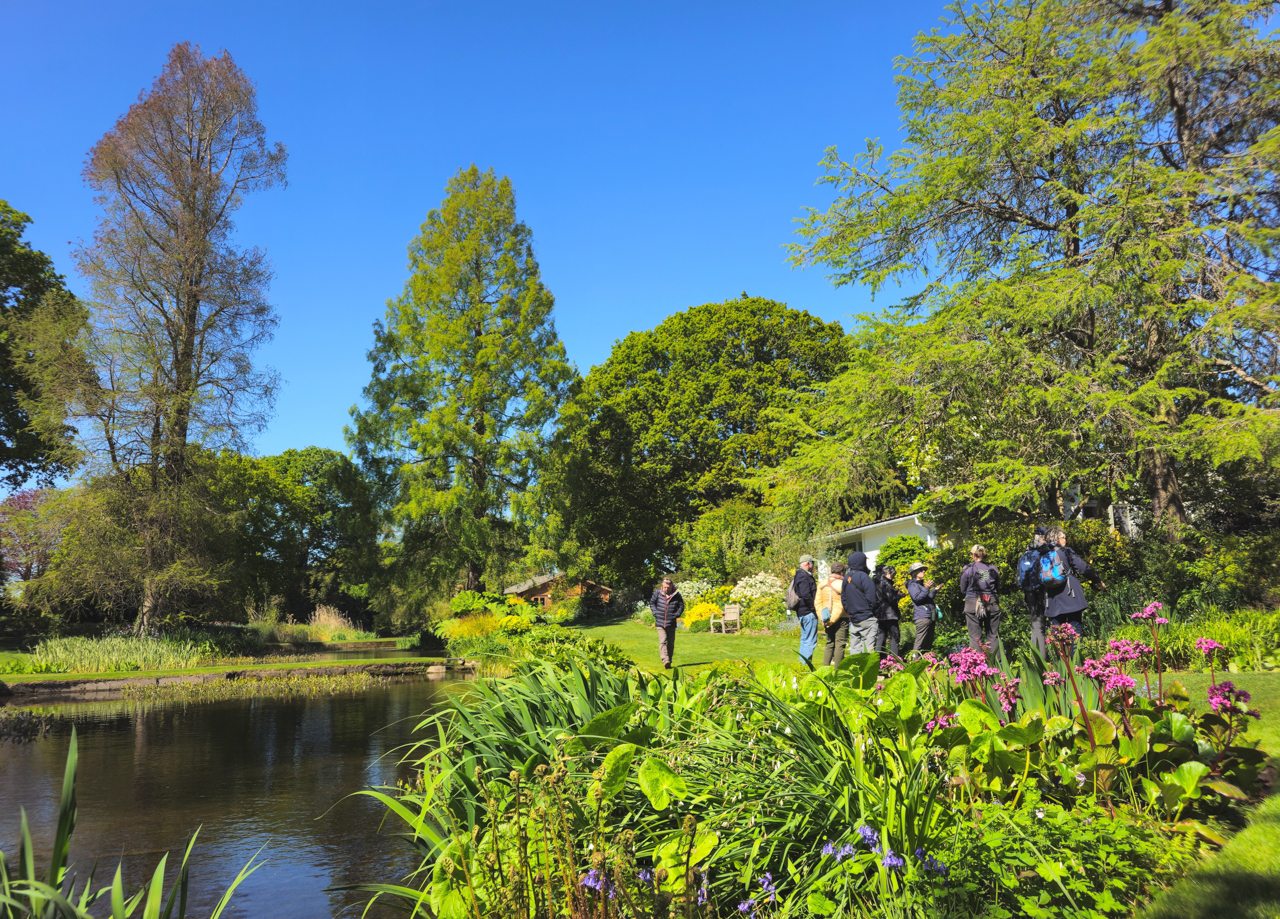
Malin, the head gardener at Beth Chatto Gardens, provided insight into the "Right Plant, Right Place" philosophy pioneered by the late Beth Chatto. This ecological approach to gardening emphasizes selecting plants that naturally suit the local soil and climatic conditions rather than modifying the environment to suit the plants. The conversion of a former bog and gravel pit into a thriving mosaic of water and Mediterranean gardens has created a micro-habitat that supports a wide array of insects, including the Green Hairstreak butterfly and the Large Red Damselfly.
The Suffolk Coast: A Sanctuary for Rare Avian Species
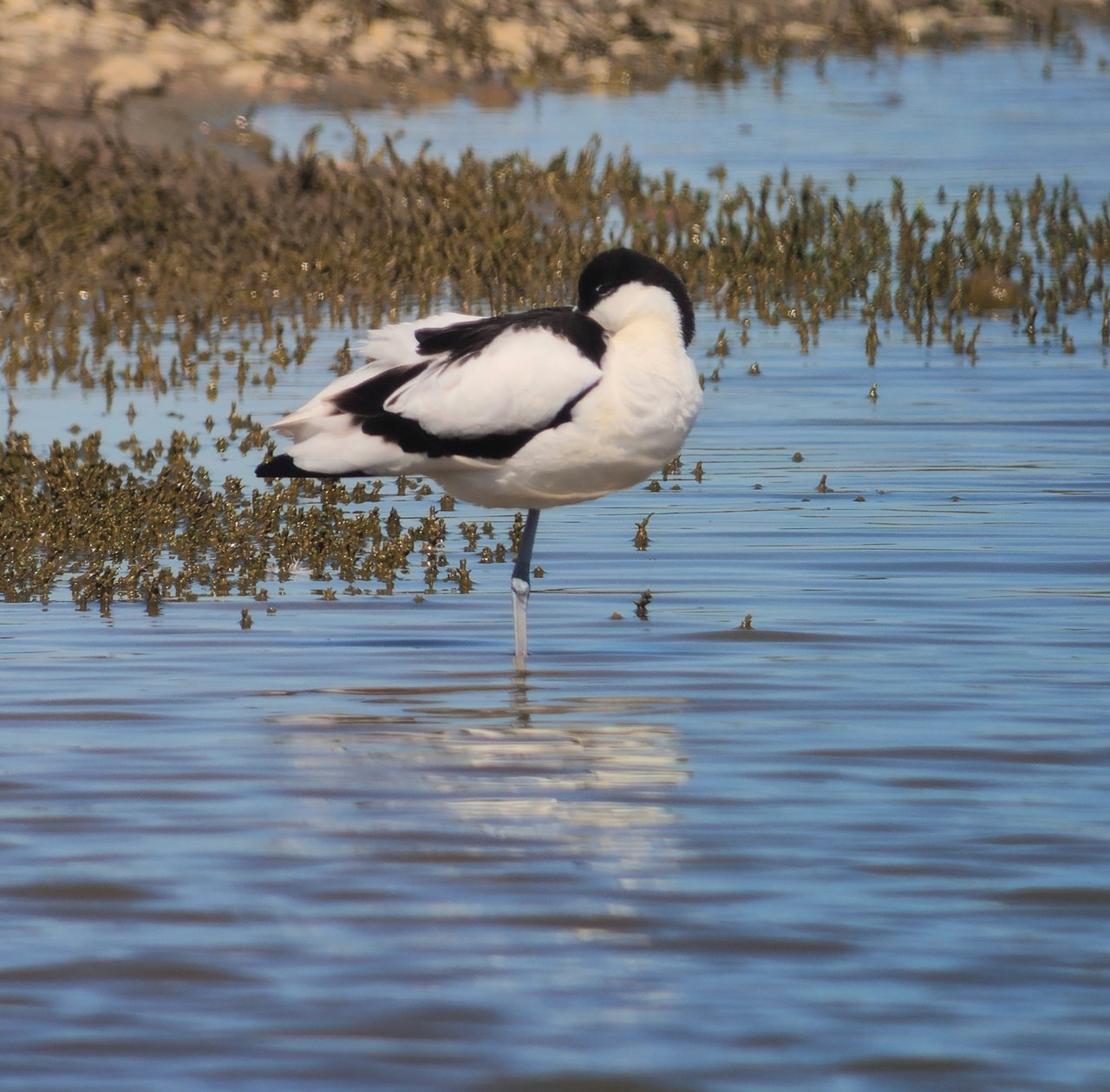
The tour’s arrival in Suffolk centered on the Minsmere nature reserve, managed by the Royal Society for the Protection of Birds (RSPB). Minsmere is historically significant, having been deliberately flooded in 1940 as a defense measure against a potential German invasion during World War II. This accidental creation of vast reedbeds and lagoons eventually led to the return of the Pied Avocet (Recurvirostra avosetta) as a breeding species in the UK, an event so significant that the bird became the symbol of the RSPB.
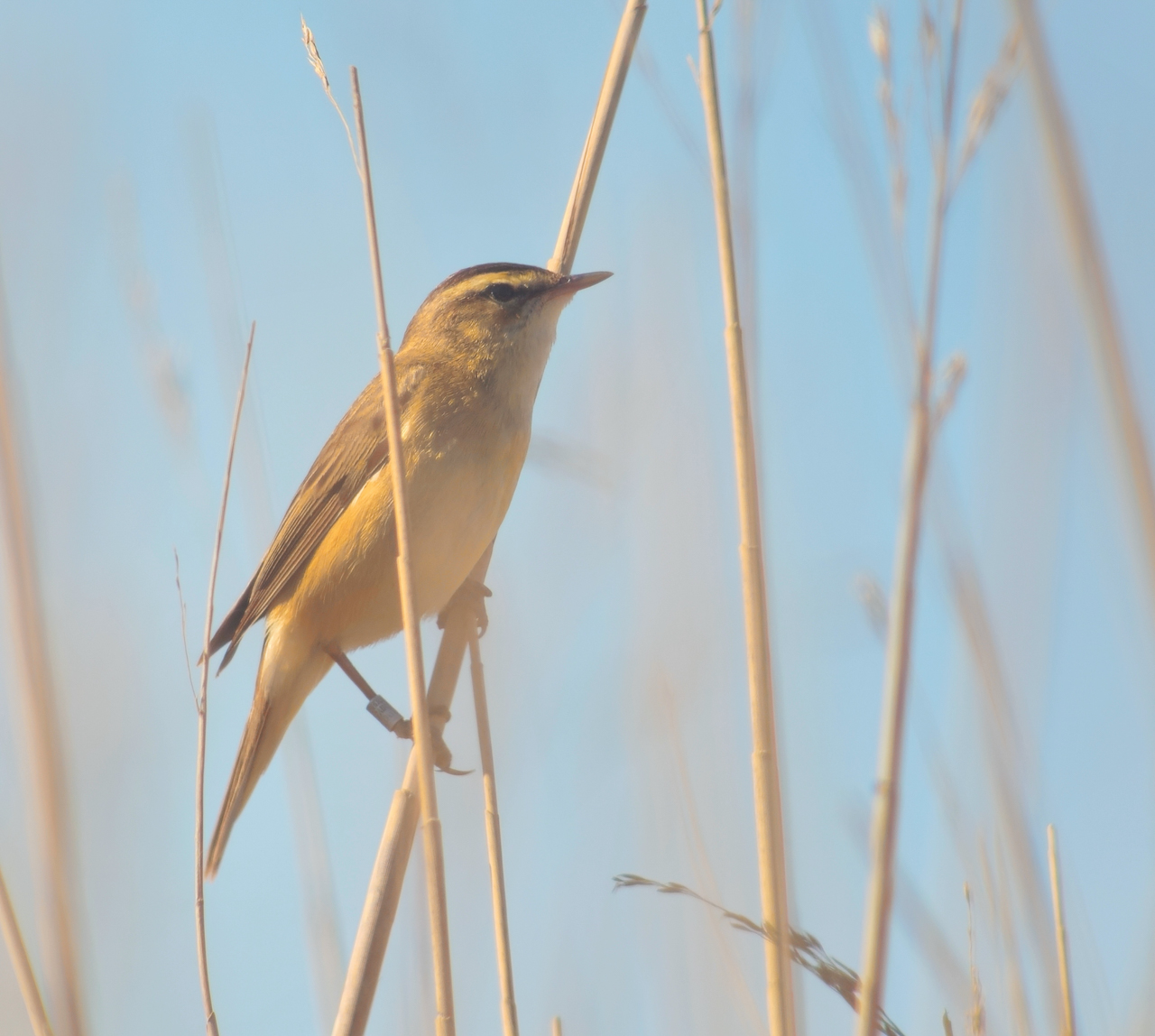
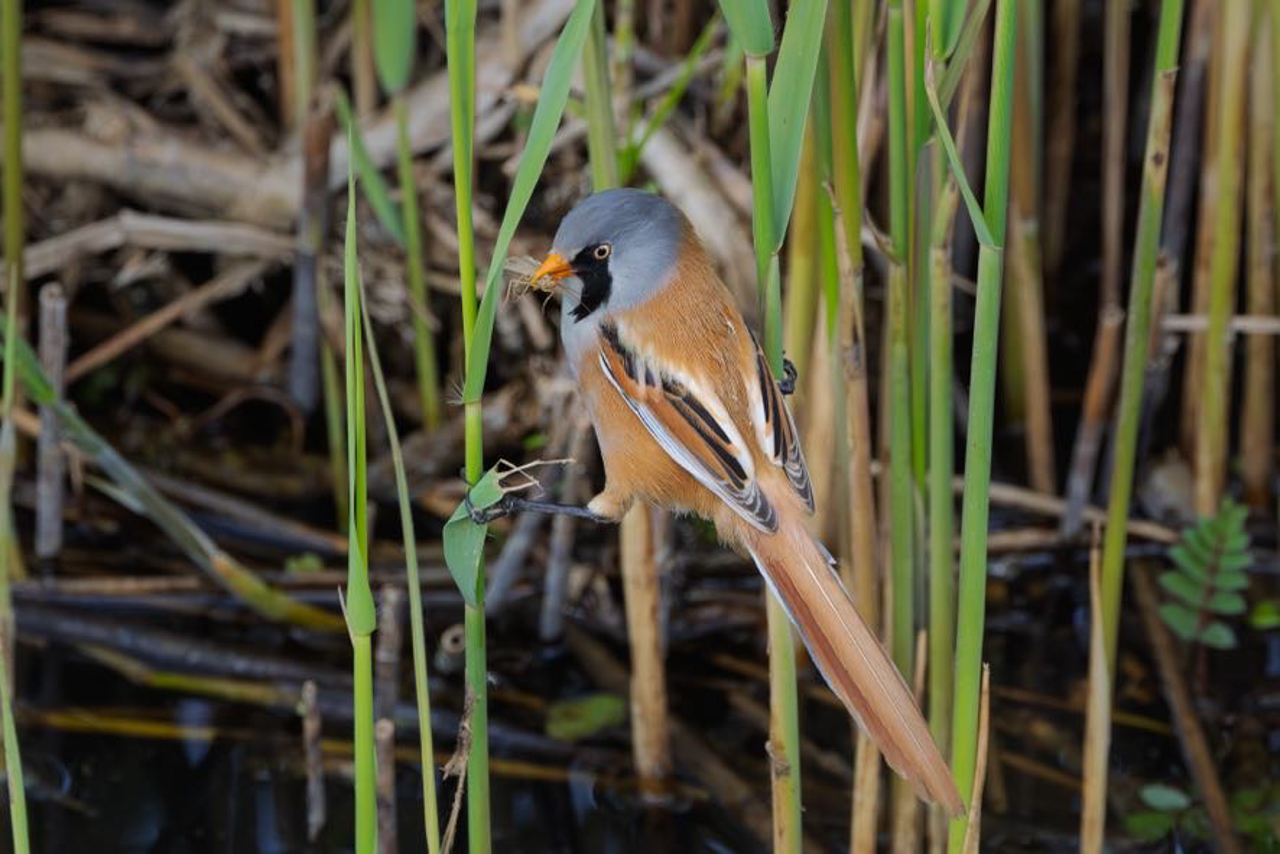
During the visit, the group documented stellar views of the Bearded Reedling (Panurus biarmicus), a species highly specialized to life in extensive reedbeds. The reserve’s management of water levels and reed age is critical for the survival of the Great Bittern, a bird that was once on the brink of extinction in Britain. Although the Bitterns remained elusive, their characteristic "booming" calls confirmed their presence in the habitat.
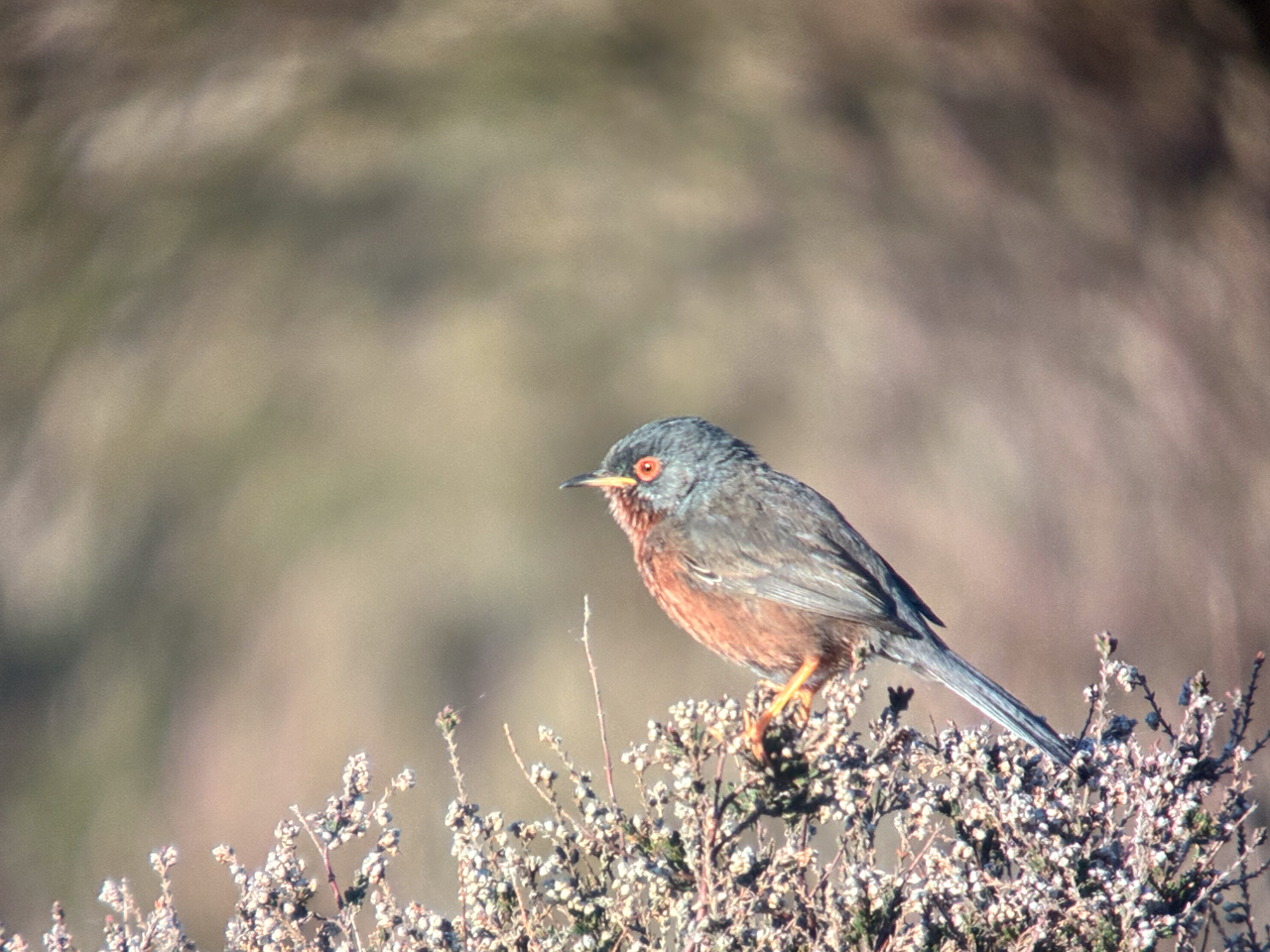
Further inland, the sandy heaths of Dunwich and Westleton provided sightings of the Dartford Warbler (Curruca undata). This small insectivore is a sedentary species that is particularly vulnerable to harsh winters; its healthy population in Suffolk suggests a period of climatic stability and effective heathland management. The group also observed the Eurasian Thick-knee, or Stone-curlew, a cryptic bird that thrives in the stony "breck" soils and requires highly specific nesting conditions often provided by conservation-minded farmers.
Norfolk: The Broads and the Brakes
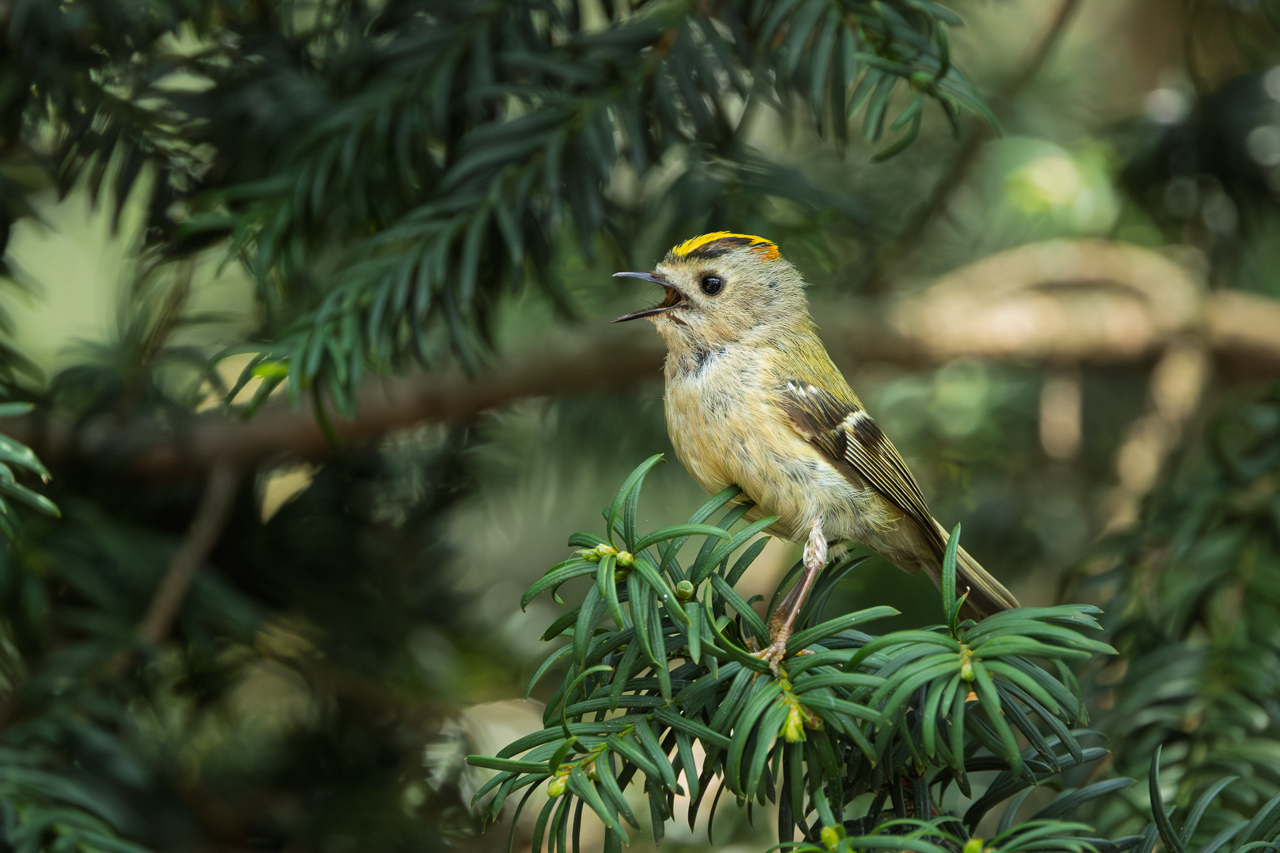
In Norfolk, the expedition explored two distinct landscapes: the Brecklands and the Norfolk Broads. The Brecklands, characterized by a semi-continental climate and sandy soils, hosted specialists such as the Firecrest and the Red Crossbill. The latter is a finch with a unique mandibular structure designed to extract seeds from conifer cones, particularly the Sitka Spruce found in the region’s industrial forestry plantations.
The Norfolk Broads, a National Park consisting of man-made lakes formed by medieval peat digging, offered a different suite of biodiversity. At Hickling Broad, managed by the Norfolk Wildlife Trust, the group witnessed the successful re-establishment of the Common Crane (Grus grus). Once extinct as a breeding bird in the UK for 400 years, Cranes returned to the Broads in the late 1970s. Today, through careful habitat protection and the Great Crane Project, they are a staple of the Norfolk skies.
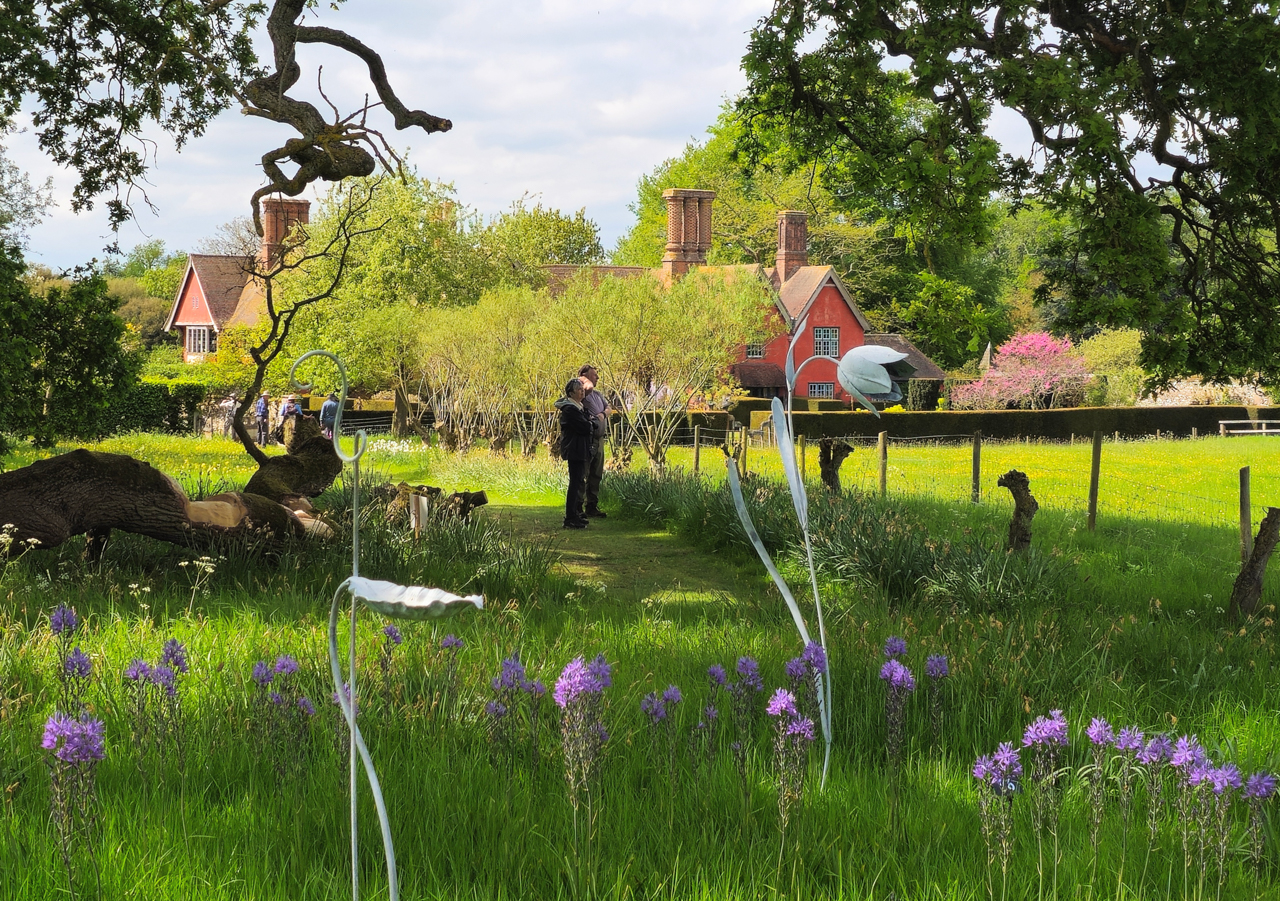
The horticultural highlights in Norfolk included Bressingham Gardens and East Ruston Old Vicarage. Adrian Bloom, a leading figure in British gardening, led a tour of Bressingham, emphasizing the use of conifers and heathers to create year-round interest. East Ruston, a 33-acre contemporary garden, demonstrated how coastal micro-climates could support "exotic" species that would typically perish in the UK’s interior.
Rutland and the Legacy of "Gardener’s World"
The final leg of the tour took place in Rutland, England’s smallest county, at Barnsdale Gardens. Created by the late Geoff Hamilton for the BBC’s Gardener’s World, Barnsdale consists of 38 individual gardens designed to be accessible to the average homeowner. Head gardener Jon discussed the site’s transition toward fully organic and wildlife-friendly practices, reflecting a broader shift in British horticulture toward environmental stewardship.
Chronology of the 10-Day Expedition
- Day 1: Arrival and orientation in London.
- Day 2: Detailed survey of Kew Gardens; observation of the Titan Arum bloom and naturalized parakeet populations.
- Day 3: Transition to Essex; birding at Abberton Reservoir and an educational tour of RHS Hyde Hall’s dry gardens.
- Day 4: Visit to Hanningfield Reservoir and a guided ecological tour of the Beth Chatto Gardens.
- Day 5-6: Intensive field study at RSPB Minsmere and Dunwich Heath; focus on rare heathland and reedbed specialists.
- Day 7: Exploration of the Brecklands (Lynford Arboretum) and Fairhaven Water Gardens in the Norfolk Broads.
- Day 8: Coastal birding at Cley Marshes; observation of migratory shorebirds and the "Greenland" race of Northern Wheatear.
- Day 9: Survey of Common Cranes at Hickling Broad and a visit to the multi-thematic East Ruston Old Vicarage gardens.
- Day 10: Final horticultural study at Barnsdale Gardens in Rutland before returning to London.
Data and Environmental Context
The success of such a tour is underpinned by the health of the UK’s natural infrastructure. According to the State of Nature 2023 report, nearly one in six species in the UK is at risk of extinction. However, sites like Minsmere and Cley Marshes serve as vital "nodes" in a larger ecological network that allows species to migrate and adapt to changing conditions.
Data from the British Trust for Ornithology (BTO) indicates that while some woodland birds are in decline, certain wetland species—including the Spoonbill and Great White Egret—are seeing record numbers in East Anglia. This is attributed to both the creation of new wetlands and a warming climate allowing southern European species to move north.
Broader Impact and Economic Implications
Nature-based tourism is a significant economic driver for Eastern England. A 2022 report by the RSPB estimated that visitors to their reserves contribute over £66 million to local economies annually, supporting thousands of jobs in hospitality and transport. The integration of "garden tourism" with "wildlife tourism" creates a robust seasonal economy that incentivizes the preservation of both cultural and natural heritage.
Furthermore, the tour highlighted the critical role of private and charitable land ownership in conservation. Organizations like the Norfolk Wildlife Trust (the oldest of its kind in the UK, founded in 1926) and the Royal Horticultural Society (RHS) are at the forefront of educating the public on how to turn private gardens into corridors for wildlife. With over 22 million gardeners in the UK, the cumulative impact of "wildlife-friendly" gardening—as seen at Barnsdale and Beth Chatto—could provide a significant boost to national biodiversity goals.
The expedition concluded with a final assessment of the region’s resilience. Despite the challenges of fluctuating spring weather and the long-term pressures of habitat loss, the presence of rare species like the Common Crane and the Dartford Warbler suggests that targeted conservation efforts are yielding tangible results. For the participants, the tour offered a comprehensive look at how human-managed landscapes and wild spaces can coexist to preserve the intricate tapestry of England’s natural history.
