
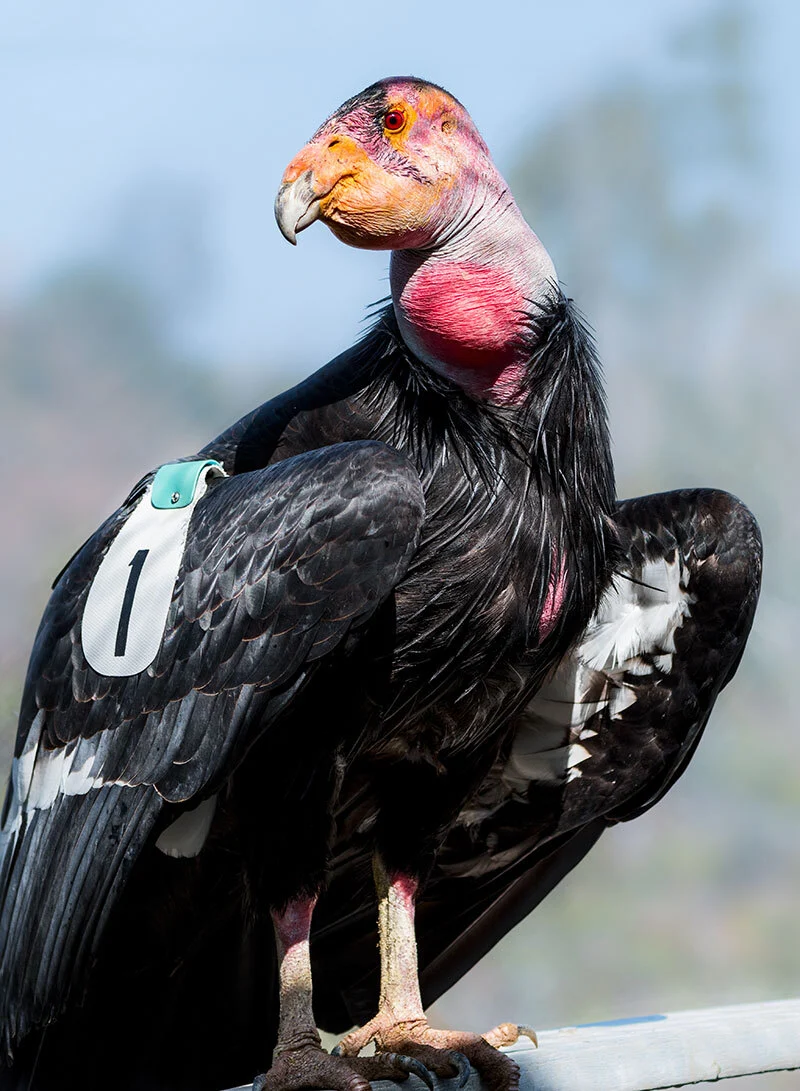
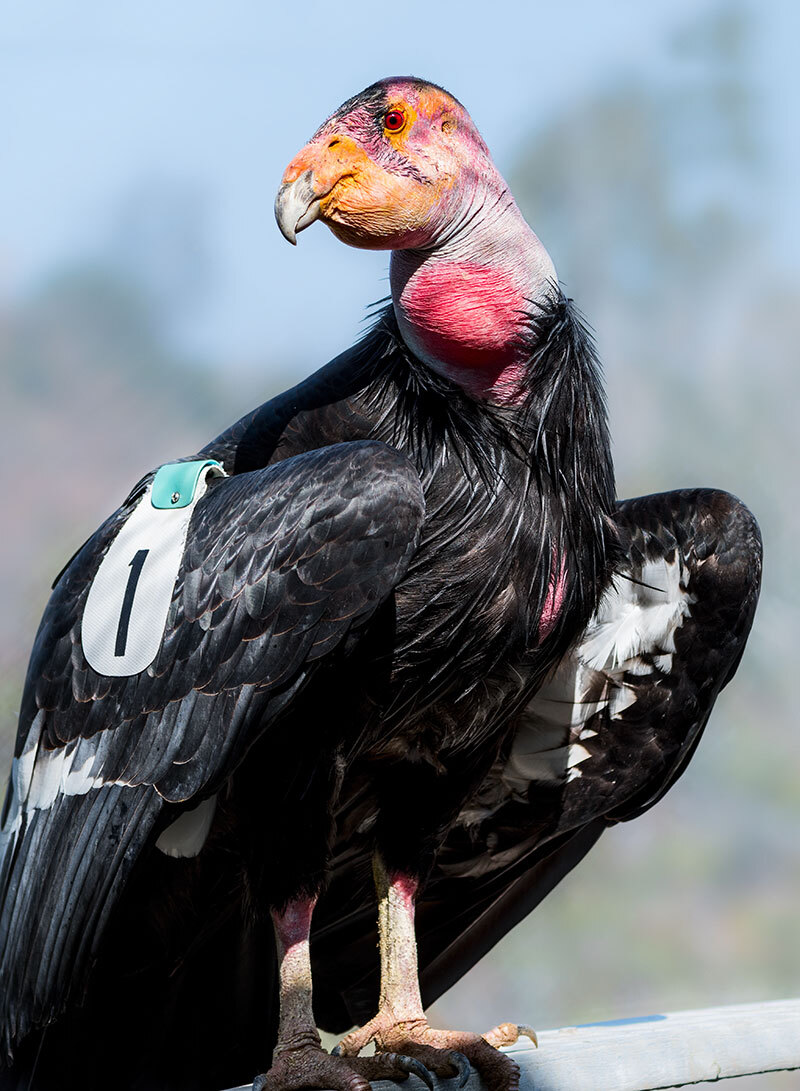
The Los Angeles Zoo is marking an extraordinary milestone: the 60th anniversary of Topa Topa, a male California condor whose life has become intrinsically linked with the survival and recovery of his critically endangered species. Rescued as a fledgling in a dire state of malnutrition, Topa Topa’s journey from near-death to becoming a cornerstone of one of the most successful conservation efforts in history is a testament to dedication, scientific advancement, and the profound impact of individual animals in galvanizing public and institutional commitment. His presence at the zoo has not only provided a unique window into the life of this magnificent avian species but has also served as a powerful educational tool, fostering a deeper understanding of the challenges faced by wild populations and the critical role zoos play in their preservation.
From Fragile Fledgling to Avian Ambassador
Topa Topa’s story began 60 years ago when he was found as a one-year-old fledgling, weighing a mere 17 pounds and exhibiting severe signs of weakness and malnutrition. The harsh realities of the wild, particularly for a young bird lacking the essential foraging skills typically imparted by adult mentors, presented a grim prognosis. After a critical 10-day period of intensive rehabilitation, a decision was made to release him back into his natural habitat. However, ongoing monitoring revealed a stark truth: without experienced adult condors to guide him in finding food and navigating the complexities of survival, Topa Topa’s chances of thriving were exceedingly slim. This led to his subsequent recovery and the pivotal decision to make him a permanent resident of the Los Angeles Zoo.
This marked a historic moment, as Topa Topa became the first California condor to reside within the controlled environment of any zoo globally. At the time of his arrival, the California condor population was in precipitous decline, a dire warning sign for the future of this iconic species. By 1982, the situation had escalated to a critical point, with the California condor officially recognized as critically endangered. The gravity of the situation necessitated an unprecedented conservation intervention.
The Dawn of a Recovery Program: A Timeline of Hope
The late 20th century witnessed a desperate race against time to save the California condor from complete extinction. Recognizing the urgent need for coordinated action, a comprehensive recovery plan was officially launched in 1987. This ambitious initiative brought together leading conservation organizations, wildlife biologists, and zoological institutions, including the Los Angeles Zoo and the San Diego Zoo. The initial objective was to gather all remaining wild condors, bringing them into protected settings to initiate a captive breeding program. At the commencement of this pivotal program, a mere 27 California condors remained in existence, a stark reminder of the precariousness of their survival.
The captive breeding program, initiated in the late 1980s, proved to be a groundbreaking success. Through meticulous scientific research, advanced veterinary care, and dedicated husbandry, the program managed to overcome numerous biological hurdles. The Los Angeles Zoo and the San Diego Zoo became vital hubs for this effort, working collaboratively to ensure the genetic diversity and reproductive health of the captive population.
- 1980s: California condor population reaches critically low numbers, prompting the development of a comprehensive recovery plan.
- 1987: The California Condor Recovery Plan is formally launched, with the Los Angeles Zoo and San Diego Zoo becoming key participants in a captive breeding program. The wild population stands at just 27 individuals.
- 1990s: Captive breeding efforts begin to yield results, with the first successful chick hatchings within the program. Topa Topa plays a crucial role in educating the public and supporting breeding efforts.
- 2000s: Reintroduction programs commence, with condors bred in captivity being released back into suitable wild habitats across California, Arizona, and Baja California.
- Present Day: The California condor population has seen a remarkable resurgence, largely attributed to the success of the recovery program.
Topa Topa’s Enduring Contribution to Conservation
Topa Topa’s role transcended that of a mere resident; he evolved into a profound educational ambassador for the California condor. His remarkable longevity and presence at the Los Angeles Zoo provided a tangible connection for the public to the plight and inherent beauty of this magnificent species. He became the face of the conservation struggle, inspiring countless individuals to learn more about and support efforts to protect wild condors.
Crucially, Topa Topa became an integral part of the breeding program. In 1993, he played a vital role in raising his first two chicks, demonstrating a natural aptitude for parental care that was essential for the program’s success. Over the years, he contributed to adding more than 300 birds to the overall recovery effort. A primary objective of the breeding program was to ensure that the young condors remained as wild as possible, minimizing their dependence on human intervention. This required a delicate balance, and Topa Topa, through his own experiences and the careful guidance of zoo staff, embodied the type of avian role model needed to foster independence in the next generation. His dedication and inherent qualities made him a cornerstone of the program’s achievements.
The statistical impact of Topa Topa’s involvement is substantial. While the exact number of his direct offspring in the wild may vary, his influence as a surrogate parent and an exemplary male condor within the captive breeding environment has undoubtedly contributed to the genetic health and reproductive success of the program. The current breeding program, which continues to thrive, boasts a significant number of birds with genetic ties to the early individuals like Topa Topa. His legacy is woven into the fabric of the species’ recovery, with a substantial portion of the current population tracing their lineage back to the foundational efforts he helped solidify.
Supporting Data: A Triumph of Conservation
The numbers paint a compelling picture of the California condor’s remarkable comeback, a success story directly influenced by the efforts Topa Topa represents. From a nadir of just 27 individuals in 1987, the global population of California condors has now surpassed 600. As of recent counts, the population stands at approximately 607 individuals, a testament to decades of intensive conservation work.
Of these, a significant number are now soaring freely in the wild. Recent figures indicate that around 350 condors are actively flying in their natural habitats across California, Arizona, Utah, and Baja California, Mexico. This reintroduction of wild-fledged birds is the ultimate goal of the recovery program, demonstrating the successful establishment of self-sustaining populations.
The captive breeding programs at the Los Angeles Zoo and the San Diego Zoo, along with other participating institutions, continue to be crucial. These programs maintain a healthy population of breeding adults, providing a vital safety net and a source for future reintroductions. The Los Angeles Zoo, in particular, continues to house a robust population, with many of its birds having direct lineage or significant genetic contributions from early pioneers like Topa Topa. Reports suggest that Topa Topa himself has over 100 descendants within the breeding program, and a considerable number of his genetic contributions are represented among the 94 birds currently flying free in the wild.
Despite this extraordinary progress, the California condor remains listed by the International Union for Conservation of Nature (IUCN) as Critically Endangered. This classification underscores the ongoing vulnerability of the species to threats such as lead poisoning from ammunition fragments in carcasses, habitat loss, and climate change impacts. Continued vigilance, public support, and dedicated conservation efforts are therefore essential to ensure the long-term survival of this magnificent bird.
Broader Impact and Implications: A Beacon of Hope for Endangered Species
Topa Topa’s 60-year journey at the Los Angeles Zoo offers invaluable insights into the multifaceted nature of species recovery. His story highlights the critical importance of:
- Captive Breeding Programs: These programs serve as an essential insurance policy for species on the brink of extinction, providing a controlled environment for breeding and genetic management.
- Rehabilitation and Reintroduction: The success of these efforts depends on understanding the ecological needs of the species and ensuring that reintroduced individuals possess the necessary survival skills.
- Public Education and Engagement: Iconic animals like Topa Topa serve as powerful ambassadors, fostering public awareness, empathy, and support for conservation initiatives.
- Inter-Institutional Collaboration: The recovery of the California condor is a prime example of how cooperation between zoos, government agencies, and private organizations can achieve monumental conservation goals.
The implications of Topa Topa’s legacy extend far beyond the California condor. His remarkable life story serves as a potent symbol of hope for numerous other endangered species facing similar threats. It demonstrates that with sustained commitment, scientific innovation, and dedicated stewardship, even the most dire conservation challenges can be overcome. The knowledge gained from managing and breeding condors has informed conservation strategies for other large avian species and can be extrapolated to broader wildlife protection efforts.
The Los Angeles Zoo’s commitment to Topa Topa for six decades underscores a deep understanding of the ethical responsibility to care for these animals and to leverage their presence for the greater good of their species. As Topa Topa continues to live out his years, he remains a living testament to the power of conservation, a beacon of resilience, and a cherished hero in the ongoing battle to preserve biodiversity for generations to come. His quiet strength and enduring presence have undoubtedly saved his species from oblivion, a legacy that will echo through the wild landscapes he helped to repopulate.
